







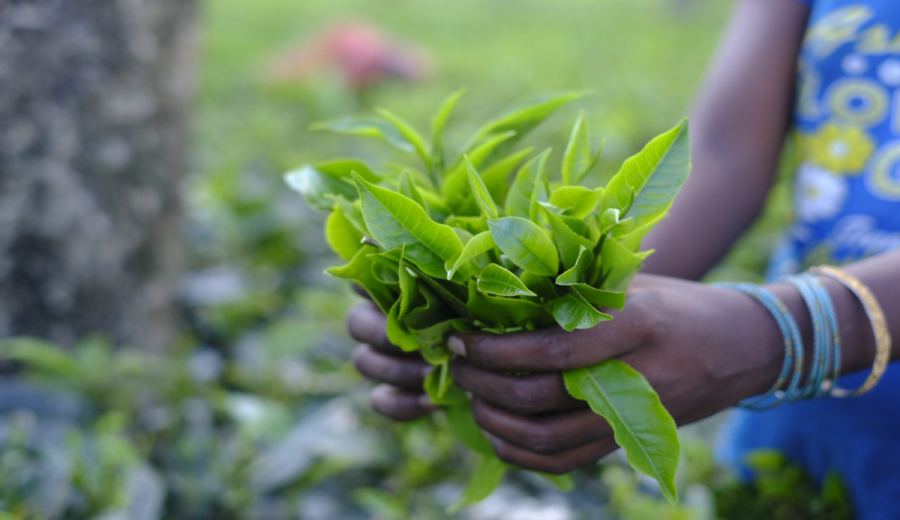
Introduction:Assam black tea is one of the world’s most well-known representatives of black tea, originating from the Indian state of Assam in the northeastern region. Renowned for its rich and robust tea liquor, it is especially popular for making milk tea. But do you truly understand its regional characteristics, grading system, and how to select high-quality leaves? This article delves into the origins of Assam tea, the sustainable practices of local tea farmers, and analyzes its performance in milk tea applications, helping you gain a deeper appreciation of this classic brew.
Assam tea comes from the northeastern Indian state of Assam, an area blessed with a humid climate, abundant rainfall, and fertile alluvial soil—making it one of the world’s premier regions for producing top-tier black tea. The teas from this region are celebrated for their deep reddish liquor and bold, full-bodied flavor, standing as one of the most iconic black teas on the global tea market. Many fans of Hong Kong-style milk tea or Indian chai likely enjoy a base made from Assam tea.
So, what grade does Assam tea actually fall under? In truth, its grading is closely related to the plucked parts of the tea plant and the production process. Common grades include ‘Broken Orange Pekoe (BOP)’ and ‘Broken Pekoe (BP)’. These grades are typically used for making milk tea because the smaller, broken leaves release flavor quickly, delivering a strong and brisk taste. For those wishing to experience a more complete flavor profile, leaf grades with more whole leaves—such as ‘Orange Pekoe (OP)’—are also available. These are better suited for pour over or pot brewing, allowing you to appreciate the layered complexity of Assam tea.
Interestingly, behind this globally beloved tea is a group of small-scale tea farmers striving to promote local tea culture. Two young people from Assam, Subhasish Borah and Bidisha Das, were inspired to make a change after encountering a cup of Assam tea in a restaurant that was not only expensive but also mediocre in quality. They abandoned their stable careers in urban planning and international relations to dive into the tea industry, dedicating themselves to collaborating with marginalized smallholder farmers to promote natural, loose-leaf ‘self-produced’ teas.
They’re not just selling tea—they aim to use tea as a medium to showcase Assamese culture and terroir. They emphasize that Assam tea should not be reduced to a standardized commodity catering solely to export market demands, but rather preserved for its distinctive local character and human spirit. Their philosophy is “go out, come in”—not only promoting the tea itself but also the culture around it. They even experiment with blending poetry and tea tasting, transforming the act of sipping into a form of cultural dialogue.
When brewing Assam tea, it is recommended to use water heated close to boiling point (around 90–95°C).The suggested tea-to-water ratio is 1:50.The first infusion can be steeped for 3–5 minutes, with timing adjusted according to personal taste. For making milk tea, BOP grade is a good choice, as it releases flavor quickly and intensely, complementing milk and sugar harmoniously to create a rich and smooth mouthfeel—this is also the base commonly used in Hong Kong-style and Indian milk teas.
Moreover, many people’s understanding of Assam tea remains limited to commercial-grade CTC black tea. In reality, Assam also produces traditional black tea and a small amount of green tea; however, due to limited distribution channels in the past, these have been less accessible to the average consumer. Today, with the rise of promoters like Subhasish and Bidisha, the diversity and cultural depth of Assam tea are gradually being recognized by a broader audience.
If you’d like to explore Assam tea further, you might start with a loose-leaf BOP grade, paired with milk and sugar, to experience the classic milk tea flavor. Alternatively, try an OP grade brewed using the pour over method to appreciate its more delicate aroma and layered complexity. Either way, you’ll get closer to the true charm of this timeless tea.
The above content is compiled by CoffeeHunters, a coffee news website.


