







Introduction:Phoenix Dancong oolong tea is renowned for its diverse floral aromas, but Tongtianxiang, Jiangmu Xiang, and Jianghua Xiang are often confused. This article delves into the differences among the three, clarifies the true classification of Tongtianxiang, and introduces its origin, harvesting information, and brewing suggestions to help tea enthusiasts accurately identify the aromatic characteristics of this classic high-mountain oolong.
Phoenix Dancong oolong tea is a uniquely fragrant tea variety from the Phoenix Mountain area in Chaozhou, Guangdong, China, celebrated for its natural fruity and floral notes. Among the many aroma types, Tongtianxiang, Jiangmu Xiang, and Jianghua Xiang share similar-sounding names but each has distinct origins and unique flavors, often making them difficult for tea drinkers to distinguish. This article explores the differences among these three aroma types—from varietal characteristics and growing environments to processing details—and clearly identifies the correct classification of Tongtianxiang Dancong.
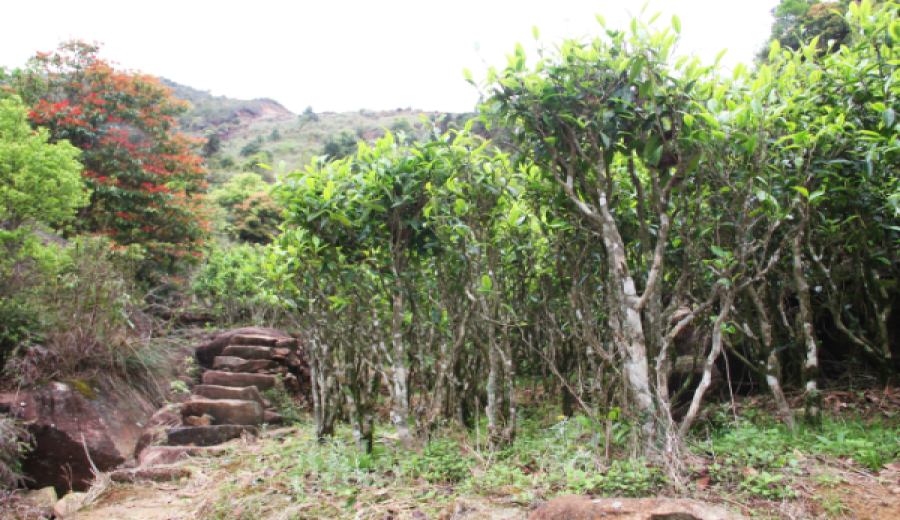
Tongtianxiang belongs to the high-aroma category of Phoenix Dancong and, according to legend, originates from local folklore. However, based on tea classification, its aroma profile is closer to that of ginger flower or fresh ginger blossom. This tea is primarily produced in the high-altitude regions of Phoenix Mountain, at elevations between 900 and 1,000 meters, especially around Wudong Village. The tea gardens here feature mineral-rich soil, and the coastal climate contributes to a unique environment for tea tree growth.
Some of these tea trees are wild, while others are long-cultivated varieties, with tree ages reaching up to 200 years—making them one of the more ancient cultivars among oolong teas. Tongtianxiang tea trees are considered one of the earlier discovered and utilized types within the Dancong category. Their aroma develops naturally, without artificial flavoring, but rather from the natural aromatic compounds within the tea leaves, resulting in an enchanting floral and fruity fragrance.
The 2021 spring-harvested Tongtianxiang tea comes from high-altitude tea gardens on Phoenix Mountain. At that time, tea farmers carefully selected one bud and two leaves to ensure the purity of the tea liquor’s flavor and the richness of its aroma. For general brewing, it is recommended to use the gongfu tea method, with about 2 tablespoons (6 grams) of tea leaves per infusion, which can fully showcase its layered aromas and tastes.
The tea liquor boasts a richly fragrant aroma, with subtle hints of spice, ginger, and nuts upon closer sniffing. On the palate, it finishes with a gentle sweetness and a long-lasting aftertaste. For tea enthusiasts who enjoy exploring high-aroma oolong teas, Tongtianxiang is a classic variety worth savoring in depth.
As for cold brew preparation, the recommended ratio is 1 gram of tea leaves to 50 milliliters of cold water. Place the tea leaves in a teapot or infuser, then let it sit in the refrigerator for 1 to 2 hours to allow the tea aroma to slowly release. It is perfect for summer drinking and offers a different flavor experience.
Jianghua Xiang is another aroma type particularly favored by tea enthusiasts in the Phoenix Mountain area. Its flavor is fresher and sweeter, with a distinctly apparent ginger blossom-like aroma, and is also a classic choice for many tea lovers. This aroma type showcases the rich diversity of Phoenix Dancong in terms of fragrance expression, with each aroma type having its own unique charm and ideal drinking context.
In summary, although Tongtianxiang may sound similar in name to Jiangmu Xiang or Jianghua Xiang, its actual aroma characteristics and classification lean more toward the ginger flower type, making it one of the representative high-aroma oolong teas among Phoenix Dancong. Understanding the differences among these aroma types not only helps tea enthusiasts select their preferred tea more precisely but also allows for a deeper appreciation of the varied floral world of Phoenix Dancong.
The above content is compiled by CoffeeHunters, a coffee news website.


