







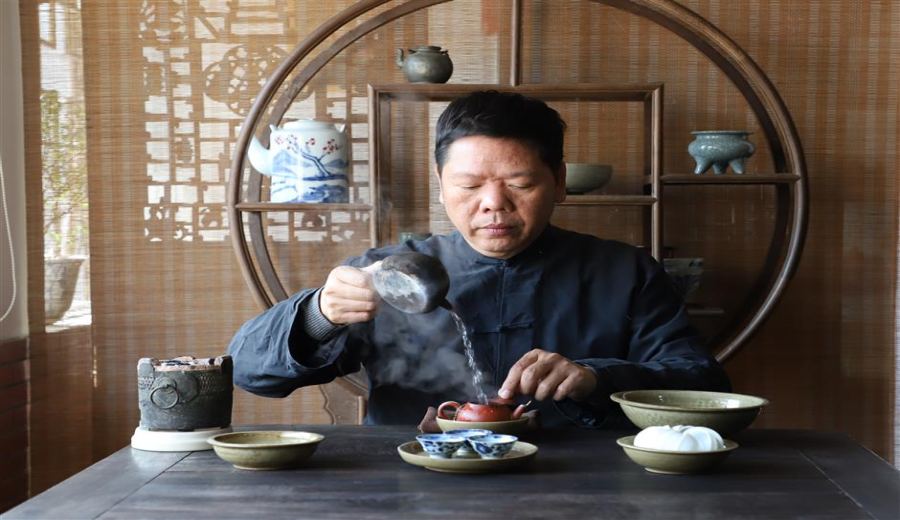
Introduction:Gongfu tea takes on distinct forms across China, with particularly notable differences in Chaoshan, Fujian, and Taiwan. These three regions vary markedly in their meticulous brewing techniques and tea ware usage. This article delves into the differences among the gongfu tea traditions of these three areas — from the use of fairness pitchers, the ceremonial aspect of aroma cups, to the control of tea soup consistency — and explores the mindfulness spirit behind gongfu tea. Whether you're a tea novice or an advanced enthusiast, you can gain practical brewing tips and cultural insights from it.
As an important branch of Chinese tea ceremony, gongfu tea has developed distinctive brewing traditions in different regions. Particularly in Chaoshan, Fujian, and Taiwan, not only are there clear differences in tea ware usage, but the brewing processes and cultural meanings also each have their own flavor. Among them, Fujian and Taiwan commonly use fairness pitchers and aroma cups, which ensure more even distribution of the tea soup and allow the aroma to be captured and appreciated more fully.
In the gongfu tea cultures of Fujian and Taiwan, the fairness pitcher plays a key role. The general process is to first brew the tea leaves in a gaiwan or Yixing clay teapot, then pour the tea soup into the fairness pitcher, and finally distribute it evenly into each tasting cup. This ensures that the concentration, temperature, and flavor of each cup of tea soup are consistent, avoiding the variations that might occur when pouring directly from the gaiwan. Especially in Taiwan, many tea sessions also include a slender aroma cup, used to focus on capturing the delicate and varied aroma layers of oolong tea.
The aroma cup is designed to be tall and slender, with the aim of concentrating the aroma that lingers after the tea soup is poured out, allowing the drinker to first experience the layers of the tea leaves through smell before sipping. A common tea-serving procedure includes: first pouring the tea soup into the fairness pitcher, then transferring it into the tall aroma cup, next placing the slightly wider tasting cup upside down over the aroma cup, flipping both cups together, and then gently removing the aroma cup so that the tea soup flows into the tasting cup for drinking. This process is not only rich in ceremony, but also allows guests to fully appreciate the tea aroma before tasting.
It is worth noting that although aroma cups were once widely used in both Fujian and Taiwan, they are now less commonly seen in everyday tea sessions in Fujian, whereas Taiwan still generally retains this practice. Fujian gongfu tea is often used to brew local famous teas such as Wuyi Rock Tea, while Taiwan commonly uses this method to showcase the charm of high mountain oolong tea. Despite the differences in detail, all three regions emphasize focus and delicacy in the tea brewing process — and this is precisely the spirit of gongfu tea.
Gongfu tea is not just a display of skill, but also a form of life aesthetics close to mindfulness practice. Similar to yoga or meditation, the tea brewing process requires full concentration — from water temperature control and timing, to each subtle adjustment of pouring and pouring out — all of which demand keen perception of the tea leaves’ feedback, followed by adjustments to the parameters of the next infusion in pursuit of optimal flavor expression. Many tea enthusiasts also say that through repeated practice and focus, one can find inner peace and awareness in a single cup of tea.
For tea lovers who want to consistently present the true flavor of tea, it is recommended to choose teas that have undergone strict selection and quality control — whether it’s Wuyi Rock Tea or Taiwan high mountain oolong — so their unique aromas and tastes can be perfectly released through the meticulous brewing methods of gongfu tea. In addition, using appropriate tea ware such as gaiwans, Yixing clay teapots, fairness pitchers, and aroma cups, and paying attention to maintaining water temperature and steeping time between each infusion, are all key to enhancing the overall drinking experience.
In summary, although the gongfu tea traditions of Chaoshan, Fujian, and Taiwan share a common origin, they each have distinct characteristics in tea ware configuration, tea serving procedures, and cultural expressions. Understanding these nuanced differences not only helps tea enthusiasts appreciate the beauty of the tea soup more deeply, but also allows one to experience the power of focus and mindfulness during the brewing process, thereby sensing the mindfulness spirit embedded in the tea ceremony.
The above content is compiled by CoffeeHunters, a coffee news website.


