







Category: Coffee Knowledge
A Complete Guide to Indonesian West Java S795 Coffee Beans: Honey Process Flavors, Regional Characteristics & Pour Over Recommendations
Want to explore the diverse profiles of Indonesian coffee? Start with the S795 variety from West Java. This honey-processed coffee from Mount Tangkuban Perahu boasts tropical fruit acidity and a sweet, smooth finish—quite a contrast to the more common Sumatran Mandheling. This article dives deep into the geography of the West Java region, the origins of the S795 variety, the honey processing method, and offers practical roasting and pour over parameters to help you master the brewing essentials of this unique bean. [more…]
How to Choose Costa Rica Tarrazú Coffee Beans? A Complete Guide to SHB Grade, Washed Processing & Flavor Profiles
The Tarrazú region in Costa Rica is renowned for producing high-quality Arabica coffee beans. Its washed processing method imparts bright acidity and a refreshing sweetness. This article delves into the geographical advantages of the Tarrazú region, the standards of the SHB grade, and how washed processing influences flavor. It also explores how medium-light roasting highlights delicate notes such as sweet orange, nuts, and subtle floral aromas—perfect for readers looking to deepen their understanding of Costa Rican coffee. [more…]
Complete Guide to Panama Finca Elida Geisha "Jade Diamond Mountain" Coffee: Varietal Characteristics, Processing Methods, and Optimal Brewing Settings
Want to learn about the premium coffees from Panama's Finca Elida besides their famous Geisha? This article provides an in-depth analysis of the origin of the Jade Diamond series under the Elida Estate, the characteristics of the Caturra and Catuaí varieties, the terroir advantages of the Boquete region, as well as key details of the natural (sun-dried) processing method. It also offers tested roasting and pour over parameters to help you fully master this uniquely flavorful specialty coffee. [more…]
The Ultimate Guide to Brazilian Coffee Bean Grading | From Defect Rates to Cupping, Choose the Right Specialty Brazilian Beans for Pour Over
Brazil is the world’s largest coffee-producing country, and its grading system combines defect rates, screen sizes, and cupping performance—making it quite different from other producing regions. This article takes you deep into Brazil’s three grading standards, from NY grades to cupping flavors, teaching you how to understand coffee quality from sack labels. We also recommend two Brazilian beans that represent distinct flavor profiles—whether you’re a pour over enthusiast chasing delicate floral and fruity notes or a dark roast lover who prefers a rich chocolate base, you’ll find the right choice here. [more…]
Jamaica Blue Mountain Coffee Origin Revealed: A Complete Guide to Flavor Characteristics and Authenticity Identification
Jamaica Blue Mountain coffee is world-renowned for its unique flavor, yet the market is flooded with various imitations, making it difficult for consumers to distinguish the real from the fake. This article delves into the core growing environment of Blue Mountain coffee, helping you understand its classic flavor profile. From practical aspects such as price, certification, and aroma, it step-by-step teaches you how to identify genuine beans. It also highlights three common types of counterfeit products to help you accurately avoid purchasing pitfalls. [more…]

Complete Guide to Roasting and Pour Over Brewing of Indonesian Mandheling: Flavor and Parameters of Golden Mandheling
Want to learn the roasting secrets and pour over techniques for Indonesian Mandheling coffee? This article delves into the origin background of Golden Mandheling, its rigorous grading system, and provides a precise roasting curve—from charge temperature and heat control to the first crack timing. It also shares pour over parameters using the KONO filter, including grind size, water temperature, and pouring methods, helping you fully master the brewing and flavor profile of this classic bean. [more…]

How to Froth Milk for Latte Art? Master 3 Key Techniques for Clearer Coffee Patterns
To pour beautiful and clear latte art patterns, technique is important, but the quality of the milk foam is even more crucial. This article dives deep into the three core conditions of milk foam suitable for latte art: fluidity, fineness, and moisture content. It also explains in detail how to create stable and delicate foam by controlling frothing time, steam heating, and stabilizing the milk pitcher—helping you improve your latte art skills. [more…]
Decoding Sumatra Coffee Beans: A Comprehensive Guide from Origin to Roasting
Dive deep into the unique charm of Sumatra coffee beans. This guide covers everything from regional characteristics and processing methods to roasting techniques, offering a full analysis of the key factors that shape flavor. Explore the traits of classic Sumatra beans like Mandheling, understand the differences between washed and semi-washed processing, and get practical roasting advice. Whether you're a beginner or a coffee enthusiast, you'll gain valuable insights. [more…]
Latte, Cappuccino, Mocha, and Caramel Macchiato: A Beginner’s Guide to the Four Classic Milk Coffee Flavors and Flavor Identification
Have you ever hesitated between ordering a latte, cappuccino, mocha, or caramel macchiato at a café? Though these four classic "milk coffees" all share espresso and milk as their base, they differ significantly in flavor profile, composition ratio, and drinking method. This article will break down their formulation logic, subtle differences, and correct ways of savoring them—covering everything from milk foam thickness, coffee-to-milk ratio, to the pairing with chocolate notes—to help you fully grasp the essence of these four milk coffees. That way, your next order will be more [more…]
A Comprehensive Guide to Asia’s Specialty Coffee Regions: Processing Methods and Pour Over Recommendations from Indonesian Mandheling to Yunnan Peaberry
Although Asian coffee regions are not as widely known as those in Africa or Central and South America, their rich, full-bodied flavors and diverse processing techniques have long been beloved by coffee enthusiasts. This article delves into major producing areas such as Indonesia, China, Vietnam, India, and Papua New Guinea, with a focus on unique methods like wet hulling and monsooning. It also provides detailed pour over parameters and flavor profiles for representative beans from each region, offering a complete reference—from growing backgrounds to brewing techniques. [more…]
A Complete Guide to Yunnan’s Small Coffee Varieties: Flavor Differences and Planting Essentials of Typica and Catimor
Want to explore the story behind Yunnan coffee varieties? From the earliest introduced Typica to today’s mainstream Catimor, these two major varieties shape the diverse profile of Yunnan coffee. This article delves into their historical origins, genetic backgrounds, flavor characteristics, and provides practical guidelines on water temperature, grind size, and brewing methods — helping you better understand the potential and challenges of Yunnan beans. [more…]
How to Choose Between Yunnan Typica and Catimor? Variety Characteristics, Moka Pot Brewing & Flavor Analysis
Yunnan coffee’s two representative varieties—Typica and Catimor—each have unique historical backgrounds and flavor profiles. As one of the oldest Arabica varieties, Typica boasts elegant flavors but has limited yield; Catimor, on the other hand, has become mainstream due to its disease resistance and high productivity, though it is often considered to have more ordinary flavors. This article delves into the origins, flavor differences of the two varieties, and provides practical parameters and techniques for moka pot extraction to help you better understand the potential of Yunnan small-bean coffee. [more…]
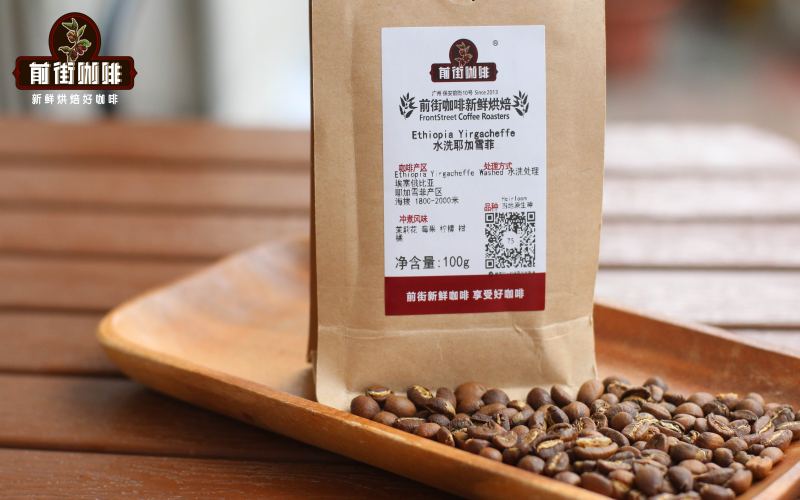
Analysis of Flavor Differences Between Natural and Washed Yirgacheffe | Processing Methods, Pour Over Parameters & Beginner Bean Selection Guide
As Ethiopia’s most iconic specialty coffee region, Yirgacheffe presents distinctly different flavor profiles through its natural and washed processing methods. This guide will take you in-depth into the practical differences between the two in terms of processing techniques, green bean appearance, roasting characteristics, and pour over parameters. It also provides professional cupping flavor descriptions and practical extraction suggestions to help you find the Yirgacheffe beans that best suit your taste. [more…]
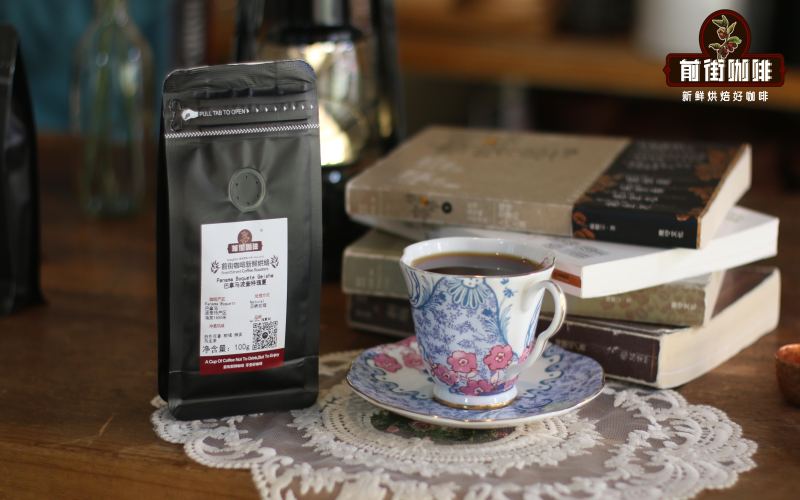
A Complete Guide to Panamanian Boquete Geisha Washed Beans: Flavor, Region, and V60 Brewing Parameters
Want to experience the unique flavors of Geisha coffee but deterred by the high prices? The washed Geisha beans from Panama’s Boquete region offer a relatively more affordable option, showcasing bright citrus acidity, white floral notes, and a honey-like finish — making them an excellent entry point into the world of Geisha. This article delves into the variety’s characteristics, the growing environment of the region, details of the processing method, and provides practical three-stage V60 pour over parameters to help you fully unlock the potential of this medium-light roasted bean. [more…]
Global Coffee Growing Regions Flavor Guide: From Africa to Central and South America, Choose the Coffee Beans That Suit You
From the bright acidity of African beans, to the rich sweetness of the Americas, to the deep and mellow flavors of Asian beans—coffee around the world develops unique flavor profiles due to differences in climate, altitude, and processing methods. This article takes you on an in-depth exploration of the characteristics of the world’s major coffee-growing regions, including flavor traits and representative varieties from places such as Ethiopia, Peru, Guatemala, and Rwanda. It also analyzes the typical taste profiles of coffees from different regions and the brewing methods that suit them best, helping you more accurately choose the coffee beans that are right for you. [more…]
Golden Mandheling Pour Over Guide: Flavor Analysis of Three Roast Levels and Optimal Extraction Parameters
An in-depth exploration of the flavor profiles of Indonesian Golden Mandheling coffee beans across three different roast levels. Starting with hands-on pour over brewing tests, we analyze the taste differences between dark roast, medium roast, and medium-light roast, including body, acidity-sweetness balance, and aroma complexity. We also examine the rationale behind factories choosing a medium-to-dark roast, helping readers find the coffee beans and roast level that best suit their personal taste preferences. [more…]
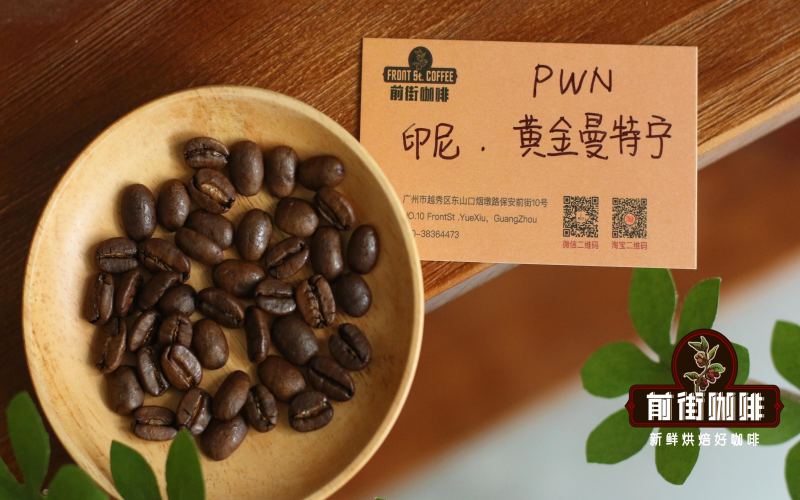
Complete Guide to Pour Over Brewing of Indonesian Golden Mandheling: Regional Flavors, Processing Methods, Roasting, and Brewing Techniques
Golden Mandheling is one of the most representative specialty coffees from Sumatra, Indonesia. Renowned for its rich, clean, and aromatic profile, it is beloved by coffee enthusiasts worldwide. This article delves into the regional environment, main coffee varieties, wet-hulled processing method, and key roasting factors of Golden Mandheling, while also providing practical pour over parameters. It’s perfect for both beginners and advanced enthusiasts aiming to master the extraction techniques of dark roasted beans and experience the complex layers of this classic Mandheling. [more…]
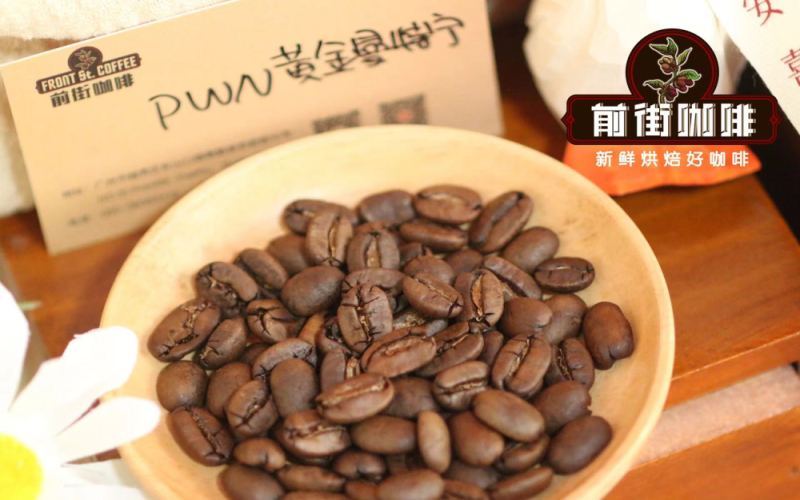
How to Choose Indonesian Golden Mandheling? A Guide to Wet-Hulled Processing Flavors and G1 Grade Selection
Want to understand the charm of Indonesian Golden Mandheling and the secrets to selecting it? This article delves into the key steps of wet-hulled processing in Sumatra, introducing you to the regional characteristics and variety traits of G1 grade Golden Mandheling, as well as the flavor differences compared to regular Lintong Mandheling. From roasting performance to pour over and espresso applications, it provides practical references to help you find the most suitable premium Indonesian coffee. [more…]
Flavor Profile and Regional Characteristics of Tanzanian Specialty Coffee | Washed Processing and Pour Over Recommendations
Tanzanian coffee is centered around the Kilimanjaro mountain region, where volcanic soil and high-altitude conditions nurture specialty beans with a balanced acidity and sweetness, along with layered complexity. This article delves into its unique flavor profile, key regional differences, and how washed processing contributes to a smooth mouthfeel, while also providing purchasing and brewing guidance to help coffee enthusiasts better appreciate African flavors. [more…]
Ethiopian Yirgacheffe Wukafa Coffee Beans: Flavor Profile, Pour Over Parameters & Varietal Characteristics
As a renowned micro-region in Ethiopia, Yirgacheffe Wukafa coffee beans are celebrated for their bright citrus notes, delicate floral and fruity aromas, and vibrant acidity, making them an ideal starting point for light roast enthusiasts and pour over aficionados. This article delves into the geographical environment, cultivation background, and flavor profile of the region, while offering practical recommendations on grind size and water temperature to help you fully appreciate its “blossoming” layered taste. [more…]