







Introduction:Want to learn about the varietal stories behind Yunnan coffee? From the earliest-introduced Typica to today’s mainstream Catimor, these two major varieties have shaped the diverse profile of Yunnan coffee. This article delves into their historical origins, genetic backgrounds, flavor characteristics, and provides practical water temperature, grind size, and brewing references to help you better understand the potential and challenges of Yunnan beans.
The history of Yunnan coffee began with the first coffee tree brought by French missionaries. Genetic identification confirmed that this variety belongs to the Typica subtype of Arabica. Due to its small bean size after hulling, it was affectionately called “small-bean coffee” by locals. However, over time, the most widely planted variety in Yunnan today is Catimor—a commercial hybrid of Arabica and Robusta. What are the industrial background and varietal considerations behind this shift? This article will guide you through a comprehensive understanding of the two leading characters of Yunnan small-bean coffee, from historical context and varietal traits to actual brewing performance.
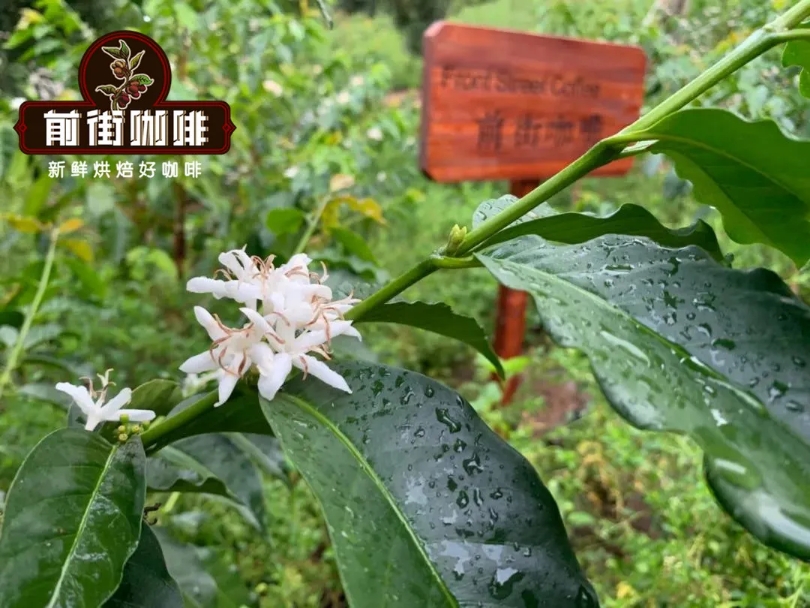
Typica is one of the oldest varieties in the Arabica family, originating from Ethiopia and southeastern Sudan. Research shows that most modern Arabica coffee varieties can be traced back to the lineage of Typica. Due to its pure genetics, Typica offers elegant flavors and clear layers, often exhibiting floral notes, sweetness, and good acidity. However, its drawbacks are also quite evident: the plants have weak resistance, are susceptible to diseases, yield low per unit, and require high standards of growing environment and management techniques. Early coffee cultivation in Yunnan was dominated by this variety, which was even once used as an agricultural product for repaying foreign debt. However, as debts were cleared and domestic market demand remained limited, many farmers switched to other cash crops, and the planting area of Typica gradually shrank.
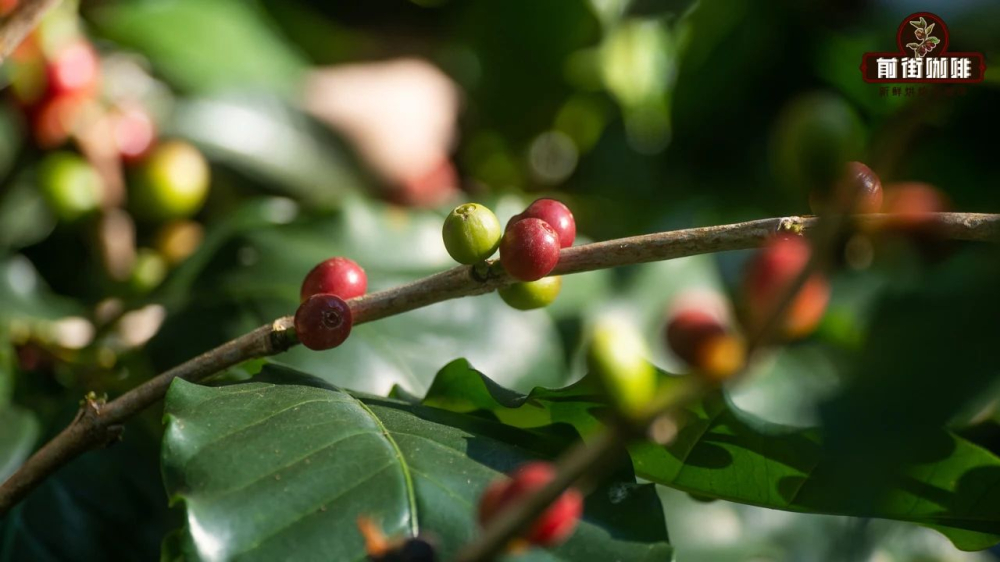
It wasn’t until the late 1980s that international coffee companies like Nestlé, recognizing Yunnan’s unique highland terrain and climatic conditions, introduced the disease-resistant and commercially viable Catimor variety, which revitalized the Yunnan coffee industry. Catimor was born in 1959 when Portuguese breeders crossed Brazilian Caturra (a Bourbon variant) with Timor (a hybrid containing 25% Robusta genes), creating this new disease-resistant, high-yield variety. Although it boasts strong adaptability and commercial value, due to its Robusta genes, Catimor is often considered to have relatively plain aroma, heavier bitterness, and may even exhibit astringency or moldy notes if processed improperly. However, when grown at altitudes above 1,200 meters and combined with proper field management and post-harvest processing, Catimor can still reveal surprisingly impressive flavor potential.
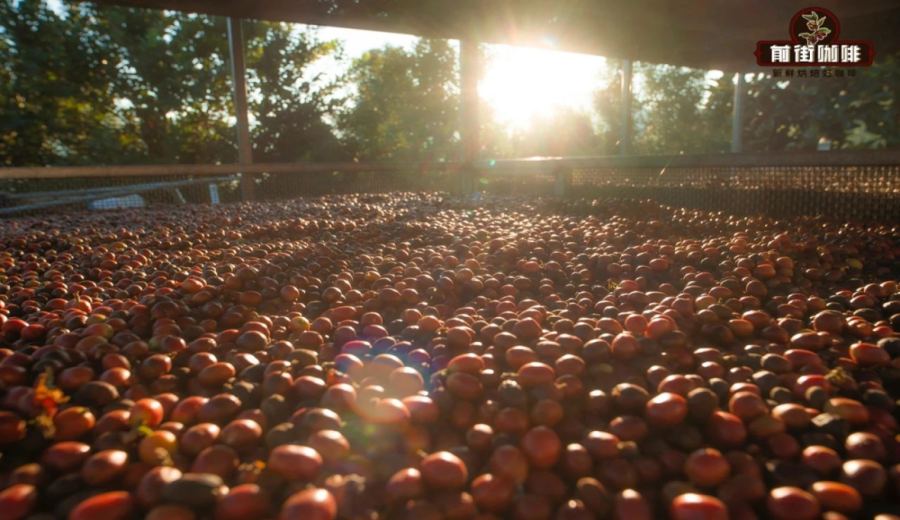
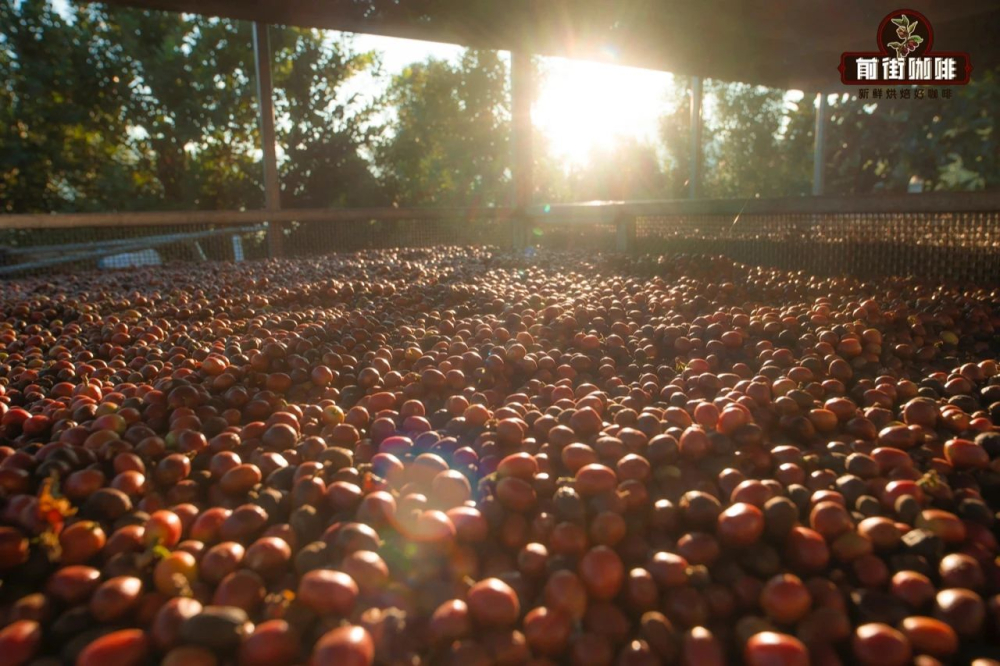
Speaking of the current state of Typica in Yunnan, one must mention a brand’s small-scale planting experiment in the mountainous areas of Lincang at 1,300 meters altitude starting in 2013. They chose this variety in hopes of exploring the potential of specialty coffee at its source. Having adapted over a century, Typica has developed a good interaction with the local terroir and climate. The brand processed these beans using traditional natural sun-drying methods, imparting richer body and fermentation aromas. For actual pour over brewing, a 1:15 coffee-to-water ratio, medium grind, and around 89°C water temperature are recommended. After brewing, you can perceive distinct plum and berry aromas, accompanied by brown sugar sweetness and a gentle black tea-like aftertaste.
As for the most widely planted Catimor in Yunnan today, a brand’s “Everyday Bean” series features a washed Catimor from Baoshan at 1,200 meters altitude. The high-altitude environment of this region helps reduce off-flavors and enhances clarity in acidity. The washed processing method gives this coffee refreshing plum and melon-like aromas, paired with stable nutty notes and a black tea-like finish. Brewing parameters also recommend a 1:15 coffee-to-water ratio, medium grind, and 89°C water temperature—suitable for coffee lovers who enjoy a balanced flavor of fruitiness and nuttiness.
Whether you’re pursuing the traditional purity of Typica or the stable yield and commercial benefits of Catimor, varietals are only part of what influences coffee flavor. What truly determines the quality of Yunnan coffee also includes scientific cultivation management, precise harvesting timing, and meticulous post-harvest processing. For coffee enthusiasts, understanding these varietal traits not only helps in selecting beans that suit your taste preferences but also allows for a deeper appreciation of the story and craftsmanship behind each cup of coffee.
The above content is compiled by CoffeeHunters, a coffee news website.


