







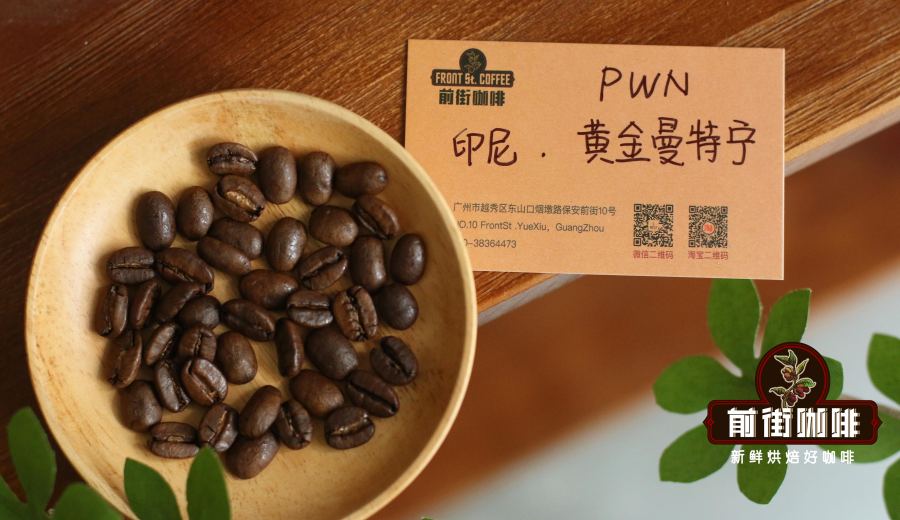
Introduction:Gold Mandheling is one of the most representative specialty coffees from Sumatra, Indonesia. Known for its rich, clean, and aromatic profile, it has won the hearts of coffee enthusiasts around the world. This article delves deep into the growing environment, main variety, wet-hulling processing method, and key roasting points of Gold Mandheling, and also provides practical pour over parameters — making it the perfect guide for both beginners and advanced brewers to master the extraction of dark roasted beans and experience the complex layers of this classic Mandheling.
Gold Mandheling comes from Sumatra, Indonesia, and is one of the most iconic specialty-grade Arabica coffees in the region. Not only does it enjoy a solid reputation on the international market, but its full-bodied and balanced flavor also makes it a popular choice for those trying pour over with dark roasted beans. If you’re curious about where the unique flavors of Gold Mandheling come from, and how the right roasting and brewing methods can bring out its full potential, this comprehensive guide is not to be missed.
Growing Environment and Terroir
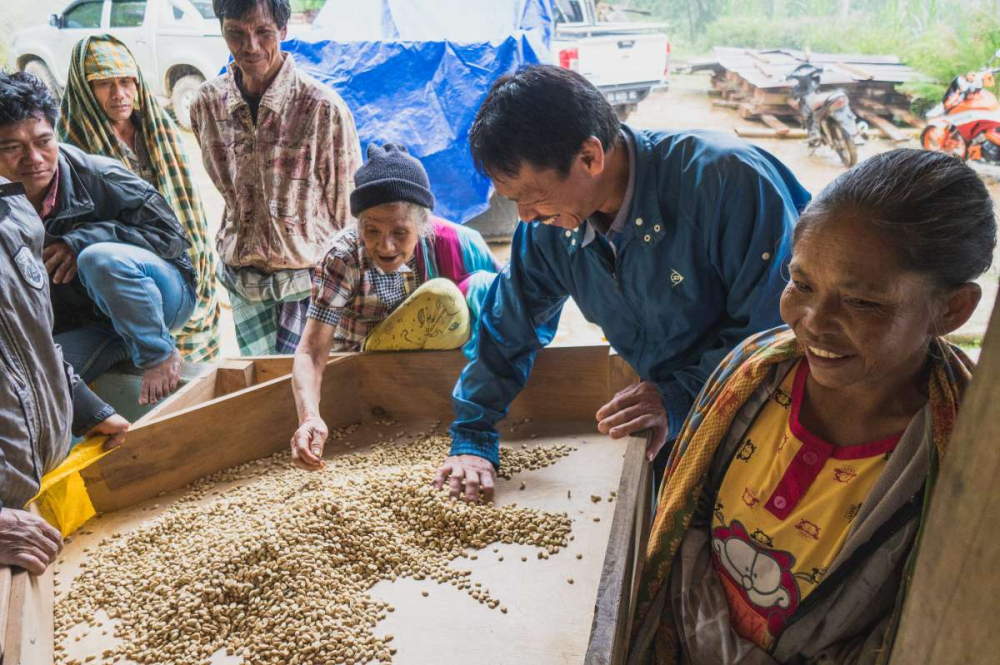
Gold Mandheling is grown in Sumatra, Indonesia, particularly concentrated around Lake Toba in the central-northern part of the island, as well as in the high-altitude regions of Aceh Province in the north. The beans are typically cultivated at altitudes ranging from 900 to 1600 meters. The area features a tropical rainforest climate, with temperatures maintaining around 25 to 28°C year-round, abundant and evenly distributed rainfall, and no distinct dry season — making it highly suitable for growing Arabica coffee.
However, it’s important to note that “Gold Mandheling” is not a grade of coffee bean, but rather a registered trademark owned by the Indonesian company P.W.N. (N.V. Pawani Medan). Established in 1957, P.W.N. was the first company in Indonesia to export coffee from North Sumatra and played a significant role in popularizing the name “Mandheling” in the Japanese market. Its export markets are primarily Japan and Chinese Taipei, accounting for over 95% combined.
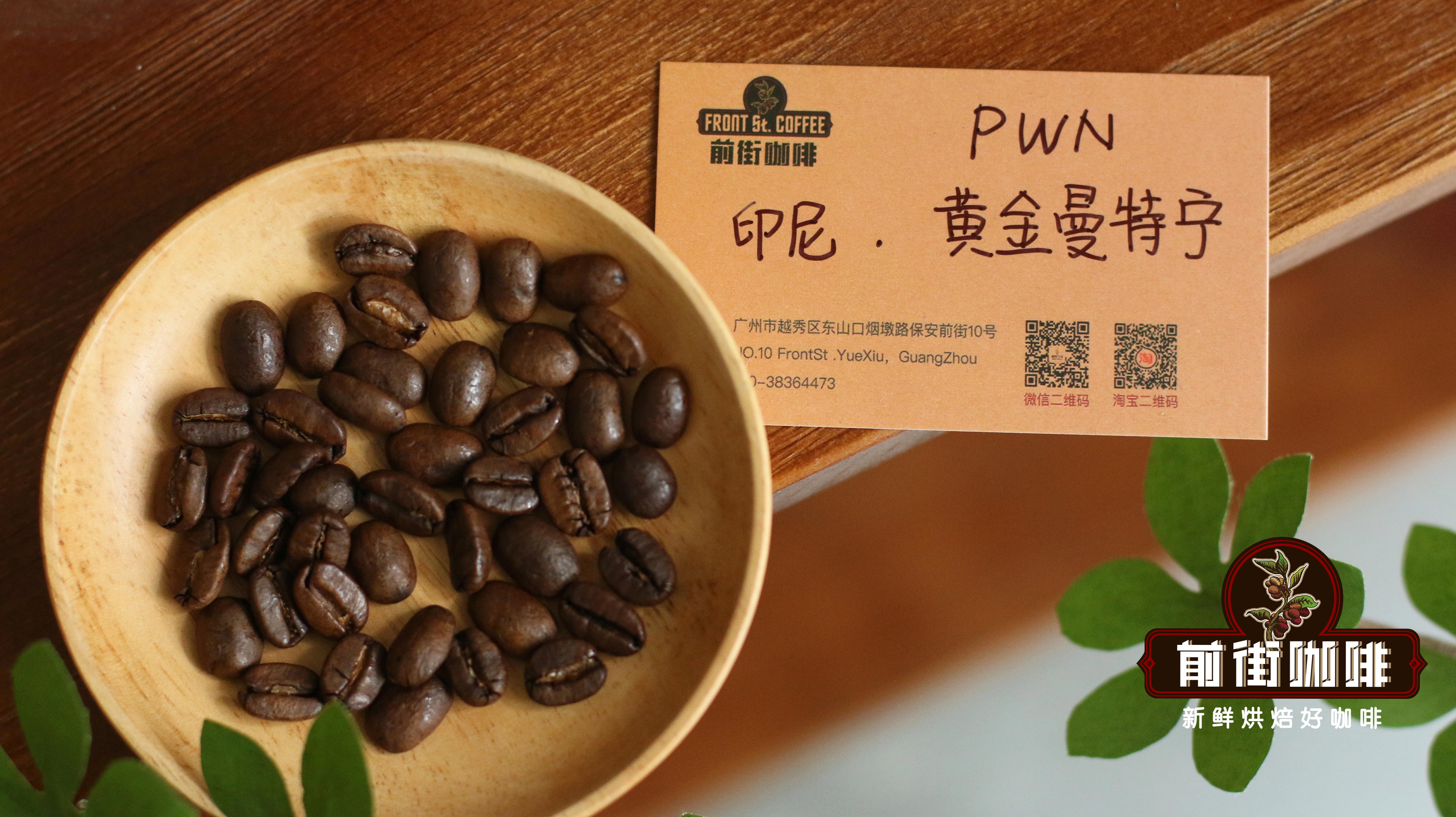
Varietal Characteristics: Ateng and Its Coffee Genetics
Gold Mandheling is made using the Ateng variety, which is actually a natural cross between Arabica and Robusta, belonging to a local branch of the Catimor family and commonly referred to as Ateng in Indonesia. Although Ateng is generally not considered a top-tier choice for specialty coffee, under Sumatra’s unique terroir and refined processing techniques, it still manages to showcase distinctive richness and sweetness.
Wet-Hulling: The Key Processing Method Shaping Its Flavor
Sumatra’s rainy and humid weather lacks consistent sunlight, making traditional sun-drying methods difficult. As a result, the region developed its unique “wet-hulling” (Giling Basah) process. In this method, the coffee undergoes water fermentation, followed by parchment removal while the beans are still not fully dried (with higher moisture content), and then final drying. This process causes the beans to deform under pressure, but also imparts Gold Mandheling with its signature herbal, spicy, and earthy notes, while retaining a pronounced sweetness and full body.
Roasting Essentials: Controlling Caramelization, Avoiding Carbonization
Since Mandheling green beans usually have high moisture content, special attention must be paid to temperature control during the drying phase of roasting. It’s recommended to close the air vent initially for about 30 seconds of preheat steaming after dropping the beans, then gradually adjust the air vent once the beans turn light green. Increase ventilation after first crack to ensure sufficient caramelization without going overboard. Generally, it’s advised to drop the beans at around 200°C. Initial heat should not be too high, and reduce the flame power near first crack (approximately 195–204°C) to avoid scorching the bean surface while allowing internal flavor compounds to fully develop.
The key lies in balancing the boundary between caramelization and carbonization: moderate caramelization brings out aromas from sugar transformation, such as caramel, chocolate, and nutty notes, but over-roasting can easily lead to bitterness and unpleasant tire-like flavors.
Pour Over Recommendations: Brewing Strategies Suited for Dark Roast
As a dark roasted bean, Gold Mandheling is best brewed using slightly lower water temperature and a filter that extends extraction time — such as the Kono dripper. Compared to the V60, the Kono’s rib design slows down water flow, allowing the coffee grounds and hot water more contact time. This helps extract full body and sweetness even at lower temperatures, avoiding over-extraction or unwanted off-flavors.
Practical Pour Over Parameters Are As Follows:
• Water Temperature:88°C
• Coffee Dose:15 grams
• Coffee-to-Water Ratio:1:15
• Grind Size:Medium-fine grind (approximately 70% passing through a #20 sieve)
• Brewing Technique: 30g water bloom for 30 seconds, then circle pour to 125g, followed by a second pour to 225g. Total brew time should be controlled around2 minutes..
These parameters effectively balance the bitter-sweet ratio of dark roast beans, highlighting their dominant notes of nuts, chocolate, and caramel, with a clean and long-lasting aftertaste.
Flavor Profile and Brewing Tips
The flavor profile of Gold Mandheling typically includes intense nuttiness, sweet caramel notes, and a soft chocolate finish. The overall cup is full-bodied, layered, smooth, and clean. Additionally, since it’s a dark roast, it’s recommended to use freshly roasted beans (ideally within 5 days post-roast), and allow the beans to rest for about 4–7 days after opening to reach their optimal flavor window.
If grinding is needed, it’s best to grind just before brewing, as coffee grounds oxidize faster when exposed to air, leading to quicker flavor loss. Pre-ground coffee can still be brewed, but the flavor will be slightly inferior compared to fresh-ground beans.
In summary, Gold Mandheling is a classic dark roast bean that fully showcases the terroir of Sumatra and the charm of the wet-hulling process. With the right roasting and brewing techniques, you can easily extract its excellent balance of full body, sweetness, and low acidity — making it a great choice for coffee lovers who enjoy bold flavors and dark roast profiles.
The above content is compiled by CoffeeHunters, a coffee news website.


