








Introduction:Want to learn about the premium coffees from Panama’s Hacienda La Esmeralda beyond Geisha? This article delves into the origins of the Diamond Mountain series under the estate, the characteristics of the Caturra and Catuai varieties, the terroir advantages of the Boquete region, as well as the key details of the natural processing method. It also provides tested roasting and pour over parameters to help you fully grasp the appeal of this uniquely flavoured specialty coffee.
Although Panama’s Hacienda La Esmeralda is renowned for its Geisha, it actually has two other independent brands primarily focused on the Caturra and Catuai varieties — Diamond Mountain and Pamela. Many people are relatively unfamiliar with these two coffees, but their flavour profiles and cultivation potential are equally remarkable. This article will start with the historical background of the estate and gradually explore the growing conditions, variety traits, processing techniques, and brewing recommendations of Diamond Mountain coffee, giving you an in-depth understanding of the charm of this high-altitude natural-processed specialty bean.
The History of Hacienda La Esmeralda and the Discovery of Geisha
The story of Hacienda La Esmeralda began in 1964 when American banker Rudolph Peterson established it in the Boquete region of Panama, initially focusing on dairy farming. It wasn’t until 1987 that his son, Price, abandoned his medical career to take over the farm and introduced the two major Arabica varieties, Caturra and Catuai. In 1994, a wet mill was established, marking the estate’s official entry into the coffee processing industry. The Geisha variety was originally planted only as a windbreak, but due to its astonishing performance in cupping, it rose to fame at the BOP competition in 2004, establishing Hacienda La Esmeralda’s international reputation.

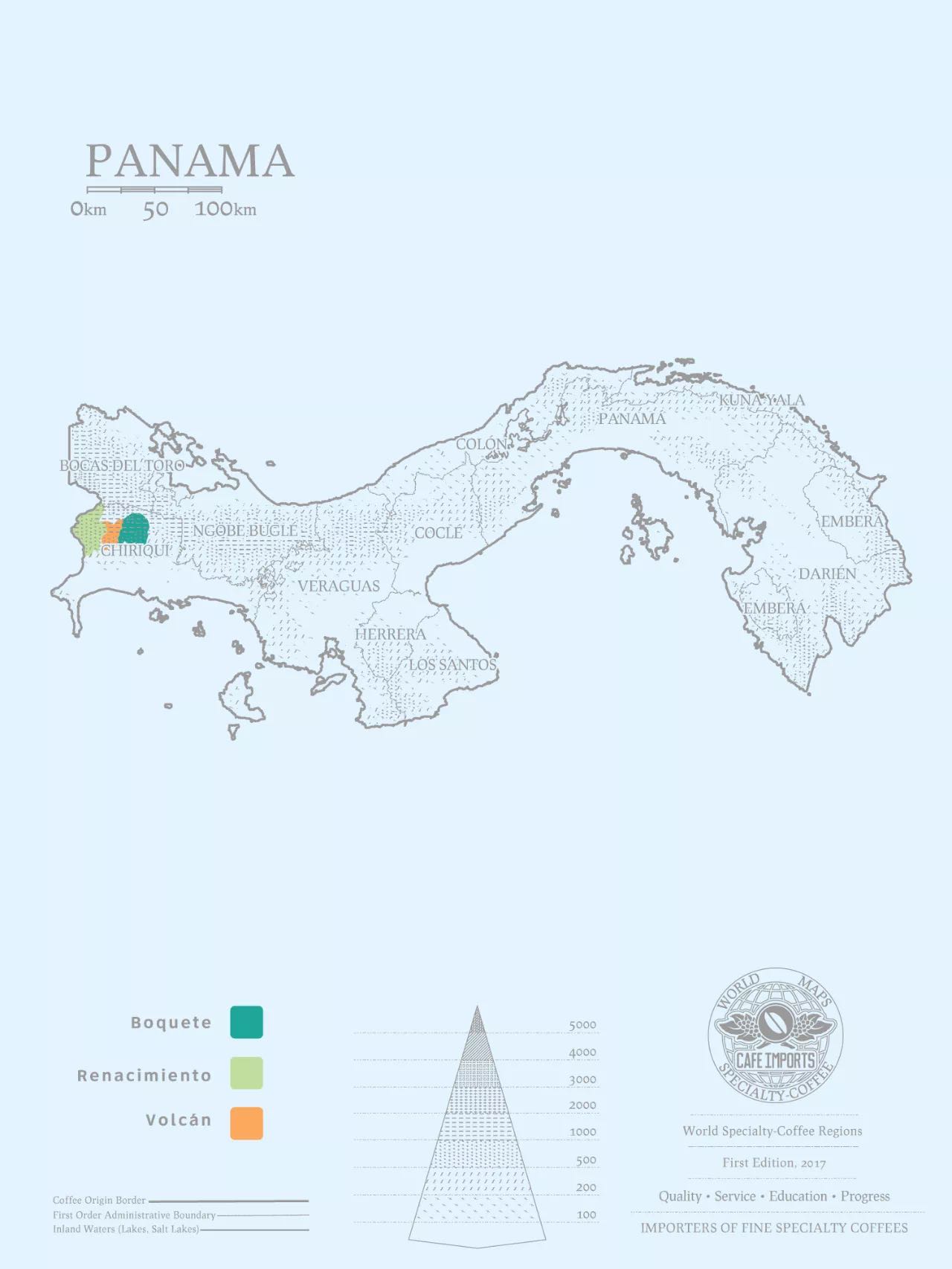
Boquete Region: The Perfect Combination of High Altitude and Volcanic Soil
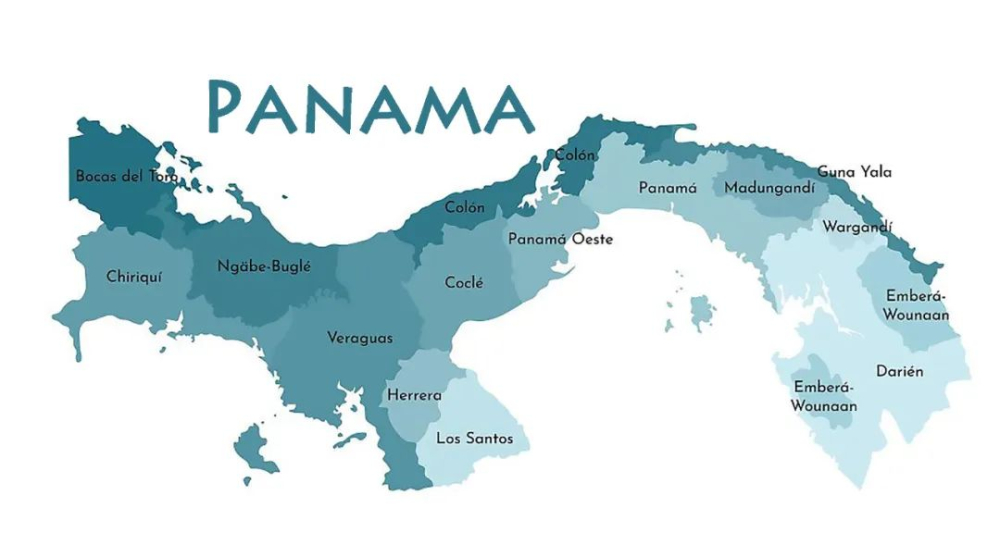
The Boquete region of Panama is where Hacienda La Esmeralda is located and is also the main growing area for Diamond Mountain coffee. This area is adjacent to the Barú volcano, with elevations ranging from 1400 to 1900 metres. The climate is cool with significant day-night temperature variations, and the fertile volcanic soil provides an ideal environment for coffee cultivation. The region has an average annual temperature of about 23 to 27°C, distinct wet and dry seasons, and annual rainfall between 1500 and 2500 mm, all of which contribute to the rich and layered flavour characteristics of the coffee cherries.
Estate Plot Division and Brand Strategy
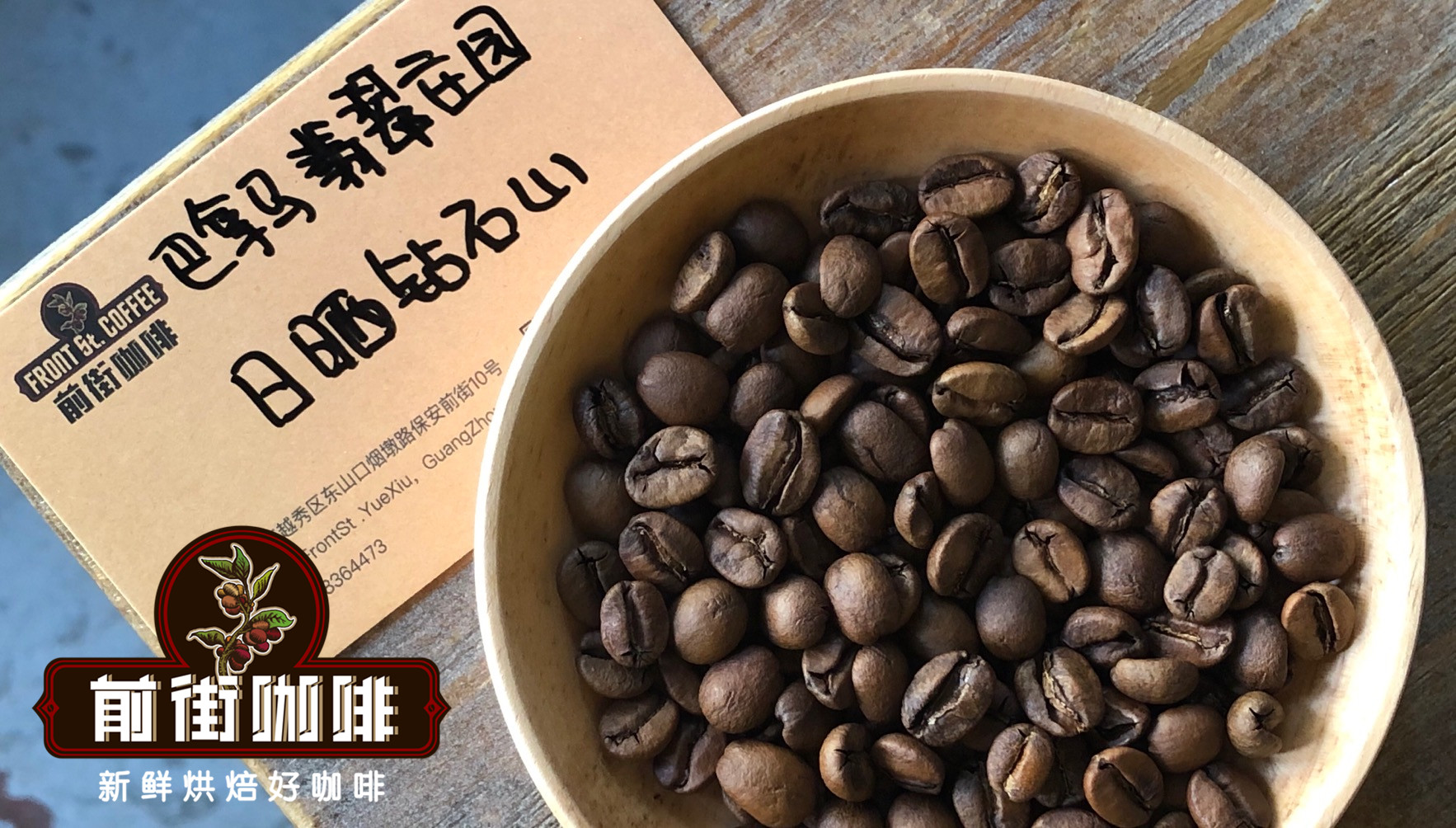
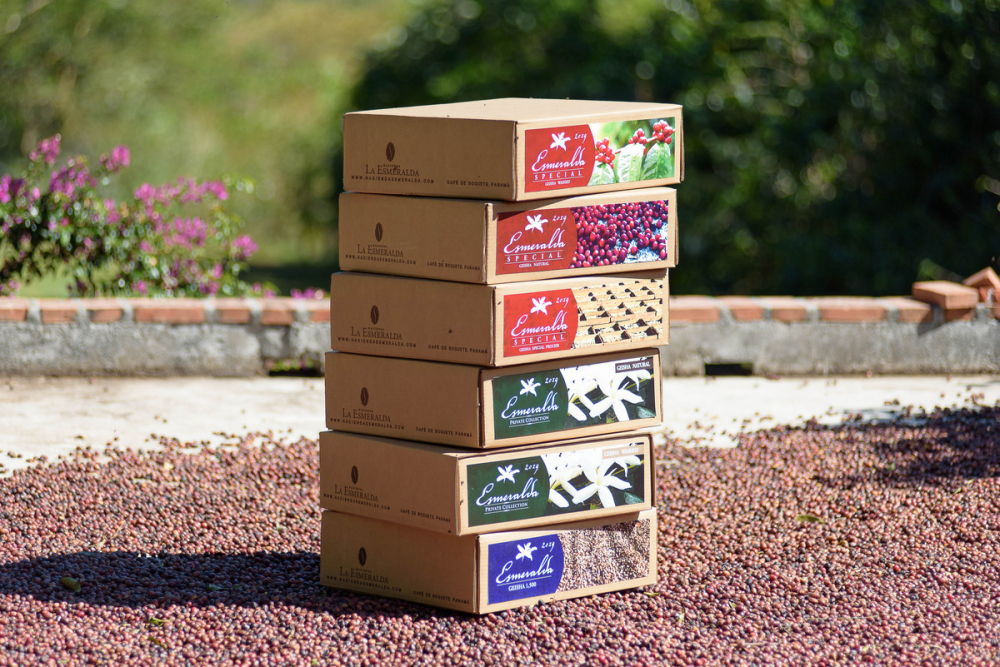
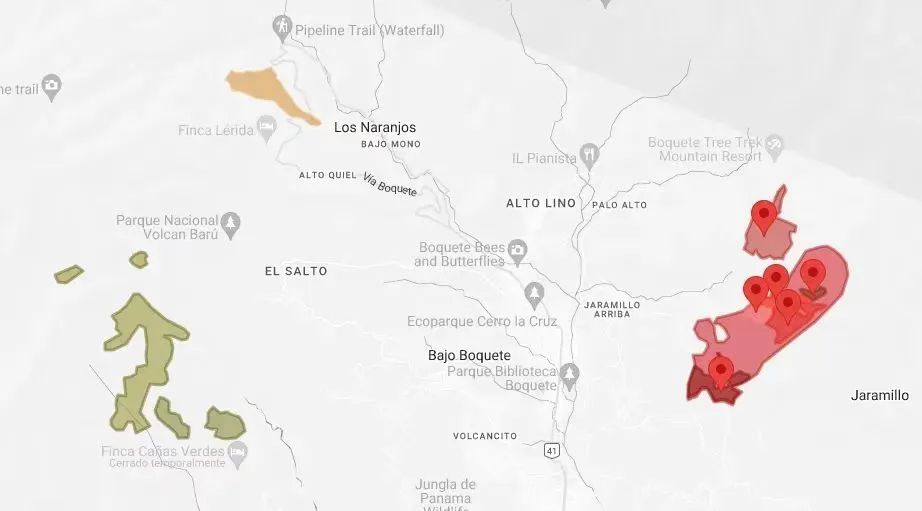
Hacienda La Esmeralda divides its coffee farms into five brands based on altitude, microclimate, and variety. Among them, Geisha corresponds to the Red Label, Green Label, and Blue Label; while the Caturra and Catuai varieties fall under the Diamond Mountain and Pamela brands. Diamond Mountain coffee is mainly grown in the Jarisuyo and Canas Verdes plots, at altitudes of approximately 1400 to 1700 metres, and holds Rainforest Alliance certification, signifying that its sustainability and environmental management meet high standards.
The Jarisuyo plot sits at 1600-1700 metres above sea level with significant day-night temperature differences and annual rainfall as high as 4000 mm; whereas Canas Verdes is slightly higher in elevation, ranging from 1600 to 1800 metres, with around 3500 mm of rainfall annually. These conditions are conducive to the Caturra and Catuai varieties expressing delicate acidity and aromatic complexity.
Characteristics of the Caturra and Catuai Varieties
Caturra is a natural mutation of Bourbon, originating in Brazil in 1937. It boasts good disease resistance and high yield potential, suitable for cultivation at altitudes between 700 and 1700 metres, often yielding better flavours at higher elevations. Its plants are relatively short, facilitating harvesting, and it doesn’t require shade trees. Catuai, on the other hand, is a hybrid developed in 1949 from Yellow Caturra and the Mundo Novo variety. It has strong resistance to wind and rain, also features compact plants suitable for dense planting, but is more prone to leaf rust. These two varieties are widely grown across Latin America and form the foundation for many specialty coffees.
At Hacienda La Esmeralda, these two varieties are cultivated in high-altitude environments, showcasing bright acidity, rich fruitiness, and good sweetness — the core flavour contributors of Diamond Mountain coffee.
Natural Processing Method: Concentrated Fruit Aroma and Fermentation Charm
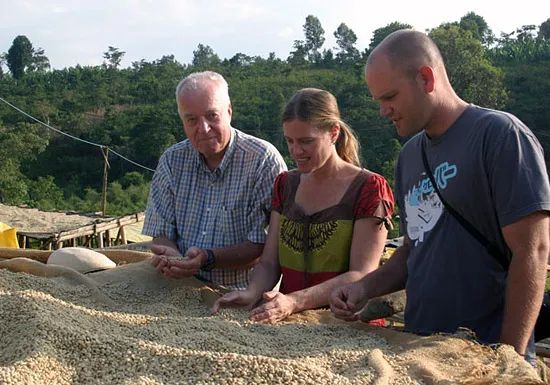
Diamond Mountain coffee employs the traditional natural processing method. After harvest, the coffee cherries are directly placed on patios or concrete platforms to dry for about 3 to 5 days, during which the beans remain inside the fruit pulp, continuously fermenting and accumulating intense fruity aromas. They are then transferred to a Guardiola dryer for 72 hours of rotary drying to ensure even moisture removal, and finally, the pulp and skin are mechanically removed. This processing method imparts the coffee with rich sweetness, fermented wine-like notes, and tones of ripe berries, while preserving a clear and bright acidity.
The Significance of Rainforest Alliance Certification
Diamond Mountain coffee holds Rainforest Alliance certification, indicating that its cultivation process meets multiple criteria for sustainable agriculture. These include reducing water pollution, minimising the use of chemical agents, maintaining biodiversity, improving the living and working conditions of farmers, and promoting the practice of environmental and social responsibility. To obtain this certification, farms must grow over a hundred types of crops and strictly comply with the standards of the Sustainable Agriculture Network — an achievement that is not easy to attain.
Roasting and Brewing Recommendations
For roasting, this coffee is recommended to be medium-light roasted to preserve its bright fruit acidity and layered aromas. Tested roasting parameters are as follows: using a Yangjia 800N semi-direct-fire roaster, charge temperature at 165°C, turning point at approximately 127°C, first crack starting at 10’48”, and dropping the batch at 191°C, with a development time of about 1’20”. The green beans appear slightly yellow with more silverskin. Caturra beans are elongated with slightly curved tips, while Catuai beans are flatter with longer, pointed ends.
For brewing, it is recommended to use a V60 filter cone, with 15 grams of coffee, water temperature at 90-91°C, a 1:15 coffee-to-water ratio, and medium-fine grind (approximately 80% through a #20 sieve). Use a three-stage extraction: start with a 30-gram bloom for 30 seconds, then pour up to 125 grams for the first pour, and finally pour up to 225 grams before removing the filter. Total brew time is about 2 minutes, fully highlighting a balanced flavour profile of citrus, honey, nuts, and subtle fermentation notes.
In summary, although not as famous as Geisha, Panama Hacienda La Esmeralda’s Diamond Mountain coffee, with its unique variety traits, high-altitude environment, and natural processing technique, delivers distinctive aromas and layers. It is highly suitable for pour over enthusiasts who enjoy bright fruit acidity and rich sweetness.
The above content is compiled by CoffeeHunters, a coffee news website.


