







Introduction:Jamaica Blue Mountain coffee is world-renowned for its unique flavor, but the market is flooded with various imitations, making it difficult for consumers to distinguish the real from the fake. This article delves into the core growing environment of Blue Mountain coffee, introduces its classic flavor profile, and guides you step-by-step on how to identify the genuine product through practical aspects such as price, certification, and aroma. It also highlights three common types of counterfeit products to help you accurately avoid purchasing pitfalls.
The reason Jamaica Blue Mountain coffee enjoys global acclaim lies not only in its exceptional geographical environment but also in its strict regional regulations and refined processing procedures. The Blue Mountains are located in the northeastern part of Jamaica, at elevations between 1200 and 1700 meters. With a cool, foggy climate year-round and fertile volcanic soil, these conditions create the distinctive richness and balance that define Blue Mountain coffee. However, precisely because of its fame, the market is rife with inferior or even completely fake "Blue Mountain coffee," leaving many consumers paying a premium without getting the true premium taste.
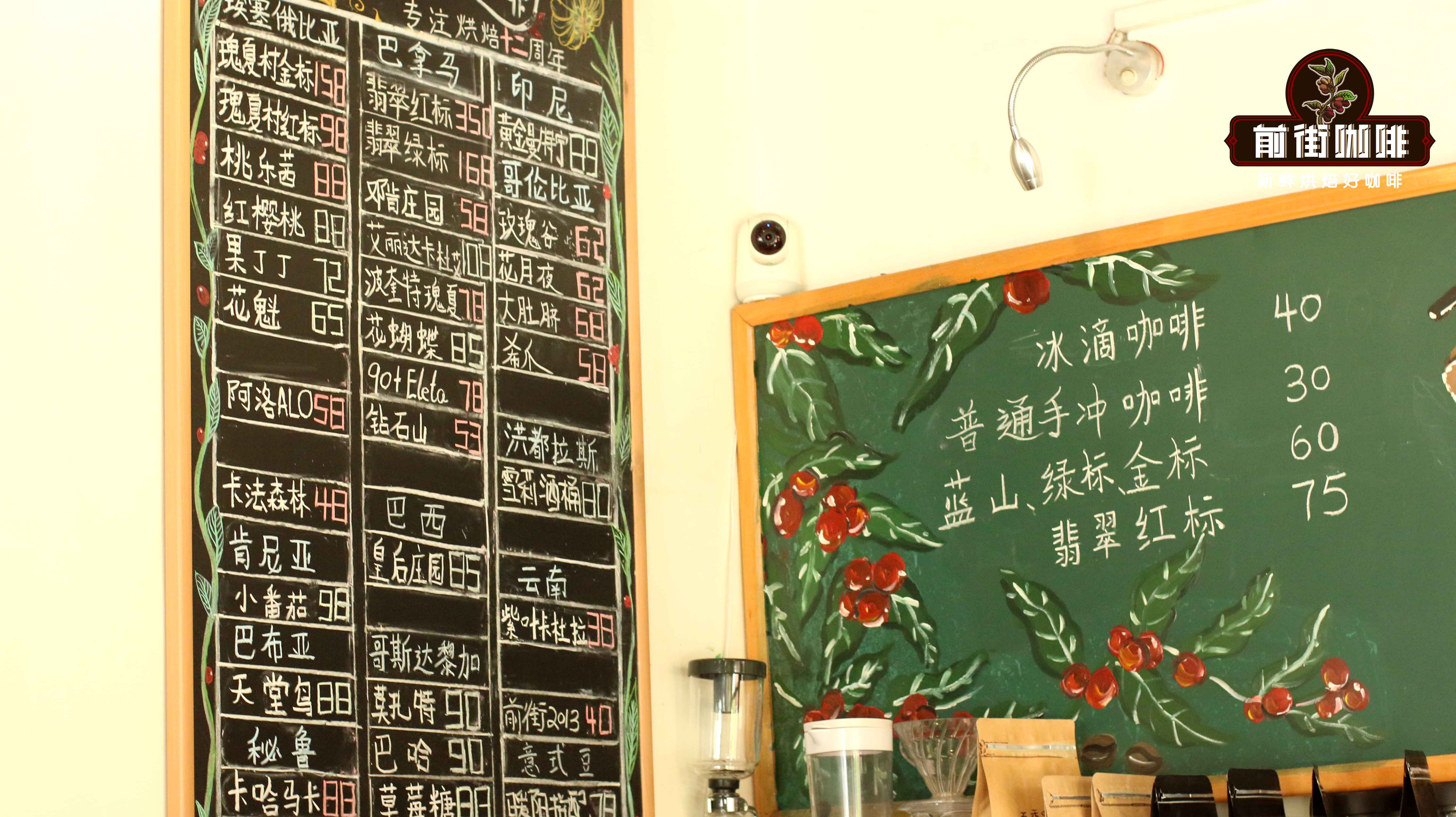
To choose a cup of Blue Mountain coffee truly worth savoring, the first priority is to understand its regional characteristics and basic market pricing. Genuine Blue Mountain coffee is produced only in the designated areas of the Jamaica Blue Mountains and is processed and exported by a very limited number of officially approved producers and exporters. The overall production volume is extremely limited, so the price cannot be excessively low. If you see "Blue Mountain coffee beans" online priced at just a few dozen yuan or even less than ten yuan per kilogram, you can almost certainly conclude that they are fake. Reasonably priced Blue Mountain coffee is about one hundred yuan per 100 grams, with slight fluctuations depending on roast level and origin, but there will never be any ultra-low-priced "special deals."
In addition to price, it is advisable to request relevant certificates when purchasing. Authentic Jamaica Blue Mountain coffee comes with a wooden barrel number for the green beans, an official sales authorization certificate issued by the licensed producer, and a Jamaica Blue Mountain coffee origin certification document. These documents not only ensure that the coffee comes from the authentic producing region but also represent that it has gone through multiple layers of quality control. It should be noted that Blue Mountain coffee is only allowed to be processed and exported by four government-approved processing plants and sixteen export companies in Jamaica. Any product that cannot provide this information should be met with high vigilance.
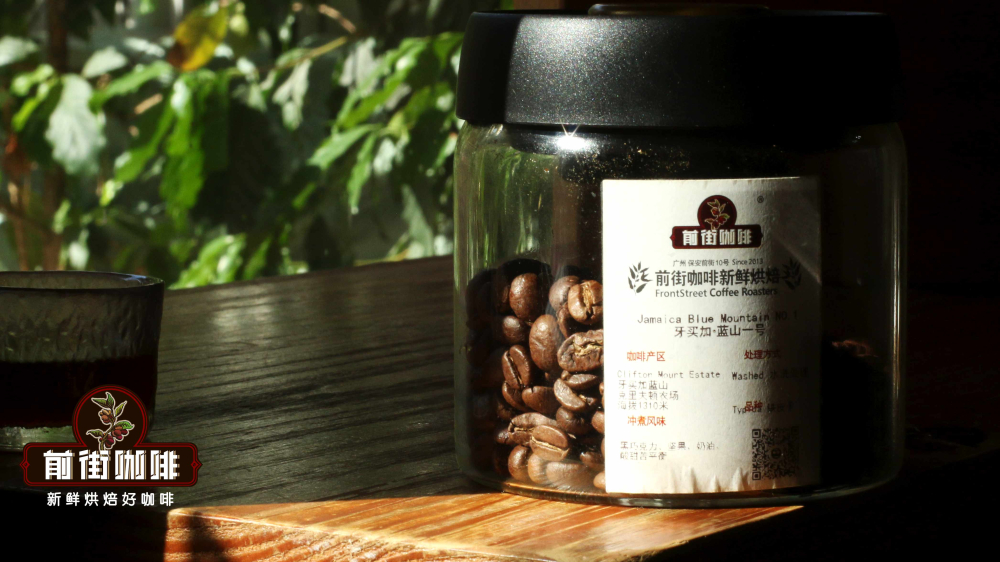
If you want to further discern through sensory evaluation, consider starting with aroma and taste. Freshly roasted authentic Blue Mountain coffee emits a rich and layered aroma of chocolate and roasted hazelnuts, a stable and enduring fragrance that is hard for dark roast blends to replicate. After brewing, its flavor profile typically includes notes of nuts, caramel, cream, and delicate chocolate, with a soft acidity, pronounced sweetness, appropriately balanced bitterness, and excellent overall balance — no single flavor dominates. This round and full-bodied mouthfeel is one of the key reasons why Blue Mountain coffee is hailed as the "King of Coffee."
Common counterfeit Blue Mountain coffee on the market can generally be divided into the following three categories. As long as you recognize their characteristics, you can effectively avoid falling into traps. The first is so-called "instant Blue Mountain coffee." Blue Mountain coffee has never been officially sold in instant form. Any product bearing this name, no matter how exquisite the packaging, has nothing to do with authentic Blue Mountain coffee and is often just a marketing gimmick used by merchants to attract attention.
The second category is products labeled as having a "Blue Mountain flavor" or being a "Blue Mountain blend." Although these coffees do not directly claim to be Blue Mountain, they often use phrases like "Blue Mountain flavor" or "Blue Mountain-toned blend" to create an association. In reality, they are simply coffees blended with dark roast beans or beans from other regions to mimic a similar flavor. While such products may have a certain level of quality, they can absolutely not be equated with genuine Blue Mountain coffee.
Lastly, be wary of options with obviously unreasonable prices. Given current market conditions, even cost-effective Blue Mountain coffee cannot be priced as low as a few dozen yuan per kilogram. If you encounter such ultra-low-priced products, it is advisable for consumers to directly question their origin and authenticity, as the production and transportation costs of genuine Blue Mountain coffee determine that its price cannot be this low. Seeking cheap deals often leads only to disappointing drinking experiences.
In summary, to truly appreciate the charm of authentic Jamaica Blue Mountain coffee, it is essential not only to understand its regional background and flavor characteristics but also to exercise more rationality and judgment when purchasing. From price and certification to aroma and taste, every aspect is a key to identifying authenticity. Only with full understanding can you find your perfect cup of classic Blue Mountain among the many choices.
The above content is compiled by CoffeeHunters, a coffee news website.


