







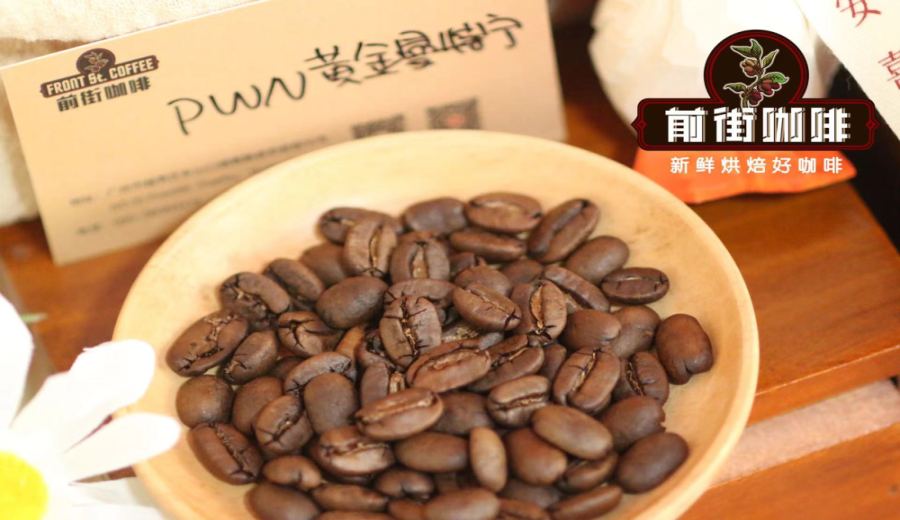
Introduction:Want to understand the allure and selection tips of Indonesian Golden Mandheling? This article delves into the key steps of the Sumatran wet-hulled processing method, introducing you to the regional characteristics, variety traits, and flavor differences of Grade G1 Golden Mandheling compared to regular Lintong Mandheling. From roasting performance to pour over and espresso applications, we provide practical references to help you find the most suitable premium Indonesian coffee.
Indonesian Golden Mandheling is one of the representatives of Sumatran coffee, celebrated for its unique wet-hulled processing that delivers a rich, smooth cup with bright and sweet notes. This coffee is not only highly popular in the specialty coffee scene but also stands out as a top choice for many coffee enthusiasts trying Indonesian beans due to its distinctive processing technique and regional conditions. This article will detail the wet-hulling process, the grading standards of Golden Mandheling, and how roasting and brewing methods can bring out its most captivating flavors.
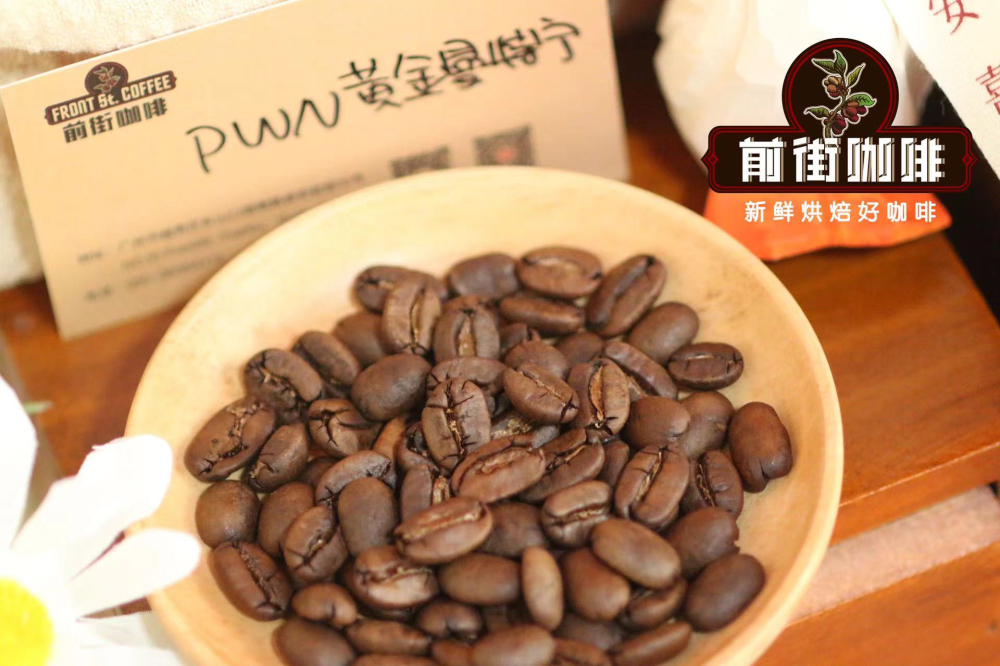
For specialty coffee lovers, PWN Golden Mandheling is a high-quality option not to be missed. These beans from Sumatra, roasted to a medium-dark level, release intense caramel and spice aromas. Compared to regular Lintong Mandheling, PWN Golden Mandheling offers a cleaner mouthfeel, with almost none of the common earthy or woody off-notes, instead highlighting a balanced expression of sweetness and fruity acidity. Whether you opt for a light roast to emphasize acidity or a medium-dark roast to enhance body, this bean adapts exceptionally well, giving roasters ample room for creativity.
In contrast, Lintong Mandheling also uses the wet-hulled method, but because the mucilage layer is removed before drying, it generally has less pronounced fruit acidity and a thicker, denser mouthfeel. This difference makes the two beans suitable for different flavor extraction preferences, allowing consumers to choose based on their personal taste.
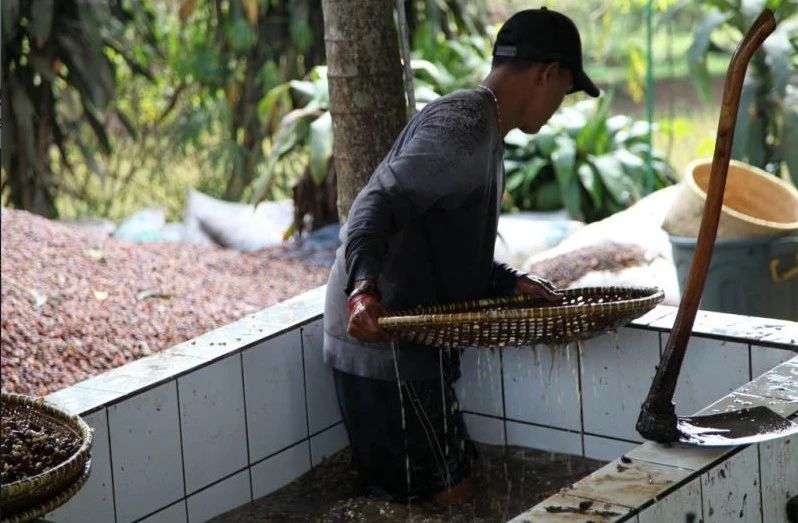
The so-called wet-hulled process is an efficient method developed by Sumatran coffee farmers to adapt to the region’s high humidity. Compared to traditional washed or natural processing, wet hulling allows for stable coffee processing in a humid environment while imparting unique flavors and textures. Its basic steps include: first removing the coffee cherry’s skin and pulp, leaving the parchment and mucilage; then fermenting in water tanks before washing the mucilage clean; subsequently sun-drying with the parchment for 2 to 3 days to reduce moisture content to 20–24%; afterward hulling off the parchment and continuing to dry to around 12–13% moisture, before final preparations for export. This technique not only shortens the drying time but also creates the thick body and bold aroma characteristic of Mandheling coffee.
If you’re seeking a top-tier Indonesian coffee experience, PWN Golden Mandheling is definitely worth exploring in depth. As Indonesia’s officially certified highest-grade G1 coffee, these beans come from a renowned Sumatran region and are strictly controlled in production by the brand’s company. Each 300g sample batch contains fewer than 3 defective beans, with large and uniform bean size, fully demonstrating the excellence of the G1 grade. During selection, the company first uses machines to sieve out high-density, intact green beans, followed by three rounds of manual hand-picking to ensure every bean meets high standards, thereby enhancing cleanliness and sweetness in the final brew.
How can you confirm that the Golden Mandheling you purchased is genuinely from PWN? Usually, the official sack will clearly display the company logo and come with an official factory certificate. When purchasing, it’s recommended to carefully inspect the packaging and related documents to ensure a reliable source. In physical stores, these packages and certificates can be seen firsthand, providing extra assurance.
The producing region of PWN Golden Mandheling is located in Sumatra, at an altitude of about 1100 to 1600 meters, with the Ateng variety. Processed using the wet-hulled method, this coffee delivers a rich and bold taste, coupled with a sweet and aromatic profile. Roasted beans are usually larger in size, exuding unique caramel and herbal aromas, making it highly suitable for coffee enthusiasts who enjoy intense flavors. Whether used for single-origin pour over or incorporated into espresso blends, it showcases its diverse charm. Many classic espresso blend recipes include Mandheling to add a bold base and rich layers, making it suitable for both home and commercial use.
The above content is compiled by CoffeeHunters, a coffee news website.


