







Category: Coffee Knowledge
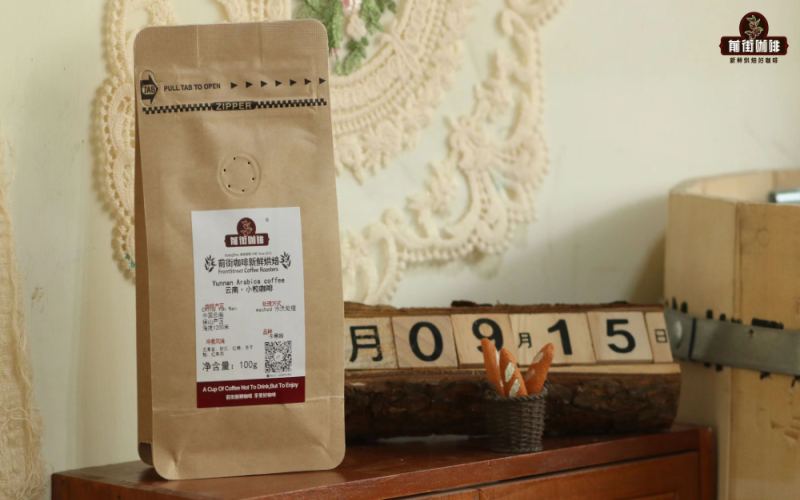
How to Choose Yunnan Small-Bean Coffee? A Complete Guide to Washed Processing, Pour Over Parameters & Flavor Profiles
Want to learn about high-value small-bean coffee from Yunnan, China? This article delves into the evolution of the Yunnan Catimor variety, analyzes the clean taste and balanced flavors brought by washed processing, and provides actual flavor profiles and professional pour over recommendations for two popular Yunnan beans. Whether you're a beginner or a connoisseur, you'll find a brewing method that suits you. [more…]

How to Brew Kenyan K72 Washed Coffee Beans? A Complete Guide to Tomato-like Flavors & Pour Over Parameters
Kenyan coffee is renowned for its bright acidity and layered complexity, with the K72 washed process being key to its clean and vibrant flavor profile. This article delves into the characteristics of Kenyan coffee regions, the grading system, and the smallholder farming cooperation model, while focusing on the “Little Tomato” coffee from the Asali Factory in the Thika region. We’ll explore its dark plum acidity and fruity notes reminiscent of cherry tomatoes. Practical tips are also provided, including filter choices, water temperature control, and grind size judgment for a three-pour pour over, helping you brew the perfect cup. [more…]
Recommended Light Roast Floral Coffee Beans | Flavor Analysis of 8 Pour Over Beans for Beginners and Entry-Level Enthusiasts
Floral and fruity aromas serve as the gateway for many into the world of specialty coffee, and light to medium-light roasted beans are the representatives of such flavors. Compared to the boldness and bitterness of dark roasts, these coffees stand out with their gentle and refreshing acidity, delicate floral notes, and fruity aromas—making them especially suitable for those who dislike bitterness, prefer tea-like beverages, or are just starting out with pour over brewing. This article will delve into which groups are best suited to enjoy these beans and carefully select eight commonly available, flavor-packed bagged pour over beans on the market. [more…]
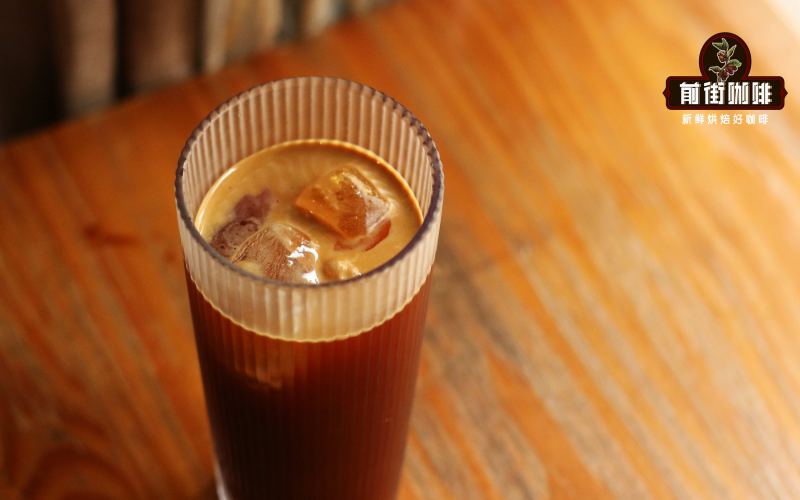
Pour Over Americano Guide: The Ultimate Breakdown of Ice-to-Hot Ratio, Cup Capacity & Crema Flavor
Although an Americano is simply made with espresso and water, it serves as a key benchmark for evaluating a barista’s fundamental skills. This article delves into the extraction parameters for both hot and iced Americanos, the ideal coffee-to-water ratios, suitable cup capacities, and explores how removing coffee crema affects flavor in practice. Whether you're a beginner coffee enthusiast or a hobbyist aiming to refine your technique, you’ll find practical operational tips and reference guidelines here. [more…]
How to Make Hot and Iced Americanos: A Complete Guide from Extraction Parameters to Ratios and Flavor
Although an Americano is simply made of espresso and water, it serves as a fundamental test of extraction skills. Learn how to create a balanced hot or iced Americano by adjusting extraction parameters, coffee-to-water ratios, and ice configurations. This article delves into the impact of crema, cup capacity selection, and provides practical ratio suggestions to help you brew professional-level Americanos consistently at home. [more…]
The Ultimate Guide to Pour Over Water Temperature for Kenyan Coffee: Mastering Juicy Flavor and Extraction
Kenyan coffee is renowned for its bright acidity and rich berry flavors, yet many home brewers often struggle with over-extraction or flat-tasting cups. This article dives deep into how to precisely control water temperature to bring out the signature “juicy tomato-like” character of Kenyan beans. Covering everything from processing methods and roast levels to practical brewing parameters, this comprehensive pour over guide will help you consistently extract a specialty coffee that balances vibrant acidity with a full, lush mouthfeel. [more…]
How to distinguish between Yirgacheffe G1 and G2? A complete guide to Ethiopian coffee bean grading and processing methods
Yirgacheffe in Ethiopia is famous for its floral and fruity aromas, but do you know what sets apart the G1 and G2 grades of coffee beans? This article delves deep into the evolution of Ethiopia’s coffee grading system — from physical characteristics and cupping standards to defect rate comparisons — helping you understand the key differences between washed and natural processing. With actual cupping data, it also assists you in choosing the right Yirgacheffe coffee beans for your taste. [more…]
Complete Guide to Finca El Valle Geisha: From Variety Origins to Red, Green & Blue Label Pour Over Parameters and Flavor Analysis
This article provides an in-depth analysis of the variety history, growing environment requirements, and differences between the Boquete and Volcán regions of Panama’s Finca El Valle Geisha. It also details the grading logic behind the Red Label, Green Label, and Blue Label. Additionally, it offers professional pour over recommendations for the Finca El Valle Red Label Natural Geisha, including water temperature, grind size, coffee-to-water ratio, and a three-stage extraction process, helping coffee enthusiasts fully master the brewing techniques and flavor characteristics of this top-tier bean. [more…]
A Complete Guide to Panama Geisha from Finca El Velo: From Grading to Moka Pot Brewing – Master Flavor and Techniques
The Geisha coffee from Panama’s Finca El Velo has become a standout in the specialty coffee world, thanks to its distinctive flavors and rigorous grading system. This article delves into the definitions of Red Label, Green Label, and Blue Label, regional differences, and cupping characteristics. It also provides a detailed guide on how to brew balanced Geisha coffee using a moka pot. Whether you’re a beginner or a coffee enthusiast, you’ll find practical insights for tasting and brewing. [more…]
How to Brew Geisha Coffee? A Complete Guide to Optimal Water Temperature, Coffee-to-Water Ratio, and Pour Over Techniques
Want to fully experience the floral and fruity aromas and complex layers of Geisha coffee? Mastering the right brewing temperature, drinking temperature, and grind size is key. This article takes an in-depth look at the characteristics of the Red Label, Green Label from Finca El Velo, and Geisha from the Boquete region, and provides practical V60 pour over parameters and a three-stage extraction process to teach you how to brew a cup of top-tier Geisha with distinct flavors at home. [more…]
Complete Guide to Colombian Coffee Bean Regions, Processing Methods & Pour Over Parameters
An in-depth analysis of the diverse regional characteristics of Colombian coffee beans, common processing techniques, and pour over recommendations. From Huila and Vera to Cauca, discover how varying altitudes and microclimates influence flavor profiles. This guide compiles practical pour over parameters and grind size settings, while explaining the features of mainstream processing methods such as washed and natural. Master the selection and brewing tips for Colombia’s specialty beans. [more…]
Panama Aurora Geisha Pour Over Guide: Exploring Sun-Dried Processing and 91°C Brewing Parameters
Delve into the unique flavor profile and precise pour over techniques of the Panama Aurora Estate sun-dried Geisha, from its BOP competition background and high-altitude growing environment to the details of a three-stage pouring method. Learn how to highlight layers of white floral notes, berry acidity, and honey sweetness using a 91°C water temperature and a 1:15 coffee-to-water ratio. This guide offers professional-grade brewing parameter recommendations and shares key insights on the resting period to help coffee enthusiasts fully unlock the potential of Geisha. [more…]
Flavor Profile and Best Pour Over Parameters for Ethiopian Guji G1 Natural Coffee Beans
Guji is a specialty coffee region in Ethiopia that has rapidly risen to prominence in recent years. The G1 natural-grade coffee beans from the Hambella sub-region, especially the renowned Huila series, are beloved by coffee enthusiasts worldwide for their distinctive floral and fruity notes. This article will delve into the development background of the Guji region, the characteristics of farms in Hambella, as well as the flavor evolution and pour over recommendations for the Huila series — helping you master the brewing techniques for this popular coffee bean. [more…]
Ethiopia Sidamo Huakui 6.0 Natural Process Beans: A Complete Guide to Flavor Profile and Pour Over Parameters
An in-depth exploration of the Huakui 6.0 Natural Process coffee beans from Ethiopia’s Sidamo region, particularly the rare Guji-Hambela area. This guide covers the terroir, processing method, and flavor profile, analyzing how this highly regarded specialty coffee showcases tropical fruits and rich complexity through natural drying. It also provides practical pour over recommendations and reference flavors to help coffee enthusiasts fully experience the unique charm of the Huakui series. [more…]
How to choose Brazilian Yellow Bourbon coffee beans? A comprehensive guide to flavor, processing methods, and beginner-friendly pour over tips
Want to understand the flavor characteristics and processing techniques of Brazilian Yellow Bourbon coffee beans? This article provides an in-depth analysis of the origin background, roasting suitability, and brewing parameters of this classic coffee bean, helping both beginners and advanced enthusiasts grasp its unique charm. Whether you're using a pour over or blending, this guide offers practical references. [more…]
Ethiopia Natural Yirgacheffe Aricha G1: Flavor Profile, Region Story & Washed Comparison
This article delves into the Natural Process G1 grade coffee beans from the Yirgacheffe region of Ethiopia — Aricha — analyzing its unique fruity and honey-sweet flavors and the geographical background of the producing region. It also compares it with the commonly seen washed process Blue Nile G1, allowing readers to fully understand the charm of natural-process Yirgacheffe. From historical evolution, processing differences, to actual brewing experiences, grasp the key knowledge all in one go. [more…]
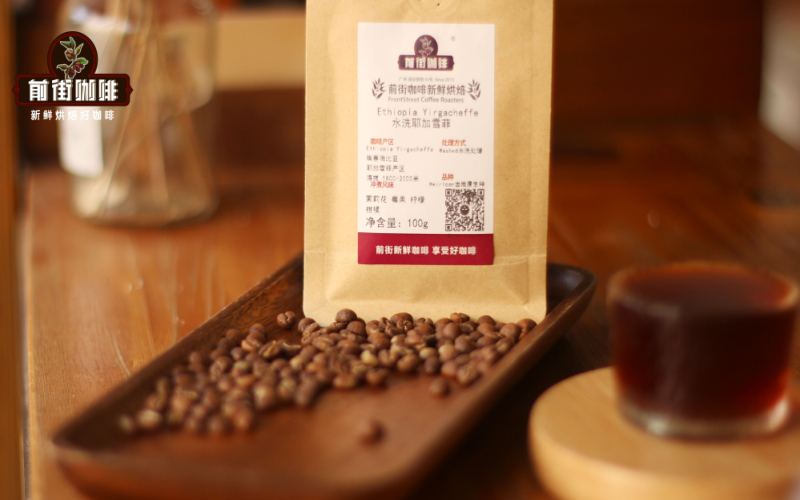
The Complete Guide to Yirgacheffe Coffee: From Washed to Red Cherry Processing, Bean Selection & Pour Over Tips
As Ethiopia’s most iconic specialty coffee region, Yirgacheffe is beloved by coffee enthusiasts worldwide for its distinctive floral and fruity aromas, as well as its bright acidity. This article delves into the region’s geographical conditions and the characteristics of its native coffee varieties, provides a detailed comparison of washed and natural processing methods, and explores how the Red Cherry Project enhances coffee quality. It also offers flavor profiles and V60 pour over recommendations for three practical bean selections—making it your essential beginner’s guide to understanding and enjoying Yirgacheffe. [more…]

Indonesian Golden Mandheling Pour Over Guide: A Complete Breakdown of Wet-Hulled Processing, Varietal Details & Brewing Parameters
Renowned for its rich body and captivating spicy, herbal aroma, Indonesian Golden Mandheling owes its distinctive profile to wet-hulled processing and rigorous quality control. This guide delves into its regional characteristics, processing methods, and varietal background, while offering expert pour over recommendations—including Kono filter choice, grind size settings, and a three-stage pouring technique—to help you brew this classic Mandheling with notes of dark chocolate, caramel, and nuts at home. [more…]
A Complete Guide to the Flavors, Processing, and Roasting of Ethiopian Natural Yirgacheffe G1
This article provides an in-depth analysis of the unique flavor profile, optimal roast level, and brewing recommendations for the Ethiopian Yirgacheffe Aricha G1 natural-processed beans. It also compares them with the washed version, Blue Nile G1, helping you master the selection and extraction techniques for this classic origin bean and elevate your coffee tasting experience. [more…]
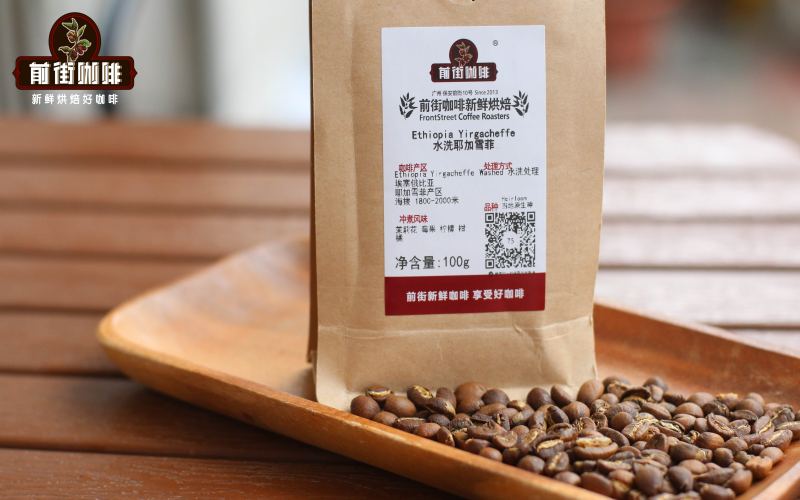
Analysis of the Jasmine Aroma in Yirgacheffe and Pour Over Guide for Floral & Fruity Beans
Yirgacheffe is renowned for its captivating jasmine fragrance and lemony acidity, making it the gateway coffee for many entering the specialty coffee scene. But do you know where the floral notes in coffee come from? Which processing methods and regions are more likely to produce fruity and floral profiles? This article delves into the origins of coffee’s floral aromas, common types of floral expressions, and explores how origin and roasting influence aroma. It also provides practical pour over parameters for washed Yirgacheffe, helping you accurately distinguish between white floral, rose, and chamomile notes. [more…]