







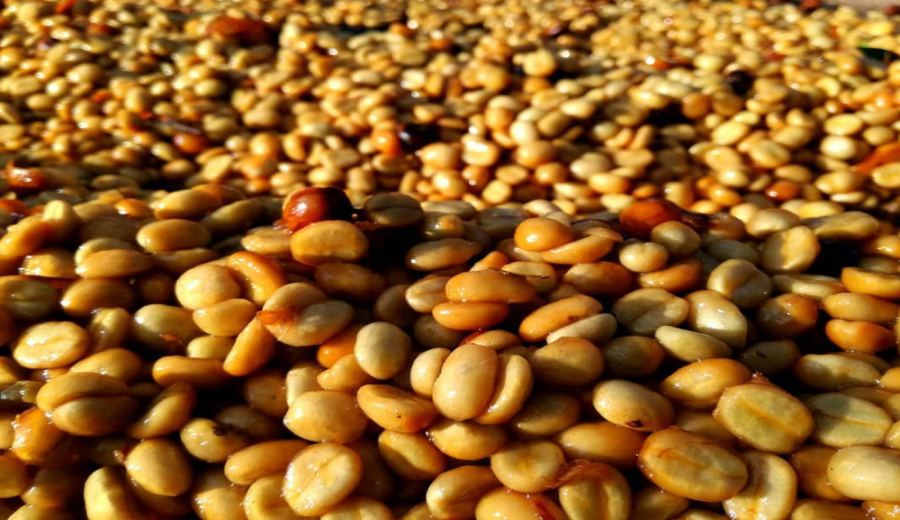
Introduction:The Tarrazú region of Costa Rica is renowned for producing high-quality Arabica coffee beans. Its washed processing method imparts a bright acidity and a refreshing sweetness. This article delves into the geographical advantages of the Tarrazú region, the SHB grade standard, and the impact of washed processing on flavor, while also exploring how medium-light roasting brings out delicate notes such as sweet orange, nuts, and subtle floral aromas—perfect for readers who want to gain a deeper understanding of Costa Rican coffee.
Costa Rica stands out among Central American coffee-growing regions, with Tarrazú being one of the world’s most famous specialty coffee origins. The beans produced here are known for their pure, clean sweetness and captivating aroma, making them especially appealing to pour over enthusiasts who enjoy bright acidity and high sweetness. All coffee in the country is of the Arabica variety and is processed using the washed method, which contributes to its distinctive fresh taste.
Costa Rica’s coffee cultivation history dates back to 1729 when coffee seedlings were introduced from Cuba. Thanks to the country’s rich volcanic soil and suitable altitude, coffee trees here enjoy exceptionally favorable growing conditions. Notably, the region achieves a yield of up to 1,700 kilograms per hectare, making it one of the most efficient coffee-producing areas in the world. Coffee and bananas are Costa Rica’s two main export crops, both with long cultivation histories and mature techniques.
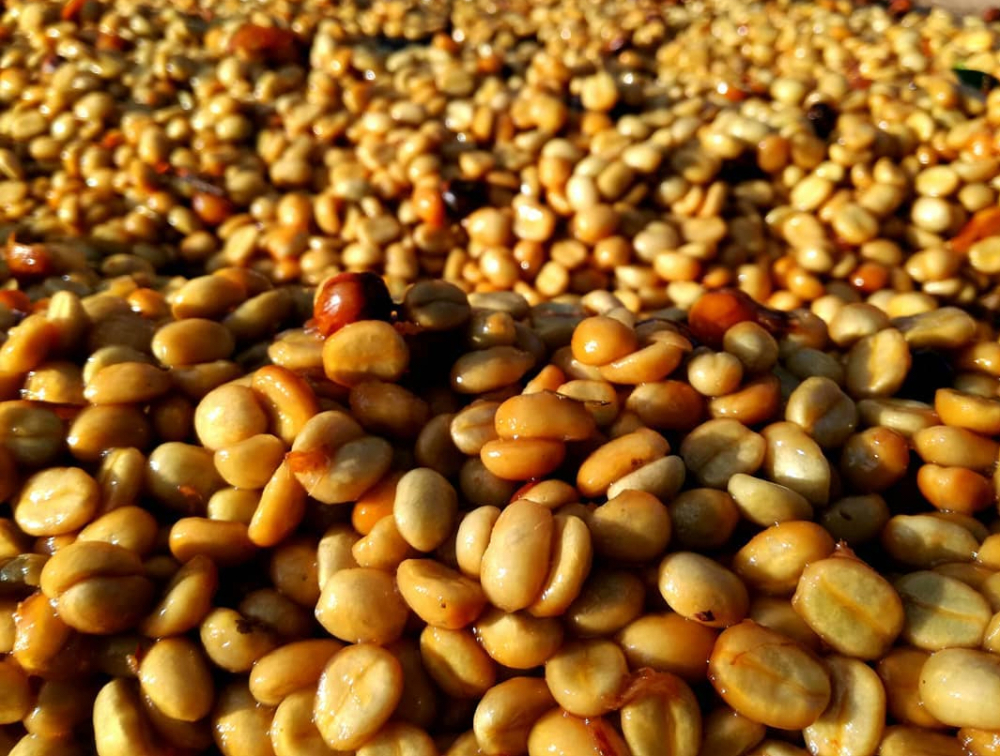
What makes Tarrazú coffee unique lies in its “Strictly Hard Bean” (SHB) grade standard. This indicates that the coffee cherries mature at elevations above 1,200 meters, where the longer growing cycle results in denser beans with more concentrated flavors. SHB-grade coffee typically features a more pronounced acidity, rich sweetness, and a long-lasting aftertaste. Additionally, Costa Rican law mandates that coffee processing must be completed within the production region, ensuring consistent quality.
In terms of processing methods, Costa Rica almost exclusively uses the washed process (Washed Process). This method removes the pulp and mucilage, retaining only the coffee seeds, thereby highlighting the intrinsic flavor characteristics of the coffee. Washed-process coffee generally exhibits bright acidity, with a clarity akin to wind chimes—gentle acidity without harshness and outstanding sweetness. Even as the coffee cools, its flavor layers remain distinct, an advantage that many other processing methods struggle to match.
For readers looking to experience the flavors of Tarrazú, medium-light roasted beans are recommended. This level of roasting preserves the beans’ original fruity acidity and floral-fruity notes, often showcasing such flavors as the freshness of sweet orange, the richness of nuts, and the subtlety of floral aromas. These characteristics make Costa Rican coffee a top choice for many pour over lovers, particularly when brewed with tools like the V60 or Kalita Wave.
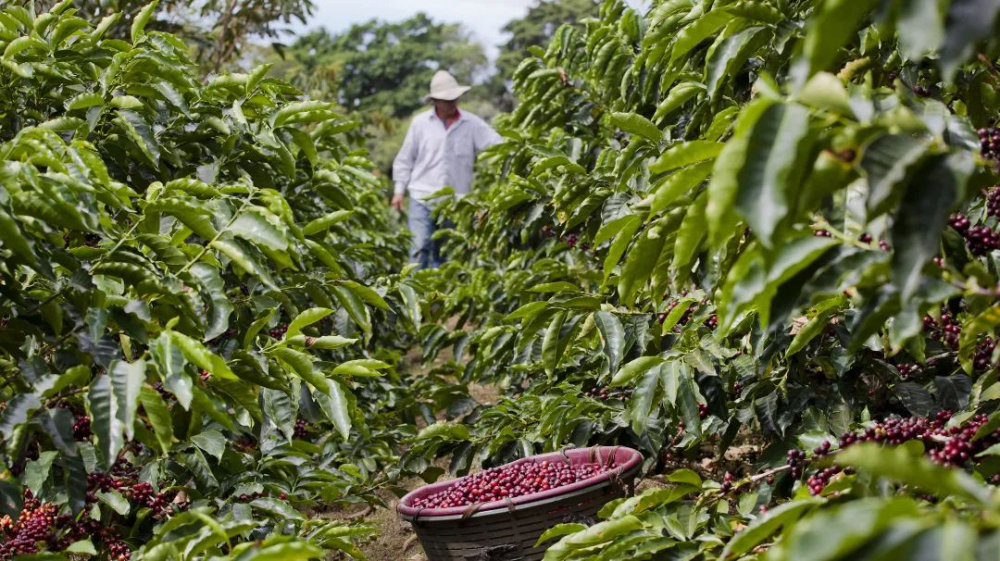
If you wish to further explore the charm of the Tarrazú region, look for coffee beans labeled as “SHB grade” and processed with the “washed method.” When brewing, it is recommended to use medium-light roasted beans with a medium-fine grind (similar in size to white sugar granules), and water temperature controlled between 90-93°C. For pour over, a 2:1 coffee-to-water ratio can be used—such as 15 grams of coffee grounds with 225 milliliters of water—divided into three pours to fully extract the flavors. Such parameters help balance acidity and sweetness, enriching the coffee’s layered profile.
In summary, the coffee from Costa Rica’s Tarrazú region owes its distinctive fresh, bright, and sweet flavor profile to its unique geographical conditions, stringent grade standards, and refined washed processing techniques. Whether you’re a beginner or a seasoned coffee enthusiast, you’re sure to discover a delightful taste experience here.
The above content is compiled by CoffeeHunters, a coffee news website.


