







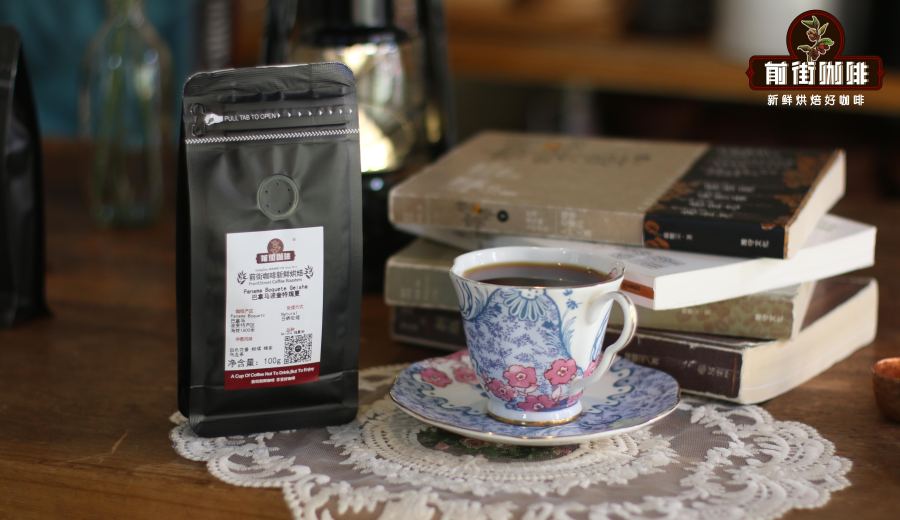
Introduction:Want to experience the unique flavors of Geisha coffee but deterred by its high price? The washed Geisha from Panama’s Boquete region offers a relatively more affordable option, showcasing bright citrus acidity, white floral notes, and a honey-like finish — making it an excellent entry point into the world of Geisha. This article delves into the variety’s characteristics, the growing environment of the region, details of the processing method, and provides practical V60 three-stage pour over parameters to help you fully unlock the potential of this medium-light roasted bean.
When it comes to Geisha, many people immediately think of that sky-high priced flagship bean from Panama’s Hacienda Esmeralda. Its captivating flavors and jaw-dropping price often put coffee enthusiasts off. But in reality, you don’t have to spend a fortune to enjoy the distinctive charm of Geisha. In the selection list of 咖啡狩人 (CoffeeV), there’s a washed Geisha from Boquete, Panama — the birthplace of this variety. It retains the most iconic citrus and honey notes of the cultivar, yet comes at a more accessible price, making it perfect for coffee lovers looking to explore the world of Geisha.
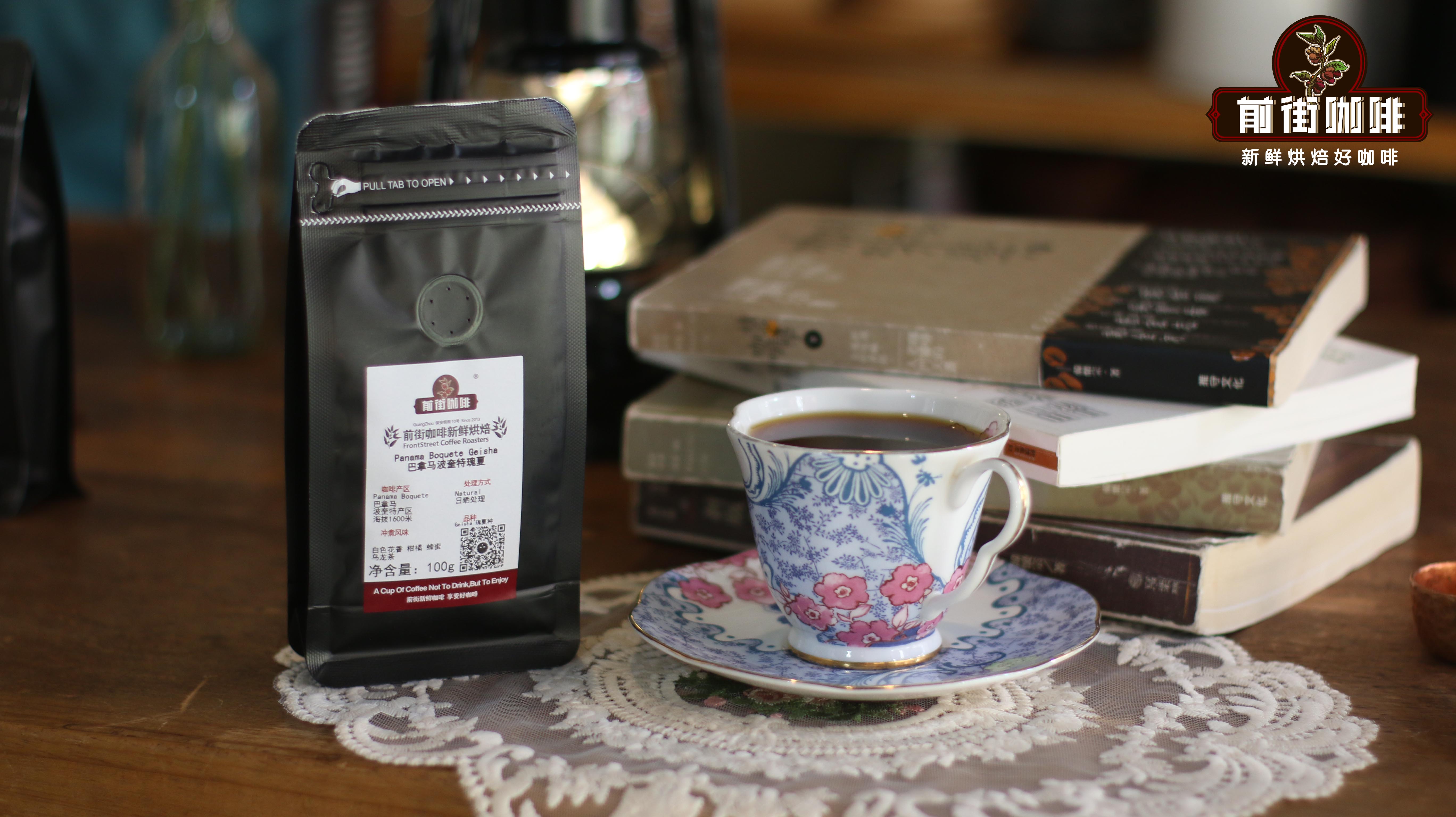 What makes the Geisha variety so special is its extreme pickiness when it comes to growing conditions. Compared to other common Arabica varieties, Geisha not only yields less but is also more delicate. It requires high altitudes, fertile and well-drained soil, and thrives in environments with cloud cover or shade protection — it cannot withstand intense direct sunlight. Additionally, Geisha has thinner leaves, resulting in lower photosynthesis efficiency than other varieties, and its shallow root system absorbs water and nutrients more slowly, all of which contribute to its generally low yield. At high altitudes, the fruit takes even longer to ripen, but this also allows it to accumulate richer flavor compounds. Generally speaking, a single Geisha coffee tree produces only about half the yield of a Catuaí tree, and this scarcity contributes to its premium market positioning.
Panama is located in Central America, right at the connection between North and South America, bordering Costa Rica and Colombia. The country’s achievements in the coffee industry are, to some extent, closely tied to the construction of the Panama Canal. The canal is not only a vital transportation hub but was also under long-term U.S. control, attracting a large number of American elites who relocated southward. They brought not only capital and technology but also promoted the development of high-end agriculture and specialty coffee. Many founders of renowned coffee farms originally worked in fields such as finance and engineering. They introduced meticulous management practices to coffee cultivation and post-harvest processing — for example, planting by altitude zones, strictly controlling harvest ripeness, and adopting high-standard processing procedures. As a result, Panamanian coffee quickly gained international recognition.
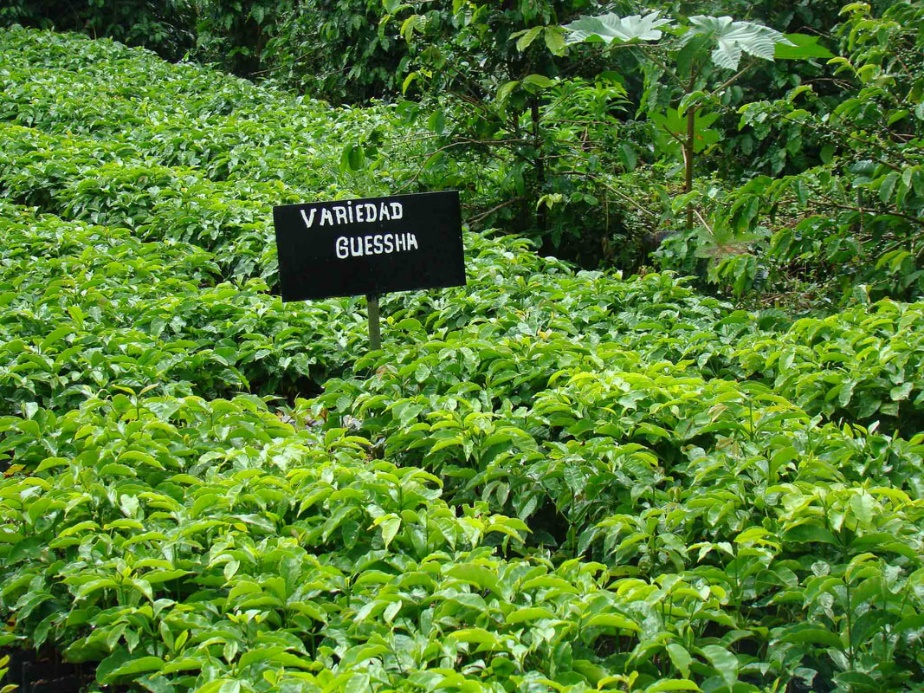 Focusing on the Boquete region, this small town in Panama’s Chiriquí Province is situated on the eastern plateau of the Barú Volcano, at altitudes ranging from 1,000 to 2,000 meters. The area is nourished by the warm, humid trade winds from the Caribbean Sea on one side and indirectly influenced by the cold currents of the Atlantic Ocean on the other. With steep terrain, cool climate, year-round mist cover, and abundant rainfall, it forms a rich microclimate environment. The Barú Volcano Park is an ecological reserve with extremely high biodiversity, giving rise to unique soil and microclimatic conditions that provide an ideal growing environment for Geisha coffee. The Geisha grown here, having absorbed the essence of diverse natural elements, often exhibits complex floral and fruity aromas along with bright and varied acidity, frequently earning top awards in international coffee competitions. Although Geisha has been introduced to various parts of the world, differences in terroir mean that even with the same variety, regional flavors can vary greatly. It is believed that Panama, as the birthplace of Geisha, with its mature cultivation and post-processing techniques, still maintains a very high quality standard for its Geisha. This Boquete washed Geisha, in particular, highlights the unique "terroir flavor" of this major producing region.
The washed processing method is one of the more traditional yet highly stable methods among green bean processing techniques. Not only does it effectively enhance the cleanliness of the coffee, but it also helps to highlight the fresh and layered flavor profile inherent to the Geisha variety. In the roasting practice of 咖啡狩人 (CoffeeV), this Boquete washed Geisha displays bright white floral notes, lively citrus and lemon acidity, and a finish with hints of soft sweetness from green tea and honey — the overall performance is quite delicate. During the washed process, coffee farmers first sort the ripe coffee cherries, then use a pulper to remove the outer skin and pulp. The beans, still coated with mucilage, are then soaked in water for about 24 hours of fermentation, a step that helps break down the remaining slippery mucilage. After fermentation, the beans are thoroughly washed in flowing water channels to remove all residues, followed by moderate sun drying or the use of a dryer to bring the moisture content down to around 12%. Finally, the outermost parchment layer is removed to complete the process.
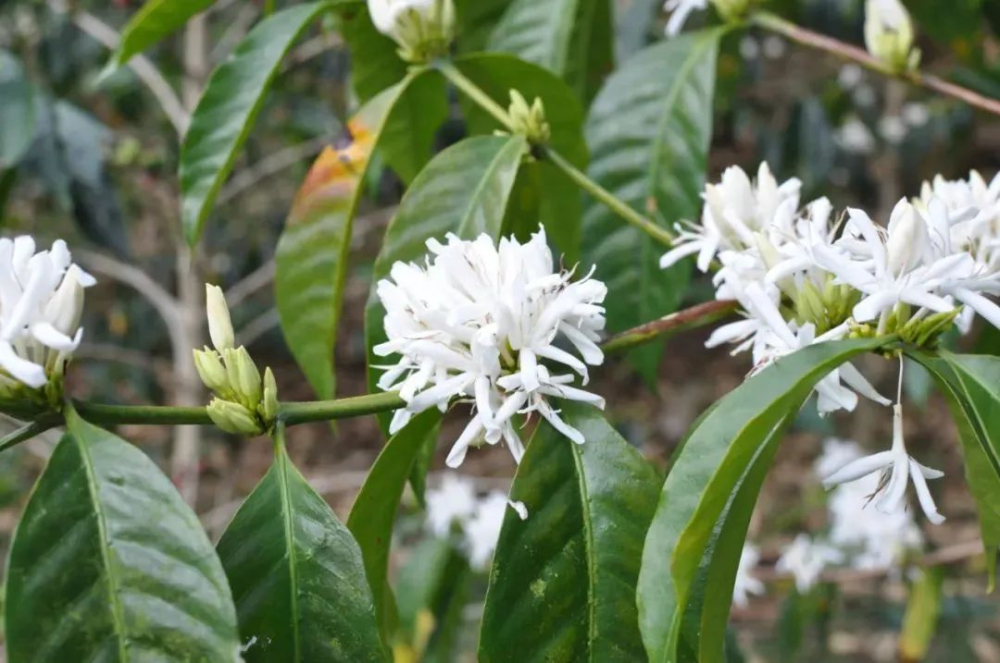 The flavor profile of Geisha is known for its delicate floral notes and complex fruit tones. To preserve these precious acidity and aromatic qualities, the roasters at 咖啡狩人 (CoffeeV) chose a medium-light roast for this Boquete Geisha. This roast level retains the hard texture of high-altitude beans while avoiding the overdevelopment of intense caramel or chocolate tones, allowing the acidity and aroma to fully shine. However, medium-light roasted beans require a slightly higher extraction rate to release their full range of flavors. For this reason, it is recommended to use a higher water temperature and a slightly finer grind to elicit more aromatic compounds; additionally, adjusting the coffee-to-water ratio appropriately can enhance flavor clarity — here, a 1:16 ratio is recommended.
To fully experience the charm of this Boquete Geisha, pour over brewing is one of the best methods to highlight its nuances. It is recommended to use a V60 dripper with the following parameters: water temperature controlled at 91–92°C, coffee dosage around 15 grams, grind size similar to fine sugar (recommended to use a #20 sieve to achieve about 80% pass rate), and a coffee-to-water ratio set at 1:16. The specific operation can follow the classic three-stage extraction method: First, fold the filter paper properly and place it in the dripper. Wet the filter paper with a small amount of hot water to preheat the equipment, then discard the preheating water. Next, place the coffee grounds in the center of the filter and gently tap to level the bed. The first stage involves pouring about 30 grams of water for the bloom, lasting around 30 seconds to help awaken the coffee grounds. The second stage consists of steadily pouring in a circular motion up to about 125 grams, ensuring even water flow and avoiding directly hitting the center of the coffee bed. When the water level drops halfway, proceed to the final pour, reaching a total of 225 grams, with the overall extraction time ideally kept around 2 minutes.
After brewing with the pour over method, this Panama Boquete washed Geisha typically presents clear acidity notes of citrus, lemon, and bergamot. It feels smooth on the palate, with a creamy-like delicacy, and the finish offers a gentle sweetness reminiscent of green tea and honey. The overall profile is very balanced and layered. It’s important to note that the freshness of the coffee beans after roasting greatly impacts flavor expression. It is recommended to choose beans roasted within 5 days for the optimal tasting experience. Proper storage and brewing within the freshness window will allow you to fully appreciate the delicate and profound qualities of this Boquete Geisha.
The above content is compiled by CoffeeHunters, a coffee news website.


