







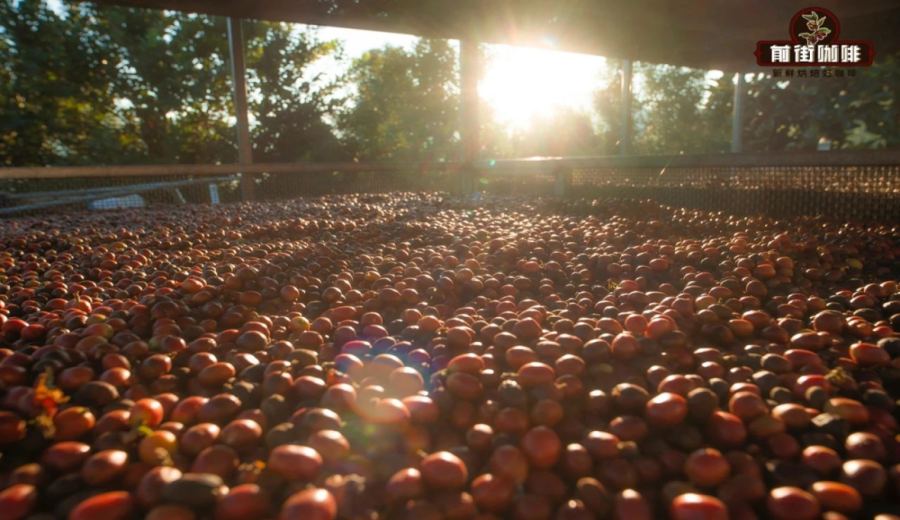
Introduction:Yunnan coffee’s two representative varieties—Typica and Catimor—each have unique historical backgrounds and flavor profiles. Typica, one of the oldest Arabica varieties, boasts elegant flavors but has limited yield; Catimor, on the other hand, is mainstream due to its disease resistance and high productivity, yet is often considered to have more ordinary flavors. This article delves into the varietal origins and flavor differences between the two, and provides practical extraction parameters and tips for using a moka pot, helping you gain a fuller understanding of the potential of Yunnan’s small-bean coffee.
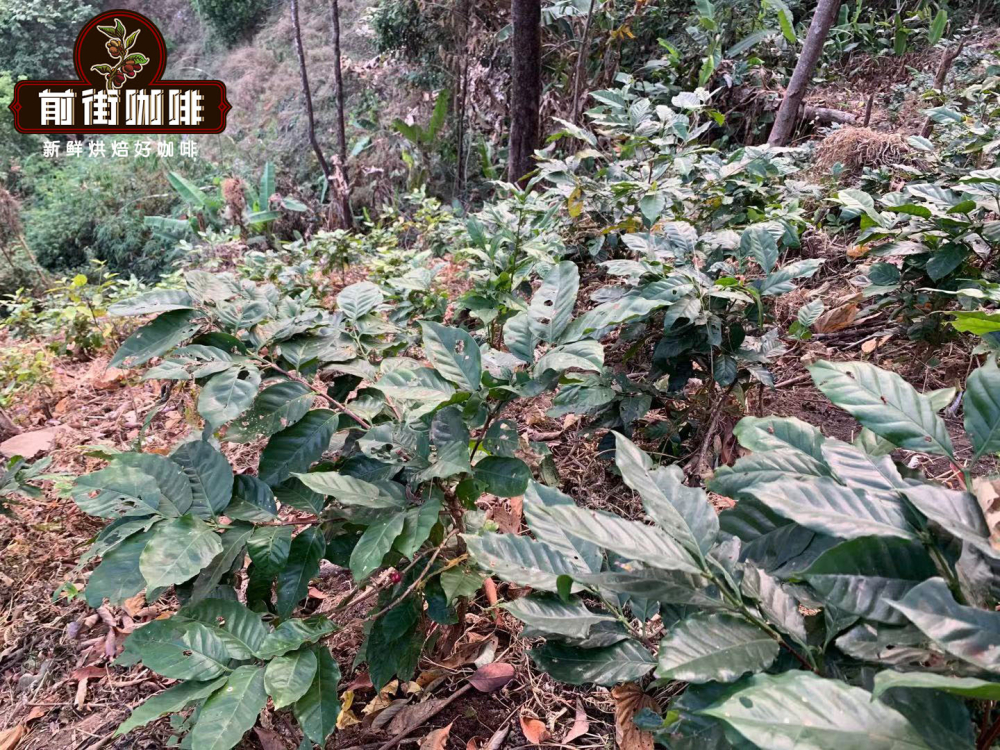
In the development history of Yunnan coffee, Typica and Catimor are the two most representative varieties. Typica was the first foreign variety introduced by French missionaries and is of pure Arabica lineage, featuring elegant and delicate flavor traits. However, due to its weak disease resistance and low yield, it was once largely phased out. In contrast, Catimor is a hybrid descendant of Arabica and Robusta, possessing good disease resistance and high productivity, and has become an important pillar in the recent revival of Yunnan’s coffee industry, though its flavor complexity generally doesn’t match that of purebred Arabicas.
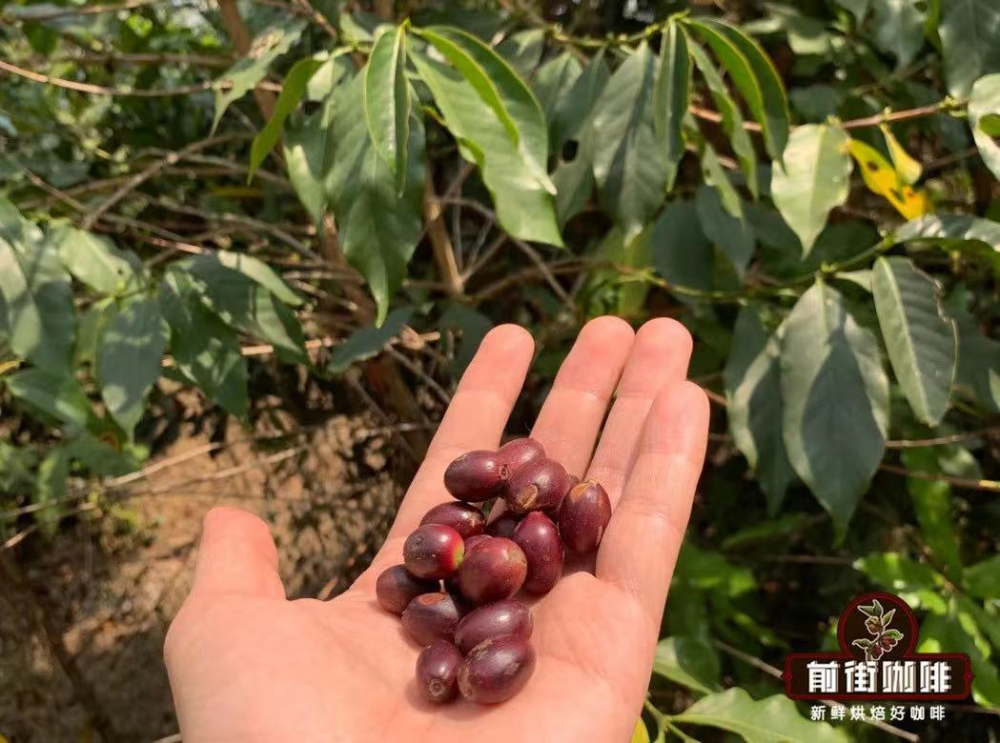
Interestingly, Yunnan was initially called "small-bean coffee" because of the first batch of coffee trees brought by French missionaries. These trees were genetically identified as Typica, and because their beans were relatively small, the nickname stuck. Over time, Catimor gradually replaced Typica as the dominant planted variety, but many coffee farmers and brands remain committed to reviving Typica, exploring its unique flavor potential.
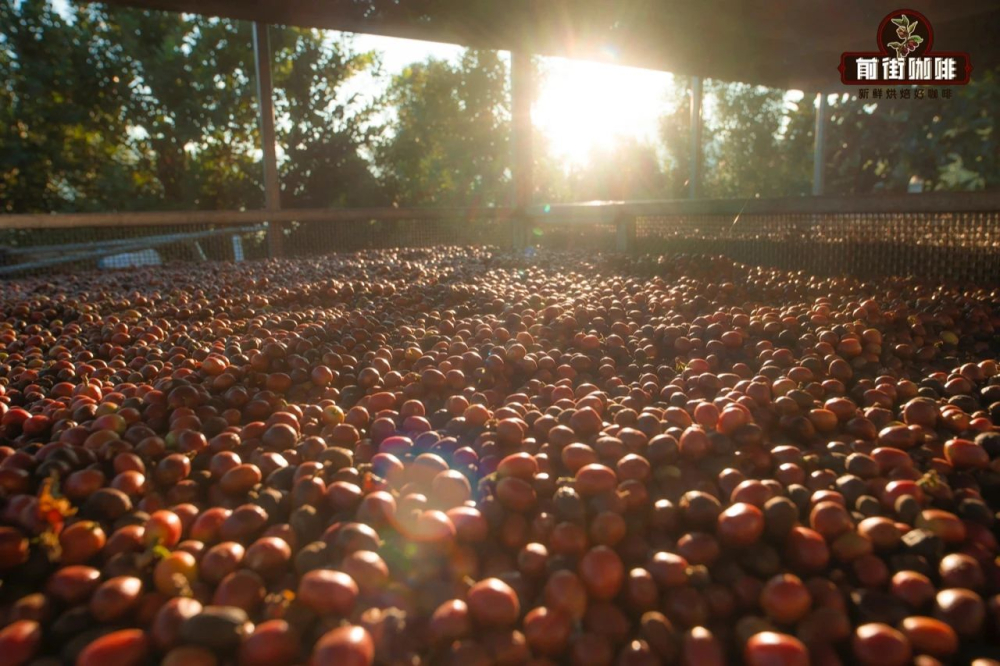
As one of the most original coffee varieties in Ethiopia, Typica has the purest Arabica genetic lineage, and its flavor characteristics typically manifest as clean and balanced, with soft acidity and bright sweetness. However, due to its weak growth vigor, susceptibility to diseases, and low yield per unit area, its cultivation cost is relatively high, causing it to gradually lose competitiveness in commercial planting. Even so, some specialty coffee farms still persist in growing Typica, hoping to showcase its unique terroir expression.
Take Yunnan’s Lincang region as an example: a farm has been growing Typica at high altitudes of about 1,300 meters since 2013, using traditional natural sun-drying processing, successfully highlighting the potential of this variety. Such processing methods impart richer layers to the coffee beans, with common flavors including plum, berries, nuts, and brown sugar, along with a hint of black tea-like finish. For pour over brewing, it is recommended to use a 1:15 coffee-to-water ratio, paired with medium grind and 89°C water temperature, to better bring out its delicate fruitiness and sweetness.
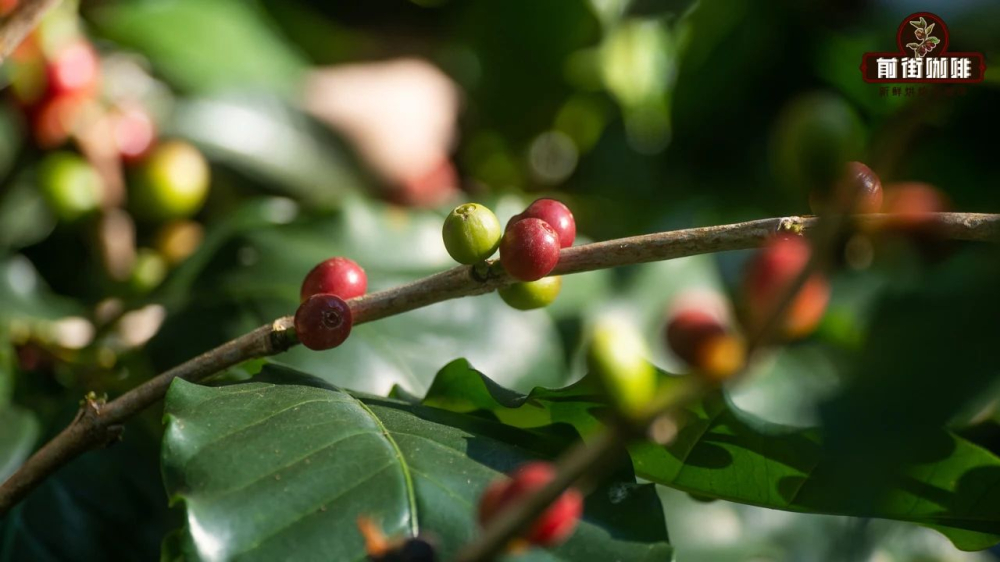
On the other hand, Catimor was developed in 1959 by Portuguese breeders through crossing Brazil’s Caturra and Timor varieties. The Timor variety itself is a hybrid offspring of Arabica and Robusta, so Catimor carries about 25% Robusta genetics. This gives Catimor stronger disease resistance, heat tolerance, and high yield characteristics, making it highly suitable for commercial planting. However, the Robusta genetics also lead to relatively thin flavors, with common flaws including prominent bitterness, lack of aroma, and even potential astringency or moldy notes.
Nevertheless, if grown at altitudes above 1,200 meters and combined with good agronomic management and hygienic post-harvest processing, Catimor can still deliver respectable flavor performance. In some producing areas, Catimor processed via natural sun-drying or washed methods can exhibit soft fruit acidity, rich nutty tones, and balanced mouthfeel. Many commercial beans and instant coffee ingredients come from this variety, but with proper processing, it can also produce surprisingly delightful coffee extractions.
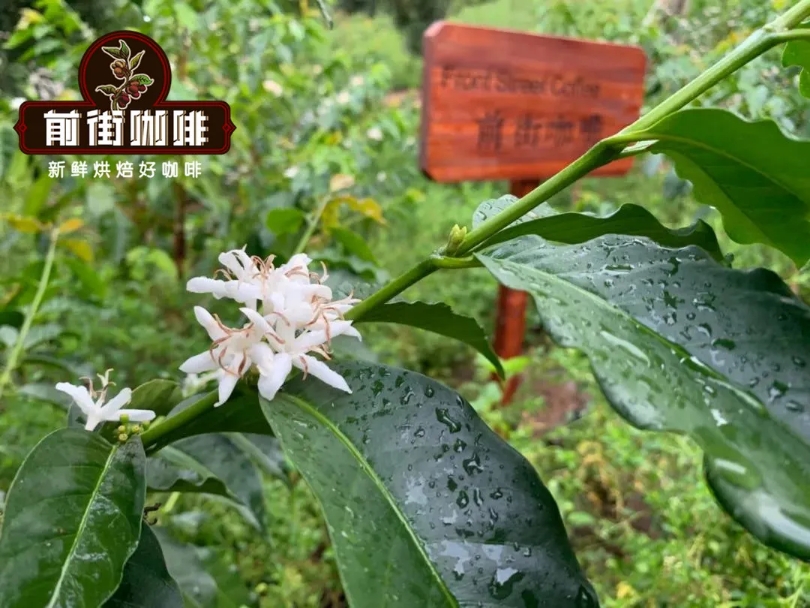
If you have Yunnan-grown Typica or Catimor coffee beans on hand, try using a moka pot for extraction to experience different flavor expressions. The moka pot is a pressure-based extraction tool, and its operation and parameter settings greatly influence the final flavor. First, it is recommended to use freshly roasted coffee beans and adjust the grind size with a suitable grinder. Generally, the grind for a moka pot is between pour over and espresso; when using an EK-43s grinder, it is recommended to set it between #3 and #3.5, or roughly the fineness of granulated sugar.
For specific operation, first fill the lower chamber of the moka pot with an appropriate amount of pure warm water, keeping the water level about 0.5 cm below the safety valve to avoid overly high steam pressure that could be dangerous. Next, fill the coffee chamber with medium-fine ground coffee, leveling it to about nine-tenths full and gently smoothing it without pressing too hard to avoid obstructing water flow. Assemble the upper and lower chambers tightly, place the pot on a heat source, and use low to medium heat while observing the sound changes from the pot.
When you hear a distinct hissing sound, it indicates that coffee extraction has begun. At this point, reduce the heat to allow the coffee liquid to slowly flow into the upper chamber. Once the upper chamber is about half full, turn off the heat and let residual heat complete the final extraction. This not only prevents over-extraction but also preserves more flavor details. The resulting coffee usually features rich berry, Asian pear, and dark plum acidity, paired with the aromas of roasted nuts and caramel, making it suitable for direct enjoyment or adjusted with milk and hot water to taste.
Finally, the daily cleaning and maintenance of the moka pot should not be overlooked. After each use, promptly disassemble and clean the coffee grounds and residual oils inside the pot, especially the filter plate, gasket, and extraction channel, to prevent old coffee stains from causing blockages or off-flavors. These details not only extend the life of the tool but also ensure stable performance and flavor purity with each extraction. As long as you master the correct parameters and process, the moka pot can fully showcase the unique charm of Yunnan Typica and Catimor.
The above content is compiled by CoffeeHunters, a coffee news website.


