







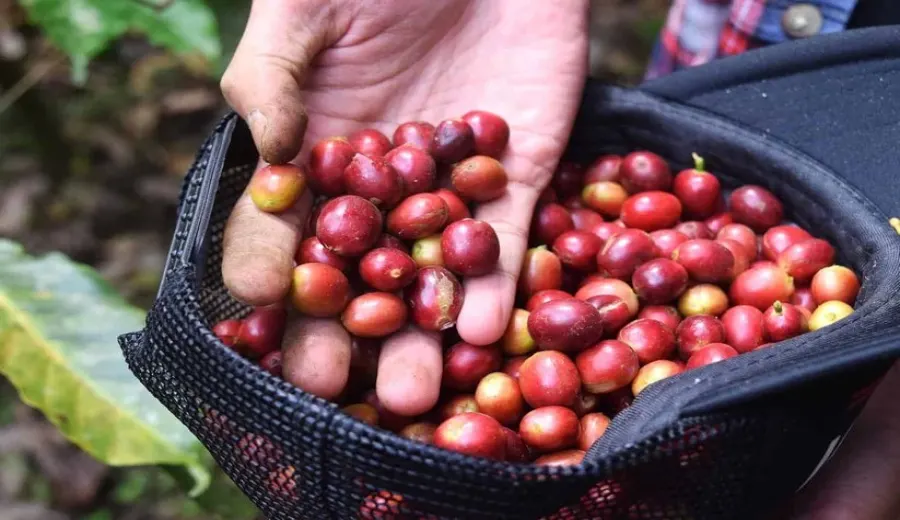
Introduction:To explore the diverse profiles of Indonesian coffee, start with the S795 variety from West Java’s Mount Tangkuban Perahu. This honey-processed coffee delivers tropical fruit acidity and a sweet, smooth finish—quite a contrast to the more common Sumatran Mandheling. This article delves into the geography of West Java, the origins of the S795 variety, the honey processing method, and offers practical roasting and pour over parameters to help you master brewing this unique bean.
When it comes to specialty coffee from Indonesia, many people immediately think of Sumatra’s Mandheling, known for its bold herbal and earthy notes. However, West Java—also in Indonesia—offers a coffee with a completely different flavor profile: the S795 variety from Mount Tangkuban Perahu, processed using the honey method. Unlike traditional Indonesian beans, this coffee showcases a gentle tropical fruit acidity and a naturally sweet profile, making it ideal for coffee enthusiasts looking to break out of the Mandheling mold.
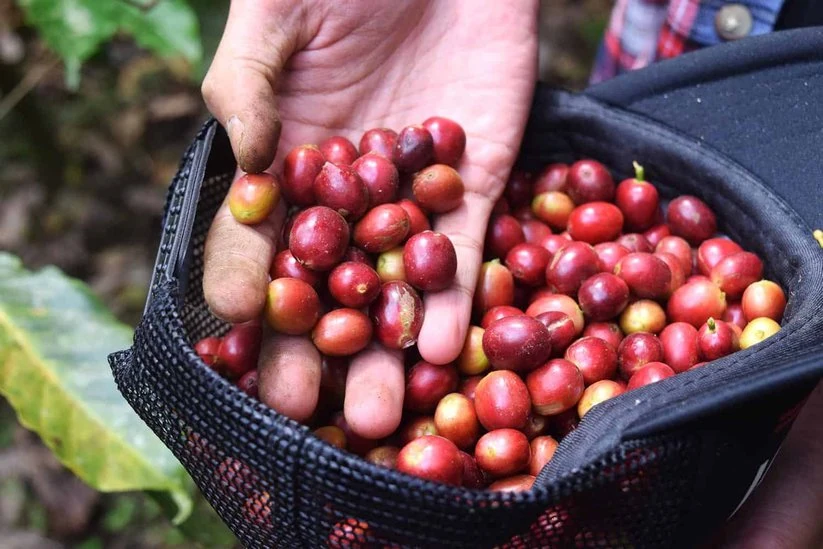
West Java is a first-level administrative region of Indonesia, located on the western part of Java Island. It borders the Java Sea to the north and the Indian Ocean to the south, covering a total area of approximately 46,300 square kilometers. The region features a tropical rainforest climate, which is humid and hot year-round. The northern coastal plains tend to be hotter, while the mountainous areas are relatively cooler. The climate is divided into two seasons: from November to March, the northwest monsoon brings frequent rain and thicker cloud cover; from April to October, the southeast monsoon season sees clearer skies and reduced rainfall. For example, the capital Jakarta has an average annual rainfall of about 1,760 mm, with daily highs around 30°C and lows around 23°C. In higher altitude areas such as Tosari (elevation 1,735 meters), average temperatures range only between 8°C and 22°C. Additionally, volcanic activity enriches the soil with minerals and organic matter, creating highly fertile growing conditions.
Java holds a pivotal place in the history of coffee development. Unlike other Indonesian regions where smallholder farmers primarily handle initial processing, Java’s Arabica coffee is mostly cultivated on large-scale farms or government-operated plantations and generally employs modernwashed processing. The main variety grown here isS795Typica (also known as Jember),
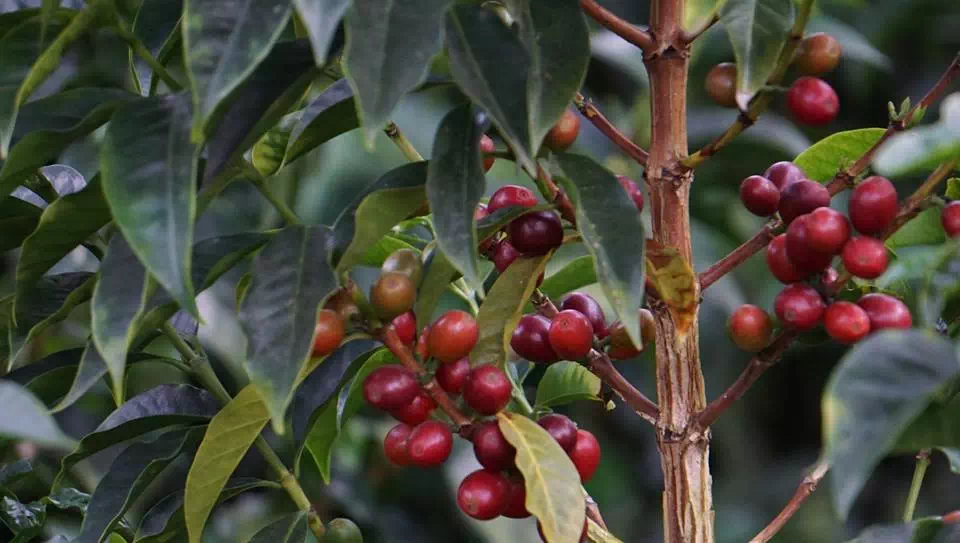
a man-made, high-quality cultivar. This coffee is known for its refined aroma, mild acidity, delicate mouthfeel, and good balance—its aromatic expression even surpasses that of Sumatran and Sulawesian coffees, making it an excellent representation of Java’s coffee essence.
Indonesia’s coffee cultivation history dates back to the 17th century. Early Dutch colonists introduced coffee from India to Java in 1699, and in 1711, they exported coffee seedlings to the Netherlands via the Dutch East India Company (VOC) for the first time. Over the following decade, Indonesia’s coffee exports rapidly grew to 60 tons per year, making it the third country in the world—after Yemen and Ethiopia—to engage in large-scale coffee production. The Dutch East India Company monopolized the coffee trade for over sixty years until 1780. The earliest plantings were mainly of the Typica variety, with seeds originating from Ceylon (now Sri Lanka). The Dutch first planted them in Batavia (now Jakarta), then gradually expanded to Sukabumi, East Java, West Java, and parts of Sumatra.
In 1711, coffee trees from Java were even transported to a greenhouse in Amsterdam, Netherlands, and in 1715, they were sent to the Palace of Versailles in France. From then on, coffee cultivation gradually spread to Asia and the Americas. However, in the late 19th century, Indonesian coffee faced severe challenges. In 1876, a widespread coffee leaf rust epidemic destroyed most of the Typica plants. By the 1920s, smallholder farmers had commonly begun planting coffee as a cash crop, but subsequent outbreaks of pests and diseases dealt another heavy blow to the producing regions. In the early 20th century, the Dutch established the Indonesian Coffee and Cocoa Research Institute (ICCRI), dedicated to developing disease-resistant varieties and cultivation techniques. To this day, ICCRI remains one of the world’s foremost recognized coffee research institutions.
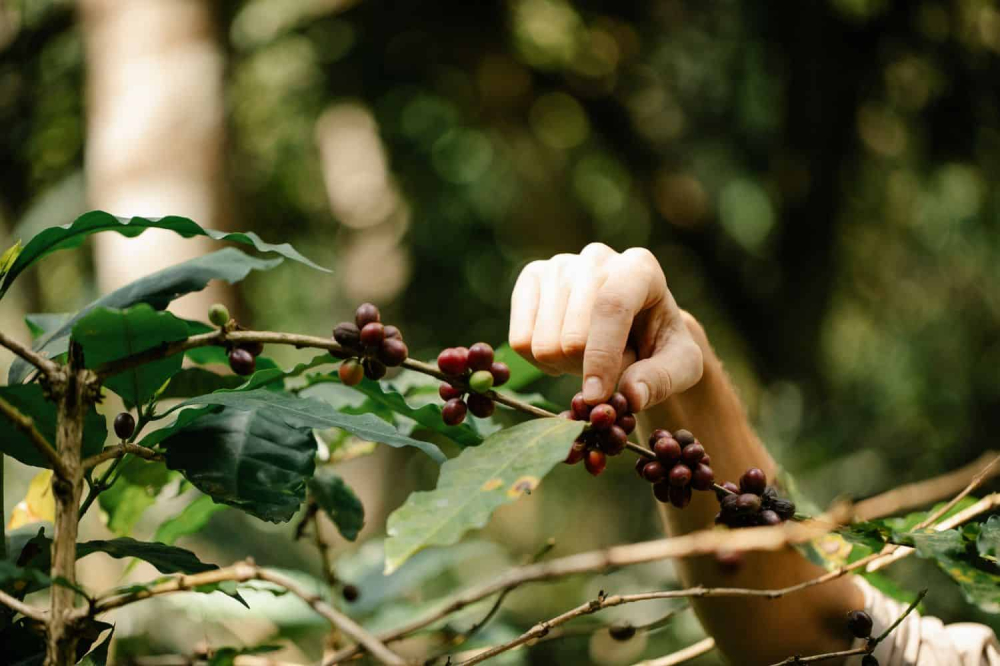
ICCRI employs over 300 staff, including 36 researchers—12 with PhDs, 7 with master’s degrees, and 17 specialists. The institute focuses on innovation across all stages from cultivation to processing and provides technical support and data analysis for farmers, cooperatives, enterprises, and government agencies. Currently, over 90% of Indonesia’s coffee comes from small farms smaller than one hectare, many of which practice organic farming. Furthermore, 19 farmer cooperatives and exporters have obtained international organic certification. There are more than 20 commercially cultivated Arabica varieties in Indonesia, which can be broadly divided into six categories: Typica, Hibrido de Timor (HDT), Linie S series (such as S-288 and S-795), Ethiopian series, Caturra, and Catimor.The West Java coffee introduced here comes from the Tangkuban Perahu mountain area at elevations between 1,400 and 1,600 meters, produced by the Aimanee Estate. It ishoney processedand of theS795 (Jember)
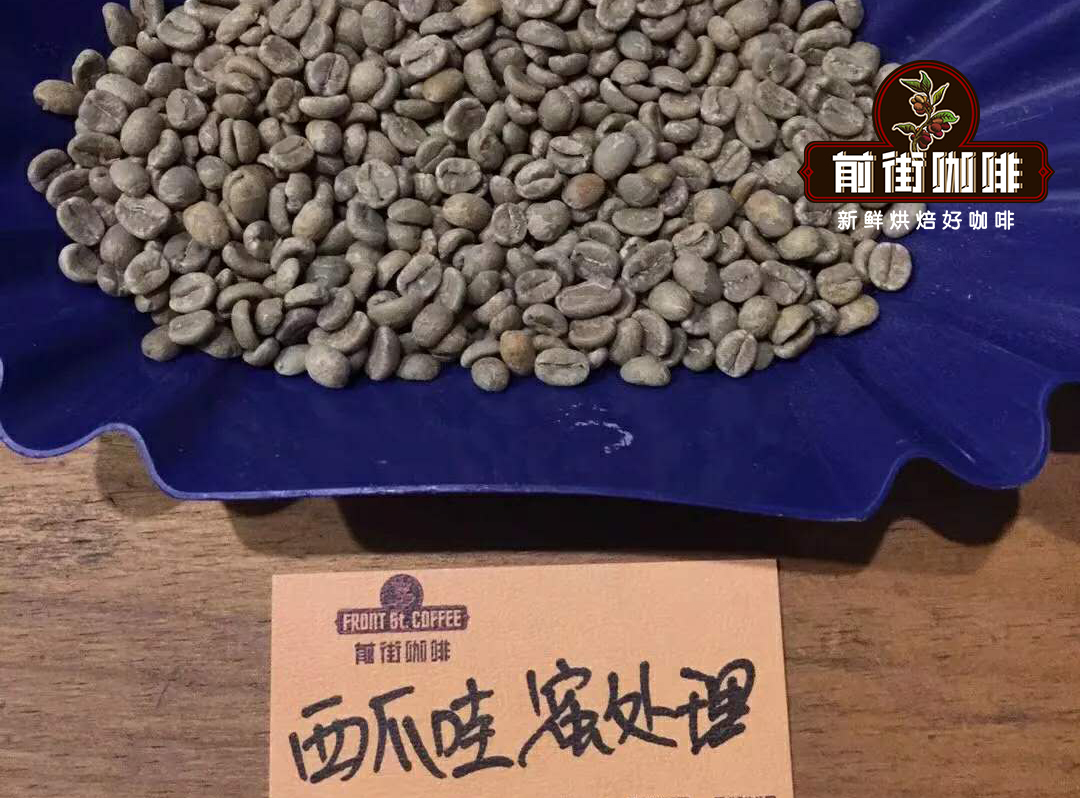
variety. The beans of S795 display a unique bluish-green color. Its parentage can be traced back to the S288 hybrid variety developed in India in 1946. S288 itself is a cross between S26 and Typica, but early strains acquired an earthy taste due to crossing with Liberian varieties. After multiple improvements by Indian botanists, the Kent variety (a descendant of S288 and Typica) was eventually crossed again with a second generation of S288, eventually yielding the now well-regarded S795 variety. Since S795 was introduced and promoted by the Jember Coffee Research Center in East Java, local farmers also commonly refer to it as Jember.Honey processing is a complex and meticulous post-harvest method. Its core lies in removing the coffee fruit’s outer skin and pulp, while retaining themucilage (sticky layer)
, which is rich in sugars and acids. Then, through precise sun-drying control, the sugars and flavor compounds gradually penetrate the bean. Compared to traditional washed processing, honey processing preserves more sweetness and body while maintaining a certain level of cleanliness. Depending on how much mucilage is retained, it is categorized into yellow honey, red honey, and black honey, each offering distinct flavor profiles. This West Java S795, processed using the honey method, offers delicate sweetness and a hint of wine-like fermentation.In terms of roasting, due to the relatively high density of West Java S795 green beans, roasters recommend usingmedium roast
to fully highlight its fruity notes and sweetness. Within about one minute after dropping the beans in, you can maintain slightly higher heat, but when entering the drying phase, reduce the heat promptly to ensure even heat penetration and avoid over-roasting, which could lead to flavor loss. This roasting strategy helps balance acidity and sweetness, showcasing the vivid characteristics of tropical fruits.
Actual cupping results show that this coffee exhibits a complex sweetness profile, dominated by rich tropical fruits like mango and jackfruit, along with a subtle hint of red wine aroma. The flavors are steady and layered. Compared to the common African Yirgacheffe, its fruitiness is more robust and carries Southeast Asian characteristics, making it suitable for those who enjoy a combination of fruit aroma and sweetness.90-91°CBrewing suggestions are as follows: usewater temperature,with the EK43s grinder set to grind size 10 (fine sugar size, about 80% passing through a #20 sieve),1:15and set the powder-to-water ratio to. The recommendedtotal coffee dose is15 grams. The specific pour over method is as follows: first pour 30 grams of water fora 30-second bloom, then add water up to 125 grams (approximately 95 grams) around the 1-minute mark. When the water level drops to two-thirds of the coffee bed, pour the remaining 100 grams (totaling about 225 grams). Finally, complete the drip filtration at
The above content is compiled by CoffeeHunters, a coffee news website.


