







Introduction:Want to learn about the roasting secrets and pour over techniques for Indonesian Mandheling coffee? This article delves into the origin background of Golden Mandheling, its rigorous grading system, and provides a precise roasting curve — from charge temperature and heat control to the first crack timing. It also shares pour over parameters using the KONO filter, including grind size, water temperature, and pulse pouring methods, helping you fully master the brewing and flavor profile of this classic bean.
The development of coffee varieties in Indonesia has been anything but smooth. Historically plagued by coffee leaf rust, the once widely planted Typica, with its weak disease resistance, was gradually phased out. To sustain the coffee industry, local farmers had to introduce other more resistant varieties such as Timor, Catimor, Caturra, S795, and even Robusta. As these foreign varieties were cultivated and circulated locally, farmers gave them their own names, resulting in a multitude of inconsistent variety names across Indonesia today — for example, Timor is often referred to as Tim Tim or Bor Bor in Indonesia.
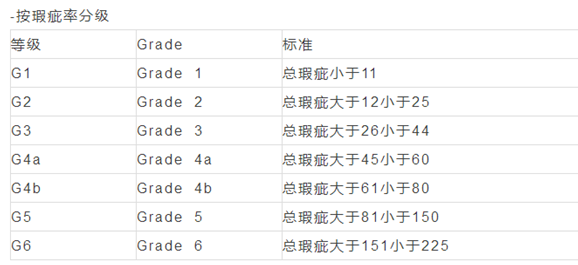
Due to this diversity of varieties, Indonesia’s coffee grading system differs significantly from other producing regions. Indonesia primarily grades coffee based on the ratio of defective beans, supplemented by green bean size as a reference, divided into six grades from G1 to G6. Among these, G1 is the highest grade, requiring fewer than 11 defects. In addition to defect rate, some high-quality Indonesian coffees also indicate screen size, such as the common 17 or 18 mesh, which signifies greater uniformity in bean size and aids in more even roasting. Furthermore, some specialty-grade beans undergo multiple rounds of manual sorting, such as Double Picked (sorted twice) or Triple Picked (sorted three times), effectively removing defects and enhancing overall quality.
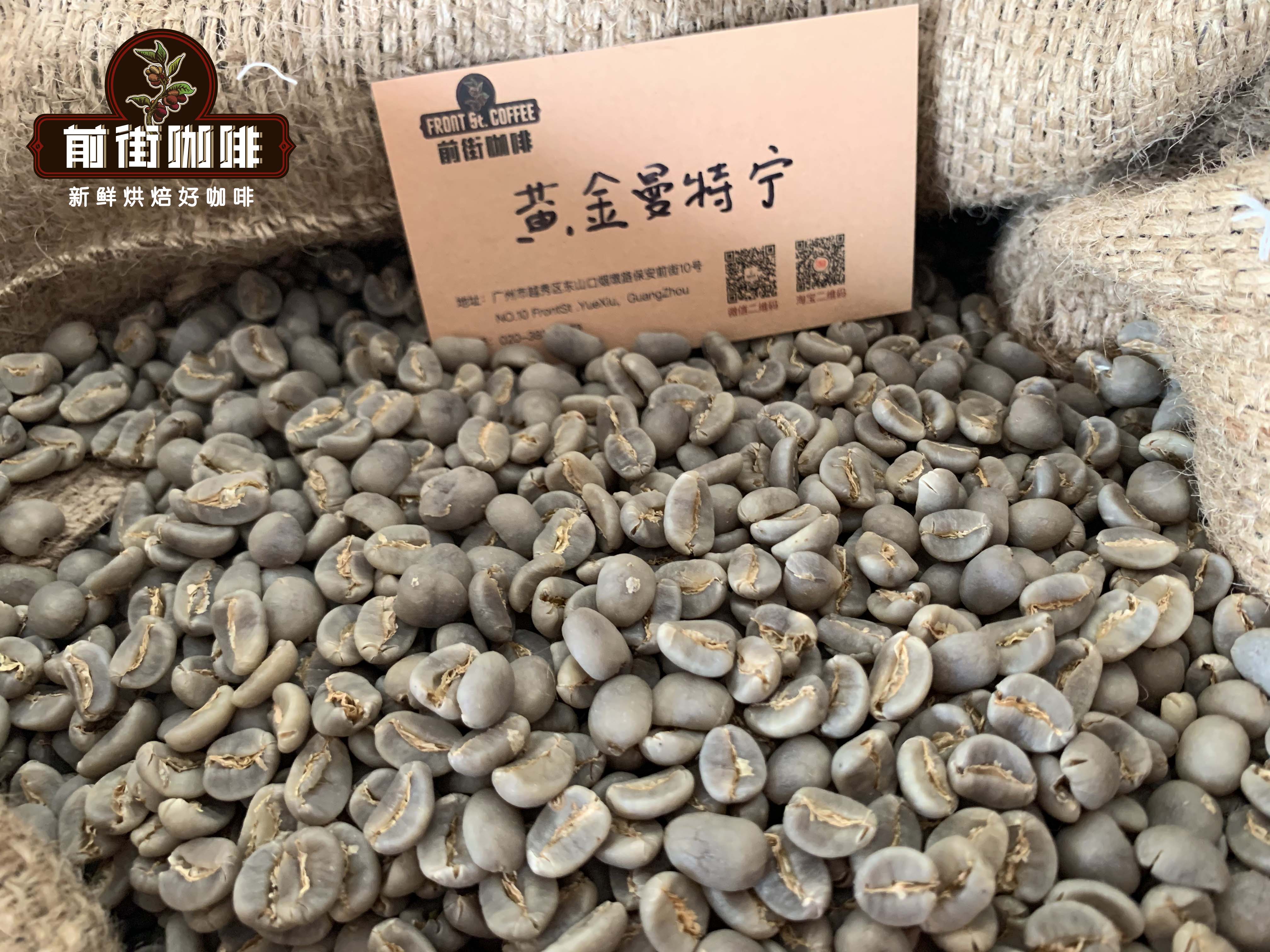
When it comes to Indonesian specialty coffee, Golden Mandheling is undoubtedly an iconic representation. These beans come from the Gayo highlands in Aceh Province, northern Sumatra. Although often categorized as Mandheling, the actual variety used is Ateng, the local term for Catimor. The hallmark of Golden Mandheling lies in its stringent screening process, typically undergoing Triple Picked selection to ensure each bean meets high standards. The Grade 1 label commonly seen on its packaging denotes the G1 grade, with extremely low defect counts, making it a must-try for specialty coffee enthusiasts.
Within Indonesia’s grading system, aside from defect count and bean size, some regions also name their coffee based on processing methods and regional characteristics, such as Java coffee, Toraja from Sulawesi, and the famously unique processed “kopi luwak.” Understanding these backgrounds helps consumers more accurately assess the origin and potential flavor profiles when selecting Indonesian coffee.
Take the Golden Mandheling produced by PWN, for example. Its October 2020 harvest packaging clearly indicates origin, processing, and grade information. From the PWN logo, GOLDEN MANDHELING name, and TRIPLE PICKED quality certification, to COFFEE ARABICA specifying the Arabica species, and GRADE 1 denoting the high grade, every detail reflects the care and rarity of this coffee. This batch is packed in 20 kg jute sacks with an expiration date of October 2024, ideal for cafes and avid enthusiasts to store properly to achieve optimal flavor.
In terms of roasting, Golden Mandheling exhibits a character distinct from other Mandhelings. Typically, traditional Mandheling from the Lintong region is recommended to be roasted to post-second crack to reduce off-flavors and highlight a full-bodied taste. However, Golden Mandheling can be dropped just before the second crack to showcase outstanding clarity and bright sweetness. It offers greater roasting flexibility, appealing to roasters aiming for diverse flavor profiles. The recommended roasting curve is as follows: start with a charge temperature of 200°C, with the fan set to 3; after one minute, reduce the heat to 160°C, keeping the fan unchanged; around 5 minutes and 40 seconds, when the temperature drops to 148°C and the beans turn yellow, the grassy notes have faded, then adjust the heat to 140°C and increase the fan to 4; at 9 minutes and 40 seconds, as the beans show noticeable wrinkles and dark spots, and the coffee aroma begins to replace the bread-like smell, closely monitor the first crack. Usually at 9 minutes and 54 seconds, the first crack starts — at this point, slightly adjust the heat to 60, fully open the fan, and drop the coffee at 204.5°C to achieve a balanced and layered flavor profile.
For brewing, Golden Mandheling pairs exceptionally well with the KONO filter, which is designed to enhance extraction and deliver a rich mouthfeel, particularly suited for medium to dark roasted beans. Recommended parameters include using 20 grams of coffee, a brew ratio of 1:13, water temperature controlled at 87°C, and a grind size of approximately 70% through a 20-mesh sieve — considered medium-coarse, balancing flavor clarity and body. During brewing, start with a steady 40-gram bloom for about 30 seconds, during which the coffee grounds will expand into a “hamburger” shape, helping to release aroma; then proceed with the second pour, pouring 120 grams in a circular motion from the center outward, maintaining a pour height close to the coffee bed to avoid excessive agitation; finally, pour another 100 grams, allowing all the coffee to fully drip through the filter. The total brew time is around 2 minutes, effectively highlighting the richness and aromatic layers of Golden Mandheling.
Golden Mandheling features a distinct flavor profile, grounded in notes of nuts, chocolate, spices, and herbs, complemented by a bright caramel sweetness. The overall cup is clean yet deep. Compared to traditional Lintong Mandheling, its earthy, woody, and herbal qualities are significantly reduced, the acidity is softer and more elegant, and the sweetness is more concentrated. It’s a classic Indonesian coffee that’s enjoyable both on its own and paired with desserts. Mastering the correct roasting and pour over parameters will fully unlock the bean’s potential, delivering a truly impressive taste experience.
The above content is compiled by CoffeeHunters, a coffee news website.


