







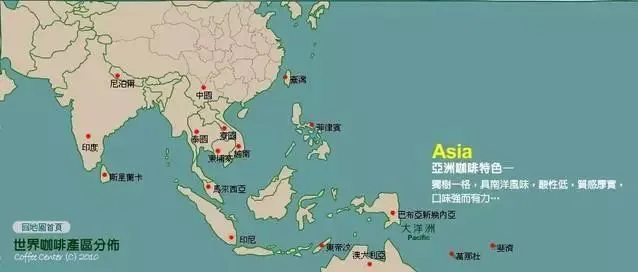
Introduction:Although Asian coffee-growing regions are not as widely recognized as those in Africa or Central and South America, their rich, full-bodied flavors and diverse processing methods have long been beloved by coffee enthusiasts. This article delves into key producing areas such as Indonesia, China, Vietnam, India, and Papua New Guinea, focusing on unique techniques like wet hulling and monsooning, while also detailing pour over parameters and flavor profiles of representative beans from each region. It provides a comprehensive reference from cultivation background to extraction techniques.
Among the world’s three major coffee-growing regions, Asia may not enjoy the same level of fame as Africa or the Americas, but its coffee output and distinctive flavor profiles are by no means inferior. Asian coffees generally possess a bold, solid mouthfeel and rounded sweetness, making them particularly suitable as the base for espresso blends, while also showcasing excellent potential as single-origin pour over offerings. This article offers a complete overview of the coffee characteristics from major Asian regions including Indonesia, China, Vietnam, India, and Papua New Guinea. It explores locally unique processing methods such as Indonesia’s wet hulling and India’s monsooning, and includes detailed pour over recommendations and flavor descriptions for representative beans like Mandheling, Yunnan small beans, and Bird of Paradise. Readers can gain insights from the growing background all the way to optimal brewing methods.
Indonesia: Wet Hulling and the Diverse Profiles of Mandheling
As an important coffee-producing country in Asia, Indonesia’s coffee history dates back to 1696 when the Dutch introduced coffee to Java. However, the leaf rust disease of 1877 nearly destroyed local Arabica plantations, leading to the subsequent introduction of disease-resistant Robusta, especially in southern Sumatra. Nevertheless, Arabica production in northern Sumatra, though only around 10%, includes the highly regarded Mandheling variety.
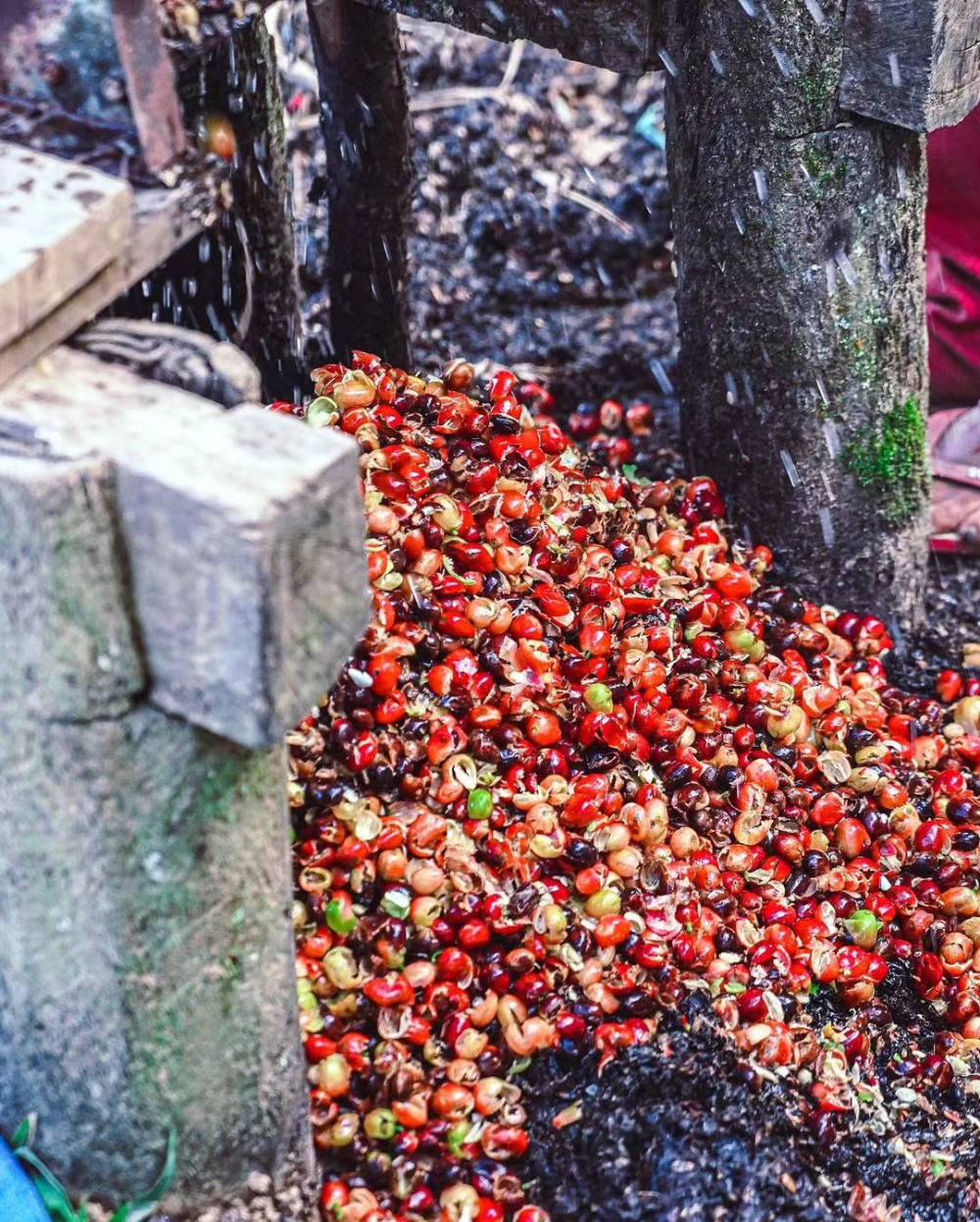
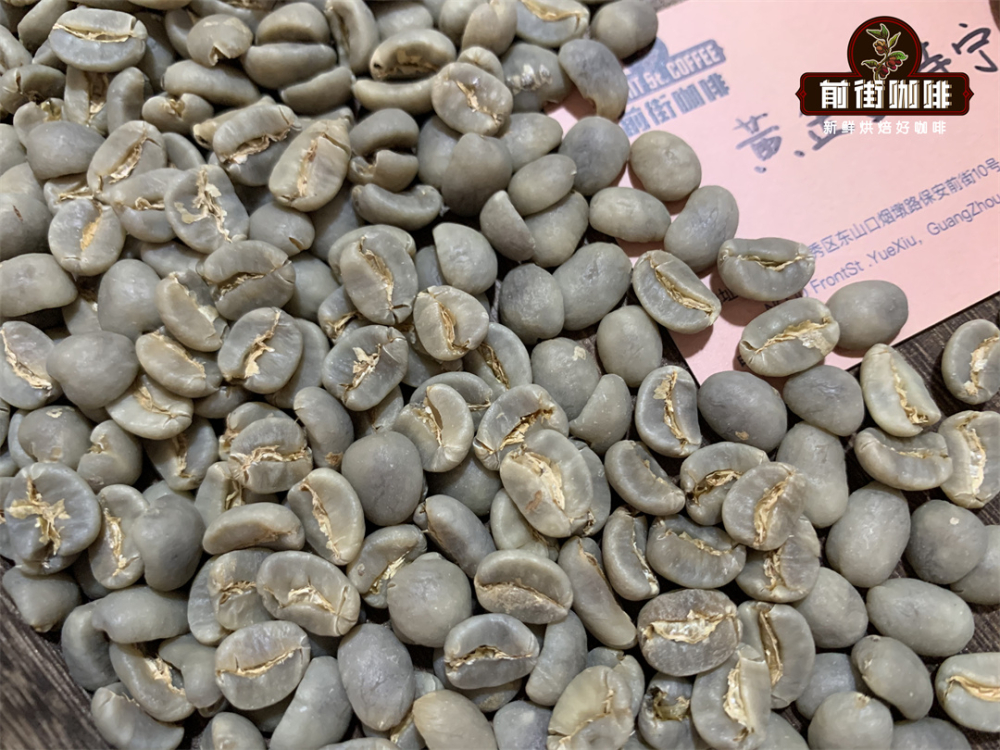
Indonesia’s most iconic processing method is wet hulling, particularly popular in western Sumatra and key to the bold character of Mandheling. This method involves removing the pulp and outer skin, followed by brief fermentation and then drying with moisture content controlled at 12–13%. Due to the humid climate, the technique emphasizes rapid dehydration, often resulting in the distinctive “elephant ear” cracks in the beans—an entirely normal phenomenon, not a defect. Additionally, there is aged wet-hulled coffee, stored for 2–3 years, which sees reduced acidity, enhanced sweetness, and richer flavors—commonly referred to as aged Mandheling in the market.
Mandheling Varieties and Pour Over Settings
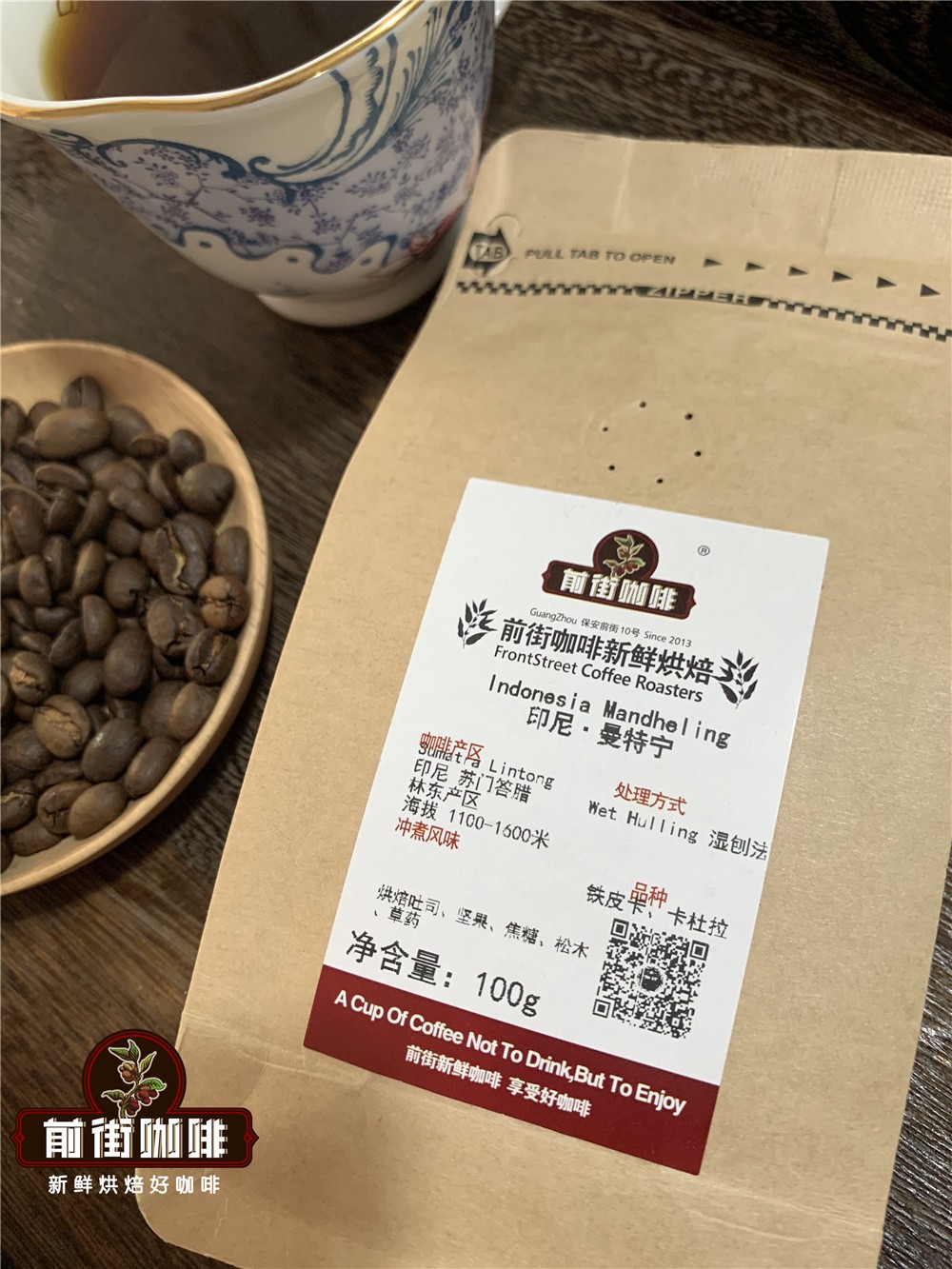
The northern tip of Sumatra around Lake Toba is the main Mandheling-producing area. Common offerings such as Lintong Mandheling exhibit typical herbal and spicy notes, while PWN Golden Mandheling, due to strict selection and uniform bean size, delivers a cleaner and more rounded profile. Tiger Mandheling focuses on higher-quality beans with lower defect rates, showcasing distinct traditional Chinese herbal notes. Aged Mandheling, due to maturation, offers intense caramel and herbal aromas with reduced acidity; it has a bold flavor that varies in acceptance among individuals. Additionally, sun-dried Indonesian Mandheling is relatively rare but can present tropical fruit and pronounced fermentation characteristics under the right conditions.
For pour over, many Mandheling varieties can use a Kono filter cone, with water temperature around 88°C,15 grams of coffee, 1:15 coffee-to-water ratio, medium-fine grind (BG#6W or BG#6F). Use 30 grams of water for a 30-second bloom, then pour in two stages to 125 grams and 225 grams, keeping total brew time around 2 minutes, with slight adjustments possible based on processing method.
In terms of flavor, notes range from nuts and spices to herbs, licorice, chocolate, and caramel, with some aged versions offering pu-erh and honey-like aromas. The overall profile is balanced, bold, and layered.
China: The Rise of Yunnan Small Beans
Coffee cultivation in China is primarily centered in Yunnan, followed by Hainan and Taiwan. Among these, Yunnan—with its subtropical highland climate south of the Tropic of Cancer and fertile red soil—provides ideal conditions for growing small-bean (Arabica) varieties, notably Catimor. Yunnan coffee is known for its strong yet non-bitter taste, fragrant yet not overly rich profile, and subtle fruity notes. In earlier years, it even entered international markets and received high praise. Major producing regions include Lincang, Baoshan, Pu’er (formerly Simao), Xishuangbanna, and Dehong, with Baoshan considered the most ideal growing area due to stable climate and almost no frost.
Currently, Yunnan accounts for over 70–80% of both planting area and national output, making it the absolute mainstream in the domestic market. Processing methods include sun-drying, washed, and anaerobic, reflecting diverse market demands and experimentation.
Pour over recommendations include using a Kono filter cone,15 grams of coffee, 1:15 ratio, medium-fine grind, with the same 30 grams of water for a 30-second bloom, poured in stages to 125 grams and 225 grams, for a total brew time of about 2 minutes. Flavors often include nuts, herbs, chocolate, and caramel, with a fruity acidity in the aftertaste. The overall cup is gentle, layered, and well-balanced.
Vietnam: A Robusta-Dominant Coffee Giant
As Asia’s largest coffee producer, Vietnam’s output is over 90% Robusta, largely from smallholder farms. This variety is disease-resistant and high-yielding, and while not as nuanced as Arabica, it offers a bold, rich profile, commonly used in instant coffee and espresso blends. Vietnamese coffee culture is also heavily influenced by France, with dark roasts and milk-based coffee being specialties.
India: Unique Flavors of Monsooning
India’s monsooning process is a distinctive local technique, inspired by the natural fermentation effects that occurred during the sea voyage era when coffee beans underwent humidity-induced changes during transport. Today, producers place coffee beans in specially designed open spaces during the monsoon season of May and June, turning them daily to evenly absorb high-humidity air. After approximately seven weeks, the beans change color and transform in flavor, ultimately developing a unique mix of caramel, raisin, and herbal notes.
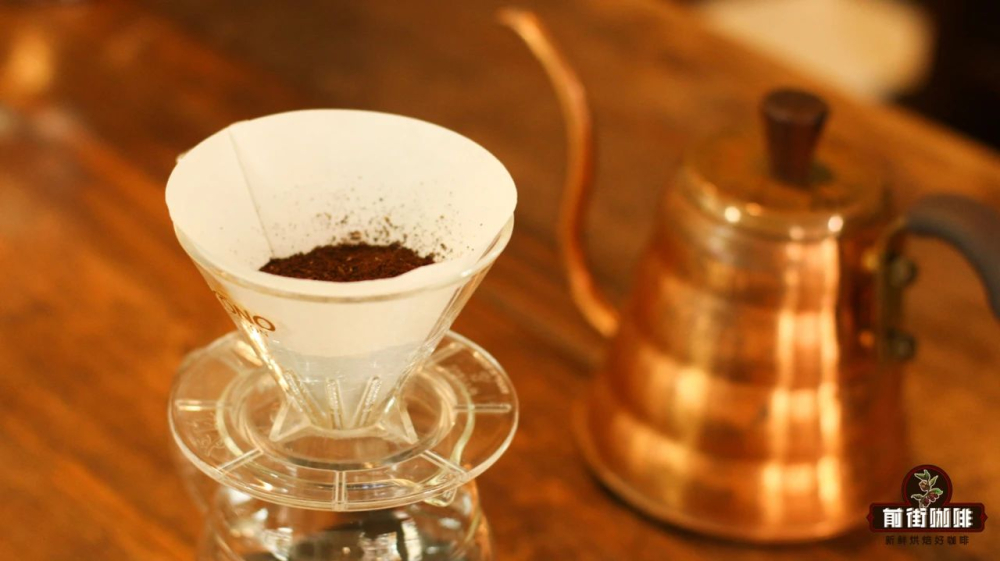
Pour over suggestions also include using a Kono filter cone,15 grams of coffee, 1:15 ratio, medium-fine grind,30 grams of water for a 30-second bloom, poured in two stages to 125 grams and 225 grams, with total brew time around 2 minutes. Flavor profiles often feature strong caramel, raisin, and berry notes, delivering a unique, gentle taste reminiscent of genmaicha.
Papua New Guinea: Bird of Paradise and Small Blue Mountain Heritage
Papua New Guinea’s coffee is famed for the Bird of Paradise (from the Sigri Estate), whose name symbolizes freedom and joy. Its flavor profile features rich spice notes and bright acidity, with some lineage traceable to Jamaica Blue Mountain Typica—earning it the title “small Blue Mountain.” About 90% of local coffee is grown by smallholders, predominantly using washed processing for a clean cup with distinctive spice characteristics. Natural processing yields even more complex flavors.
Pour over parameters are similar to other regions,Kono filter cone, 15 grams of coffee, 1:15 ratio, medium-fine grind,30 grams of water for a 30-second bloom, poured in stages to 125 grams and 225 grams, with total brew time around 2 minutes. The cup displays distinct layers, balanced acidity and sweetness, and a unique spicy aftertaste, offering a refined and deeply layered experience.

The above content is compiled by CoffeeHunters, a coffee news website.


