







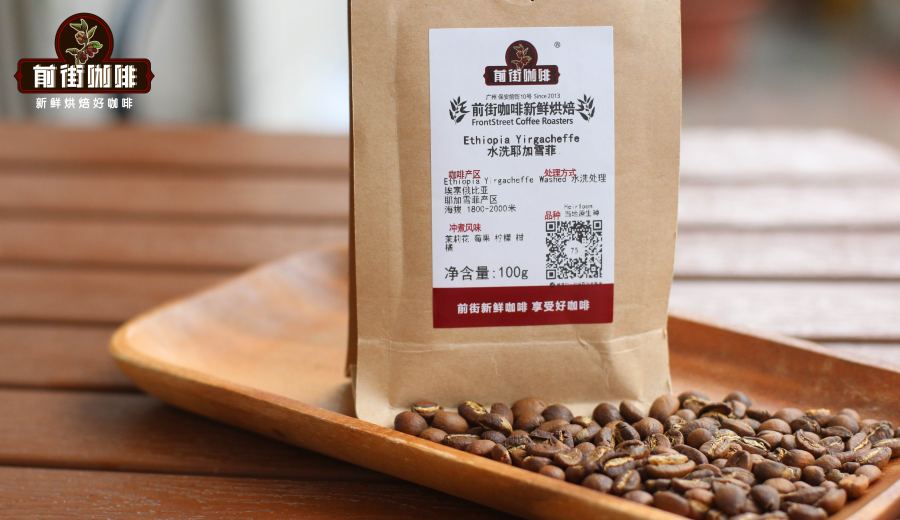
Introduction:As Ethiopia’s most representative specialty coffee region, Yirgacheffe presents distinctly different flavor profiles through its natural and washed processing methods. This article will take you in-depth to understand the actual differences between the two in processing techniques, green bean appearance, roasting characteristics, and pour over parameters, while also providing professional cupping flavor descriptions and practical brewing suggestions to help you find the Yirgacheffe coffee beans that best suit your taste.
Yirgacheffe is the jewel of Ethiopia’s coffee map, renowned for its delicate acidity and rich floral and fruity aromas. This small region, once part of Sidamo, was separately designated due to its uniquely distinctive flavors and has now become a hallmark term for African specialty coffee. The high-altitude terrain at around 2,000 meters above sea level, along with numerous family-run cooperatives, together nurture these uniquely flavored coffee beans.
Within the sub-regions, there are also well-known micro-regions such as Kochere, Guji, and Gedeb, each further shaping the diverse flavor layers of Yirgacheffe coffee due to differences in microclimate and processing methods.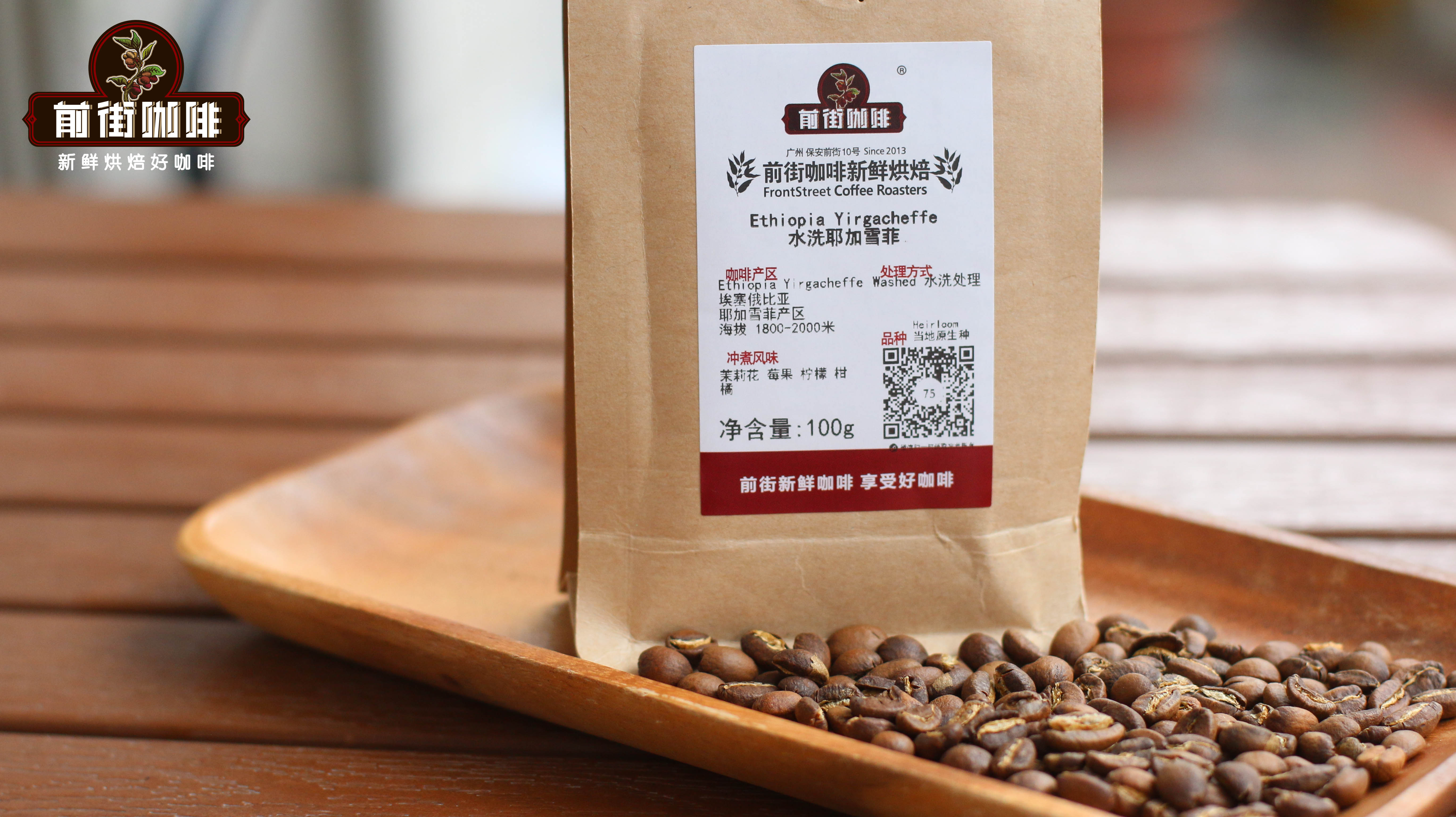
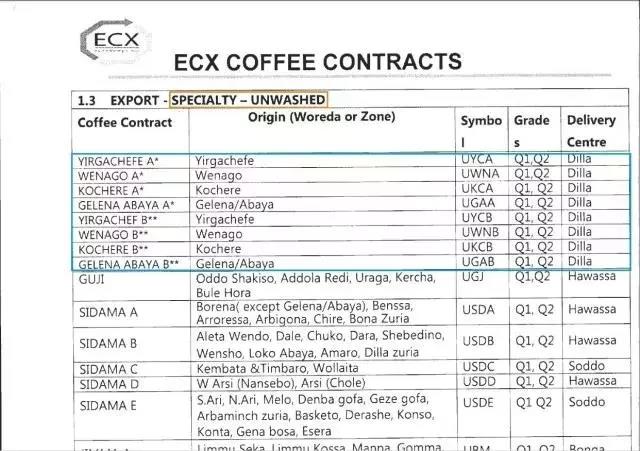
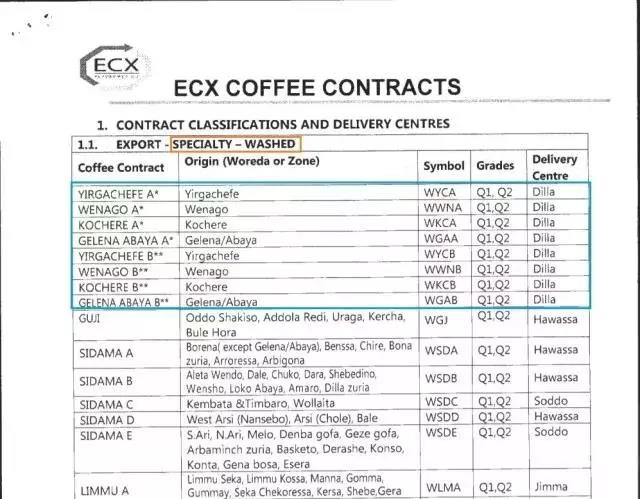
In terms of grading, the Ethiopian Commodity Exchange (ECX) primarily grades based on defect rates and cupping flavors. For both natural and washed beans, if there are fewer than 3 defective beans per 300 grams of green coffee, it is classified as Grade 1 (G1); 4 to 12 defective beans classify it as Grade 2 (G2). Then, according to the SCA (Specialty Coffee Association) cupping standards, G1 and G2 beans scoring above 85 points are categorized as Q1 premium specialty beans, while those scoring between 80 and 84.75 are Q2 grade. This rigorous grading system ensures quality consistency in the export market.
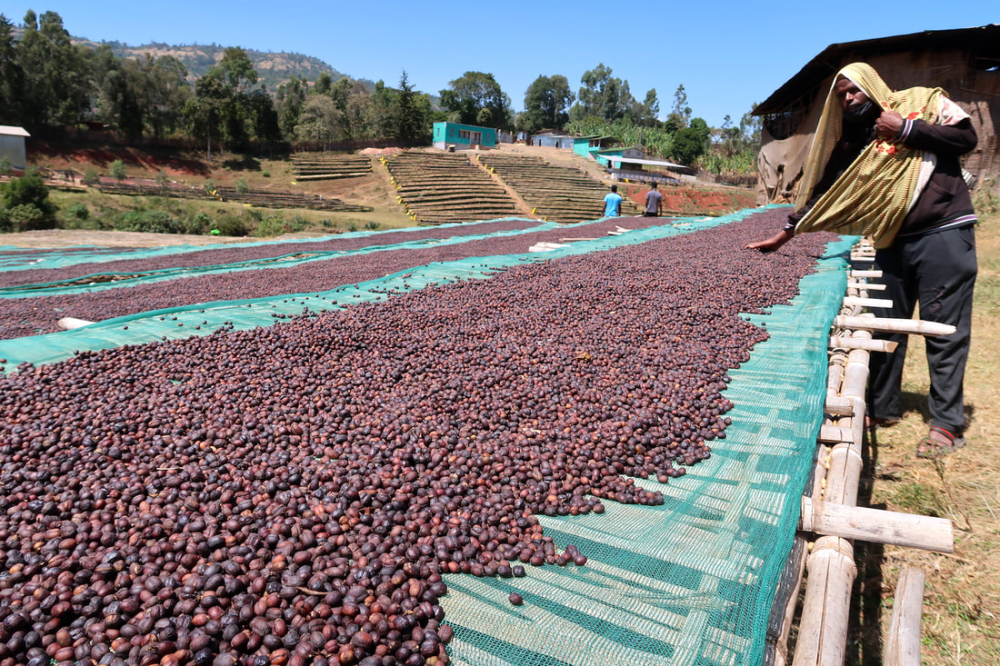
Regarding processing methods, Ethiopia traditionally favored the natural process, but after the introduction of washed processing technology in 1972, it gradually became more widespread. The washed method, which removes the pulp via fermentation, delivers a cleaner and more distinct flavor profile; whereas the natural method retains the full pulp fermentation process, resulting in richer and more complex flavors. A quick glance at the green beans can offer preliminary judgment: washed beans are mostly greenish in color with noticeable silver skin remnants; natural beans tend to be yellowish-green, with almost no silver skin and a smoother bean surface.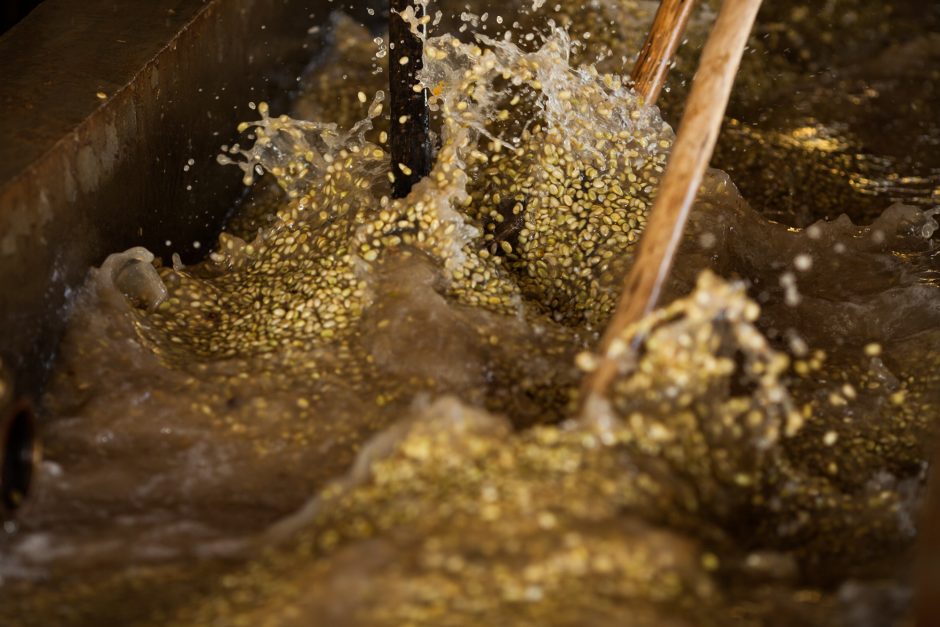
In terms of roasting recommendations, the most captivating delicate acidity and fruity floral notes of Yirgacheffe are best fully expressed through light roasting. Whether natural or washed, over-roasting can easily mask their subtle qualities. It is generally recommended that light roasting highlights the regional characteristics of Yirgacheffe. If you prefer a fuller body, you may try a medium-light roast, but still without sacrificing the original flavors.
Taking an actual roasting curve as an example, for a natural Yirgacheffe using a Yangjia 800N roaster (capacity 500g), it is suggested to start with a drum temperature of 200°C, a fan speed of 3, and a heat setting of 150. The turning point occurs around 1’35”, and once the bean surface turns yellow and the grassy aroma dissipates, gradually adjust the heat and fan speed to control the drying and first crack processes. Finally, drop the beans at 1’40” after the first crack, at 196°C. For the washed version, the first crack begins at 8’53”, the fan speed is adjusted to 4, and it is dropped at 195°C. The overall development time is slightly shorter to preserve a brighter acidity and citrus character.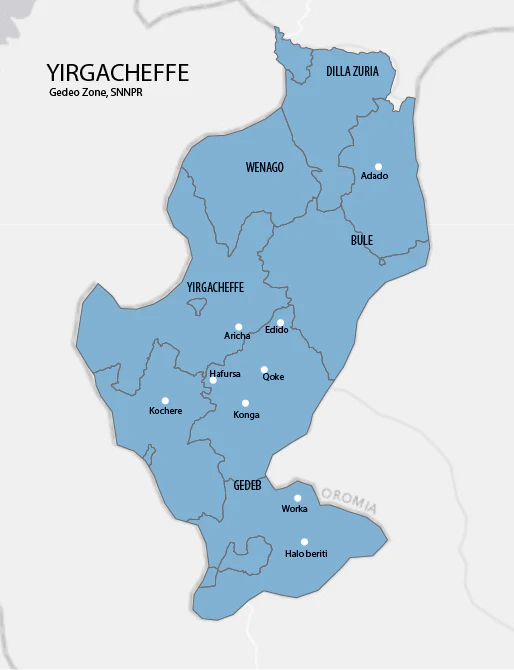
In terms of cupping flavors, natural Yirgacheffe often presents fermented aromas, citrus, lemon, berries, and floral notes. Upon tasting, it offers layered sensations of oolong, grapes, and caramel, with high sweetness and a long-lasting aftertaste. The washed version, on the other hand, excels with a cleaner lemon acidity, green tea-like feel, citrus, and nutty tones. The overall profile is refreshing, with clear notes of honey and oolong tea lingering in the aftertaste.
For pour over suggestions, lightly roasted Yirgacheffe is well-suited for use with a V60 filter. The water temperature should be controlled at around 90°C, with a brew ratio of 1:15, a coffee dosage of 15 grams, and a grind size similar to granulated sugar ground to about 80% through a Chinese No. 20 sieve. Use a step extraction method: begin with a 30-second bloom using double the coffee dose (about 30 grams) of water, then pour in a small circular motion until reaching 125 grams and pause. When the water level drops, continue pouring until reaching 225 grams. The total extraction time is approximately 2 minutes, helping to clearly present its flavor layers.
In summary, natural Yirgacheffe boasts intense flavors, bold fruitiness, pronounced fermentation notes, and notable sweetness, making it ideal for drinkers who enjoy rich complexity. The washed version, on the other hand, features a bright acidity, clean mouthfeel, and highly recognizable citrus character, making it more suitable for coffee enthusiasts who prefer a clear and distinct flavor profile. No matter which processing method you choose, Yirgacheffe offers a unique experience of African coffee character.
The above content is compiled by CoffeeHunters, a coffee news website.


