







Introduction:Blooming is a critical initial step in pour over coffee, yet it is often overlooked by beginners. This article delves into the science behind blooming, exploring the gas release mechanism of coffee grounds, the relationship between freshness assessment and extraction uniformity, and the impact of different water pouring methods on flavor and brew time. By examining variables such as water temperature, grind size, water volume, and duration, we comprehensively break down the key factors affecting blooming effectiveness, helping you master the underlying logic and operational boundaries of the three-stage pouring technique.
Many beginners to pour over coffee often ask the same question: why can't the blooming step be skipped? In fact, blooming is not only an indispensable part of the process but also directly impacts the overall extraction performance. Through this preparatory step, we not only effectively release gases trapped within the coffee grounds but also lay a solid foundation for uniform extraction afterward. Additionally, by observing the blooming state, we can make an initial assessment of the beans’ freshness.
In English, blooming is referred to as "bloom," which involves evenly wetting the surface of the coffee grounds with a small amount of hot water before the main pouring phase. Multiple experiments have confirmed that skipping the blooming step can easily lead to under-extraction. Particularly for freshly roasted beans, which contain a significant amount of internal gases, these gases can hinder the thorough contact between hot water and the coffee grounds. If water is poured without blooming first, the rising gases can block the water, causing it to extract only the surface substances. This leads to over-concentration in the later stages and an imbalanced overall flavor.
Numerous factors influence the effectiveness of blooming, including the storage time of the beans, roast level, water temperature, water volume, blooming duration, and grind coarseness. Each variable can alter the gas release efficiency and dissolution performance of the coffee grounds.
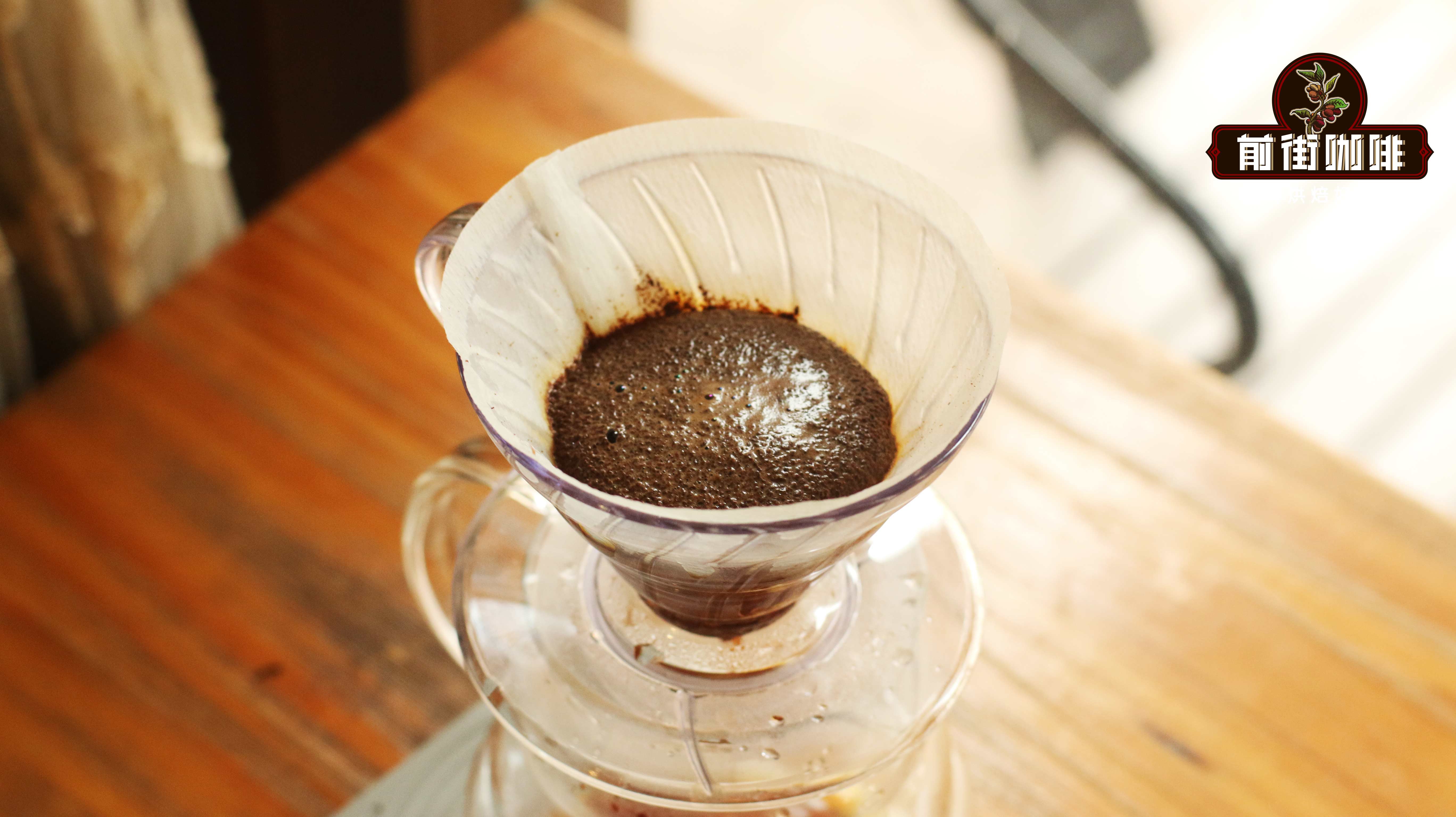
Let’s first consider the storage time and roast level of the coffee beans. Fresh beans, which retain more internal gases, typically show noticeable expansion during blooming. However, as time passes, these gases gradually dissipate, and once the grounds absorb moisture, the expansion becomes less apparent or may even be absent. Additionally, light roast beans, due to their denser texture and fewer internal pores, generally exhibit less expansion during blooming compared to medium or dark roast beans.
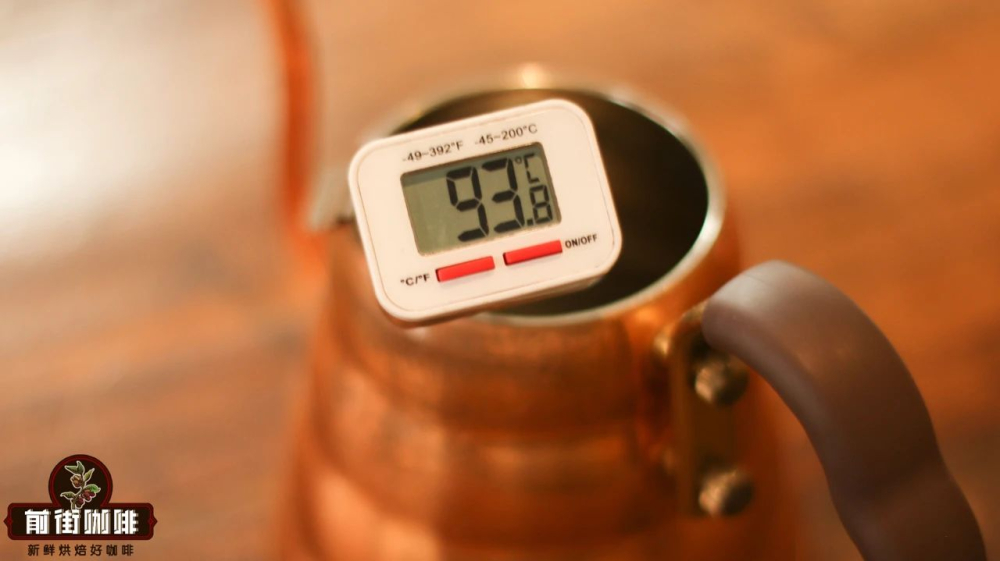
Water temperature is another crucial factor. Higher temperatures can accelerate the dissolution of compounds, but exceeding 95°C can easily extract excessive bitter and astringent substances. Conversely, if the water is too cool, the dissolution rate slows down, not only leading to insufficient flavor extraction but also making the blooming process difficult to carry out smoothly, potentially resulting in uneven overall extraction.
The control of water volume is equally important. If too little water is used during blooming, the coffee grounds may not be fully saturated, often resulting in a rough, astringent mouthfeel and a short, abrupt aftertaste. On the other hand, using too much water can prevent the early-stage water from adequately extracting effective components, leading to a dull flavor with overly pronounced acidity that masks other nuanced profiles.
The ideal blooming duration should be adjusted based on bean freshness and roast level, generally recommended to be between 30 to 60 seconds. When dealing with beans that have degassed for four or five days, the blooming time is usually kept around 30 seconds. When the surface of the coffee grounds begins to swell and then starts to subtly shrink, it signals that it’s time to move on to the next stage of pouring.
The impact of grind size on blooming effectiveness should not be overlooked. An overly coarse grind reduces the contact area between water and coffee, limiting gas release. Conversely, an overly fine grind may cause the water to remain only on the surface, unable to penetrate the inner layers of the coffee bed, which also affects blooming efficiency. Therefore, selecting an appropriate grind size for pour over is essential. Typically, a standard #20 sieve is used, with light roast beans aiming for an 80% passing rate, while medium to dark roasts are controlled between 70%–75%.
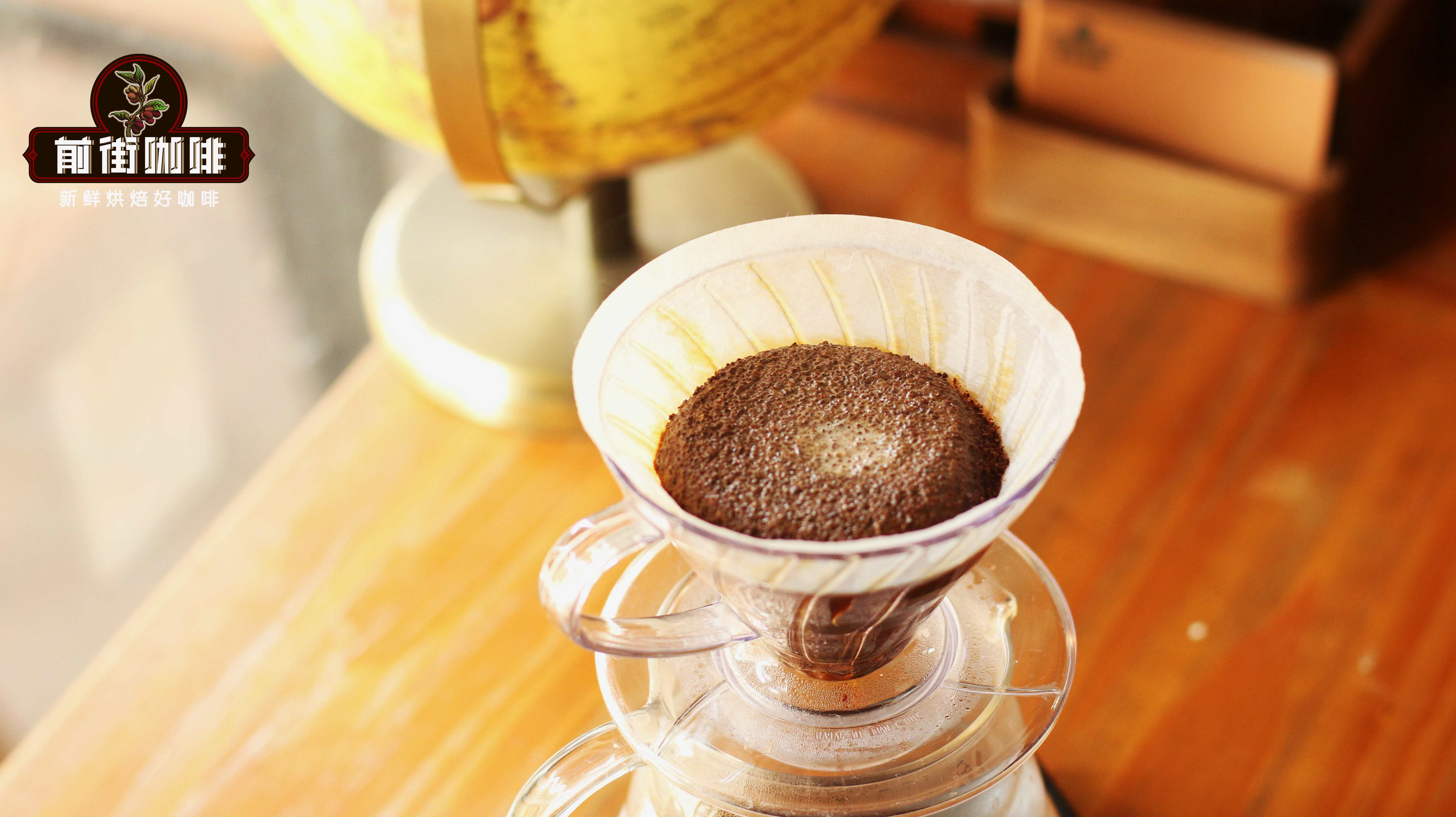
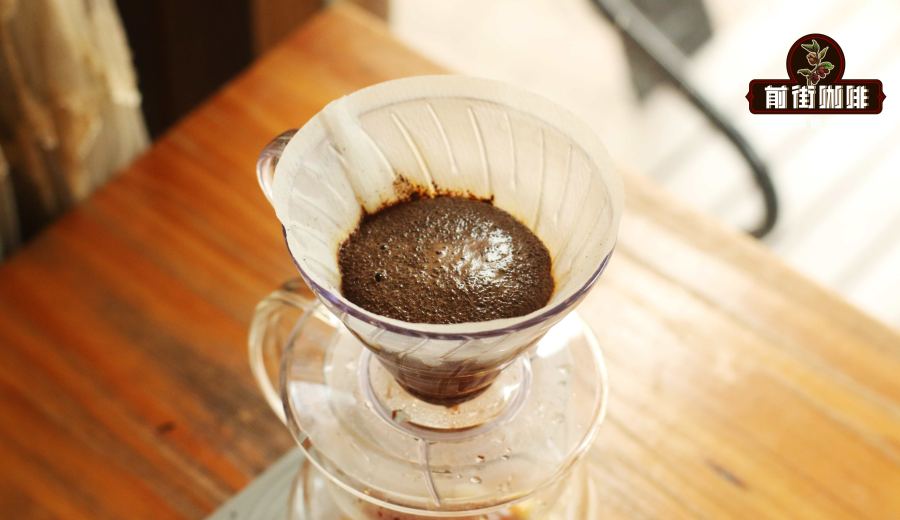
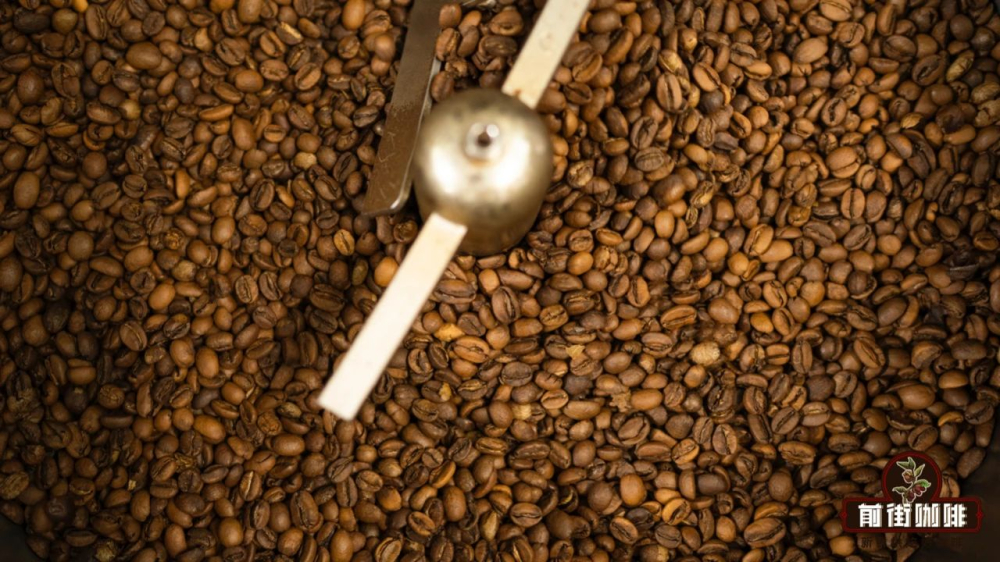
During blooming, you can observe the coffee grounds gradually forming a small mound-like shape as internal gases expand due to heat. This happens because the internal structure of coffee grounds resembles a honeycomb, filled with tiny pores. When heated, the gases are rapidly released, pushing the coffee layer upward. At the same time, hot water begins to seep into the coffee bed, dissolving soluble substances and forming a highly concentrated initial brew. As the gases are gradually released and the temperature drops, the remaining air contracts, and visually, the small mound begins to dry, showing slight cracks or collapse—this usually indicates that blooming is complete and the next stage of pouring can begin.
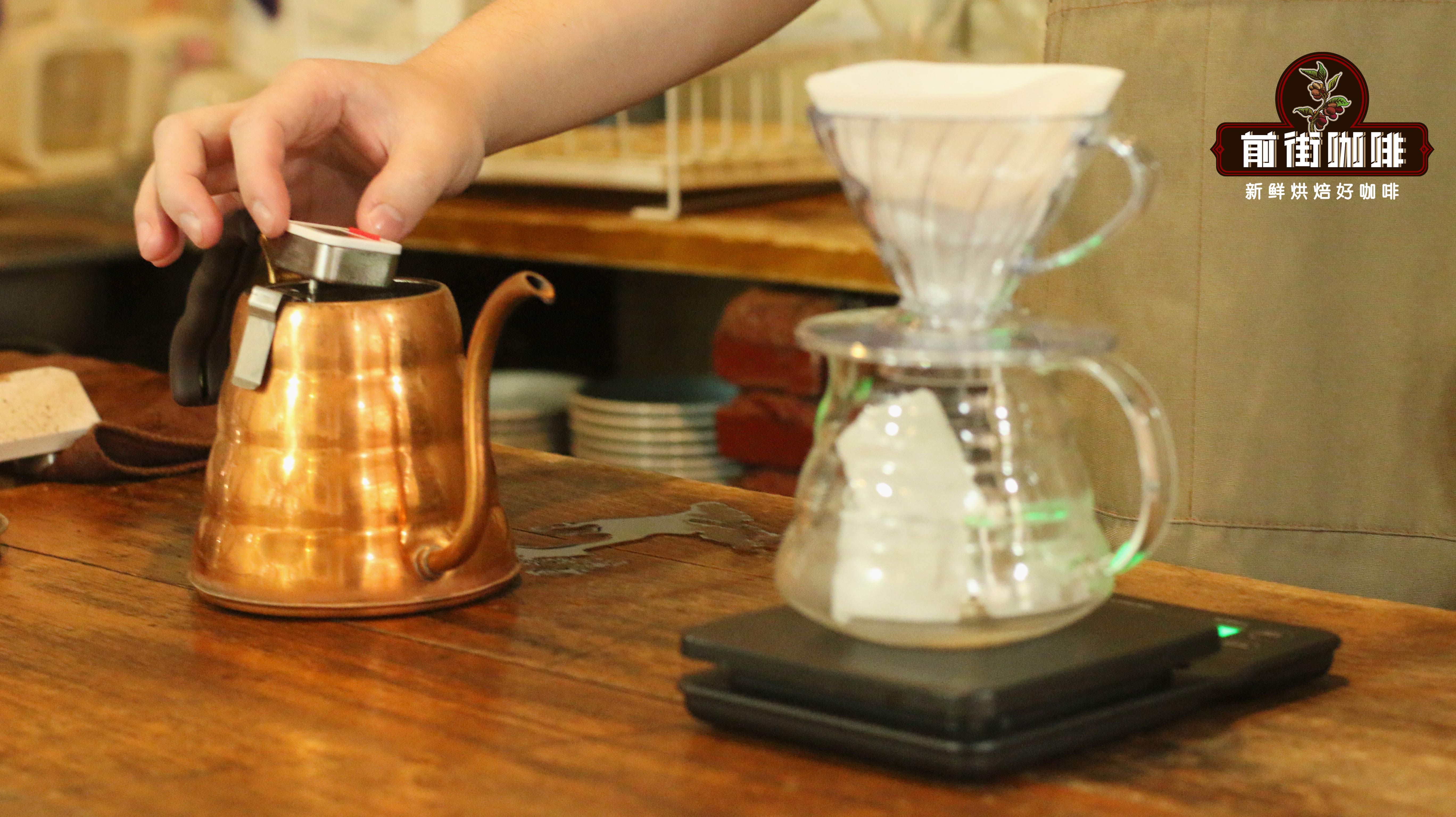
Next, let’s discuss the steps following blooming in the pour over process. The commonly used method is the three-stage pouring technique, with a total brew time controlled at approximately two minutes, divided into blooming, the second pour, and the third pour. This segmented approach helps clearly highlight the flavor profiles of the coffee’s front, middle, and back notes.
The first stage is the blooming phase, primarily aimed at gas release. When using beans that have degassed for four or five days, the blooming time is set to 30 seconds. Observing the end of the surface expansion and the appearance of slight shrinkage marks the completion of blooming. For roasted beans with a shelf life of up to one month, this duration is typically sufficient to release the internally accumulated gases.
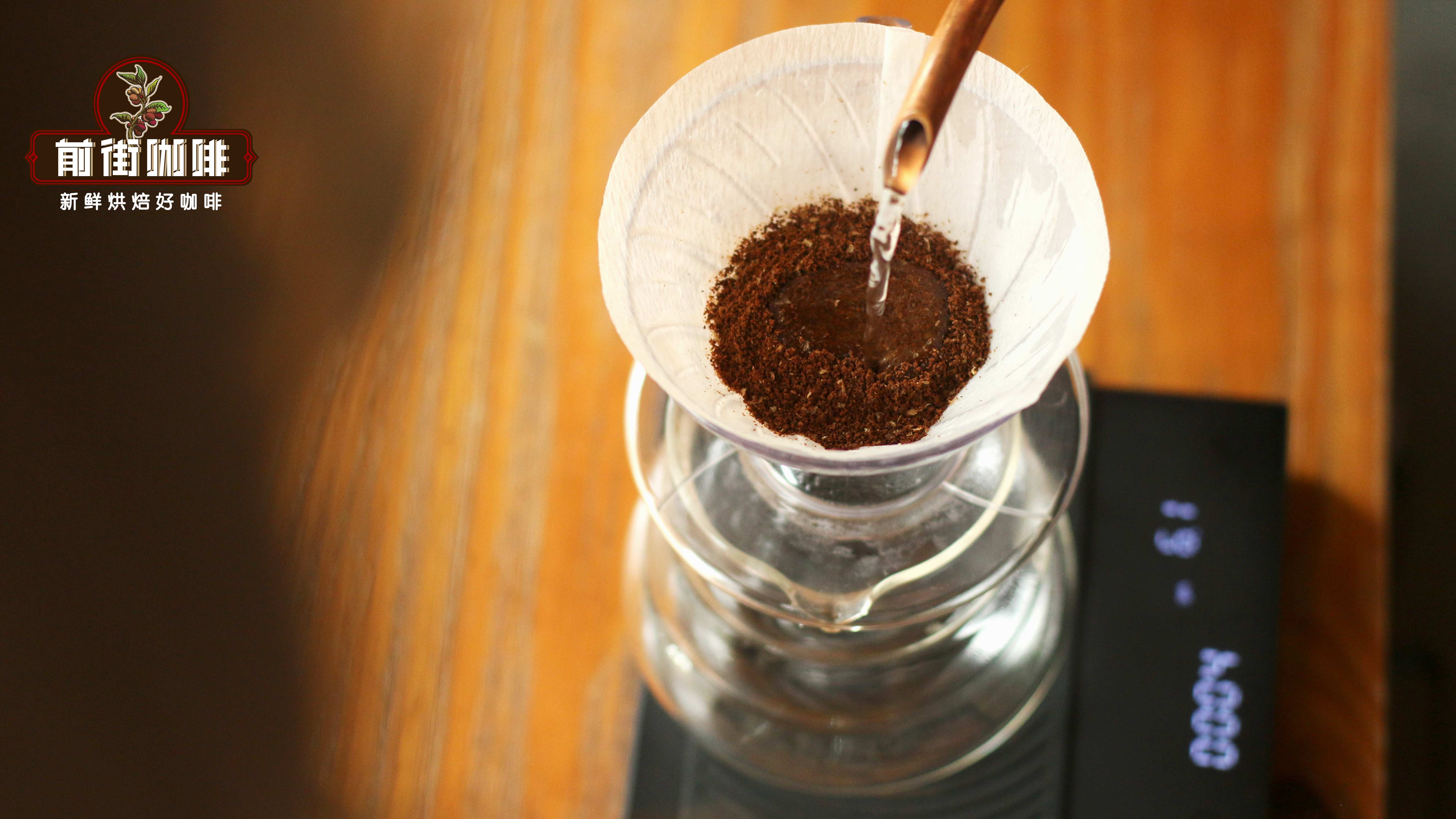
The second pour starts timing immediately after blooming ends and lasts for about 30 seconds, with the overall timing reaching approximately one minute. Water should be poured starting from the center, using a small stream injected into the bottom of the coffee bed. Keep the circular motion range as small as possible to ensure the water penetrates directly, then gradually expand outward.
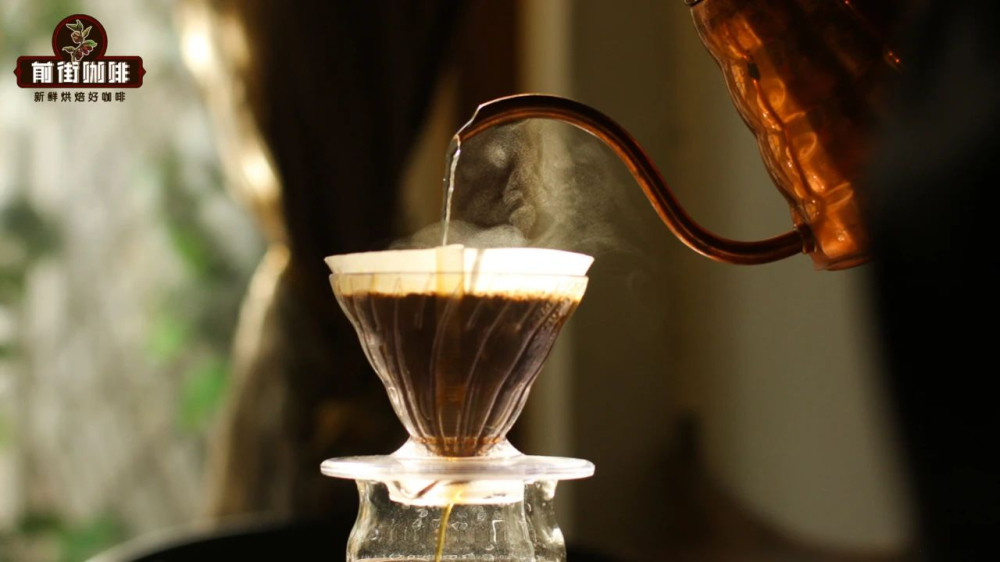
For the third pour, attention should be paid to the water level drop. It is recommended to begin when the coffee bed is about to become exposed. Again, start pouring in a circular motion from the center. The water volume should not exceed the height of the coffee bed. Typically, pouring stops at around 1 minute and 50 seconds, with the entire filtration process completed in approximately two minutes.
Regarding the number of pouring stages, a common question is: is the three-stage method the best option? To investigate this, a comparative experiment was conducted using two-stage (control group), one-stage (Group A), and three-stage (Group B) pouring techniques. Cupping evaluations were carried out to assess flavor performance and extraction efficiency.
The experimental parameters were as follows: Ethiopian Yirgacheffe Konga Cooperative coffee beans were used, with consistent grind size and brew ratio, and the only variable was the number of pouring stages. The results showed that increasing the number of pouring stages introduced intervals between each stage, allowing the coffee to continue extracting during these breaks. This extended the total brew time and improved the extraction yield of compounds. However, overly long extraction times can lead to over-extraction and a bitter, astringent taste, while too short a time may result in insufficient flavor compounds and a flat taste. Although the three-stage method demonstrated a better balance in this experiment, it is not the only optimal solution. In practice, adjustments can be made flexibly based on factors like grind size and brew ratio.
The above content is compiled by CoffeeHunters, a coffee news website.


