







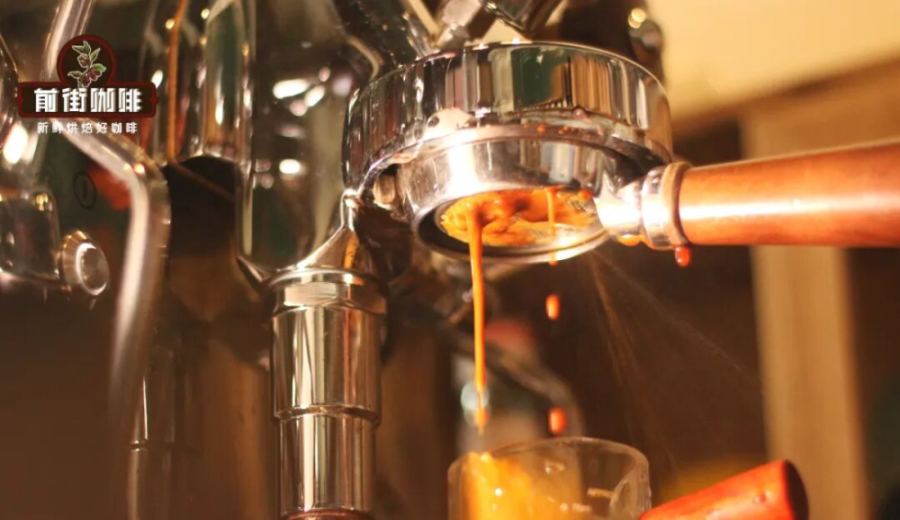
Introduction:When making a well-balanced shot of espresso, it’s common to encounter issues such as sudden coffee spray or uneven extraction caused by channeling. These phenomena not only affect the aroma and taste of the coffee but can also completely diminish the intended rich layers of flavor. This article will delve into the various causes of channeling—from distribution techniques and dose control to coffee puck clumping—and provide professional solutions. We’ll also explore the practical effectiveness of bottomless portafilters to help you improve your espresso extraction quality.
To brew a balanced shot of espresso, stability during the extraction process is crucial. However, in practice, many coffee enthusiasts often face sudden espresso spray, channeling, or visible piercing through the puck. These issues not only disrupt extraction uniformity but also directly impact the final aroma and flavor profile, often leading to undesirable tastes such as sourness, burnt bitterness, and watery mouthfeel.
This article will analyze the causes of channeling from a professional perspective, covering details such as distribution, improper portafilter handling, incorrect dosing, and puck clumping. We’ll offer practical and effective improvement suggestions. Additionally, we’ll discuss whether bottomless portafilters can truly solve channeling issues and include expert-recommended espresso blends to help you steadily enhance the overall quality of your espresso.
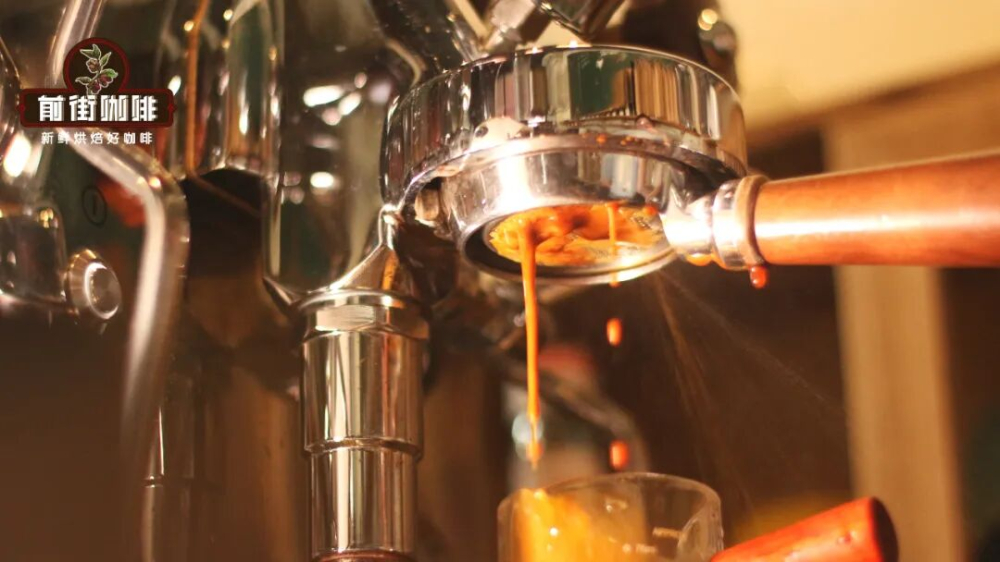
Why does espresso suddenly shoot out? To answer this, we first need to understand the basic extraction conditions of a standard espresso shot: fine grind size, high water pressure, and short extraction time. This means that hot, high-pressure water must penetrate a tightly packed coffee puck in an extremely short period. However, just as people seek the easiest path when faced with obstacles, pressurized water naturally chooses the route of least resistance to flow through.
Once the density inside the coffee puck is uneven, the pressurized water will preferentially flow through the loosest or least dense areas, eventually concentrating and breaking through one side of the puck at the bottom of the portafilter. This results in a noticeable spraying effect. If you’re using a bottomless portafilter, the extracted coffee often appears lighter in color, produces excessive foam quickly, and may even splash everywhere—this is what the industry commonly refers to as "channeling."
Channeling not only causes liquid to splash out but more seriously leads to uneven extraction. When you remove the portafilter, you might notice water pooling at the bottom of the basket or small holes on the surface of the coffee grounds. These signs indicate that some coffee has been over-extracted while other parts have been under-extracted. The resulting coffee often has weak aroma, thin body, and is accompanied by unpleasant flavors such as sourness, watery mouthfeel, burnt bitterness, and astringency.
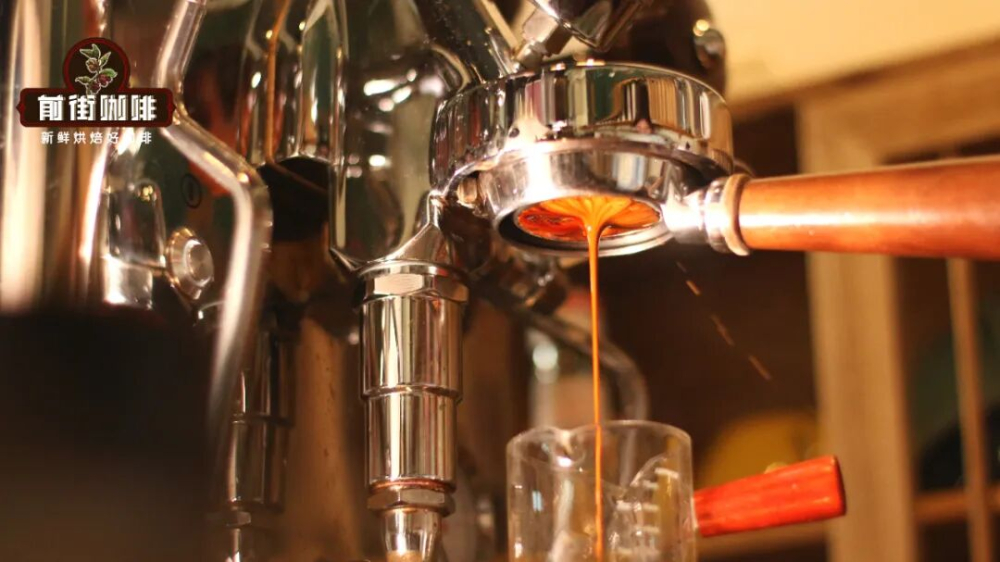
For beginner coffee enthusiasts, selecting the right coffee beans is particularly important. Since espresso itself has an intense and layered flavor profile, it can easily amplify the inherent characteristics of the beans. Light-roasted beans may therefore come across as overly sour, which is why beginners are advised to avoid them. Additionally, the crema of espresso is not only a visual highlight but also an important carrier of aroma. If you want to produce crema rich in roasted aromas, it’s recommended to choose professionally blended medium-to-dark roast beans.
A classic medium-to-dark roast espresso blend often combines beans from different origins, showcasing a rich variety of aromas while ensuring stable crema production. It’s very suitable for home brewing and milk-based coffee drinks like lattes that require latte art.
In fact, even for experienced baristas, channeling remains a challenge that’s hard to completely avoid. Even with extensive hands-on experience and refined skills, under certain specific conditions, varying degrees of channeling can still occur—though the symptoms may be less obvious and can be quickly adjusted based on experience. In contrast, beginners need to systematically identify the root causes of the problem in order to make targeted improvements.
So, what common operational mistakes can lead to channeling?
1. Uneven distribution or missing distribution steps
Whether watching tutorial videos or reading technical articles, the importance of distribution is repeatedly emphasized. The essence of distribution is to evenly spread the coffee grounds in the portafilter basket so that each particle is evenly saturated with water, achieving consistent extraction. But precisely because the step seems simple, it’s often overlooked in actual practice.
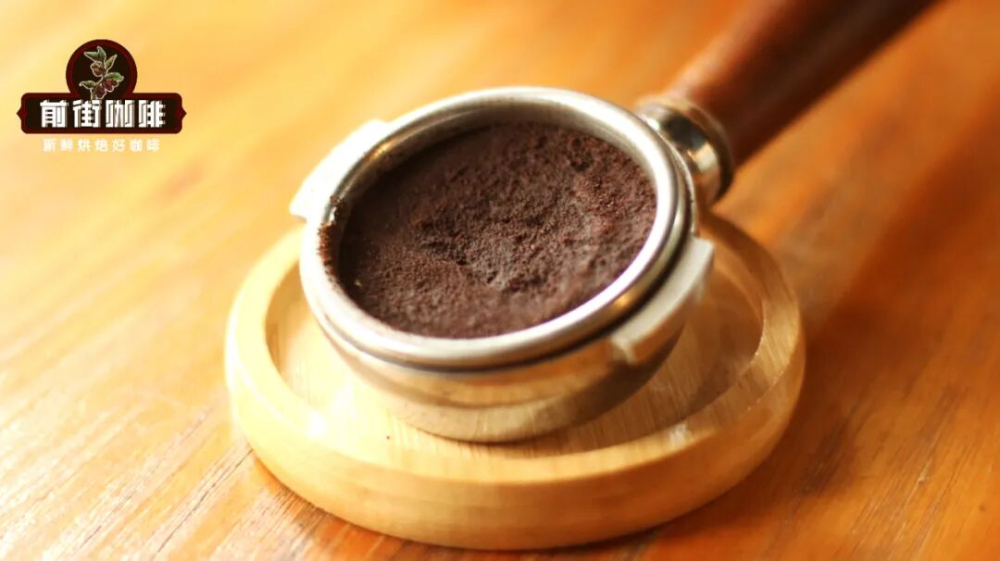
For example, some operators rush to tamp before leveling the coffee bed, which can create barely noticeable dents or gaps around the edges of the puck. When hot water passes through these areas, it tends to concentrate and break through, resulting in spraying or piercing.
2. Portafilter knocks causing puck damage
Channeling doesn’t only stem from uneven puck density; gaps between the puck and the basket can also cause water to concentrate and break through. After distribution, if the portafilter is installed too forcefully or at the wrong angle—especially if it bangs against the group head—it can cause cracks or breakage in what was once a compacted puck, further creating “holes.”
If you’re sure your distribution technique is correct but still frequently experience spraying during extraction, it’s advisable to review your operation procedures to avoid unnecessary bumps and vibrations.
3. Insufficient dose or overly fine grind
Assuming an even distribution, the flow rate of water is closely related to extraction efficiency. When the grind is too fine, the density of the tamped puck increases significantly, creating high resistance to water flow. In such cases, the pressurized water seeks an outlet and often concentrates through the weakest parts of the puck, or even flows along the edges of the basket.
Additionally, if the dose is too low, the distance between the puck and the shower screen increases, which may also cause the top layer of coffee grounds to shift during extraction, thereby triggering channeling. In practice, you can refer to standard extraction parameters: for example, using a 1:2 brew ratio, if you use 20g of coffee, the target yield is 40g, and the time should be controlled between 25 and 30 seconds. If the extraction time exceeds 35 seconds, or if the latter part of the shot becomes noticeably lighter, it may be due to an overly fine grind, and it’s advisable to adjust the grind setting coarser.
4. Coffee puck clumping
During the grinding process, static electricity generated by friction—or high environmental humidity, especially on rainy days or when using dark roast beans—can cause coffee grounds to clump. These clumps are much denser than the surrounding coffee, so water naturally avoids these high-resistance areas and diverts to lower-resistance zones, leading to channeling.
Solutions include using a needle distributor or simple tools (like toothpicks) to gently stir the coffee bed before tamping, breaking up clumps and evenly distributing the grounds to ensure consistent puck density.
Can a bottomless portafilter solve channeling issues?
Faced with common spraying and channeling problems, some users might consider switching to a bottomed “distribution portafilter,” thinking it can regulate the water path. However, although a bottomless portafilter can guide coffee through fixed dual streams, if the puck itself has uneven density, clumps, or distribution flaws, the pressurized water will still find the path of least resistance to break through.
On the surface, a bottomless portafilter may make the flow rate appear more stable and won’t produce obvious spraying like a bottomless one, but in reality, internal uneven extraction still exists. After removing the portafilter, you may still observe noticeable puncture marks, affecting the final coffee quality.
The above content is compiled by CoffeeHunters, a coffee news website.


