







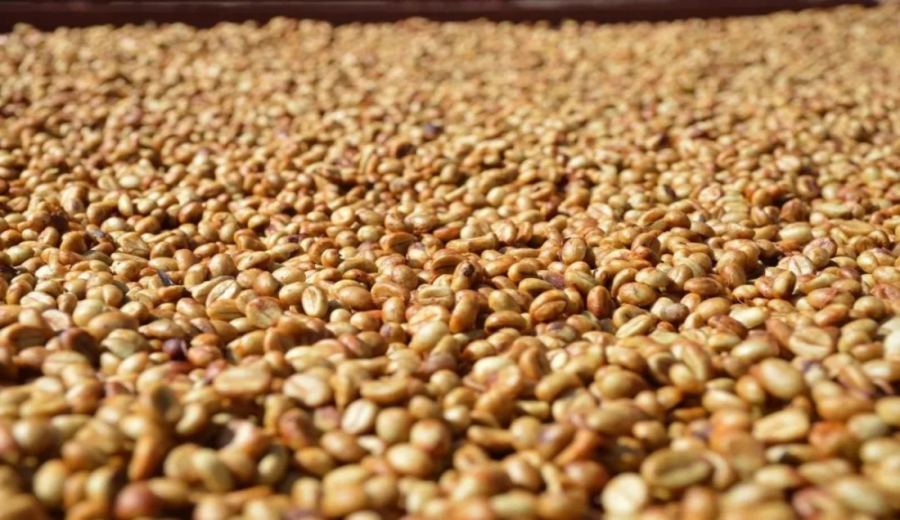
Introduction:Honey processing is a coffee processing method that falls between washed and natural processing, originating in Costa Rica. It influences the final flavor by retaining varying degrees of fruit mucilage. This article delves into the origins of honey processing, the differences among its four main categories, as well as the drying times, fermentation characteristics, and typical flavor profiles of each type—helping you choose the right beans more precisely for your brewing method.
Honey processing (also known as Miel Process) gets its name from the Spanish word "Miel," which means honey. This method first appeared in Costa Rica and is characterized by retaining some of the fruit’s mucilage, then controlling the drying process to impart richer sweetness and complexity to the coffee beans. Compared to the bright acidity of traditional washed processing or the intense fruity notes of natural processing, honey processing strikes a middle path—offering both fruity sweetness and clear acidity.
The most distinctive feature of honey processing is that it is divided into four main types—black honey, red honey, yellow honey, and white honey—based on the proportion of mucilage retained and the frequency of turning during drying. These classifications not only affect the final flavor of the coffee but also directly relate to drying time, fermentation level, and processing difficulty. Understanding these differences can help you select coffee beans that better match your taste preferences.
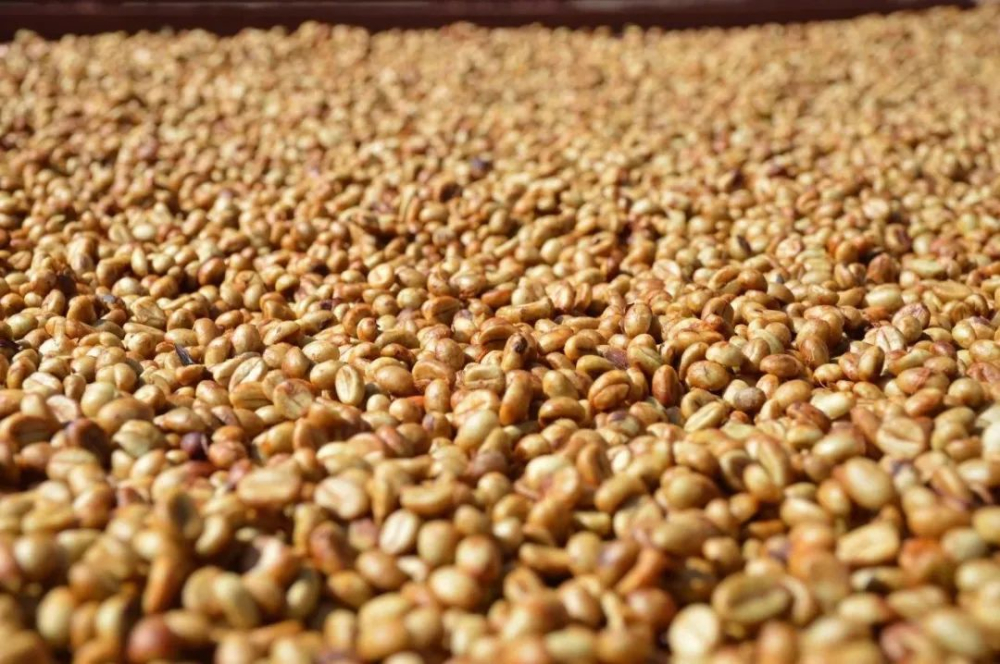
Many people, upon seeing the term "honey processing," naturally associate it with honey. However, the "honey" here actually refers to the sticky mucilage layer in the coffee fruit, not actual honey. This term originated in Costa Rica, where local farmers commonly refer to the gelatinous inner layer left after removing the coffee cherry husk as "Miel." The prototype of this processing method can actually be traced back to Brazil’s Pulped Natural (semi-washed), primarily developed as a water-saving technique.
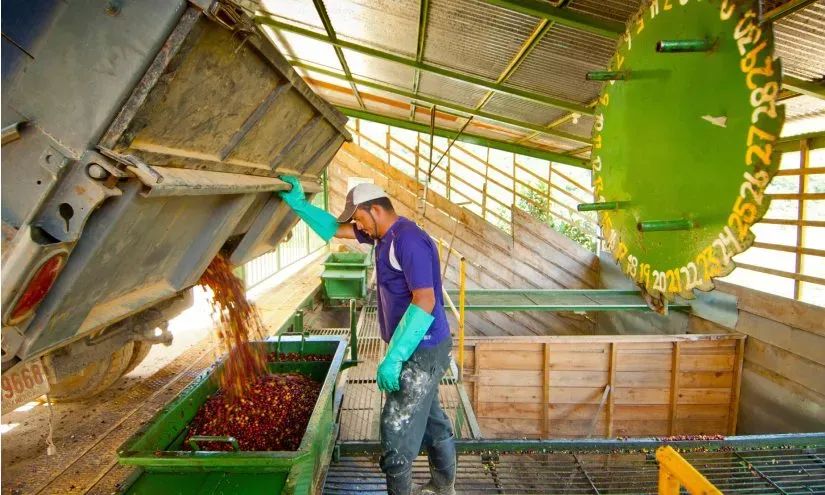
Until the late 1990s, Costa Rica almost exclusively used washed processing nationwide and was one of the pioneers of modern washed techniques. However, between 1997 and 2000, when international coffee prices remained persistently low, many coffee farmers began seeking alternative solutions. Instead of selling all their coffee cherries to large processing mills, they started processing the cherries themselves, which led to the emergence of new methods such as pulped drying. It wasn’t until 2006, when a farmer named Juan Ramón Alvarado won both the first and second places in the Costa Rica GOLDEN HARVEST green coffee competition hosted by the SCAA with two honey-processed coffees, that this method began to attract widespread attention.
The classification of honey processing into black honey, red honey, yellow honey, and white honey is mainly determined by the proportion of mucilage retained during drying and the frequency of daily turning. Generally speaking, the drying time for honey processing ranges from about two to four weeks—longer than washed processing but shorter than traditional natural processing. Its flavor profile falls right between the two, often featuring intense ripe fruit sweetness while maintaining bright acidity—a balance that many natural-processed coffees struggle to achieve.
Compared to washed processing, honey processing can save about 40% of freshwater usage and reduce defective flavors caused by prolonged sun exposure. Additionally, because the sugars in the mucilage gradually seep into the seed during drying, the coffee often exhibits delicate fruity acidity and floral aromas during cupping, resulting in a clean and layered mouthfeel. This is one of the reasons why the honey processing method has rapidly gained popularity in Central and South America and is widely favored in the specialty coffee market.
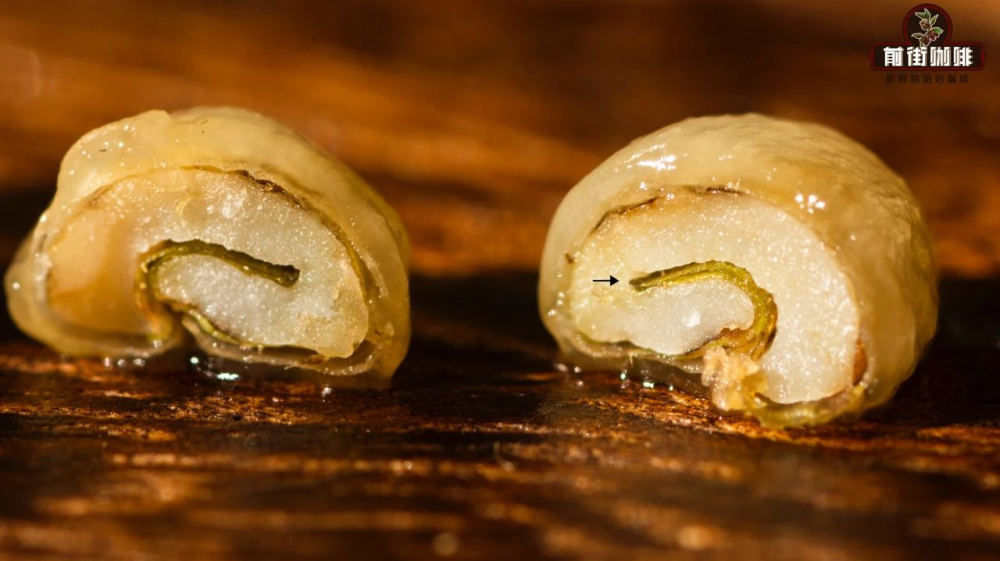
Mucilage is a sticky substance located between the coffee fruit’s skin and the parchment layer, primarily composed of water, proteins, reducing sugars, and pectin. When the coffee fruit ripens, enzymes convert the hard pulp fibers into a sugar-rich hydrogel state. During honey processing, after most of the pulp is removed by machine, the remaining viscous layer on the parchment is the key factor influencing the final flavor. The more mucilage retained, the more pronounced the fermentation characteristics and sweetness—but this also places higher demands on the control of the drying process.
Black honey is the type of honey processing that retains the most mucilage, usually leaving almost all of it intact, resulting in the longest drying time—at least 14 days or more, sometimes even longer. To avoid overly rapid drying, farmers typically use shade nets to reduce direct sunlight, and in some regions, even sun-drying in the shade is employed to ensure sufficient sugar conversion. Although this method yields the most intense flavors, it also carries the highest risk and demands the strictest environmental and technical conditions. Black honey-processed green beans often have uneven coloration and strong fermented aromas, making them a representative style of honey processing.
Red honey retains approximately 50% to 80% of the mucilage and is the most common type of honey processing on the market. The drying time is around 12 days, and the frequency of turning needs to be adjusted according to weather conditions—usually requiring multiple turns per day to ensure even drying. Compared to black honey, red honey has slightly less fermentation character but still offers rich sweetness and fruity notes, making it a popular entry point for many coffee enthusiasts trying honey-processed beans.
Yellow honey retains a lower proportion of mucilage, typically between 15% and 50%, with a drying time of about 8 days and requiring frequent turning and ample sunlight. Due to the smaller amount of mucilage retained, the drying speed is faster, and the green beans usually exhibit a uniform yellow-green appearance. The flavor tends to lean toward bright acidity and refreshing fruitiness, with light, airy notes reminiscent of uncooked rice or fresh grass.
White honey is the type of honey processing that retains the least mucilage, typically only about 10% to 15%, nearly approaching washed processing. The drying process requires frequent turning and is often done in thin, evenly spread layers to accelerate moisture evaporation—the overall drying time is the shortest. White honey green beans have the lightest coloration, and their flavor profile is cleaner, often with herbal and subtle floral notes, featuring noticeable acidity but relatively restrained sweetness.
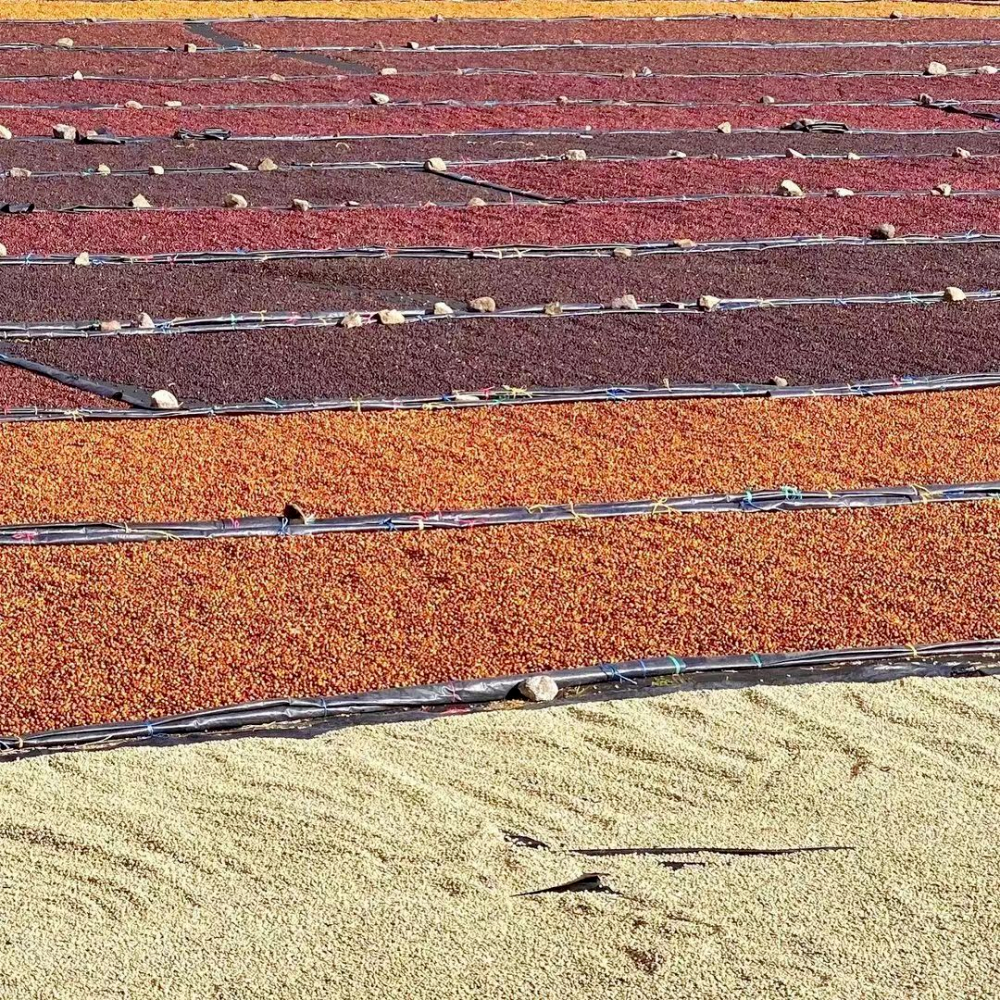
It’s important to note that although the industry commonly categorizes honey processing by black, red, yellow, and white to indicate intensity, there is actually no unified international standard for these classifications. Different regions and processing facilities may use different naming conventions for the same color category—for example, what one farm calls "red honey" might be classified as "yellow honey" elsewhere. Therefore, when selecting, in addition to referring to color categories, it’s advisable to also consider specific processing parameters and flavor descriptions to find the honey-processed coffee that best suits your taste.
The above content is compiled by CoffeeHunters, a coffee news website.


