








Introduction:SOE (Single Origin Espresso) is an espresso crafted from single-origin coffee beans, offering more concentrated and distinct flavors, but requiring higher standards in roasting and extraction. This article explains the difference between SOE and blended beans, highlights common mistakes when selecting SOE, and recommends three practical beans based on three major flavor profiles—acidic, fruity-fermented, and bold-bitter—namely Colombia Gesha, Costa Rica Blackberry, and Brazil Queen Estate, to help you find an SOE that suits your taste.
When ordering at a café, a barista might ask: "Would you like to try our SOE?" This Single Origin Espresso has gained increasing popularity among coffee enthusiasts in recent years. Unlike common blends, which aim for overall balance and layered flavors, SOE focuses on highlighting the unique characteristics of a specific origin, such as bright fruit acidity, rich chocolate notes, or captivating fermented aromas.
However, making good SOE is not easy. From the quality of the beans, the degree of roasting, to extraction parameters, each step requires careful adjustment; otherwise, it can easily result in excessive acidity, bitterness, or a flat flavor. Especially when using extremely dark or light-roasted single-origin beans to make SOE, it often leads to unappealing harsh tastes. Therefore, understanding the characteristics of SOE and the flavor types it suits well is key to choosing the right beans.

The concept of SOE originates from the exploration of “single-origin” flavors. Compared to blends that mix beans from different regions, SOE uses beans sourced from a specific origin only, allowing the soil, climate, and varietal characteristics of that area to be fully expressed. For example, a Yirgacheffe SOE often features fresh floral and citrus notes, while a Huehuetenango SOE may present nutty and chocolatey sweet richness.
Since espresso machines extract under high temperature and pressure, the flavors are greatly amplified—acidity becomes sharper and bitterness more pronounced. Therefore, to bring out the ideal “personality” of SOE, not only should the bean itself have a low defect rate, but the roast profile also needs to be precisely controlled. Over-roasting can suppress delicate aromas, leaving only burnt bitterness, while under-roasting may lead to difficult extraction and flat flavors, especially when milk is added.
Generally speaking, when selecting SOE beans, it’s recommended to start with three main flavor directions: bright fruity acidity, fermented wine-like notes, and bold rich bitterness. Choosing based on your personal taste preference will make it easier to find a bean you love.
The first type is bright fruity acidity, suitable for those who enjoy vibrant fruit flavors. For instance, a certain coffee brand’s Colombia Gesha SOE comes from the Boundary Line Estate in the Huila region, close to a volcanic zone with fertile soil containing unique minerals, giving the coffee rich aromatic potential. This bean is processed via double anaerobic natural fermentation—the coffee cherries undergo special fermentation after ripening and are then medium roasted, bringing out blueberry, passionfruit, ripe grape, and other fruit notes, along with an apricot-like sweet and tangy aftertaste.Origin: Colombia, Huila; Elevation: 1700m; Variety: Gesha; Processing Method: Double Anaerobic Natural; Roast Level: Medium.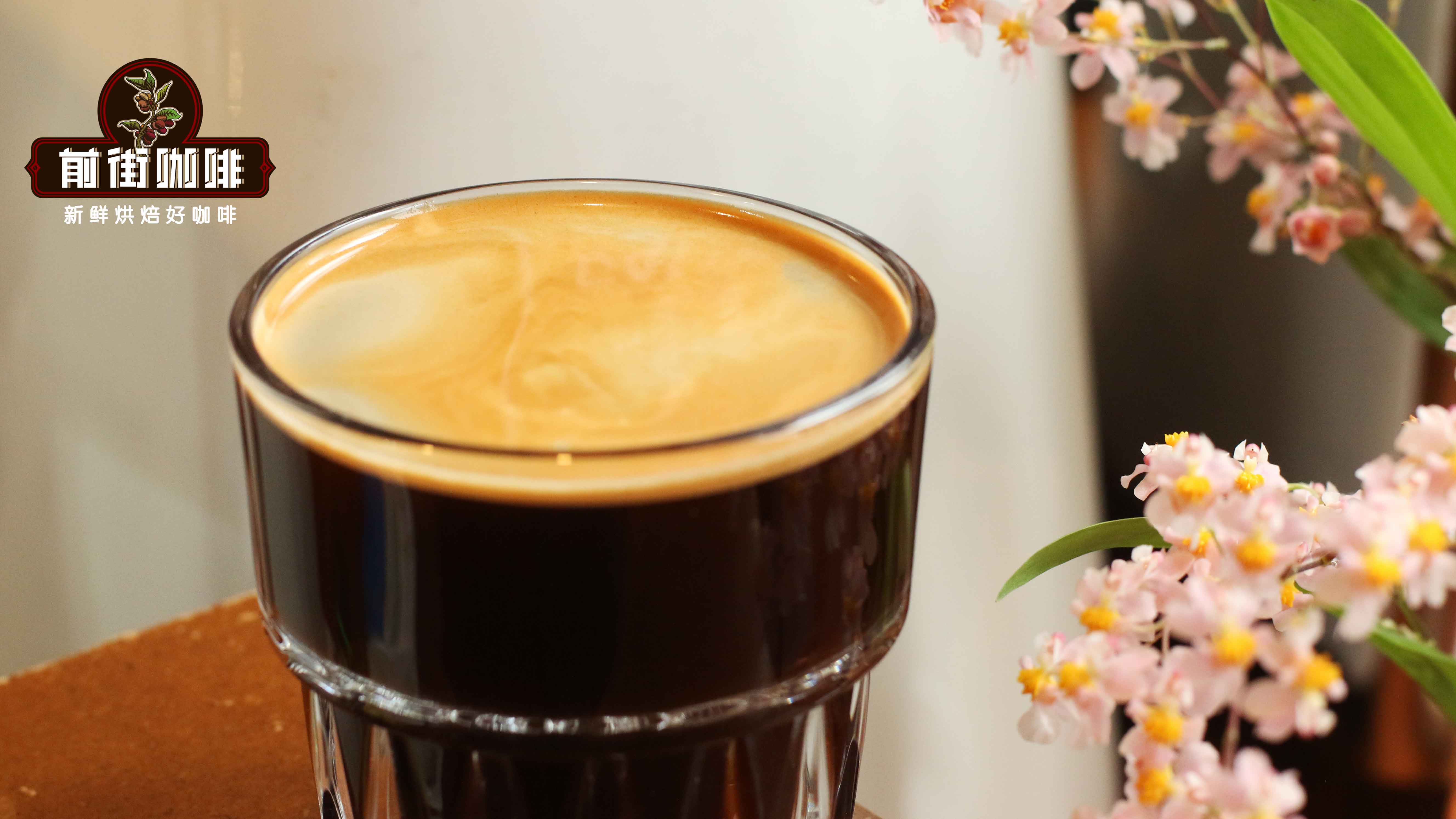
The second type is fermented fruity-wine aroma, suitable for coffee lovers who prefer sweet and fermented profiles. Costa Rica’s Blackberry coffee bean is one example, produced by the Pilon Mill in the Tarrazú region at around 1700m altitude, using the Caturra variety. This bean is processed using black honey—a honey process that retains the most mucilage, with almost no outer fruit layer removed—allowing sugars to ferment thoroughly during drying, usually taking over 14 days. This creates rich grape juice, blueberry, and floral notes, along with a distinct fermented wine aroma.
The third type is bold rich bitterness, suitable for those who prefer a traditional “coffee” flavor. The Brazil Queen Estate coffee bean is a prime example, grown at Fazenda Rainha in the Mogiana region, at elevations between 1400 and 1950 meters, using the Yellow Bourbon variety. This specialty coffee is processed using the natural (sun-dried) method, enhancing aromas like butter, peanut, and nuts, while also providing a sweet, long-lasting cane sugar note. When made into SOE, it delivers a rich coffee aroma and a lingering finish.Origin: Mogiana; Elevation: 1400–1950m; Variety: Yellow Bourbon; Processing Method: Natural; Recommended Roast: Medium-Dark to Dark Roast.
In summary, when choosing an SOE, it's important not only to understand its differences from blends but also to grasp the characteristics of various flavor profiles. From bright acidity, sweet wine notes to bold bitterness, each style has its own unique charm. With the three carefully selected SOE beans from Colombia, Costa Rica, and Brazil introduced above, whether you’re a beginner or a coffee connoisseur, you can find the most satisfying single-origin espresso experience.
The above content is compiled by CoffeeHunters, a coffee news website.


