







Introduction:The processing method of coffee beans directly influences their flavor profile. From traditional methods like natural (sun-dried), washed, and honey processes to the recently spotlighted enzymatic anaerobic techniques, each approach carries unique charm and technical challenges. This article delves into the workflows of these major and emerging processing methods, explains their logic in shaping flavor characteristics, and supplements practical parameters such as drying time and fermentation conditions to help you understand how to choose the right coffee flavor through processing methods.
The final flavor expression of a cup of coffee is actually quietly determined during the post-harvest processing stage. Among the various green bean processing methods, natural (sun-dried), washed, and honey processes are regarded as the three classic techniques, each with its representative flavor characteristics and processing logic. Meanwhile, the emerging enzymatic anaerobic fermentation introduces more precise microbial control during fermentation, further expanding the sensory layers of coffee. This article will detail the operating principles, process steps, and typical flavor profiles of these processing methods, assisting coffee enthusiasts in making more accurate choices based on personal preferences.
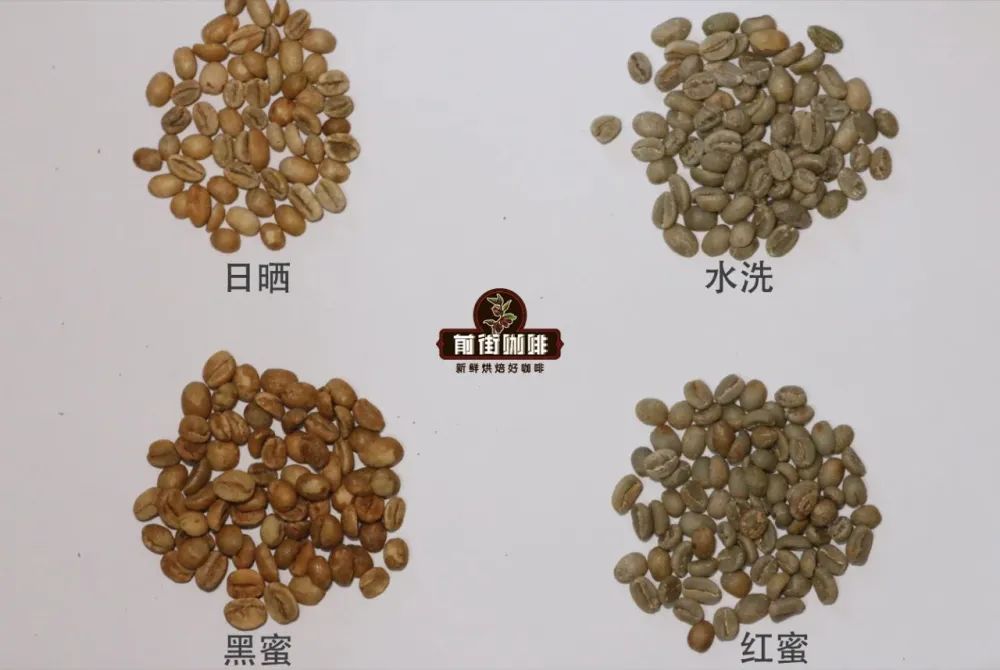
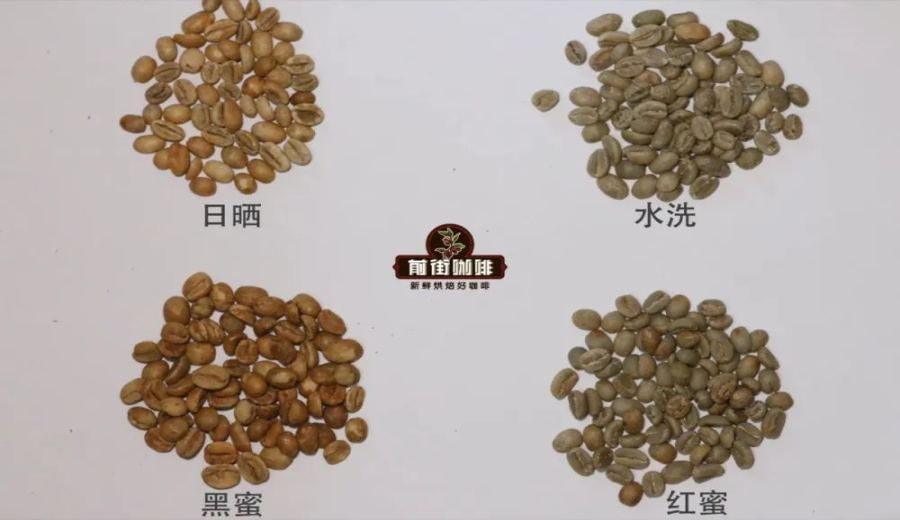
First, let’s talk about the most traditional and regionally distinctive processing method. The natural (sun-dried) process, also known as the natural process, is the most primitive method of drying coffee beans. After harvesting, farmers will first hand-sort to remove unripe, overripe, or insect-damaged defective cherries, ensuring that only mature, intact coffee fruits proceed to the next stage. Next, these fruits are evenly spread on raised beds, tarps, or cement floors to dry under ample sunlight for three to four weeks, during which they must be constantly turned to ensure even heat exposure. Once the moisture content drops to around 11%, the beans are then hulled. This method preserves the natural sugars in the pulp and mucilage, allowing the coffee to accumulate rich sweetness and complex fruit aromas during the drying process, often resulting in intense berry notes, wine-like aromas, and a full body. Especially in Ethiopia’s Sidamo region, the natural process can fully showcase the berry acidity and berry sweetness of the region’s native varieties.
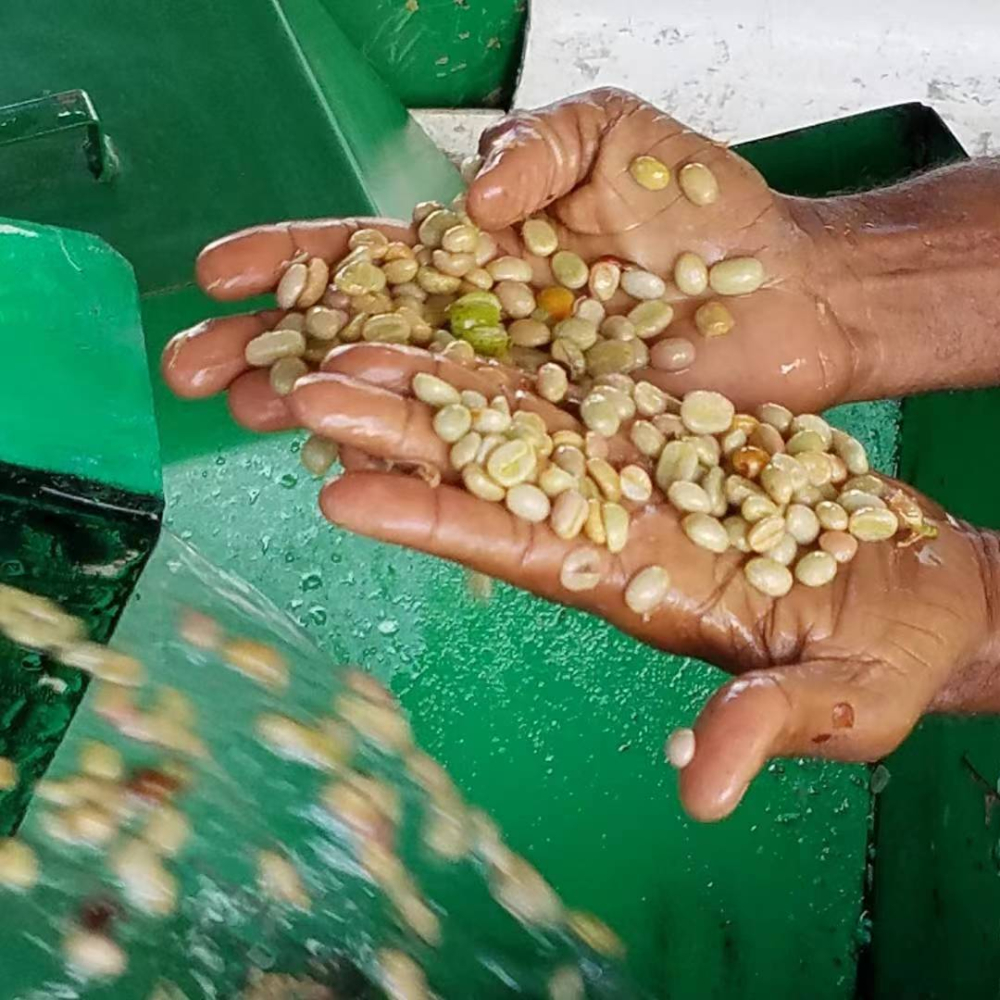
In contrast, the washed process places greater emphasis on "cleanliness" and "consistency." After harvesting, coffee cherries need to be delivered to the processing facility within six to twelve hours and are first subjected to flotation to remove unripe cherries and impurities. The outer fruit skin is then removed using a pulper, and the remaining mucilage and sticky substances are broken down through a 18 to 36-hour fermentation process. After fermentation, the residues are rinsed away with clean water, and the beans are then dried for five to fourteen days to stabilize the moisture content at 11%. This method effectively reduces interference from impurities and off-flavors, highlighting the coffee’s bright acidity and vivid fruit aromas. It is the most common processing method in Ethiopia’s Yirgacheffe region, creating its clean flavor profile with citrus, black tea, and caramel-like notes.
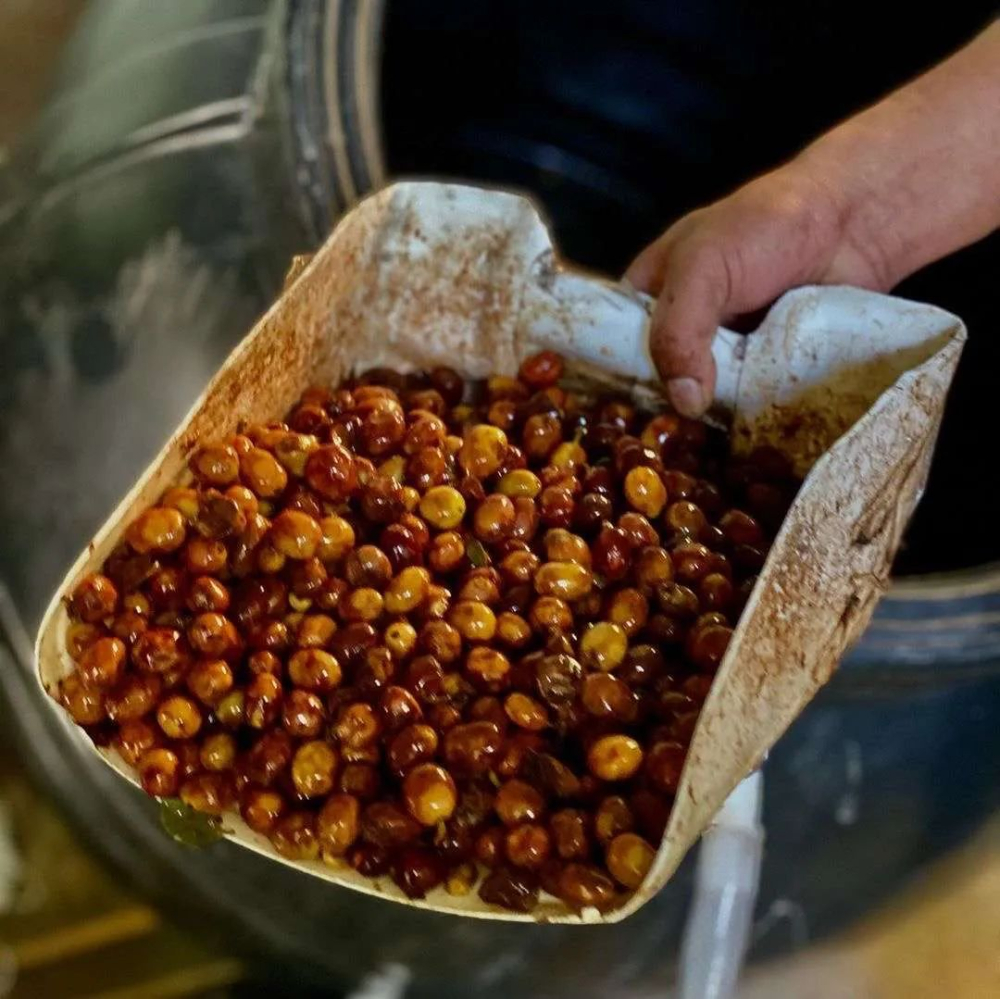
The honey process is a compromise between the natural and washed methods and is also a classic technique in Central and South America, particularly in Costa Rica and El Salvador. The honey process retains part of the mucilage during drying, and through the interaction of sugars in the mucilage and heat, it imparts a richer sweetness and fuller body to the coffee. Depending on the amount of mucilage retained, it can be categorized into black honey (retaining nearly 100%, dried for over 14 days), red honey (about 80%, dried for about 12 days), yellow honey (40–60%, dried for about 8 days), and white honey (also 40–60%, but dried thinner and faster). Among them, black honey processing requires strict shading to prevent overly fast drying, ensuring sufficient sugar conversion; while white honey, due to faster drying, tends to have a relatively brighter flavor. The success of the honey process hinges on controlling the drying environment and temperature to avoid high temperatures causing uncontrolled fermentation or mold.

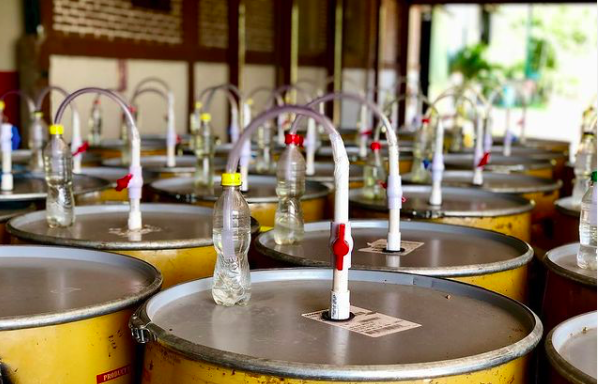
Beyond the traditional three processing methods, the emerging enzymatic anaerobic fermentation is gradually rewriting the definition of specialty coffee. This technique draws inspiration from winemaking, conducting fermentation in a completely sealed, oxygen-free environment while injecting carbon dioxide to drive out oxygen, thereby slowing down the sugar breakdown rate and making the fermentation process slower and more controllable. The fermentation vessel must be a professional, light-proof device capable of monitoring temperature and humidity, and both fermentation time and temperature directly affect the final flavor’s sweetness and complexity. The so-called "enzymatic anaerobic washed" involves adding specific enzyme groups during anaerobic fermentation, further enhancing aroma and acidity through biochemical reactions. After fermentation, the surface mucilage is still washed away, and low-temperature shade drying is used to prevent secondary fermentation. While this type of process can impart unique aromatic profiles to coffee—such as winey, floral, and complex fruity notes—if over-relied upon to mask inherent flaws in the beans, it may deviate from the original goal of quality enhancement.
The above content is compiled by CoffeeHunters, a coffee news website.


