







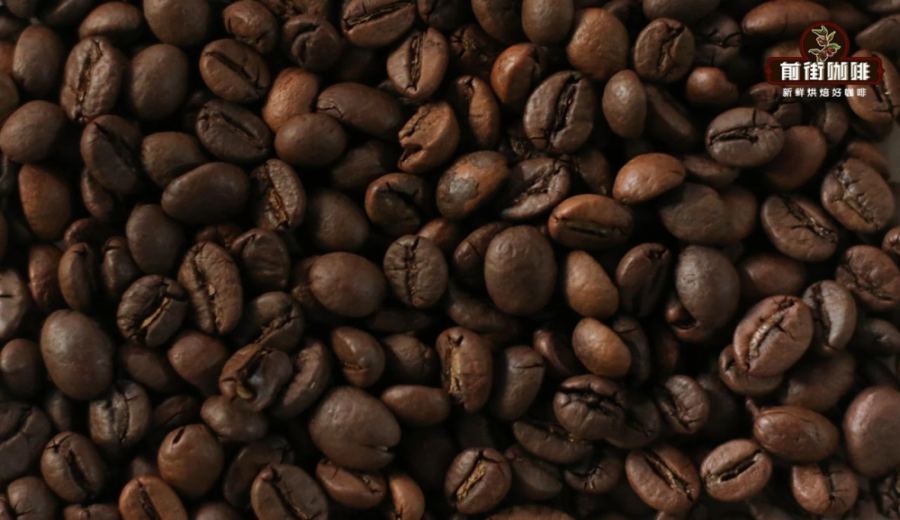
Introduction:Want to understand how the flavor of coffee beans changes across light to dark roasts? The Agtron color value is the industry’s key indicator for determining roast levels. From 95 for extremely light roast to 25 for extremely dark roast, each number represents different aromas, sweetness-acidity balance, and brewing methods. This article compiles detailed comparisons of eight major roast levels to help you grasp when beans are ready, their flavor profiles, and why Yirgacheffe suits light roasting while Mandheling prefers dark roasting—helping you find your own coffee flavor map.
The soul of coffee flavor largely depends on the roast level. From the cracking sounds and color changes as beans enter the roaster, to the final acidity-sweetness-bitterness balance in the cup, all are closely related to the timing of roasting. In professional settings, the Agtron color system is commonly used to quantify these differences—the higher the color number, the lighter the roast, and conversely, the lower the number indicates a darker roast.
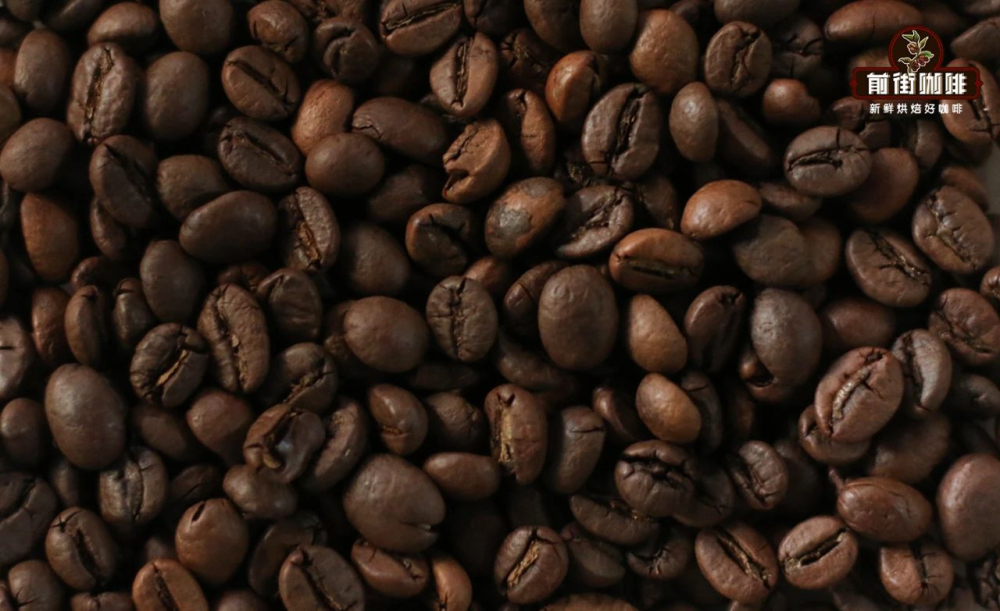
In the past, many believed that coffee had to be dark roasted to be aromatic and strong. But with the rise of specialty coffee culture, more consumers have come to appreciate the fruit, floral, and complex acidity notes showcased in light to medium roasts. Understanding which Agtron values correspond to which roast stages not only helps in selecting suitable beans but also allows better parameter adjustments during pour over or extraction.
In the industry, roast levels are typically divided into eight grades, distinguished by Agtron-measured color values. The higher the color value, the lighter the roast, retaining more of the bean’s original flavors; the lower the value, the darker the roast, with more pronounced caramelization and carbonization reactions bringing out intense bitterness, sweetness, and body.
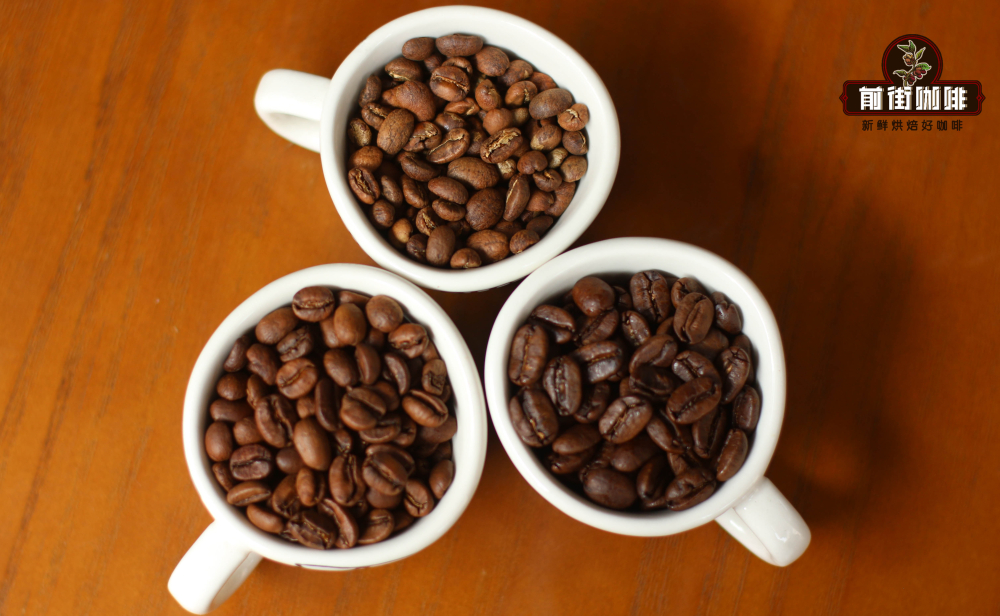
Agtron 95 Belonging to the extremely light roast category, also known as Light Roast, beans are generally dropped during the dense first crack phase, while they’re still actively cracking. At this stage, the coffee exhibits bright acidity and lively aromas, suitable for drinkers wanting to experience the terroir of the coffee origin. Common in high-altitude regions like Ethiopia—Yirgacheffe, for example—this roast highlights citrus, berry, and other vibrant flavors but has lower body, which beginners may need time to adapt to.
Agtron 85 This is the so-called Cinnamon Roast, dropped around the end of the first crack. Acidity remains the dominant note, but some sweetness and grainy aromas begin to emerge. This type of roast is less common on the market and is considered a more technique-oriented experiment, suitable for consumers seeking unique bean personalities.
Agtron 75 This is the standard Medium Roast, usually dropped after the first crack has completely ended. At this stage, sweetness gradually emerges, acidity is still clear but no longer dominant, making it suitable for most pour over enthusiasts. It balances fruity, caramel notes with moderate body. Descriptors such as honeydew and grape suit this roast well.
Agtron 65 This falls under Dark Roast (High Roast), with the drop point occurring after the first crack ends and before the second crack begins—the silent period. Coffee beans at this stage usually exhibit distinct nutty and caramel aromas, with acidity almost disappearing. It’s a choice for those who prefer a mellow mouthfeel. This roast is suitable for home daily use and is also common among many commercial beans.
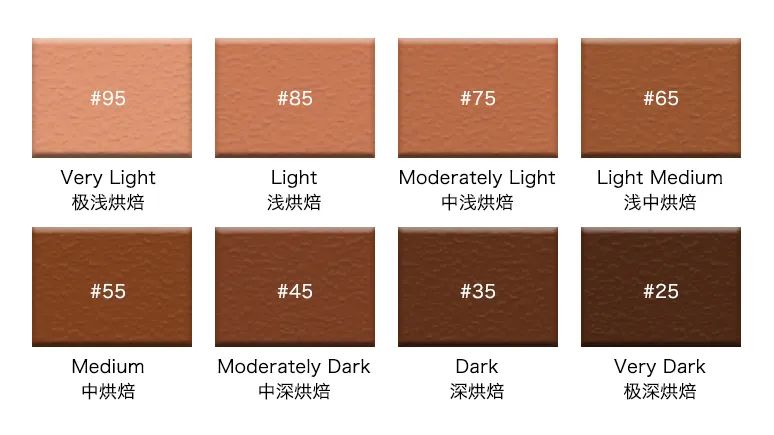
Going further down,Agtron 55 known as City Roast, is dropped at the very beginning of the second crack. At this point, bitterness and caramel aromas become more pronounced, with acidity almost fading into the background. It’s suitable for users who enjoy a full-bodied taste paired with bright sweetness. AndAgtron 45 Full City Roast, the full city roast, occurs just before the dense second crack. It already falls within the medium-dark roast range, with richer flavors and a toasty character.
When enteringAgtron 35 French Roast andAgtron 25 Italian Roast, we’re in the realm of extremely dark roasts. Beans at these two roast stages have glossy surfaces with visible oil exuding from the bean exterior. Aromas are dominated by carbonization and smokiness, with intense bitterness and almost no acidity. French Roast is dropped during the dense second crack, while Italian Roast waits until the second crack is fully complete, typically used for making espresso or Italian-style coffee beverages.
Although roasts starting from Agtron 65 are mostly bitter-sweet, in actual consumer markets, these dark roasts are not as popular as before. Most retail channels simplify roast levels into categories: light roast, light-medium roast, medium roast, medium-dark roast, and dark roast, making it easier for consumers to understand and choose.
For example, if flavor notes include lemon, citrus, or berries—distinctly acidic fruit tones—they usually come from beans on the lighter side of light-medium roasts, such as lightly roasted Yirgacheffe, showcasing vibrant and varied fruit acids and floral-fruity notes, beloved by many specialty coffee enthusiasts. Meanwhile, descriptions like honeydew or grapes—mildly sweet and acidic fruits—often belong to light-medium to medium roasts, such as Costa Rica’s Mozart, offering both sweetness and fruitiness with gentle acidity.
Moving into the medium-dark roast range, beans described with terms like cane sugar, maple syrup, or chocolate are often medium-roasted Brazilian beans, suitable for those who enjoy sweet and mellow profiles. If the flavor trends toward nuts, dark chocolate, and caramel, it’s commonly seen in medium-dark to dark Indonesian Golden Mandheling, where acidity is greatly suppressed in favor of rich, thick body—ideal for sipping black coffee slowly.
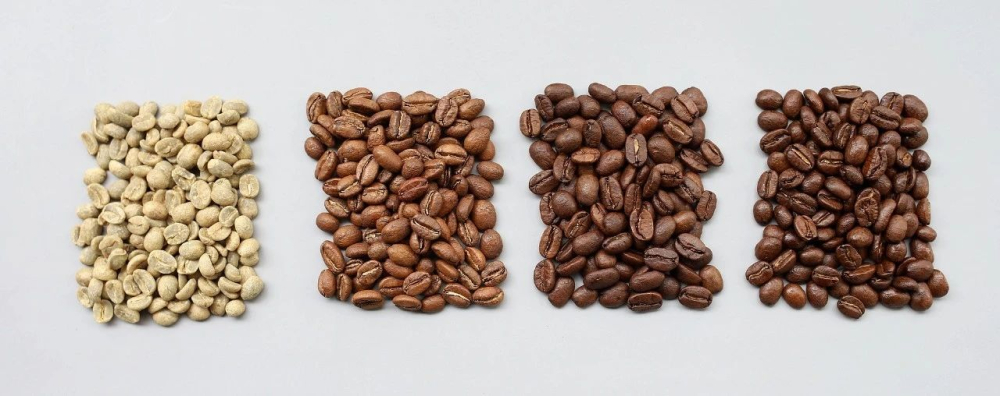
Understanding these roast color values and their corresponding flavor relationships not only helps you select beans that match your taste preferences but also allows you to adjust water temperature, grind size, and extraction time based on roast level during brewing—further enhancing the overall coffee experience. Whether you're a beginner or already somewhat experienced, mastering the secrets of Agtron color values can take your coffee journey to the next level.
The above content is compiled by CoffeeHunters, a coffee news website.


