







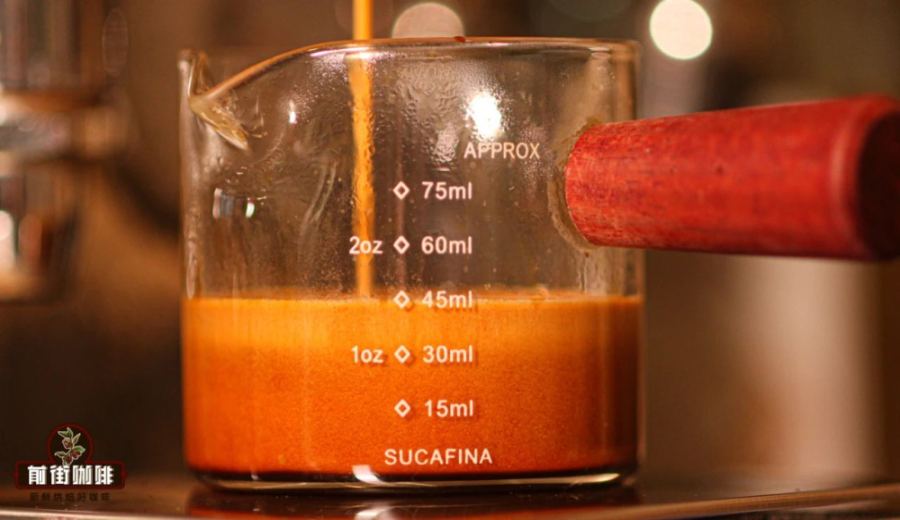
Introduction:Many people believe that espresso can only be enjoyable when sweetened or milk is added, but in reality, the key lies in the roasting method and brewing technique. This article delves into the flavor differences between single-origin coffee and espresso beans, introduces high-quality espresso blends suitable for home use, and provides practical tips and precautions for using espresso-roasted beans in pour over brewing—helping you uncover their diverse flavor potential.
For many, the first impression of espresso is its intense, burnt bitterness, seemingly drinkable only with sugar or milk. In fact, this kind of taste primarily comes from overly dark roasting. When coffee beans are roasted for too long or at too high a temperature, their natural pectins and acids are largely destroyed—not only losing the desired sweetness but also potentially releasing undesirable impurities that affect the overall purity of the flavor.
A high-quality espresso can actually be as clean and smooth as a premium single-origin coffee, featuring distinct fruity acidity and aromas of cream, nuts, and stone fruits, with different layers of flavor gradually emerging as it cools. If your espresso tastes only of monotonous burnt bitterness and milkiness, lacking aroma complexity or aftertaste, it’s likely related to the roast level of the beans and how they were processed.
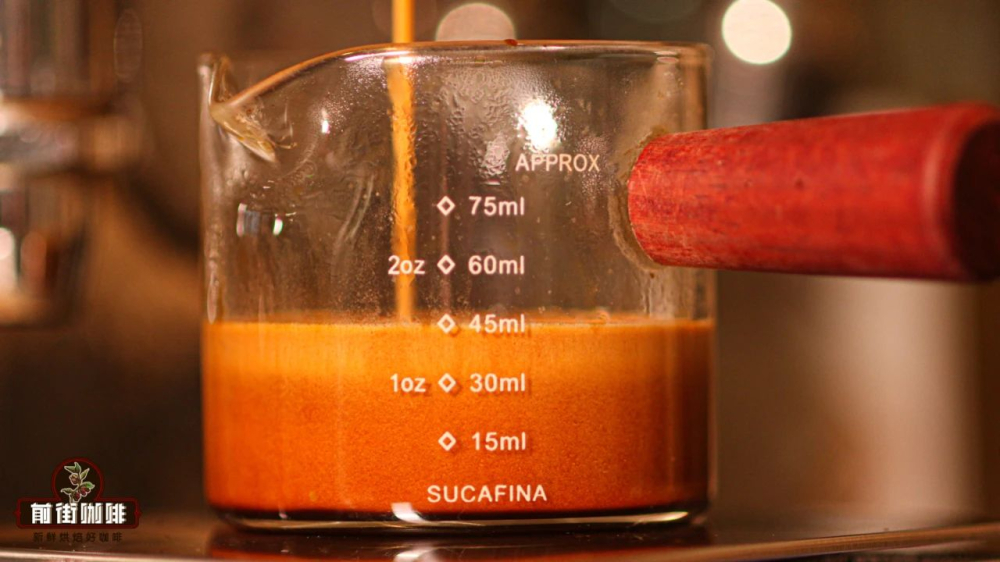
Therefore, it is recommended to choose medium to dark roasted beans for making espresso. This helps effectively avoid excessive burnt bitterness while retaining the essential flavor compounds that contribute to body and sweetness, such as chocolate, cocoa, nutty, and creamy notes. Additionally, moderate roasting can produce rich and delicate crema, further enhancing the texture and aroma. Common espresso blends suitable for home espresso machines and moka pots typically exhibit stable medium-dark roast characteristics, delivering balanced and layered flavor profiles.
Compared to espresso beans, single-origin coffees usually offer gentler and more refined aromas, with fruit acidity that is softer and clearer. As the temperature changes, single-origin coffee can reveal various layers of flavor, allowing one to savor the unique regional and processing characteristics of each bean. After drinking, a subtle honey-like scent often lingers at the bottom of the cup, with a long-lasting aftertaste that is hard to forget. For example, well-known single-origin coffees such as Geisha with its peach and berry notes, Huadingding with its refreshing jasmine and lemon tones, Hongkui with its creamy strawberry and tropical fruit acidity, and Xizhao exuding passionfruit and grape fermentation aromas—all are classic examples that highlight the charm of single-origin beans.
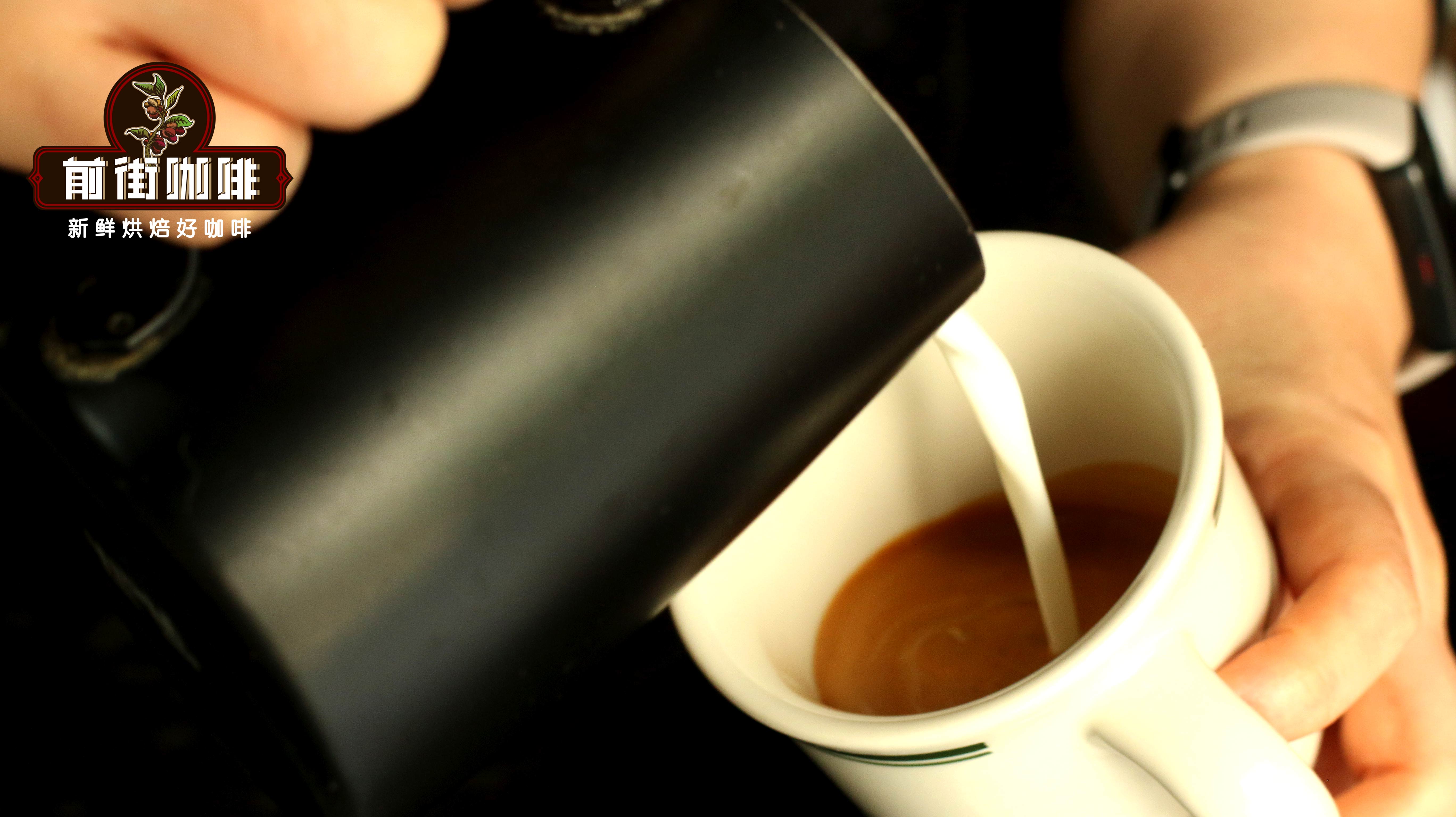
It’s worth mentioning that high-quality espresso beans can also showcase delicate fruit acidity; however, due to their rich body and thick crema, the acidity tends to be more restrained and balanced with sweetness. A small sip reveals lingering aromas in the mouth, with a distinctly sweet finish. Moreover, properly extracted espresso, even when diluted into an Americano, retains a soft coffee aroma and sweet aftertaste, making it suitable for those who prefer a lighter taste. When milk is added to make cappuccino or latte, as long as the ratio is appropriate, the original aroma and sweetness of the coffee won’t be completely masked but will instead harmonize with the milk for a well-balanced flavor complement.
For coffee enthusiasts who wish to try pour over brewing with espresso-roasted beans, it is recommended to use medium-light to medium-roast espresso blends and adjust the grind size to be similar to that of fine sugar or slightly coarser, in order to extend the extraction time and avoid over-extraction. The water temperature should be kept between 90°C and 93°C, using a coffee-to-water ratio of 1:15 to 1:17, and employing a center-pouring technique with slow circular movements to ensure even extraction and minimize off-flavors. It’s important to note that since espresso beans are generally designed for concentrated extraction, directly applying single-origin pour over parameters may easily result in overly intense or harsh flavors. Therefore, it is advised to slightly reduce the coffee dose or increase the interval between pours during the first attempt, in order to find the optimal balance tailored to your personal taste.
The above content is compiled by CoffeeHunters, a coffee news website.


