







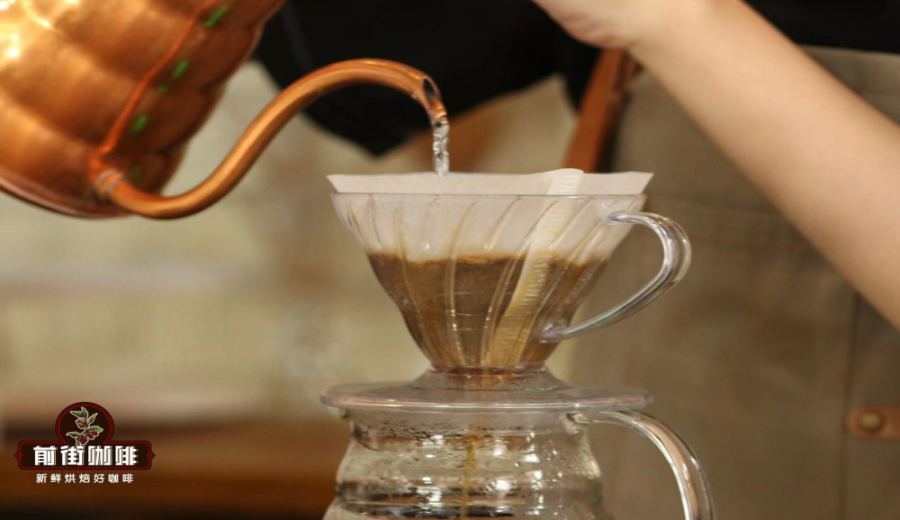
Introduction:To brew a pour over coffee at home with consistent mouthfeel and balanced flavor, the key lies in mastering a stable coffee-to-water ratio. This article delves into why 15 grams of coffee grounds paired with 225 grams of water (a 1:15 ratio) has become a foundational reference for many professional baristas and cafés, and analyzes the extraction weight, concentration, and suitable range under this ratio. It also provides grind size and water temperature recommendations for both light to medium roasted and medium to dark roasted coffee beans, along with a practical three-stage pouring method to help improve the stability and flavor expression of each pour over brew.
When brewing pour over coffee at home, many people often rely on intuition when dosing grounds or pouring water, resulting in significant flavor variation between cups. If you want every brew to deliver a stable and balanced taste, mastering the coffee-to-water ratio is the top priority. Many professional baristas and shops have long found through practice that using 15 grams of coffee grounds with 225 grams of water (a 1:15 ratio) is a beginner- and advanced-friendly standard that highlights the full flavor profile of the coffee while maintaining balanced concentration.
The so-called coffee-to-water ratio refers to the weight ratio of coffee grounds to the amount of water poured. Using 15 grams of coffee powder and 225 grams of water, the theoretical total water poured is 225 grams. However, because the coffee grounds absorb approximately 25 to 30 grams of water during the bloom phase, the final extracted coffee liquid typically falls between 195 to 200 grams. This ratio is widely applicable to coffee beans of various roast levels—whether light to medium roast, medium roast, or medium to dark roast. By adjusting water temperature and grind size, it can showcase the inherent flavor characteristics of each bean.
The advantage of this 1:15 ratio is that it extracts a rich array of acidity, sweetness, and body from the coffee, resulting in a flavor that is neither too thin nor overly intense, making it suitable for most palates and easy to fine-tune according to personal preference. For beginners trying pour over for the first time or enthusiasts hoping for more consistent results each time they brew, this is a valuable, easy-to-implement foundational parameter worth considering.
For coffee beans of different roast levels, it’s recommended to make subtle adjustments to grind size and water temperature to achieve optimal extraction. For example, for light to medium roasted beans, it is advised to use a medium-fine grind, similar in coarseness to fine sugar. When tested with a Chinese No. 20 standard sieve, the pass-through rate should be around 75% to 80%. The recommended water temperature for such beans is 90 to 91°C, which helps bring out bright acidity and complex layers of aroma.
If using medium to dark roasted or dark roasted beans, it’s suggested to switch to a medium-coarse grind, roughly the texture of coarse sugar. Again, using a No. 20 sieve, the pass-through rate should be 65% to 70%. Due to the more pronounced caramelization reaction in these roast levels, it’s advisable to slightly lower the water temperature to 88 to 89°C to avoid over-extraction and bitterness, while steadily drawing out richness and sweetness.
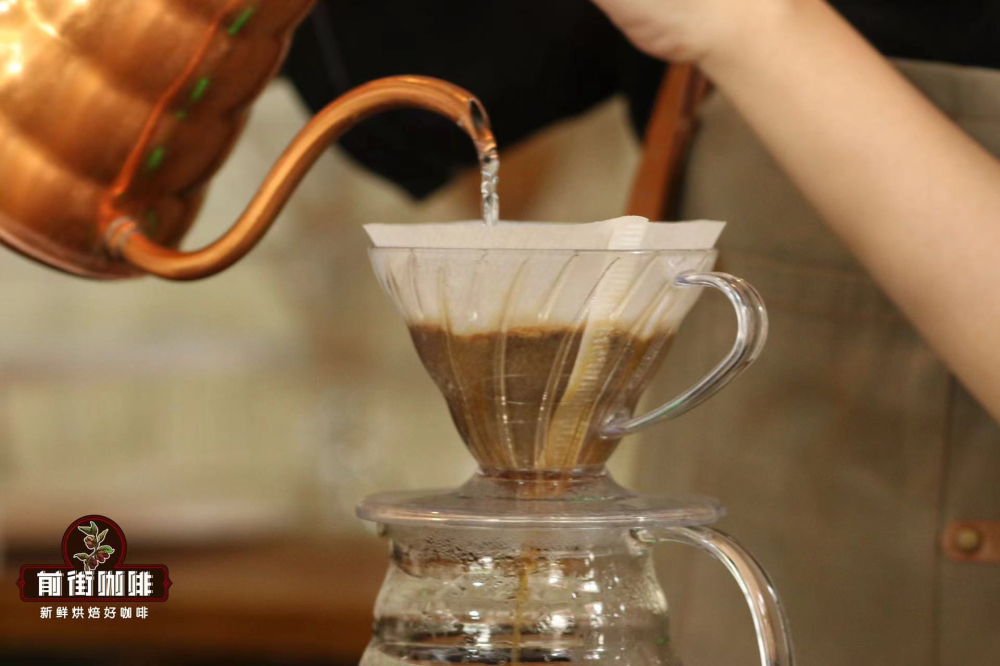
During actual pour over brewing, it is recommended to use a three-stage pouring method, which helps achieve even extraction and control the overall brew time. First, place the 15 grams of ground coffee into the filter cone, then start with a 30-gram bloom pour. This step awakens the coffee grounds and releases carbon dioxide. The bloom time is recommended to be 30 seconds, during which the coffee grounds will expand to form a “hamburger” shape. After blooming, begin the second stage pour by steadily and gently pouring water in a circular motion until the total volume reaches 125 grams, then pause and allow the water level in the filter cone to drop to about two-thirds of the coffee bed height.
Next, proceed to the third stage pour by continuing to pour with a medium-fine stream in a circular motion until the total poured amount reaches 225 grams. The entire pour over process is recommended to take around 2 minutes. This extraction duration balances flavor release with the suppression of unwanted extraction, helping to present a clean and layered coffee taste.
By consistently using the 1:15 coffee-to-water ratio, adjusting grind size and water temperature according to the roast level of the beans, and pairing it with a rational three-stage pouring technique, you can brew professional-level, consistently flavorful, and satisfying pour over coffee at home. Keeping track of each session’s parameters and sensory feedback can further help you gradually identify your personal best combination.
The above content is compiled by CoffeeHunters, a coffee news website.


