








Introduction:SOE (Single Origin Espresso) has become a hot topic in the specialty coffee scene in recent years, but many people are still confused about how it differs from traditional blends. This article delves into the origins, flavor characteristics, and roasting/extraction essentials of SOE, helping you understand how single-origin beans can showcase regional traits. It also recommends classic bean varieties suited for SOE based on three main flavor profiles—bright acidity, fruity richness, and rich balance—to help you make smarter choices according to your taste preferences.
Walk into a modern café and you’ll often hear baristas ask, “Would you like to try our SOE?” While familiar to many coffee enthusiasts, this term remains somewhat elusive. SOE stands for Single Origin Espresso—espresso made exclusively with beans from a single origin. Compared to blends that emphasize balanced flavors, the greatest appeal of SOE is its ability to highlight the unique characteristics of a specific region, such as bright fruit acidity, distinctive fruity notes, or a rich nutty-chocolate base.
Looking back at the development of SOE, early espresso was mostly made with single-origin beans, with little emphasis on origin information at the time. As global coffee consumption rose, beans from certain regions suffered from inconsistent quality and unstable flavors, prompting producers to use blends to balance overall performance. However, with the rise of specialty coffee culture in recent years and growing consumer interest in bean origin and flavor traceability, SOE has regained attention and become a signature offering in many cafés. But does this mean SOE is always tastier than blends? In reality, both have their strengths—the key lies in which aligns better with your personal taste.

The reason SOE can showcase unique regional flavors is its reliance on high-quality batches from that specific origin, paired with appropriate roasting and extraction settings. When these conditions are met, a shot of SOE can clearly reflect the origin’s characteristics—for example, the juicy acidity typical of Kenyan beans, the rich creamy chocolate notes of Brazilian beans, or the floral-citrus profile of Ethiopian beans. However, because espresso machines extract under high temperature and pressure, they amplify all flavor characteristics, making acidity sharper and bitterness more pronounced. As a result, the quality of the beans, defect rate, and the roaster’s mastery of the origin’s flavor profile directly influence the final extraction.
To fully bring out the “distinctive” features of SOE, the design of roast level and extraction parameters is crucial. Over-roasting can lead to bitterness dominating while aroma compounds fail to fully develop; under-roasting may cause extraction difficulties and thin flavors, especially when milk is added, making the cup dull. Therefore, it’s advised to avoid using extremely light or dark-roasted single-origin beans for espresso to prevent unpleasant flavor experiences.

So, is SOE really tastier than blends? The answer isn’t absolute. The core appeal of SOE lies in highlighting the unique flavors of a single origin, making certain taste notes clearer; whereas blends combine beans from different origins to achieve balanced and layered flavors. Both have their own market positioning, and consumers can choose the type that best suits their preference for acidity, sweetness, or bitterness. If you’re looking for an espresso that matches your taste, pay attention to key factors like the bean’s origin, roast depth, and processing method—all of which significantly impact the final flavor.
Extending from the experience of pour-over single-origin coffee, SOE beans can generally be categorized into three flavor profiles: bright fruity acidity, fermented fruity notes, and rich bold bitterness. Consumers can choose the bean type that best matches their personal preference.
The first category isBright Fruity Acidity. These SOEs typically use traditional washed or natural processing methods, with flavors dominated by floral notes, citrus, and berry sweetness. For example, the Ethiopian Yirgacheffe region’s Natural Red Cherry coffee, grown at high altitudes of 1700–2200 meters, uses the Heirloom variety. Through refined natural processing, tropical fruit sweetness accumulates during fermentation. Its flavor profile includes prominent berry, jasmine, and lemon notes. The resulting SOE coffee offers a fresh taste with balanced sweet and sour notes, ideal for those who enjoy bright fruit acidity.
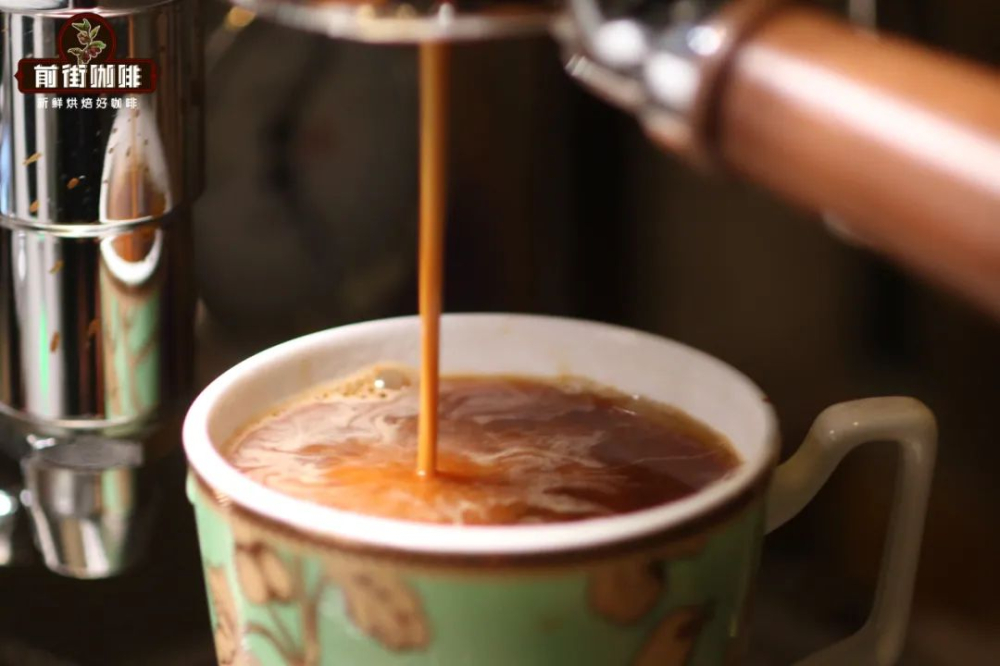
The second category isFermented Fruity Notes. If you prefer SOEs with more pronounced fruity character, consider beans processed with special fermentation methods, such as Colombia Gesha. This bean from the Finca La Línea in the Huila region is grown at around 1700 meters and undergoes double anaerobic natural processing, imparting rich grape, passionfruit, and citrus flavors. When brewed as SOE, it produces a coffee with a refreshing grape juice note, particularly suitable for summer iced drinks, with distinct and well-layered flavors.
The third category isRich Bold Bitterness. For those who prefer intense coffee aromas and want their SOE to showcase a strong “coffee flavor,” beans like Brazil Fazenda Rainha Yellow Bourbon are recommended. This estate, located in the Mogiana region, grows beans at altitudes between 1400–1950 meters using the natural process and the Yellow Bourbon variety. Its flavor features include creamy, peanut, caramel, nutty, and chocolatey notes. The resulting SOE not only has a steady aroma and long-lasting finish but also delivers a sweet aftertaste with high sweetness, perfect for consumers who enjoy balanced, rich flavors.
In summary, there is no absolute superiority between SOE and blends—they each represent different flavor philosophies. Understanding the characteristics and suitable scenarios of SOE, and choosing the right bean type based on your personal taste, will help you find the most fitting choice in your coffee exploration journey.
The above content is compiled by CoffeeHunters, a coffee news website.


