







Introduction:The blooming and pouring stages of pour over coffee directly impact the flavor expression and extraction uniformity of the brew. This article delves into the degassing mechanism during blooming, key variables (such as roast level, water temperature, and grind size), and provides a step-by-step breakdown of the three-stage pouring technique, including time allocation and pouring methods. Through comparative experiments, it explores how different numbers of pouring stages affect flavor layers, helping coffee enthusiasts master the science behind pour over brewing.
In the pour over process, blooming is a crucial step that lays the foundation for the overall flavor profile of the coffee. It not only helps release gases trapped in the coffee grounds but also enhances the uniformity of subsequent extraction, while allowing users to intuitively assess the freshness of the beans. Many beginners often wonder: "Can blooming really be skipped?" The answer is a definite no—especially for freshly roasted beans, this step effectively prevents under-extraction.
The English term for blooming is "Bloom," which refers to evenly wetting the surface of the coffee grounds with a small amount of hot water before the main pour, encouraging internal gases to escape. Experiments have shown that skipping blooming causes carbon dioxide in the grounds to trap the water, hindering the release of soluble compounds and leading to uneven extraction. Particularly in fresh beans, which contain a lot of gas, failing to degas first means the hot water only contacts the surface, making it difficult to fully express the flavors.
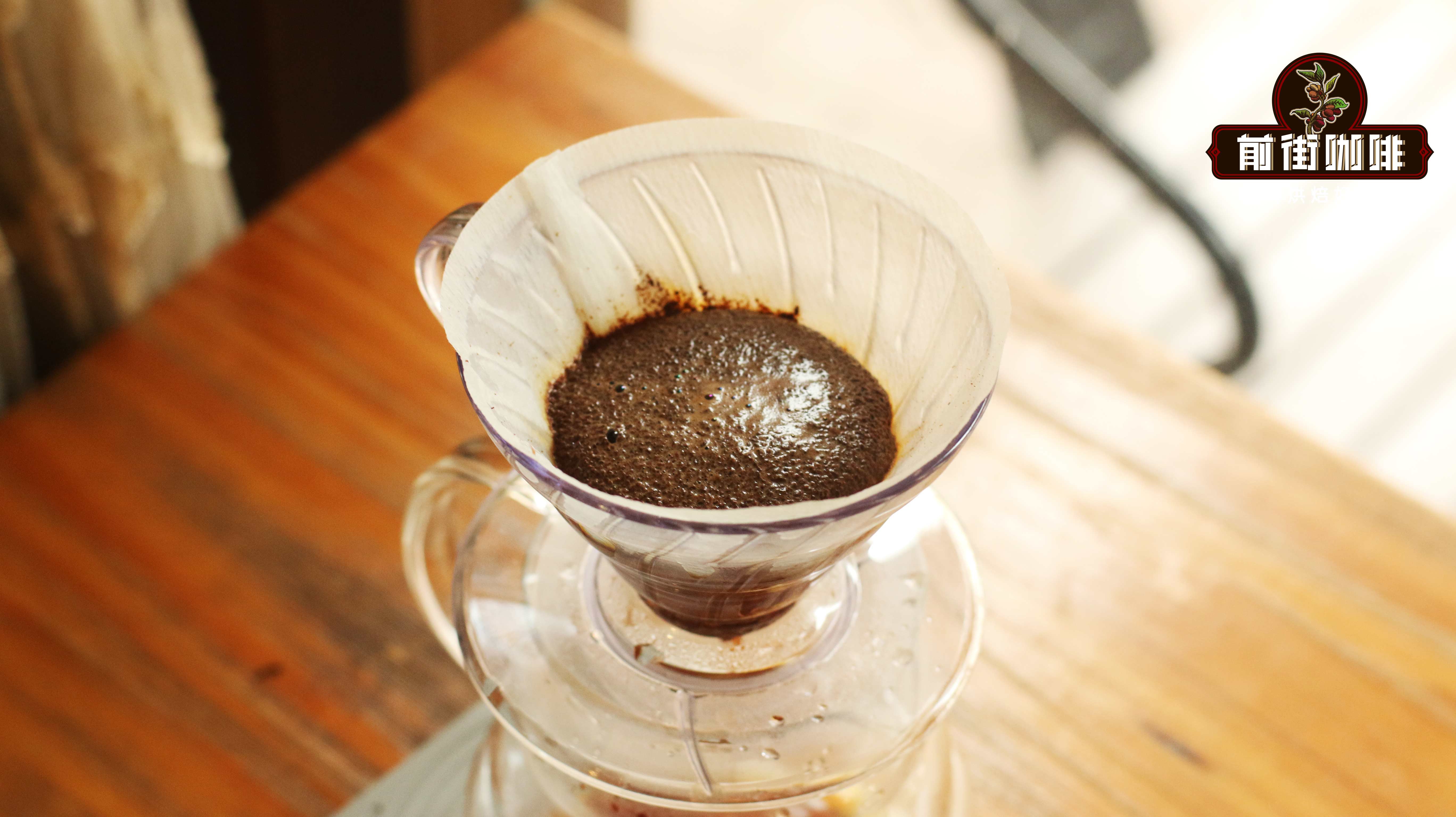
Many factors influence the effectiveness of blooming, including the storage time of the beans, roast level, water temperature, pour volume, blooming duration, and grind size. First, storage time and roast level directly affect the amount of gas released. Fresh beans, being rich in gas, expand noticeably during blooming; conversely, beans that have been stored for too long or are lightly roasted (with denser texture and less gas) may show weak or even no expansion.
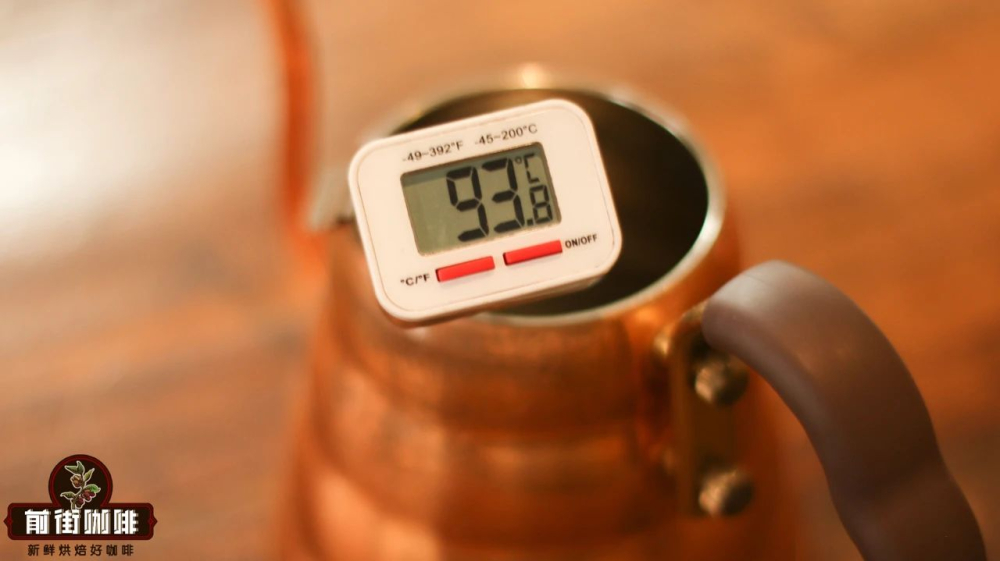
Water temperature is equally critical. Too high (above 95°C) can extract bitter and astringent substances, while too low slows down dissolution, resulting in a thin flavor and incomplete blooming. The pour volume must be just right—too little leads to uneven wetting of the coffee bed, creating a rough and astringent taste; too much results in a one-dimensional front-end flavor with pronounced acidity. Additionally, grind size affects the contact area between coffee and water: too coarse reduces degassing efficiency, while too fine causes water to linger on the surface, both of which are detrimental to blooming.
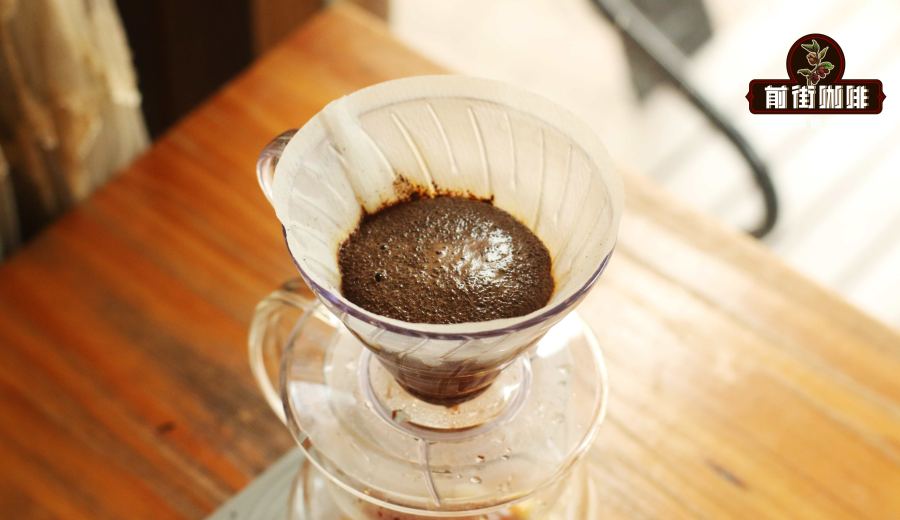
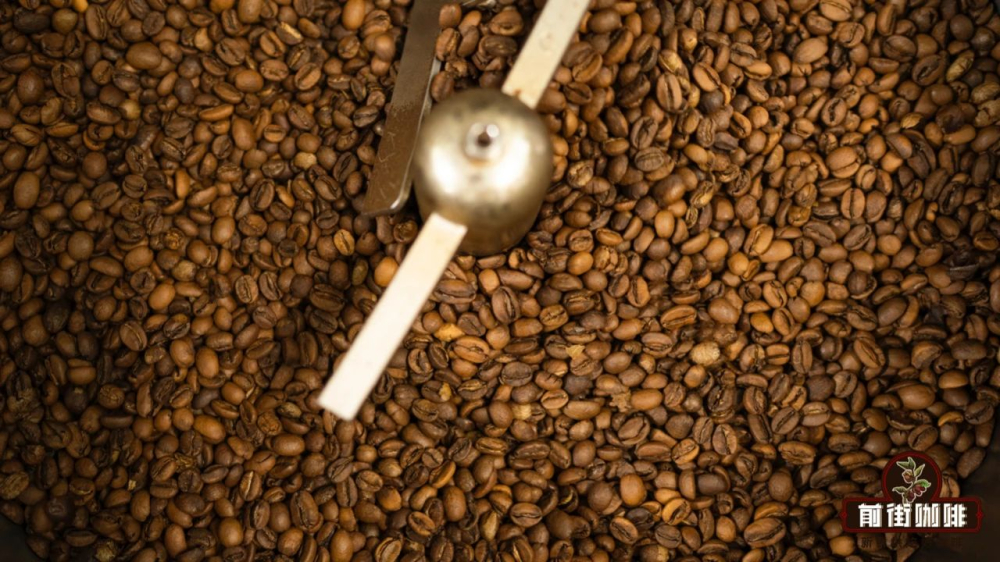
During blooming, coffee grounds expand into a "small mound" shape due to gases heating up and expanding. This happens because the internal structure of coffee grounds is honeycomb-like; as gases escape upon heating, they push the grounds upward. As the gases gradually dissipate and the temperature drops, the remaining air contracts, causing the surface of the mound to dry out or form slight cracks, signaling the completion of blooming. This is when the first pour can begin, typically recommended to occur by the end of this stage (around 30–60 seconds).
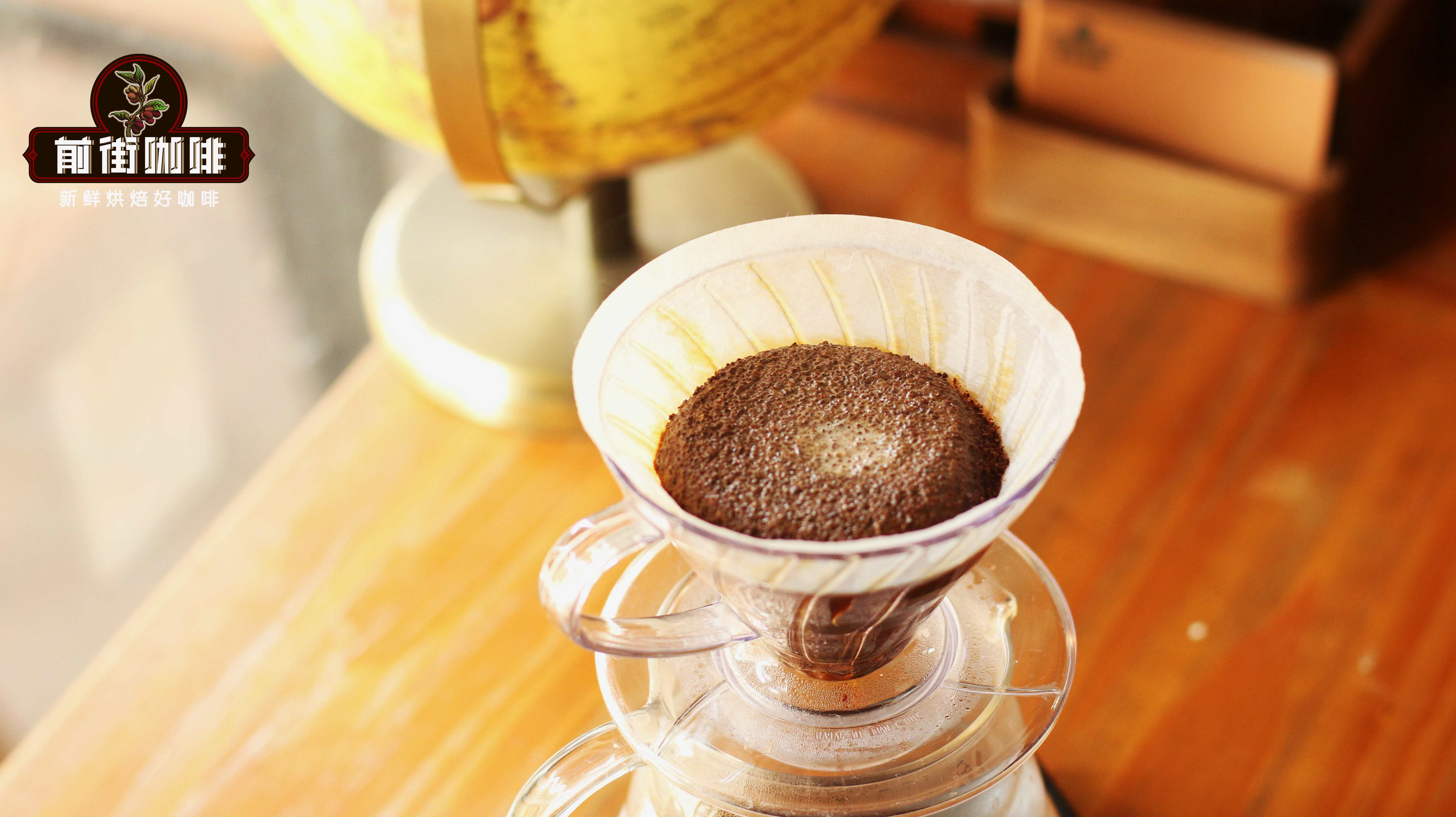
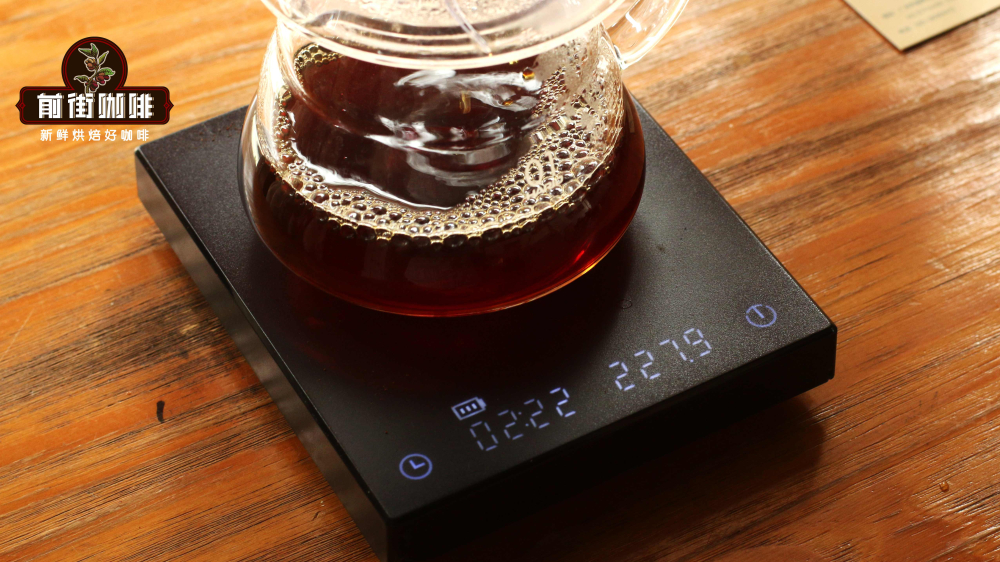
The three-stage pouring method used here controls the total extraction time to about 2 minutes, divided into blooming, the second pour, and the third pour, aiming to clearly highlight the front, middle, and back notes of the coffee. The specific steps are as follows: first, perform a 30-second bloom (for beans rested for 4–5 days), and once the surface slightly wrinkles, begin the first pour; the second pour lasts 30 seconds (total time 1 minute), using a small stream to slowly circle from the center of the coffee bed, ensuring penetration to the bottom; the third pour starts when the coffee bed is nearly exposed, maintaining the water level below the height of the grounds, stopping at 1 minute and 50 seconds, with filtration completed at 2 minutes.
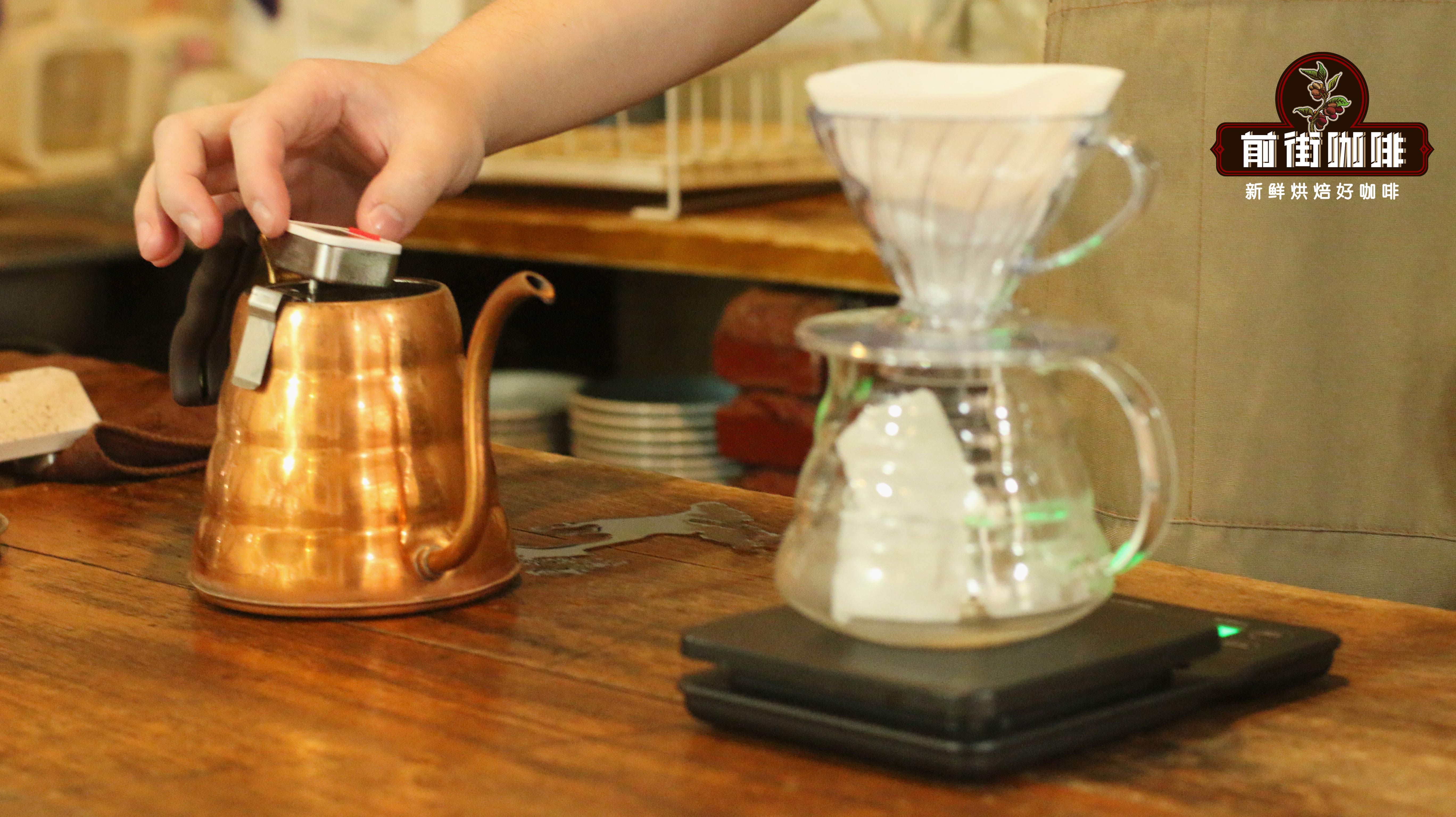
Regarding the number of pouring stages, a common question is: "Is the three-stage method the best?" To investigate, a comparative experiment was conducted, varying the number of pouring stages after blooming (one-stage, two-stage, and three-stage). Other parameters (such as grind size and brew ratio) were kept constant, and flavor differences were evaluated through cupping. The results showed that increasing the number of stages extended the total extraction time, thereby enhancing the dissolution of compounds, but could also lead to over-extraction and bitterness. Notably, the optimal extraction method isn’t fixed—for example, a coarse grind paired with a five-stage pour (like the 4:6 brewing method by Tetsu Kasuya) or a one-stage no-bloom approach with a fine grind might achieve ideal results by adjusting other variables.
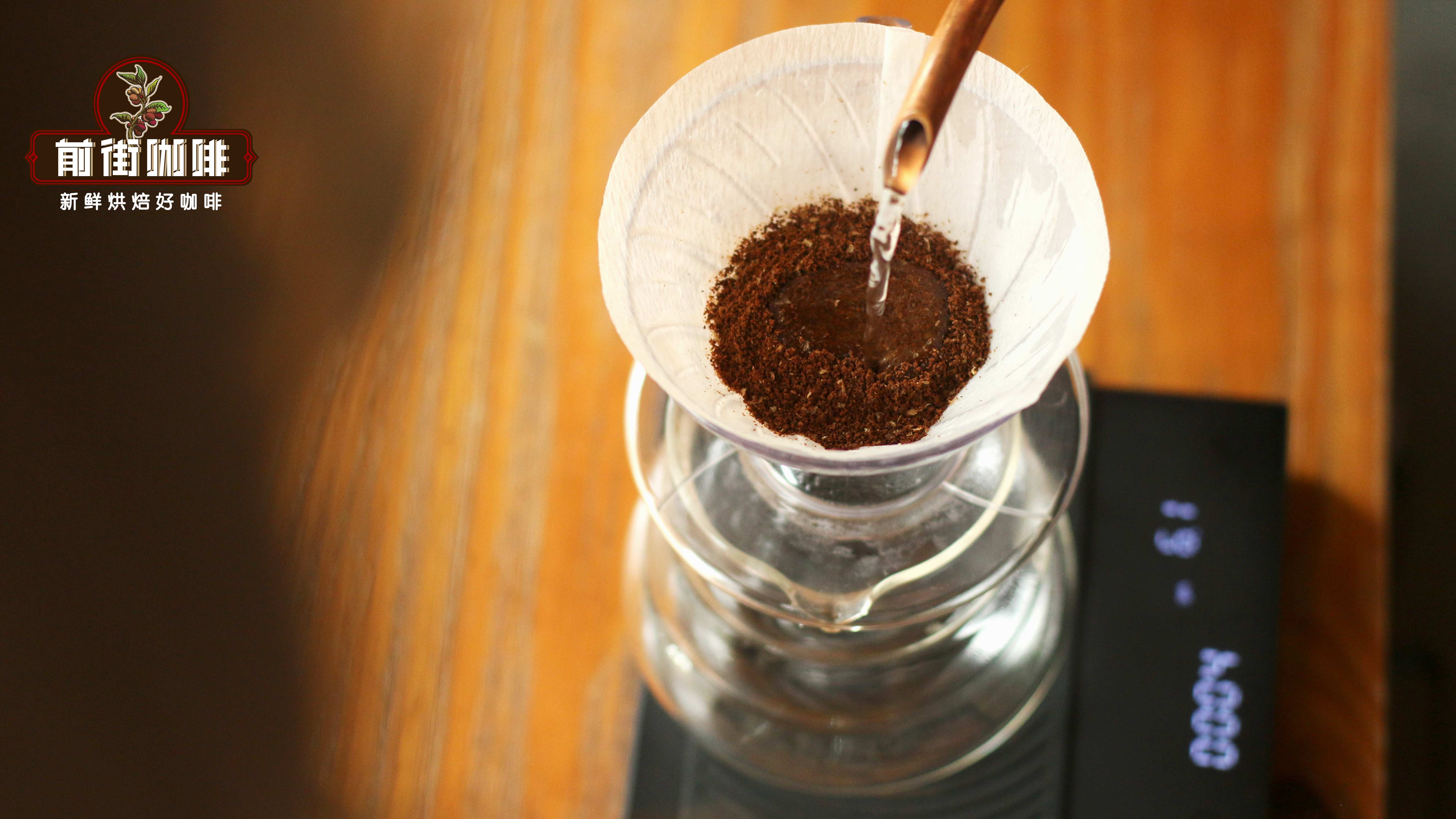
Details of the experimental parameters are as follows: Ethiopian Yirgacheffe Konga Cooperative beans were used, with grind size adjusted according to roast level (80% for light roast, 70–75% for medium-dark roast), and extraction uniformity optimized by controlling pour intervals and swirling range. The results confirmed that increasing the number of stages prolongs effective extraction time, but requires balancing flavor complexity and taste clarity.
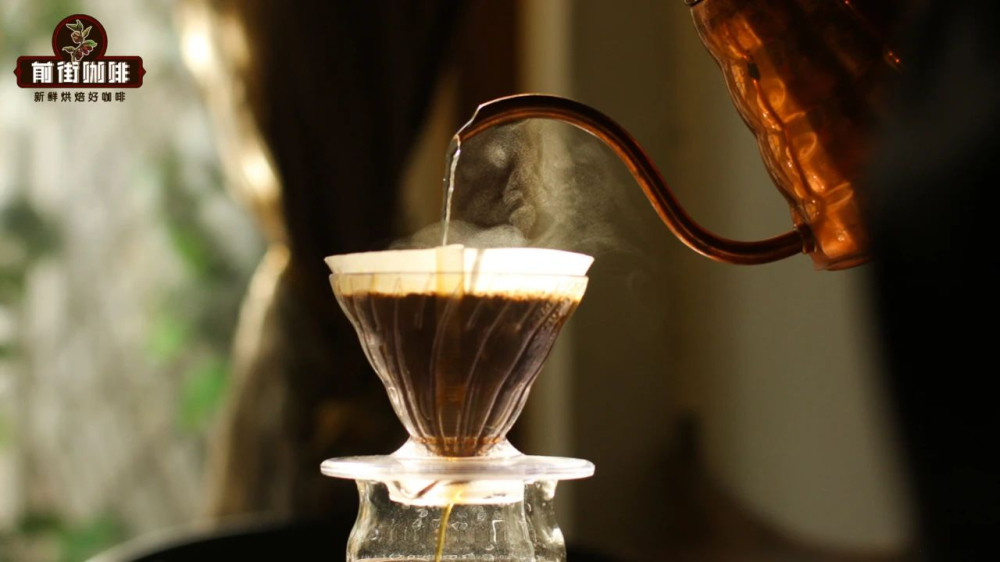
In summary, mastering blooming and pouring hinges on understanding the principles of gas release, water temperature control, and coffee-water interaction. The three-stage pouring method provides a practical framework to balance flavor and technique, but it’s not the only solution. By adjusting grind size, pouring techniques, and staging strategies, every coffee enthusiast can find a brewing approach that suits their personal taste.
The above content is compiled by CoffeeHunters, a coffee news website.


