







Introduction:Natural (sun-dried) and honey processes are two common methods of coffee bean processing. Both can impart rich sweetness and fermented flavors to coffee, but their processing procedures and final flavor profiles differ significantly. This article will detail the differences in their processing steps, starting from the structure of coffee cherries, and guide you through the sun-dried method’s drying and husking, the honey process’s mucilage retention ratios, as well as the distinctions between yellow honey, red honey, black honey, and raisin honey. It also provides roasting recommendations, cupping notes, and pour over parameters for two representative beans, helping coffee enthusiasts understand the origins of flavors through processing methods.
In the world of specialty coffee, the processing method plays an extremely critical role in the final flavor of the coffee. Washed, natural, and honey processes are ranked as the three traditional processing methods. Among them, natural and honey processes often exhibit distinct sweetness and fermented notes due to retaining varying degrees of mucilage and fermentation characteristics, making them difficult for many to distinguish at a glance. This article will start with the basic structure of coffee cherries, deeply analyze each step of the natural and honey processes, and compare their flavor performance differences.
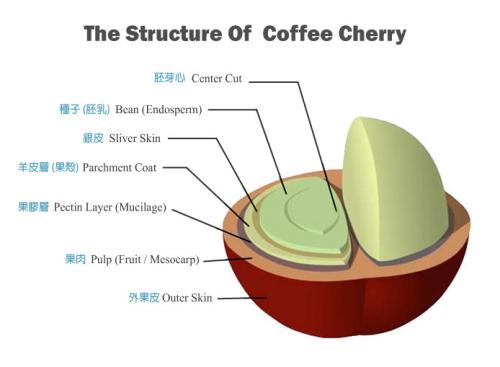
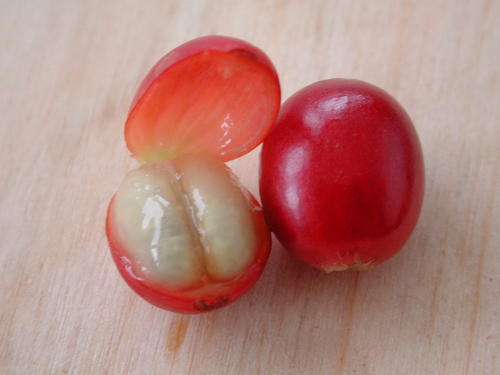
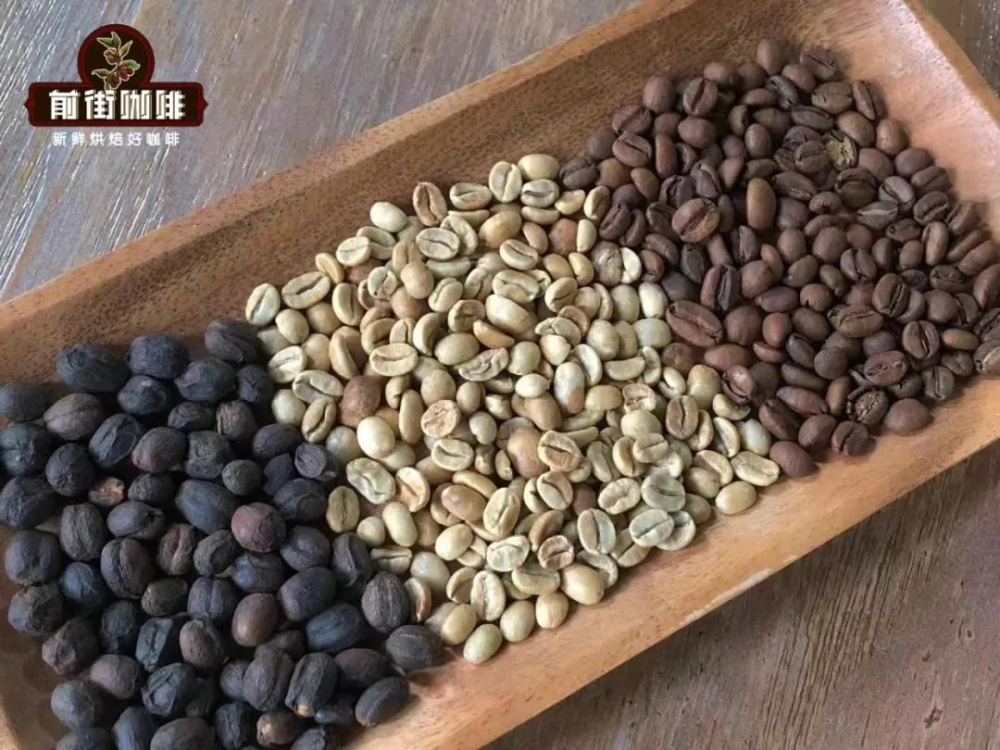
First, let’s understand the internal structure of a coffee cherry. A whole coffee cherry, from the outside in, can be divided into skin, pulp, mucilage layer, parchment (also called the husk), silver skin, and the innermost coffee seed. The essence of the processing method is to remove these outer layers and extract the two seeds wrapped in silver skin inside, then stabilize their quality through appropriate drying procedures. Though it may seem simple, it actually demands high standards in environment, technique, and time management—especially since the mucilage layer is rich in sugars, and improper handling can easily lead to fermented off-flavors, severely affecting the final quality of the coffee.
Therefore, before the actual processing begins, selecting mature and high-quality coffee fruits is the first hurdle. Mature coffee cherries typically appear deep red or deep purplish-red, at which point the sugars in the mucilage have fully transformed, capable of bringing a rounder sweetness to the coffee. On the other hand, unripe green or partially ripe fruits can easily result in unpleasant astringency and grassy notes in the coffee. Additionally, removing floaters is a key procedure. By placing harvested coffee cherries in water, healthy and ripe fruits will sink to the bottom, while underdeveloped or already rotten ones will float. This step effectively prevents low-quality fruits from compromising the overall batch.
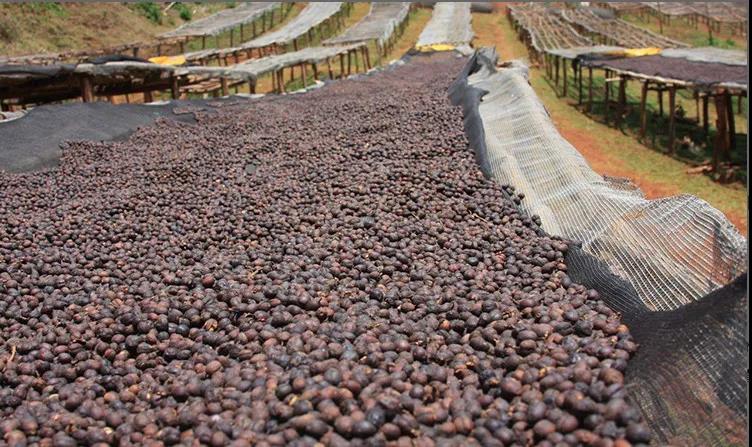
Next, we focus on the natural (sun-dried) processing method. This is one of the most traditional and longest-standing processing methods, especially common in regions with abundant sunlight or limited water resources such as Ethiopia, where about 70% of Ethiopian coffee beans use this method. The steps of natural processing can generally be divided into: selection, drying, hulling, and final grading and storage. After harvesting, the coffee cherries are first manually sorted to remove overripe, unripe, insect-damaged, or visibly defective fruits, ensuring that only high-quality coffee proceeds to subsequent processing. Subsequently, these coffee cherries are spread out on raised beds, concrete surfaces, or waterproof tarps to undergo sun-drying for 3 to 4 weeks. During this period, they need to be constantly turned to ensure even heating until the moisture content is steadily reduced to 11%. Finally, the dried coffee cherries are sent to the processing plant for hulling and dehulling, and sometimes polishing is performed to improve the appearance quality. Some modern processing techniques also incorporate anaerobic fermentation to further enhance flavor complexity.
Coffee processed via the natural method usually exhibits lower acidity, higher sweetness, and a fuller body. In terms of flavor, it often carries intense berry and tropical fruit notes. Although its overall cleanliness is slightly lower, it boasts a rich profile with strong mouthfeel. This processing method does not require large amounts of water, making it more environmentally friendly and suitable for widespread use in water-scarce regions.
The honey process, on the other hand, is a method that lies between washed and natural processing, known for its retention of the mucilage layer. It first gained popularity in Costa Rica and has since been widely adopted in other Central American countries. The key to the honey process is the retention of some or all of the mucilage layer, which is one of the main sources of coffee sweetness and fermentation potential. In the processing flow, the honey process also starts with selection, followed by pulping. However, unlike the washed process, the honey process retains 60% to 100% of the mucilage, then dries the mucilage-covered coffee beans for about 18 to 25 days. During this period, close attention must be paid to weather and humidity changes to ensure the moisture content is steadily reduced to 11%.
Based on the proportion of mucilage retained, the honey process can be further divided into yellow honey, red honey, black honey, and raisin honey. Yellow honey typically retains about 60% of the mucilage, has the shortest drying time of around one week, and is mostly dried under direct sunlight. Red honey retains approximately 75% of the mucilage, with a drying time of about 2 to 3 weeks, and is usually moderately shaded to control the drying speed. Black honey retains nearly all the mucilage, has the longest drying time of at least two weeks, and is mostly dried slowly in shaded environments, resulting in the most intense flavors and relatively higher prices. Additionally, raisin honey is a special type that retains 100% of the mucilage without washing. After harvest, floaters are first removed, then the cherries are placed on raised beds for pre-drying for at least three days before undergoing long-term drying with the mucilage intact. This method has extremely high requirements for climate and technique but can yield intense fermented aromas and complex flavors akin to wine.
In places like Costa Rica, honey processes were previously also graded based on the percentage of mucilage left (such as 40%, 60%, 80%, and 100%). Some producers deliberately adjust the mucilage amount to avoid excessive fermentation leading to unnecessarily high acidity. The advantage of the honey process is that it can balance the clarity of washed coffee with the sweetness of natural coffee, while using less water than the natural process and completing the overall process relatively quickly. It is an economical choice for many medium-sized farms.
To more intuitively understand the practical performance of the two processing methods, here are two representative coffee beans. The first is the natural Red Cherry from Yirgacheffe, Ethiopia, grown at an altitude of 2300 meters using local heirloom varieties. It is medium-light roasted to preserve its delicate floral notes, fruity acidity, and fermented aromas. For roasting, it is recommended to use a Yangjia 800N roaster, entering the drum at 200°C, maintaining a stable temperature rise, and adjusting the air damper and heat as needed, with manual dropping after the first crack to bring out the optimal flavor. Cupping reveals pronounced lemon, berry, and fermented wine notes, with a lingering aftertaste of sweet acidity and sweetness.
The other is the Musician Series Bach from Tarrazú, Costa Rica, an SHB-grade Caturra variety processed with raisin honey, featuring intense fermented aromas and ripe tropical fruit characteristics. Roasting is recommended to be medium-light to maintain bright acidity and fruity notes, while enhancing overall complexity and balance. For pour over, it is suggested to use a V60 dripper, with water at 90°C, a 1:15 powder-to-water ratio, and a grind size with 80% passing rate equivalent to fine sugar, using a three-stage extraction method. This clearly showcases sake-like fermented aromas, berry sweetness and acidity, and a finish of nuts and caramel, with a soft floral aftertaste.
In summary, both the natural and honey processes have their unique processing logic and flavor profiles. The natural process excels in rich fruitiness, high sweetness, and low acidity, making it ideal for those who enjoy a full-bodied mouthfeel and layered fermentation notes. The honey process, through mucilage retention, showcases a more refined balance of sweetness and acidity along with aromatic layers. It is also representative of sustainable processing due to its water efficiency. Regardless of the choice, understanding the underlying processing steps and parameter details can help you more precisely control brewing direction and explore the infinite possibilities of coffee flavors.
The above content is compiled by CoffeeHunters, a coffee news website.


