







Introduction:Want to understand the fundamental differences between pour over and espresso? This article dives deep into the extraction principles, brewing processes, and flavor characteristics of the two methods — from the 9-bar high-pressure extraction of espresso to the three-stage pouring technique of pour over. We also provide beginner-friendly Yirgacheffe bean recommendations and complete parameters to help you find the most suitable coffee experience based on your taste preferences.
When ordering at a café, choosing between pour over and espresso often leaves people hesitating. What are the fundamental differences between these two brewing methods? The key lies in extraction pressure, operation techniques, and the resulting flavor profiles. This article starts by examining the 9-bar high-pressure extraction principle of espresso machines, detailing every step from coffee distribution and tamping to espresso extraction. Then it shifts to the gravity-driven extraction of pour over coffee, analyzing the practical points of the three-stage pouring technique and the key timing for deciding when to pour again. Whether you're a beginner or a coffee enthusiast looking to deepen your understanding, you'll gain practical knowledge from this guide.
On modern café menus, pour over and espresso are almost standard offerings. But for those who don’t drink coffee often, the differences between them can be confusing. In reality, they’re like two classic personalities in the world of coffee — one intense and concentrated, the other refreshing and expansive. Next, we’ll systematically break down the features of these two brewing methods.
The Core of Espresso: 9-Bar Pressure and the Art of Concentration
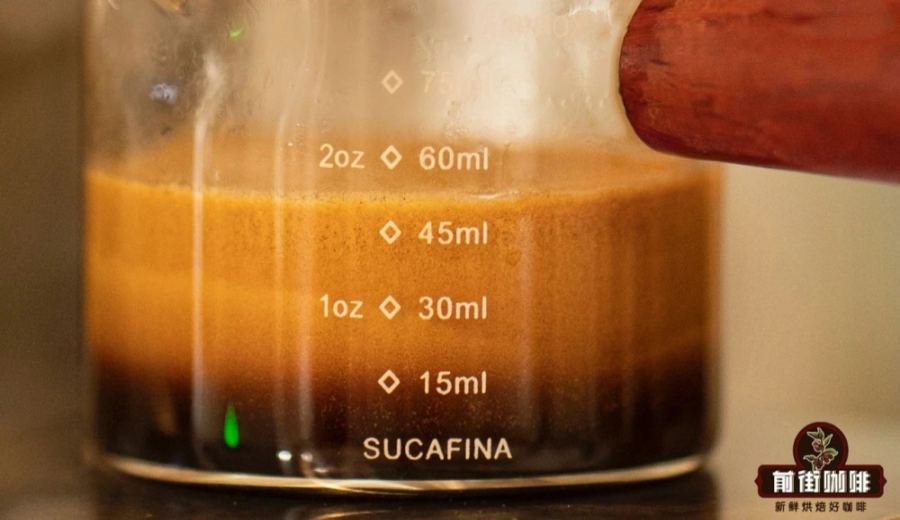
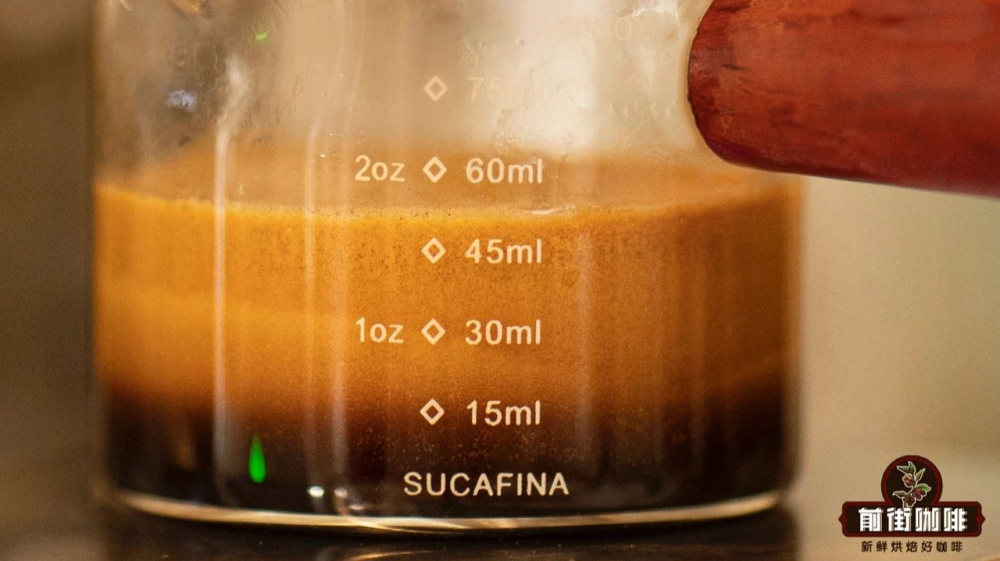
Espresso refers to coffee made using an espresso machine. The concentrated liquid that flows directly from the machine is what everyone knows as Espresso. Using this concentrated base, adding milk or water creates various variations like lattes and Americanos. The most distinctive feature of espresso is its reliance on 9-bar high pressure to extract a highly concentrated coffee liquid in an extremely short time.
Steps for Making Espresso
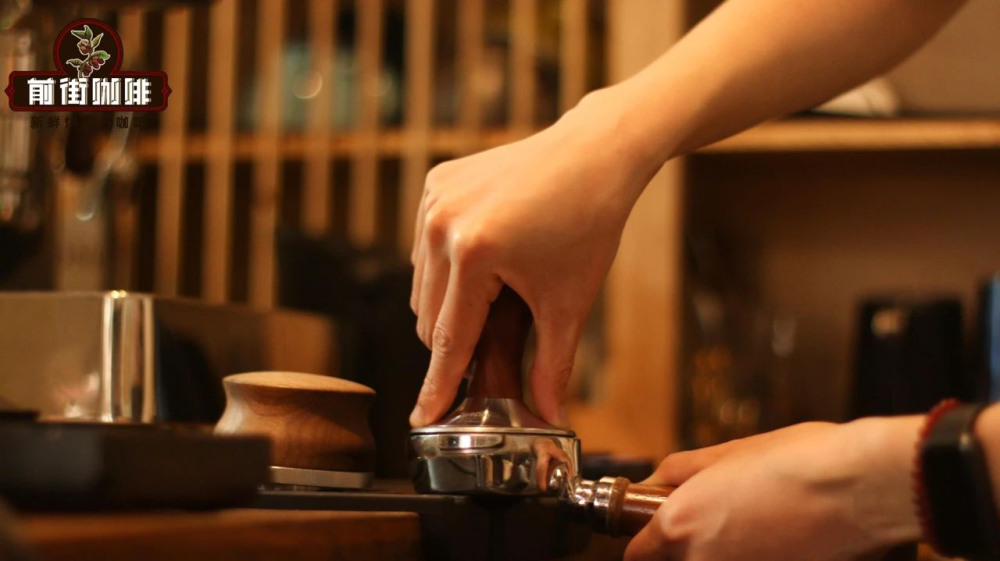
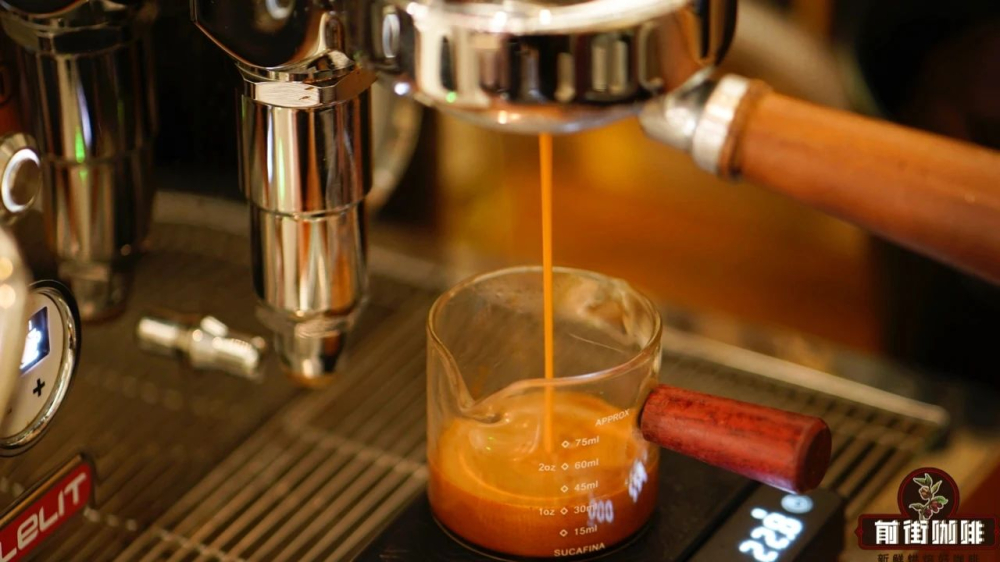
First, prepare the portafilter — remove it and thoroughly wipe it clean, ensuring there are no water stains left.Weigh the coffeewith precision within ±0.1 grams, for example, the common dose of 19 grams.Distributing the coffeeis a crucial step. Whether using your hand or a distributor, ensure the coffee bed is even; otherwise, uneven density can lead to unstable water flow, affecting extraction consistency.Tampingrequires compressing the coffee puck firmly and evenly to avoid uneven extraction caused by an uneven surface. Then start the extraction steadily, preferably quickly to prevent high temperatures from accelerating flavor evaporation, while also recording the extraction time and volume. In practice, extracting 38 grams of liquid (a 1:2 coffee-to-water ratio) from 19 grams of coffee in about 27 seconds is a common parameter. Don’t forget to rinse the group head afterward to maintain hygiene.
Pour Over Coffee: Flavor Exploration Without Pressure
Compared to the high-pressure extraction of espresso, pour over is a pressure-free, gravity-driven extraction method. Water flow speed and evenness are key, with a filter paper separating coffee grounds from the liquid, ultimately producing a clear, bright black coffee. The greatest charm of pour over lies in its ability to faithfully present the intrinsic flavors of the coffee beans, and it has a relatively low barrier to entry. That’s why many cafés offer a variety of pour over beans, allowing customers to experience the characteristics of different regions.
Practical Details of the Three-Stage Pouring Technique
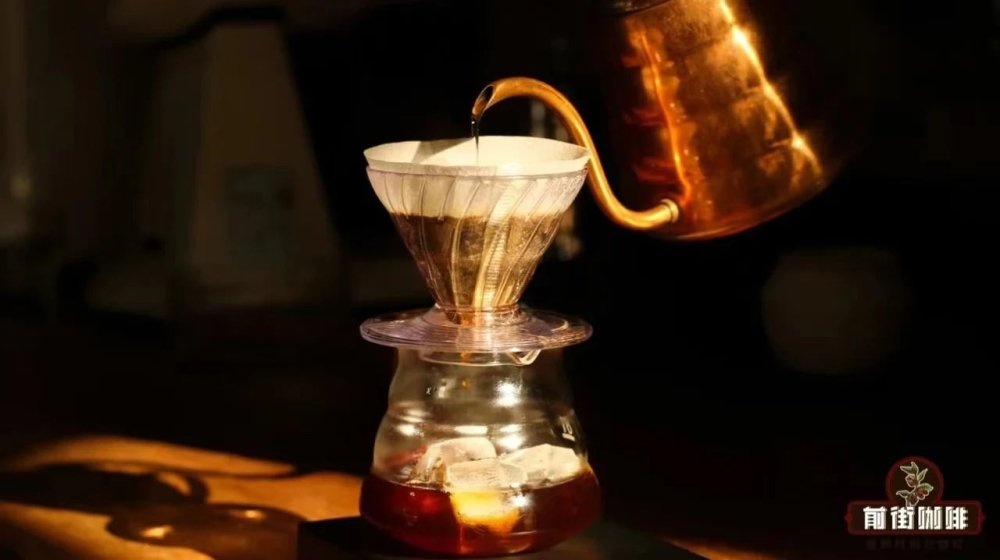
Taking the "three-stage pouring" technique as an example, this method divides the pouring process into three stages, including the initial blooming step. Using parameters of 15 grams of coffee, a 1:15 coffee-to-water ratio, 88°C water temperature, and medium-coarse grind (75% passing through a #20 sieve), the first stage begins with pouring 30 grams of hot water while starting the timer. The water flows in a circular motion from the center outward, encouraging the coffee grounds to absorb water and expand, forming what’s called a “coffee hamburger.” After blooming for 30 seconds, begin the second stage by pouring 100 grams of water, maintaining a steady flow to allow the crema to spread evenly, with the liquid level rising to the base of the shorter ribs. When the liquid level drops to 1/2 or 2/3, proceed with the final stage of pouring 95 grams. At this point, the water flow should gently penetrate the accumulated water, avoiding uneven extraction between upper and lower layers of coffee grounds. After completion, remove the filter and the total extraction time is about 1 minute 55 seconds to 2 minutes.
Judging the Timing for the Next Pour
In the three-stage pour, the second stage typically occurs after 30 seconds of blooming, while the timing for the third stage is more flexible — it’s recommended to wait until the water level drops to 1/2 or 2/3 of the coffee bed before pouring again. This height ensures that the filter doesn’t accumulate too much water, nor does it expose the coffee bed, maintaining extraction evenness. If the water level is too high, insufficient water impact may lead to over-extraction of the upper layer and under-extraction of the lower layer.
Beginner Recommendation: The Fresh Flavor of Yirgacheffe
For beginners trying pour over, it’s recommended to try Ethiopian washed Yirgacheffe G2. Grown at altitudes of 1800-2000 meters in the Yirgacheffe region, this bean is processed with the washed method to retain a clean and bright flavor profile.Flavor Characteristicsinclude layers of jasmine, berries, lemon, and citrus, with a refreshing taste like lemon tea and a bright acidity that’s not overly sharp. Its growing environment — the fog and microclimate around Lake Tana and the surrounding rift valley — creates a unique interplay of fruity and floral notes.
Yirgacheffe is one of the highest-altitude coffee-growing regions in the world, and washed processing further highlights the purity of its flavors. For beginners looking to establish a sense of regional flavor profiles, this bean is an excellent starting choice. Later, when trying sun-dried or honey-processed Yirgacheffe, you’ll be able to more clearly compare the flavor differences between various processing methods.
Practical Brewing Parameter Suggestions
For washed Yirgacheffe, recommended parameters are: water temperature 90-91°C, grind size BG#6m (granulated sugar size, sifted through a #20 sieve to 80%), coffee-to-water ratio 1:15, 15 grams of coffee. Specific technique: pour 30 grams of water for blooming for 30 seconds, then pour 95 grams (total about 125 grams) over about 1 minute. When the water level drops to 2/3 of the coffee bed, pour another 100 grams (total about 225 grams). Total extraction time should be controlled within 1 minute 55 seconds to 2 minutes, then let it drip to completion. These parameters fully showcase its floral-fruity character and bright acidity.
The above content is compiled by CoffeeHunters, a coffee news website.


