







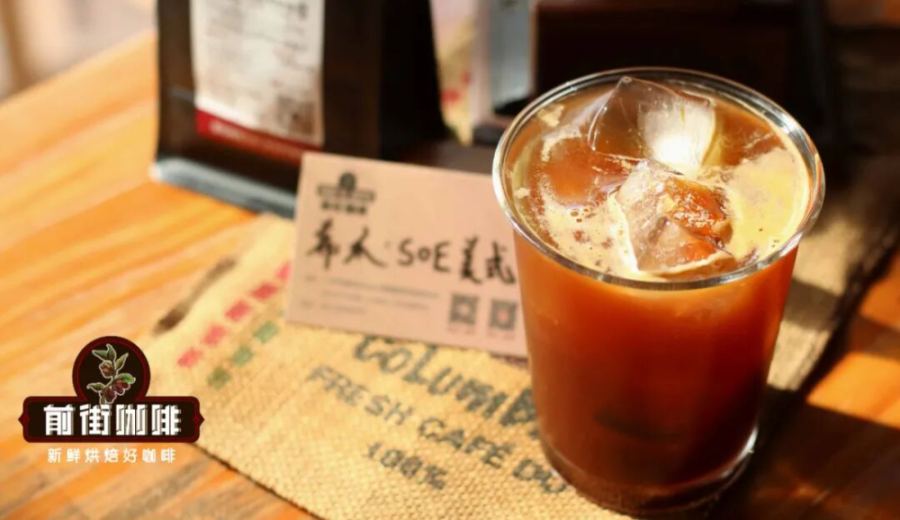
Introduction:When ordering at a coffee shop, have you ever wondered why selecting an SOE (Single Origin Espresso) often comes with an additional charge? Compared to traditional espresso blends, SOEs exhibit distinct differences in cost, flavor, and brewing techniques. This article delves into the origins of SOE, explores its fundamental differences from blends, and offers practical brewing tips—from roast level and flavor profiles to grind size, brew ratios, and extraction time—to help you better understand how to brew balanced and layered Americanos and lattes based on the unique characteristics of different SOEs.
When walking into a café and considering an Americano or latte, you’ll often see two options on the menu: one is the shop’s default espresso blend, and the other is an SOE espresso that comes at an extra cost. Many customers wonder: what exactly is an SOE, and why is it more expensive than regular blends? In fact, SOE (Single Origin Espresso) refers to espresso made using beans from a single origin, as opposed to the more common blends that combine beans from multiple regions.
Looking back to earlier times, most cafés aimed for stable extraction and bold flavors, commonly using dark-roasted blends. These blends typically mixed beans from two or more regions, not emphasizing single-origin characteristics but rather focusing on a rich, bold, and consistent taste. The extraction methods of the time were mostly based on dark roasts, yielding good crema and suiting mainstream palates—these were also the early forms of many classic espresso blends.
However, with the rise of the specialty coffee movement in the 1980s, coffee enthusiasts began to seek beans that could showcase regional distinctiveness. Single-origin coffee gradually gained attention, especially in methods like pour over, French press, and siphon, which better highlight unique regional flavors. It wasn’t until 2007, when World Barista Championship competitor James Hoffmann used a single-origin bean to make espresso and won the championship, that SOE truly entered the mainstream and gained further development through competitions and the specialty coffee trend.
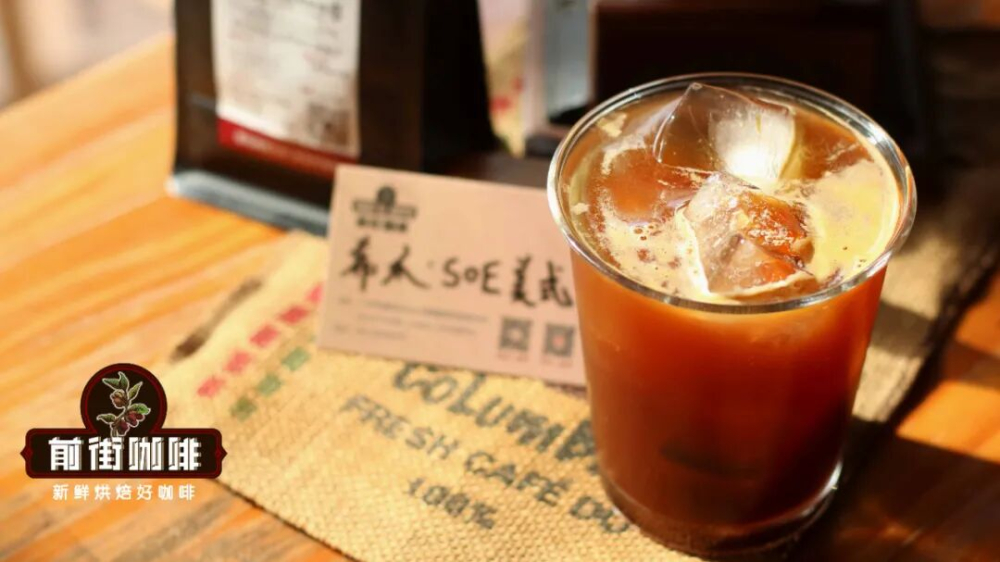
Today, many cafés have included SOEs as a regular option, and various e-commerce platforms sell SOE beans from different origins. These beans usually come with clear origin information and detailed flavor descriptions—such as floral notes, citrus acidity, berry tones, tea-like qualities, or fermented wine aromas—allowing consumers to more intuitively understand their characteristics. However, precisely because SOEs emphasize single-origin and unique flavors, their bean selection and roasting strategies often differ significantly from those of blends.
So, why does choosing an SOE come with an extra charge? The key lies in the deliberate selection of a “single origin.” While technically any beans from the same country, region, cooperative, or even single farm can qualify as an SOE, shops typically choose beans with standout flavor profiles and high recognition—especially medium-to-light roasted beans—to bring out delicate fruit acidity, floral and fruity notes, or sweetness in the espresso. For example, light-roasted Yirgacheffe often features bright citrus and floral notes, while Kenyan beans may have unique tomato or berry tones.
The sourcing and roasting costs of these high-quality single-origin beans are generally higher than those of regular blends. Additionally, their flavor characteristics require more precise extraction control, which naturally leads to higher prices. Moreover, SOEs are often medium-to-light roasted, placing higher demands on baristas’ skills—all valid reasons for the premium.
So, how can you brew a well-balanced and expressive SOE coffee? The adjustment logic is similar to that of regular espresso. It’s recommended to start with a basic brew ratio of 1:2, with extraction time controlled between 25–35 seconds, while grind size should be fine-tuned based on actual flow rate. For example, if using 20 grams of Huakui SOE coffee grounds to extract 40 grams of coffee, an extraction time shorter than 25 seconds indicates the grind is too coarse and should be adjusted finer; if the time is around 30 seconds, it usually means the grind size is appropriate.
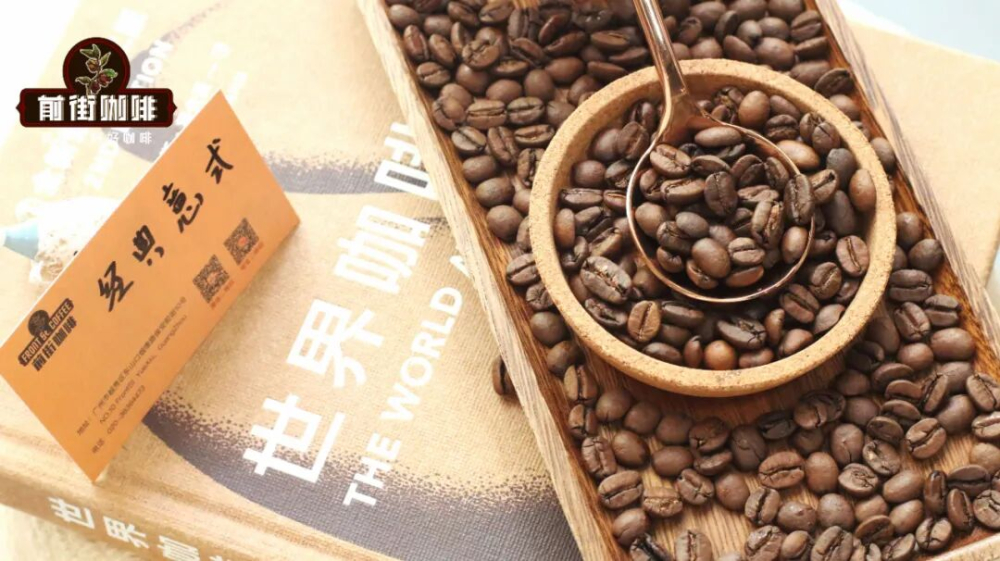
Since SOEs are often used to make flavored drinks like Americanos, lattes, or flat whites, extraction parameters should also be adjusted based on the bean’s flavor profile. Take medium-to-light roasted Ethiopian single-origin beans as an example: these beans often have fresh floral notes, bright acidity, or berry tones, but the resulting espresso may have thinner crema. In this case, consider slightly increasing the dose (e.g., by 0.3–0.5 grams) to enhance aroma intensity. For instance, adjusting the dose to 20.5 grams while still extracting 40 grams of liquid can deliver a crisper, sweeter profile in an Americano, while the elevated crema aroma makes the latte more layered.
If using single-origin beans with fermented or intense fruity flavors, where the espresso itself is already very bold, consider slightly increasing the extraction yield (e.g., by 3–5 grams) to boost sweetness and aftertaste. For lattes, reducing the milk ratio (e.g., from 200 grams to 160–180 grams) can make the unique aroma of the single-origin beans stand out more.
Conversely, if using medium-to-dark roasted single-origin beans, the espresso may risk over-extraction, producing undesirable flavors like rubber, smoke, charcoal, or hay. In this case, reduce the yield (e.g., by 3–5 grams) to minimize defects. If the espresso lacks aroma, has overly pronounced acidity, or a short aftertaste, it may be under-extracted. Try fine-tuning the grind and extending extraction time by about 2–3 seconds to improve overall balance.
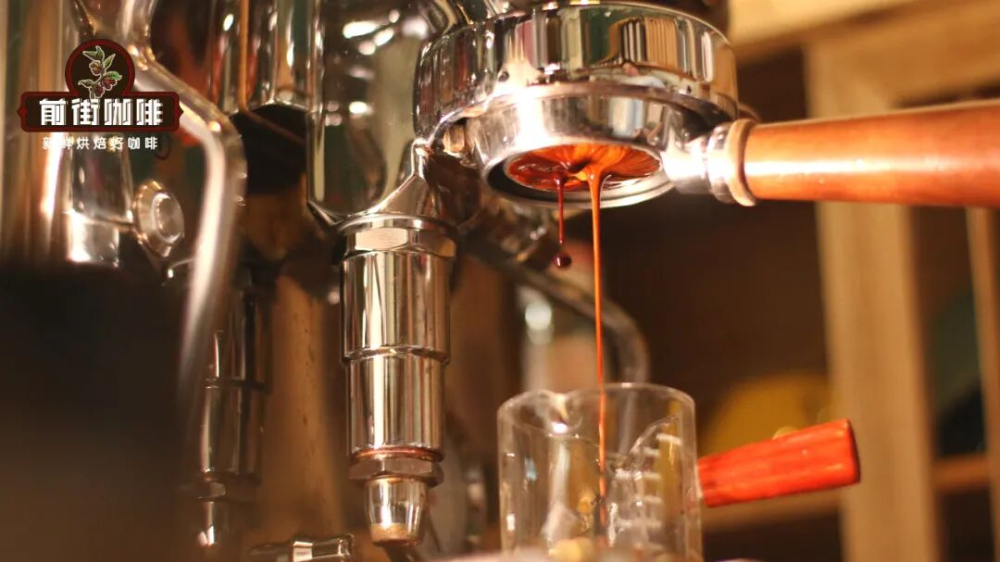
In summary, the higher pricing of SOEs stems not only from differences in bean selection and roasting strategies but also from their higher demands on flavor expression and extraction technique. Understanding the characteristics and adjustment methods of SOEs allows both baristas and home brewers to better harness the potential of these single-origin espressos, crafting coffee experiences tailored to personal preferences.
The above content is compiled by CoffeeHunters, a coffee news website.


