








Introduction:Many coffee enthusiasts wonder: can SOE single-origin beans, commonly used for espresso, also be used for pour over? This article delves into the differences between SOE and regular pour over single-origin beans, explores how roast profiles influence flavor expression, and provides pour over recommendations for different roast levels—including water temperature, grind size, and brewing strategies—to help you brew the ideal cup with SOE beans.
When walking into a coffee shop, you’re often faced with two choices: espresso or pour over. Typically, espresso is made with blended beans that emphasize consistency and boldness, while pour over favors single-origin beans to highlight nuanced flavors. With the rise of specialty coffee trends, more and more single-origin beans originally intended for espresso have been released in SOE (Single Origin Espresso) versions. This raises a common question: are these SOE beans suitable for pour over? How do they differ from regular pour over single-origin beans?

First, let’s clarify some basic concepts. In traditional espresso extraction, to ensure stable extraction and balanced flavor, most shops opt for medium to dark roasted, oily blends—beans typically composed of two or more coffees from different origins, which makes it hard to discern the unique characteristics of each region.
In contrast, SOE is made from coffee beans sourced from a single origin and a single batch. The term “single origin” may refer to a specific country, region, processing facility, or even a single farm. The focus is on showcasing the unique terroir of that region, such as distinct acidity, sweetness, or layers of aroma.
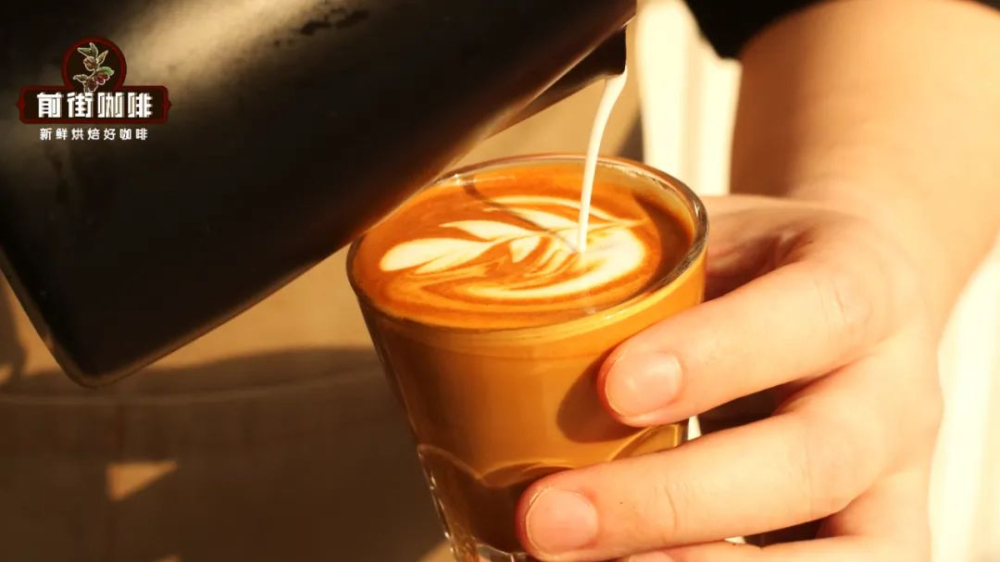
For example, consider a café's Sunflower Warmth espresso blend, which combines Honduran Sherry and Yirgacheffe Natural Red Cherry single-origin beans in a 7:3 ratio. If only the Natural Red Cherry single-origin bean is used for espresso extraction, it forms what is called a Yirgacheffe SOE. From this, we can see that SOE beans are essentially single-origin beans, but they are specially roasted to suit the high-pressure extraction of espresso.
Next, let’s look at the differences between SOE and pour over-specific single-origin beans. Traditional espresso emphasizes balance and boldness, so the roast level is often medium to dark to bring out caramel, nutty, or chocolatey flavors, while ensuring stable extraction and cost control. With the rise of specialty coffee, the pour over culture has increasingly focused on regional characteristics and clear flavor profiles—especially bright fruit acidity, floral and fruity aromas, and an overall clean cup.
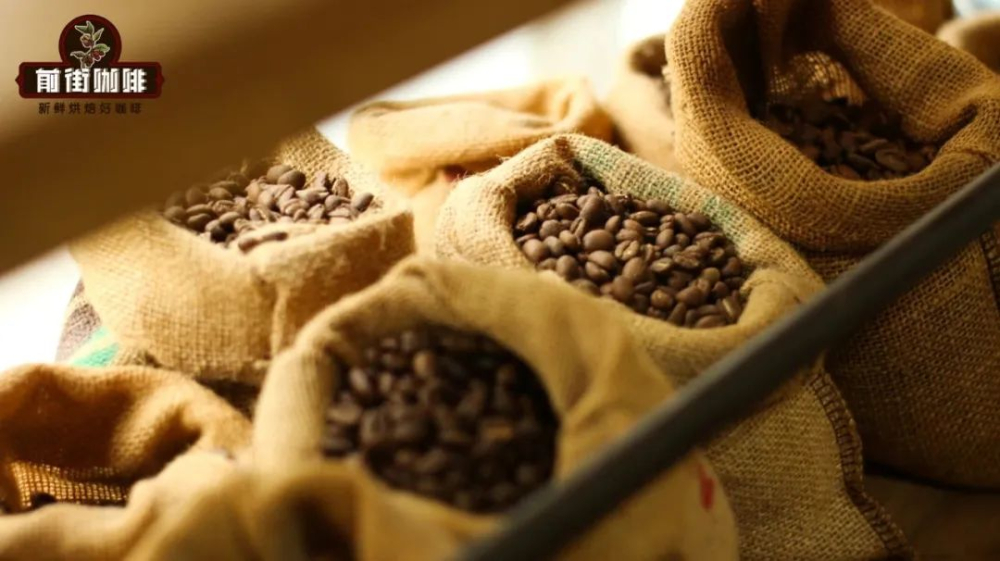
Many coffee lovers are drawn to what is described as “bright acidity,” such as citrus, berries, floral notes, or even fermented wine-like qualities typical of certain regions. The original intent behind SOE is to maintain the unique characteristics of a single origin while enhancing the coffee’s individuality through appropriate roasting—especially light-roasted SOEs, which often exhibit intense acidity and distinctive aromas in espresso.
However, the degree of roasting greatly affects the expression of coffee flavors. Overly dark roasts can bring out caramel and boldness but tend to mask the delicate flavors inherent to the origin, making the coffee taste more bitter. Conversely, overly light roasts may result in under-extraction, leading to a thin body or unpleasant sharp acidity. Therefore, many roasters use different roast profiles for the same bean depending on the brewing method.
Generally speaking, single-origin beans designed specifically for pour over often use light to medium roasts to preserve clear floral, fruity, and tea-like notes, making them suitable for methods like pour over, French press, and drip bags using normal pressure. On the other hand, SOE beans are mostly medium or medium-dark roasts, emphasizing not only fruit acidity but also caramelized sweetness and rich layers—ideal for extraction via the high pressure of espresso machines, which brings out a full body and creamy mouthfeel.
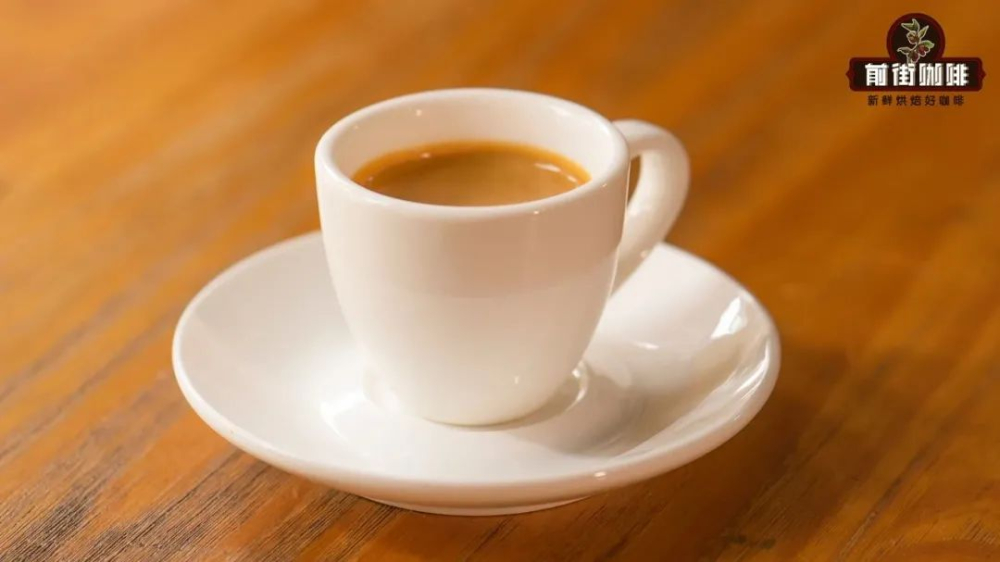
So, if you have SOE beans on hand and want to try brewing them via pour over, how should you adjust the parameters? The key is to observe the flavor descriptions on the packaging, use those to determine the roast level, and then choose an appropriate water temperature and grind size accordingly.
If the flavor profile is dominated by floral, fruity, tea-like, or bright acidic notes, these SOE beans are likely light to medium roasted. We recommend using water at around 92–93°C and a fine grind size (such as 80% extraction through a #20 sieve, with a texture similar to superfine sugar), which helps bring out delicate acidity and aroma while avoiding over-extraction that could lead to bitterness.
If the flavors are primarily dark chocolate, cocoa, spices, hazelnut, caramel, or creamy, the beans may be medium-dark roasted. Due to the longer roasting time, these beans have a looser internal structure that can easily release bitter compounds. We suggest lowering the water temperature to around 88°C or below and using a slightly coarser grind (such as 70% extraction through a #20 sieve, with a texture similar to white sugar) to reduce the risk of over-extraction while highlighting richness and sweetness.
For SOE beans with more complex flavor profiles—such as those that offer both fruity and floral notes, a tea-like character, nuttiness, and subtle sweetness—they can be categorized as medium roasted. We recommend a water temperature of 89–90°C paired with a medium grind (about 75% extraction through a #20 sieve) to balance acidity, sweetness, and body, resulting in a harmonious cup.
In summary, although SOE beans are primarily designed for espresso, understanding their roast characteristics and adjusting your pour over parameters accordingly can still yield a cup with distinct and vibrant flavors. By interpreting the flavor description to assess roast level and fine-tuning water temperature, grind size, and brewing technique, you can fully unlock the potential of SOE beans. Whether you prefer bright, sweet, and acidic profiles or rich and bold ones, every coffee lover can find their ideal extraction method.
The above content is compiled by CoffeeHunters, a coffee news website.


