








Introduction:Cold brew coffee is a method of brewing coffee by steeping coarsely ground coffee in cold water for an extended period of time. In recent years, it has gained increasing popularity among coffee enthusiasts. Compared to traditional hot brewing methods, it delivers a smooth and rich flavor without the need for precise temperature control or complicated techniques. This article will delve into the definition, historical background, ideal coffee bean selection, recommended coffee-to-water ratio and grind size, as well as provide practical brewing steps and storage tips — helping you easily master this beginner-friendly iced coffee technique.
Known in English as Cold Brew Coffee, it is also referred to as cold steeped coffee, ice-brewed coffee, or cold-brewed coffee. The basic method involves placing ground coffee into room temperature or cold water, allowing it to steep for as long as 12 hours or more, then filtering out the grounds. The resulting liquid is cold brew coffee, which is currently one of the most common forms of iced coffee on the market.
Many people enjoy cold brew coffee mainly because it doesn’t require precise pouring techniques or water temperature control, making it an ideal entry point for those who find pour over coffee too complicated. With just a sealed bottle and some coffee grounds, let it sit overnight, and by the next day you can enjoy a full-flavored, smooth iced coffee — no special skills needed.

Cold brew coffee is quite different from the hot water high-temperature extraction used in pour over methods. Because it uses low-temperature brewing, it significantly reduces the release of tannins and bitter substances. By extending the brewing time and ensuring thorough soaking, it more easily extracts small-molecule flavor compounds such as floral and fruity notes from the coffee, resulting in a smoother, richer overall taste, more complex aroma layers, and a more pronounced sweetness.
However, cold brew coffee does have its limitations — namely, the relatively long brewing time. Therefore, it’s recommended to mix the coffee grounds with cold water before going to bed at night, place it in the refrigerator, and by the next morning you’ll have freshly made iced coffee, saving time without sacrificing flavor.

When it comes to the origins of cold brew coffee, many may have first encountered it through Starbucks, but it actually did not originate there. It is said to have been invented by Dutch sailors in the 17th century, who, unable to boil water at sea, tried steeping coffee grounds in cold water and unexpectedly discovered that the resulting coffee had a pleasant flavor. Subsequently, cold brew coffee gradually became seen in the West, especially around the mid-19th century, with various forms of cold brew emerging in countries such as Britain, Japan, and the United States, even gaining popularity for military use.
By the 1960s, a traveler named Todd Simpson, after tasting a unique cold brew coffee in Peru, became deeply fascinated by it. He subsequently designed a cold brew system called Toddy, which is the prototype of the widely used cold brew equipment today. Starbucks used a similar system to further promote cold brew coffee to the global market.
If you want to make cold brew coffee at home, the first step is to choose the right coffee beans. Generally speaking, if you prefer floral and bright acidic flavors, you can opt for beans with prominent fruit notes; if you favor sweetness and fruity profiles, you might choose coffees with berry or caramel characteristics; and if you prefer low-acidity, bold and rich black coffee, dark roasted beans from regions like Mandheling or Huila would be better choices.
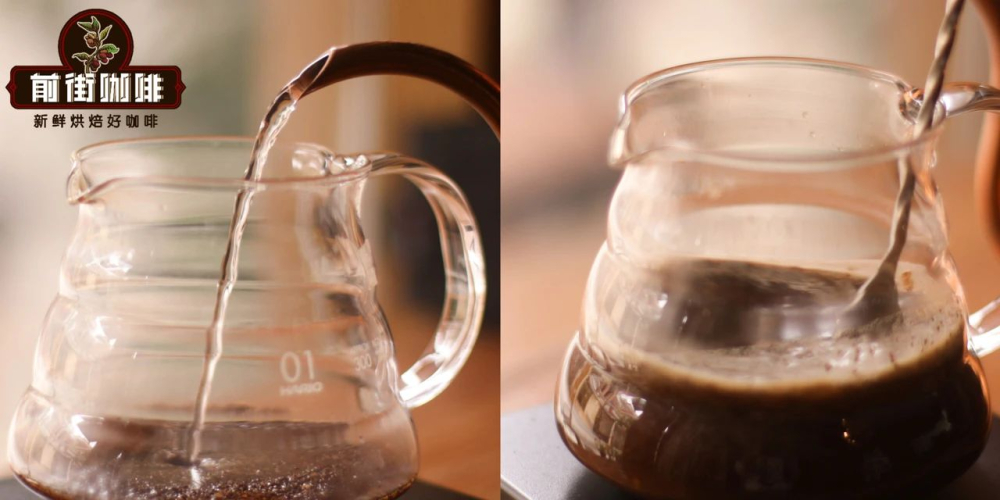
In terms of coffee-to-water ratio, it is recommended to use a 1:13 ratio — for example, using 40 grams of coffee grounds with 520 grams of cold water (note: cold water, not ice cubes added directly). After thoroughly mixing the coffee grounds with the cold water, remember to stir the mixture evenly using a stirring tool, then place it in the refrigerator to steep for 12 to 24 hours, allowing the coffee grounds to slowly release their flavors.
Regarding grind size, cold brew coffee differs from pour over or hot brewing methods. It is recommended to use a coarser grind, roughly similar to a standard sieve size of 0.85mm, with a passing rate of about 80% to 85% — about the coarseness of fine sugar is ideal. Too fine a grind can lead to over-extraction, causing unwanted woody or off-flavors in the coffee, and may also cause the grounds to clump during steeping, leading to uneven extraction.
Additionally, while a finer grind can help enhance flavor intensity during hot brewing, in a low-temperature environment, if acidic and sweet compounds are released too early, the subsequent release of body-enhancing compounds can easily make the overall taste feel dull or even unclean.

After the steeping process is complete, it is recommended to filter the coffee grounds using filter paper or a fine mesh sieve to enjoy your cold brew coffee. The filtered coffee liquid is best consumed within 72 hours when stored sealed, to achieve optimal flavor. However, some coffee enthusiasts also note that cold brew coffee stored in the refrigerator for seven days may develop a deeper, more fermented character. While some enjoy this particular aftertaste, if you’re not fond of strong fermentation notes, it’s best to enjoy it fresh, with the optimal tasting window usually being within 2 to 3 days after filtration.
Finally, it is recommended to enjoy cold brew coffee with ice cubes. On one hand, this helps maintain a cool drinking temperature, and on the other hand, the slight dilution allows the flavor layers to unfold more fully, highlighting different flavor characteristics. Meanwhile, the cool sensation also enhances the overall drinking experience.
The above content is compiled by CoffeeHunters, a coffee news website.


