








Introduction:Want to enjoy a smooth, non-bitter cup of coffee during the hot summer? Cold brew coffee is perfect for you. This article delves into the two main methods of cold brew: cold drip and immersion, covering everything from equipment setup, coffee-to-water ratio, extraction time to optimal flavor presentation, step by step. It also explains the caffeine difference between cold brew and iced americano, and shares the real-world performance of two coffee beans ideal for low-temperature extraction, helping you easily brew your own signature summer coffee.
In the summer, it always feels like something’s missing without a refreshing, smooth cold brew. But with so many types of coffee beans on the market, which are best suited for cold brew? How should cold brew be stored, and how long will it last? This article starts with the basics and takes you through the world of cold brew coffee. Whether you prefer cold drip or immersion, you’ll find the right brewing method.
Cold brew refers to the process of allowing coffee grounds to come into prolonged contact with water at a low temperature to extract flavors. Because the water temperature is relatively low, the resulting coffee usually lacks the sharp bitterness common in hot-brewed coffee, instead showcasing a smoother acidity and sweetness, often accompanied by hints of lightly fermented fruit aromas. In addition, due to the lower extraction temperature, the entire process takes significantly longer than traditional hot water brewing.
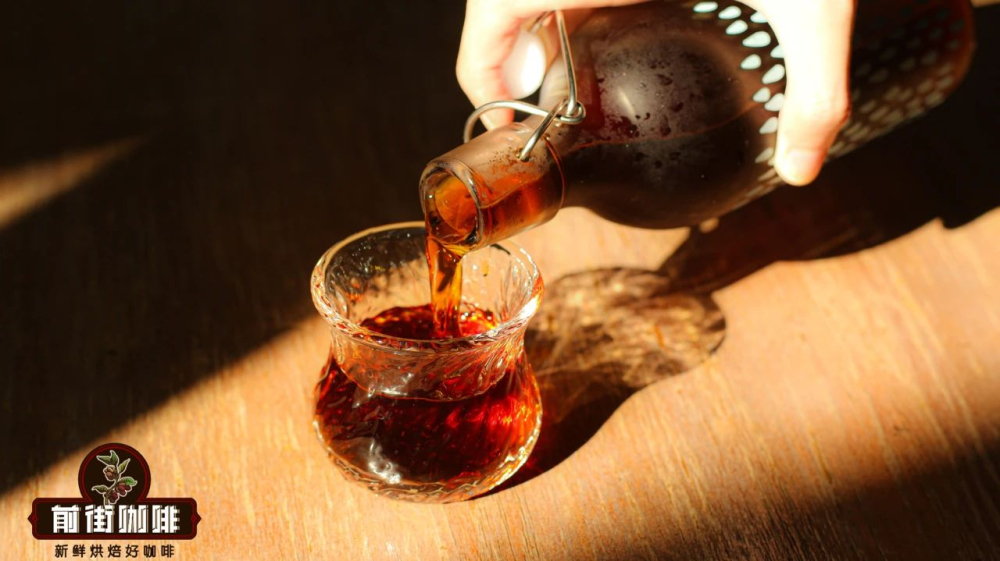
It is said that the cold brew technique originated from Japan’s 17th-century cold steeping tea culture. At the time, Dutch merchant ships in Europe, aiming to avoid the dangers of using open flames to boil water during long voyages and to solve the problem of limited access to hot water onboard, learned the cold steeping technique from Japan and applied it to coffee, gradually evolving into today’s cold brew method.
Nowadays, specialty coffee shops, including many that focus on pour over and filtration techniques, offer cold drip or immersion coffee. Known for their smooth texture and pronounced sweetness, these coffees have become especially popular during the hot season. Based on practical experience, cold brew can generally be divided into two main types: cold drip (Cold Drip) and immersion (Cold Brew), each excelling in equipment, technique, and flavor profile.
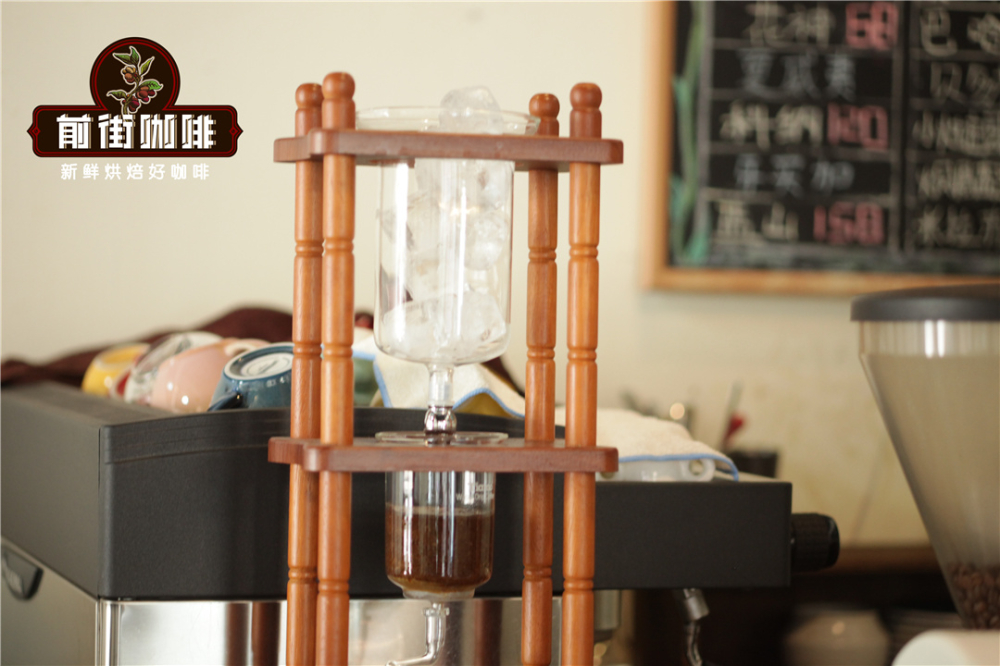
 Cold drip coffee equipment mainly consists of a water reservoir, a drip rate control valve, a coffee grounds chamber, a spiral tubing, and a coffee liquid collection bottle. During operation, it’s generally recommended to use coffee beans with bright acidity and prominent fruity notes—such as the popular Hua Kui variety—which can showcase a refreshing and complex flavor profile under low-temperature extraction.
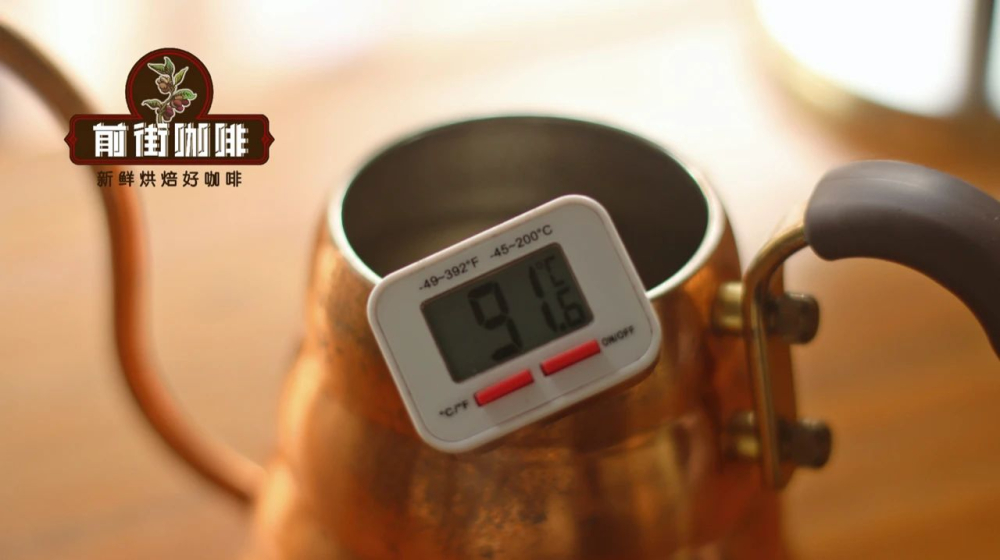
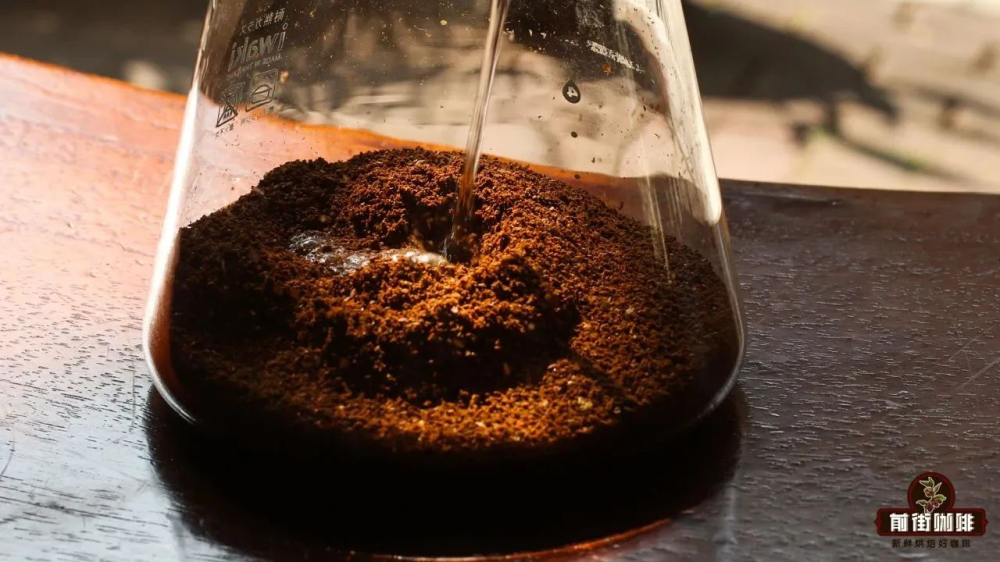
Taking practical experience as an example, when making cold drip, it’s suggested to use about 60 grams of coffee grounds with a coffee-to-water ratio of 1:10. The water temperature should be maintained between 0°C and 4°C, and the coffee grounds grind size is roughly equivalent to 80% passing through a Chinese standard No. 20 sieve. The extraction time typically falls between 6 to 8 hours. During the process, start by placing round filter paper in the grounds chamber and slightly wetting it, then add the coffee grounds and gently level them. Cover with another sheet of filter paper to prevent the ice water from directly dripping onto the grounds, which could cause uneven sinking and affect extraction consistency. Then, add a small amount of ice water to the center of the grounds layer for pre-wetting, followed by letting the ice water slowly drip. The drip rate should be controlled at about 7 drops per 10 seconds. After extraction, it’s recommended to bottle the coffee liquid and let it refrigerate overnight, which helps harmonize the flavors and results in a richer, smoother taste.
As for those without professional cold drip equipment at home, don’t worry—immersion cold brew is actually easier to handle. Simply place an appropriate amount of ground coffee into a sealed glass container, add room temperature or iced water at a 1:10 coffee-to-water ratio, stir gently to mix evenly, seal, and refrigerate for 8 to 12 hours. Once extraction is complete, just filter it simply and enjoy—it can also be kept refrigerated for several more days.
Many people wonder: compared to iced americano, which has higher caffeine content? In fact, because the coffee grounds are in contact with water for a longer period during cold brew, more caffeine is released, so cold brew usually contains more caffeine than iced americano. Many assume that low-temperature extraction reduces caffeine release, but in reality, extraction time is the key factor.
When selecting coffee beans, if you want to highlight fresh fruity notes and a sweet acidity profile, it’s recommended to choose beans with lighter roasts and bright acidity, such as Hua Kui. These beans, sourced from Ethiopia’s Sidamo region and processed by the Buku Abel washing station using the natural method, offer intense berry and passion fruit-like fermentation aromas. When made into cold drip, they resemble a cool mixed fruit juice, with vibrant acidity and rich layers. The Hua Kui variety won the TOH natural category championship in the region back in 2017, and its unique strawberry cream finish remains impressive even when presented via cold brew.
If you prefer a bolder, fuller-bodied flavor, sherry-processed coffee beans are also a great choice. These beans, which undergo fermentation in sherry whiskey barrels, often exhibit distinct wine-like aromas and a rich mouthfeel after low-temperature extraction, making them especially suitable for coffee lovers who enjoy heavy fermentation profiles.
In summary, whether you go for cold drip or immersion, mastering key parameters such as coffee-to-water ratio, water temperature, and time will allow you to easily enjoy your own signature summer cold brew. Remember to adjust the strength according to personal taste, and take advantage of beans from different regions and processing methods to explore a variety of flavor possibilities.
The above content is compiled by CoffeeHunters, a coffee news website.


