







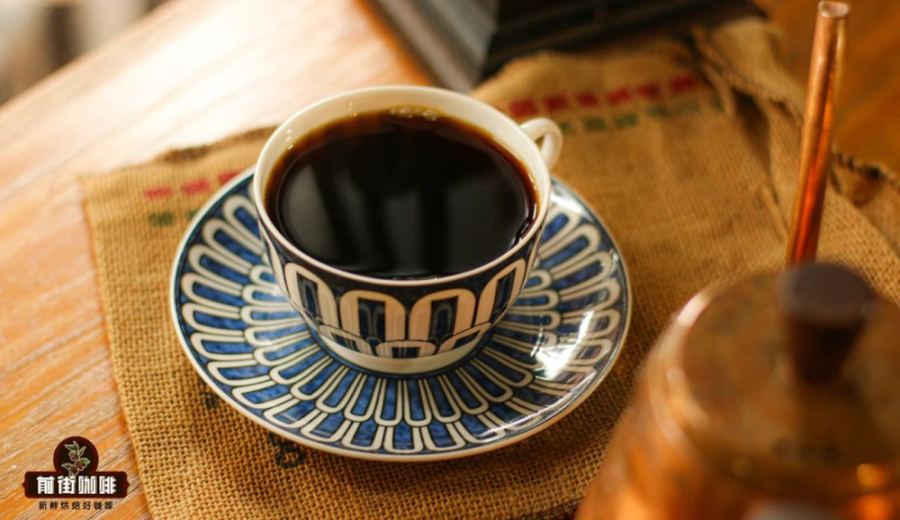
Introduction:Jamaican Blue Mountain coffee is hailed as one of the world’s finest coffees, but where does its exceptional quality come from? This article delves into the origins, growing environment, and traditional processing methods of Blue Mountain coffee, focusing on the iconic Wallenford Estate, while also explaining the CIB certification system, roasting recommendations, and proper brewing techniques. Readers will gain a comprehensive understanding of how to appreciate Blue Mountain coffee, learn what truly qualifies as “Blue Mountain,” and avoid common market misconceptions.
The global renown of Blue Mountain coffee stems not only from its rarity but also from Jamaica’s unique geographical conditions and rigorous quality control systems. This article begins with the historical roots of Blue Mountain coffee, taking you through its growing region in the Blue Mountains, processing methods, major producing areas such as the Wallenford Estate, and an analysis of the significance of CIB certification. It also offers professional roasting and pour over advice, helping you truly understand what constitutes authentic Blue Mountain coffee.
Coffee cultivation in Jamaica dates back to the early 18th century. In 1717, King Louis XV of France ordered the planting of coffee in the region, and by the 1720s, then-Governor Sir Nicholas Lawes introduced Arabica seeds from Martinique, marking the official beginning of Jamaica’s coffee industry. These coffee trees later took root in the Blue Mountains and were classified into three grades based on altitude: Jamaican Blue Mountain coffee, High Mountain coffee, and regular Jamaican coffee, with prices varying significantly accordingly.
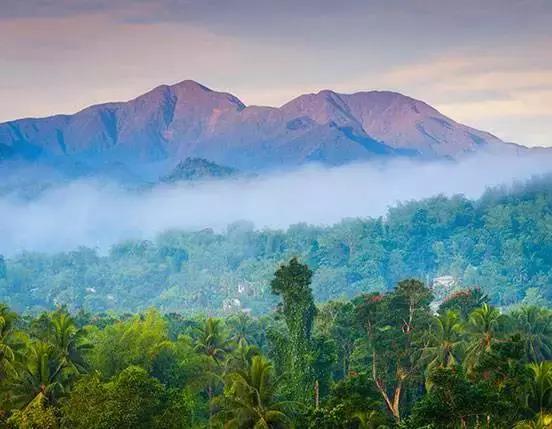
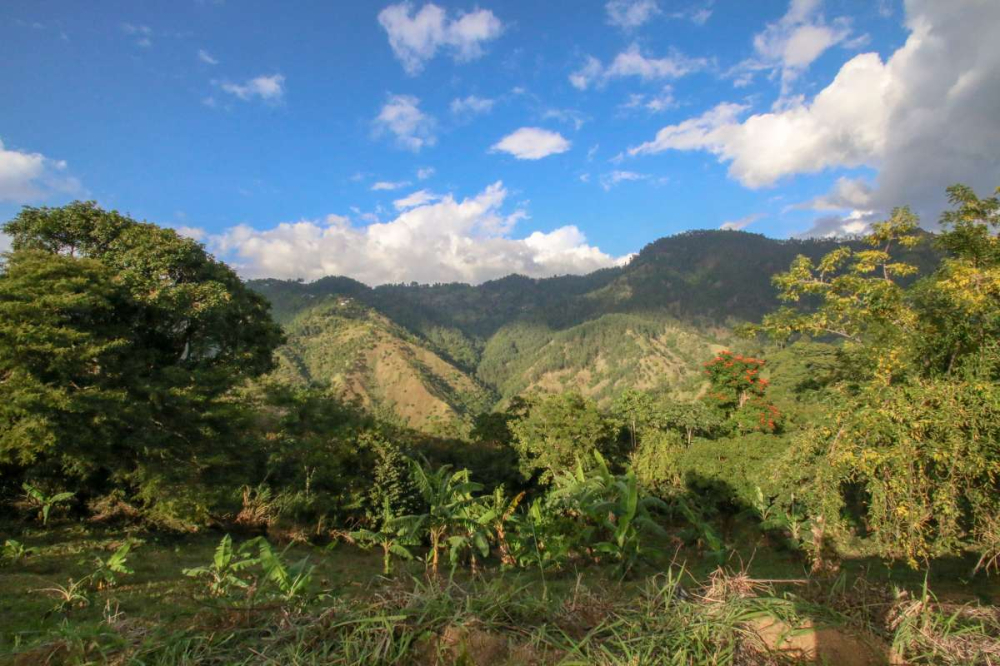
The Blue Mountains are located on Jamaica’s east coast, surrounded by the crystal-clear Caribbean Sea. When sunlight shines on the azure waters, the reflection on the mountain peaks gives the range a bluish hue, hence the name “Blue Mountains.” This area is not only home to breathtaking scenery but also one of the world’s few high-altitude coffee-growing sanctuaries. The highest peak in the Blue Mountains reaches 2,256 meters, which is not only the tallest point in the Caribbean but also features a classic coffee belt climate: fertile volcanic soil, abundant rainfall (with an average annual precipitation of about 1,980 mm), constant temperatures (around 27°C), and frequent fog—all of which contribute to the unparalleled flavor profile of Blue Mountain coffee.
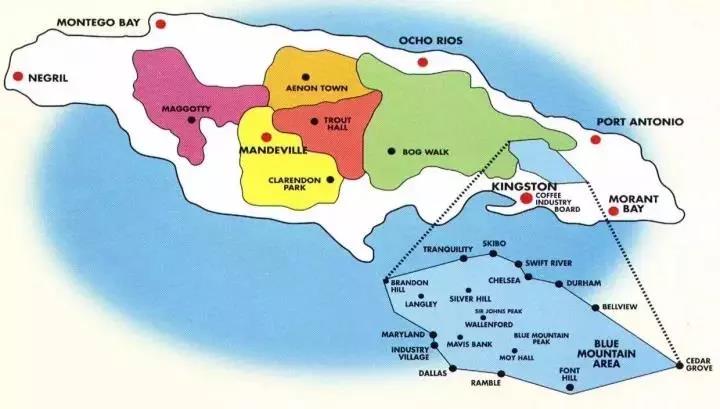
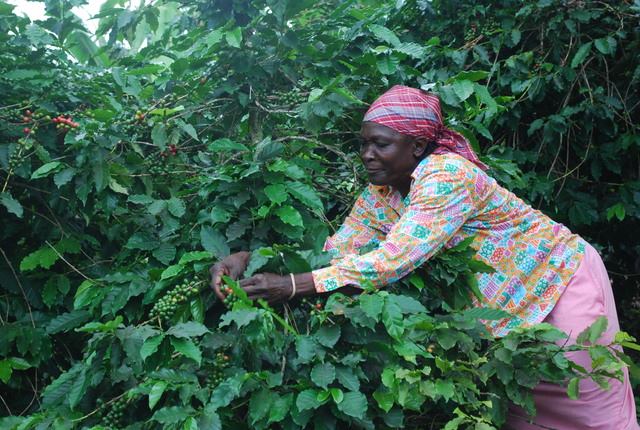
True Blue Mountain coffee can only be produced in the Blue Mountain region of northeastern Jamaica, located north of the capital, Kingston. The terrain is steep, and the planted area covers only about 6,000 hectares, with the remaining 12,000 hectares used for cultivating High Mountain and regular Jamaican coffee. Many Blue Mountain estates employ terraced farming and intercropping with crops such as bananas and avocados, which not only helps preserve the soil but also creates a microclimate ideal for coffee growth. Due to the rugged terrain, harvesting is almost entirely carried out manually by skilled female workers, who carefully select only the optimally ripe coffee cherries to ensure consistent quality.
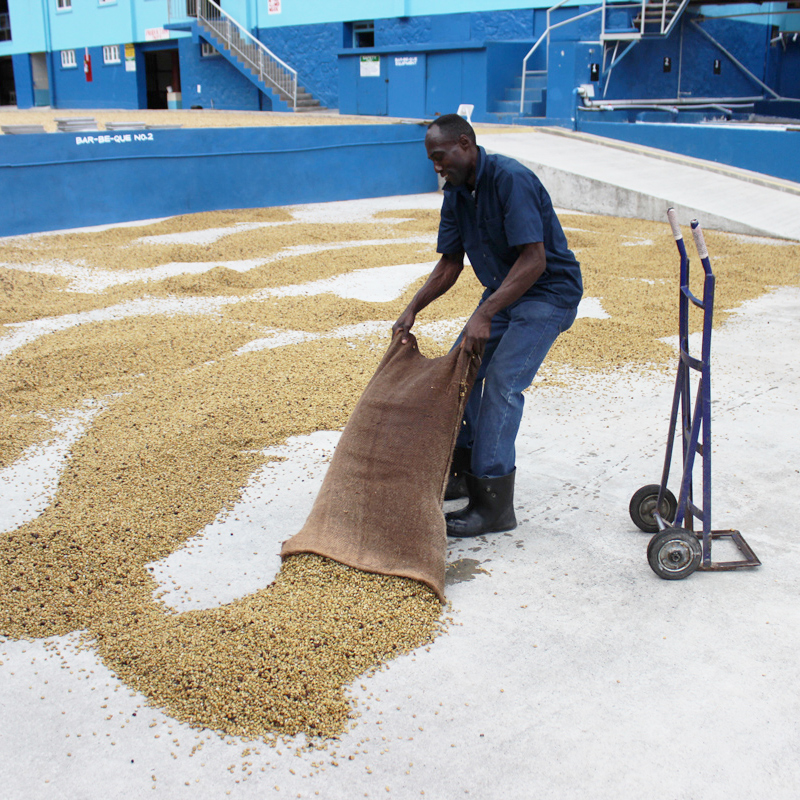
Blue Mountain coffee is processed exclusively using the washed method. This technique requires farms to have dedicated washing tanks and a stable water supply. First, the pulp and mucilage are removed, followed by 12 to 18 hours of fermentation. Then, the beans are friction-washed with water to achieve a smooth surface. After washing, the coffee beans are still covered by their parchment layer, with a moisture content as high as 50%, and must be dried in the shade to reach 12%–14%. Finally, the beans undergo sorting and storage. Every step must be meticulously controlled to maintain their top-tier quality.
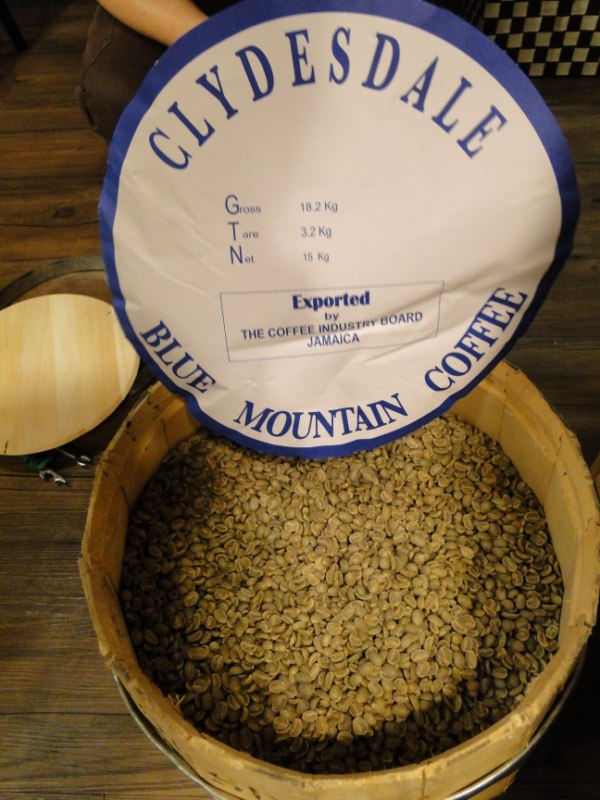
The main producing regions of Blue Mountain coffee are Saint Andrew, Portland, and Saint Thomas. In addition to well-known large estates such as the Wallenford Estate, Silver Hill Estate, and Atlanta Estate (Martinez), there are also several small-scale family-run farms, some of which have been in operation for over two hundred years. Official certification labels for the Blue Mountain region include institutions such as the Mavis Bank Central Factory, the Blue Mountain Coffee Cooperative Factory, and the Portland Blue Mountain Cooperative Factory, often seen on wooden barrels.
The Wallenford Estate is one of the most important representatives of Blue Mountain coffee, having cultivated coffee here since 1790. Located at the foot of Catherine’s Peak, approximately 1,524 meters above sea level, the estate enjoys a cool and misty climate year-round, which endows the coffee beans with a rich and full-bodied flavor. Notably, it is one of the very few estates still directly managed by the government, and its unwavering commitment to quality has made it a model for Blue Mountain coffee. Wallenford holds three officially registered trademarks, each representing strict quality control for its exported products.
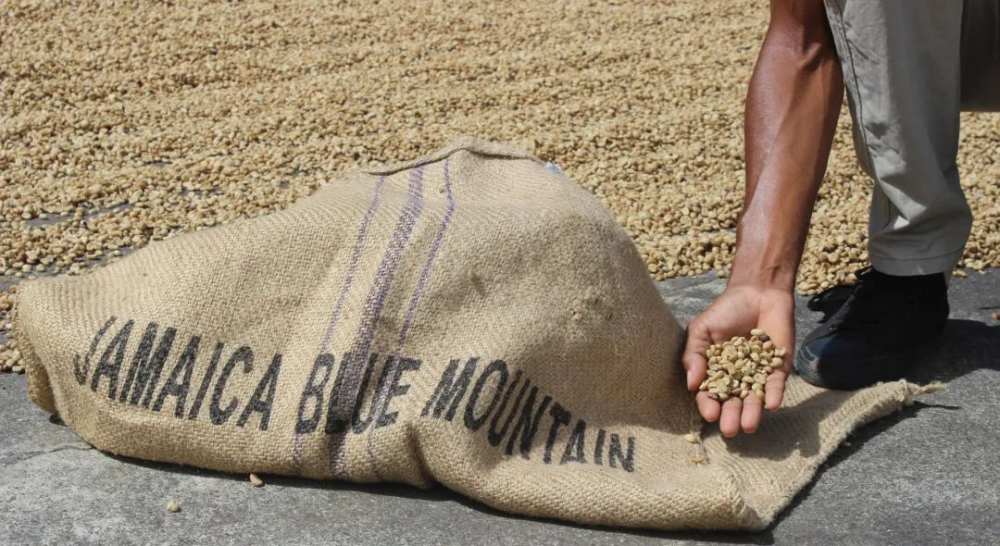
The Jamaica Coffee Industry Board (CIB), the statutory regulatory body for Jamaican coffee, is responsible for quality monitoring and certification. Only coffee grown in the Blue Mountain region at altitudes above 666 meters qualifies to be called “Jamaican Blue Mountain Coffee.” The CIB classifies it into five grades: NO.1 to NO.4 and Peaberry (PB), with NO.1 being the highest quality—featuring large beans and minimal defects, making it a premium product in the market. Additionally, the CIB issues three types of certification documents: quality certificates, sales authorizations, and certificates of origin, ensuring the traceability of every batch of Blue Mountain coffee.
In terms of roasting, Blue Mountain coffee is suited to a medium-dark roast aimed at achieving “clarity,” ensuring the beans are evenly roasted inside and out to fully highlight its delicate flavor layers. The recommended roasting curve is as follows: charge temperature 170°C, initial flame adjusted to 140°C, progressing through the turning point before first crack, and dropping the beans at around 201°C to preserve the balance between sweetness and acidity. Additionally, it is recommended to use V60, KONO, or Kalita filter cones, with water temperature controlled at 86–88°C and grind size close to medium-fine (such as EK43s setting 10.5), to fully bring out its floral, caramel, and gentle fruity acidity characteristics.
The flavor profile of Blue Mountain coffee is described as rich, balanced, and delicate, with bright acidity, pronounced sweetness, and lingering notes of chocolate and subtle floral tones. The dry aroma often carries scents of roasted peanuts, hazelnuts, and honey, while the wet aroma reveals layers of oolong tea, caramel, and almond skin. When brewing, care should be taken to avoid excessively high water temperatures to prevent astringency or smokiness.
Finally, how can you distinguish real Blue Mountain coffee? Authentic green beans are emerald green, uniformly sized, and slightly curved. After roasting, they appear plump and full, with a rich aroma. When hand-ground, the process feels smooth without resistance, and the brewed coffee should present a balanced acidity, sweetness, bitterness, and a full-bodied mouthfeel, with no single flavor overpowering the rest. Many commercially available products labeled as having a “Blue Mountain flavor” or sold at unusually low prices are often not genuinely from the Blue Mountain region. Consumers should carefully verify the origin certification and sourcing.
The above content is compiled by CoffeeHunters, a coffee news website.


