







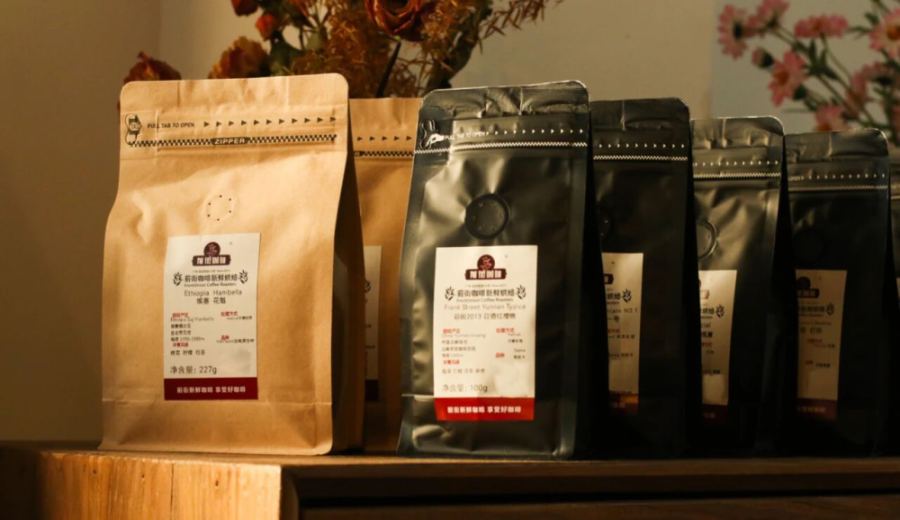
Introduction:Many coffee enthusiasts often face the dilemma of choosing between 'single-origin beans' and 'blended beans' when purchasing coffee, especially when it comes to brewing espresso. This article delves into the definitions, differences, and application scenarios of the two—from the stable performance of traditional dark-roast blends to the flavor layers of single-origin beans in pour over, and further explores how SOE combines the advantages of both. The article will also introduce three representative single-origin beans to help you find the most suitable coffee choice based on your personal taste.
When you walk into a coffee shop and want to buy beans, the staff will often ask, “What kind of coffee are you making?” If your answer is espresso, they might recommend a blend or a single-origin bean (Single Origin). At this point, you might wonder: Both are used for making espresso—what’s the difference? Can single-origin beans also be used to brew espresso?
Blended coffee, in essence, is a mixture of coffee beans from different regions, varieties, or processing methods, combined in specific proportions. The goal is to achieve balanced and layered flavors by complementing the characteristics of various beans. For example, if one type of bean has outstanding aroma but a slightly thin body, it can be paired with another that is rich but less aromatic, resulting in a final product with more complete expression in flavor, acidity, sweetness, and body.
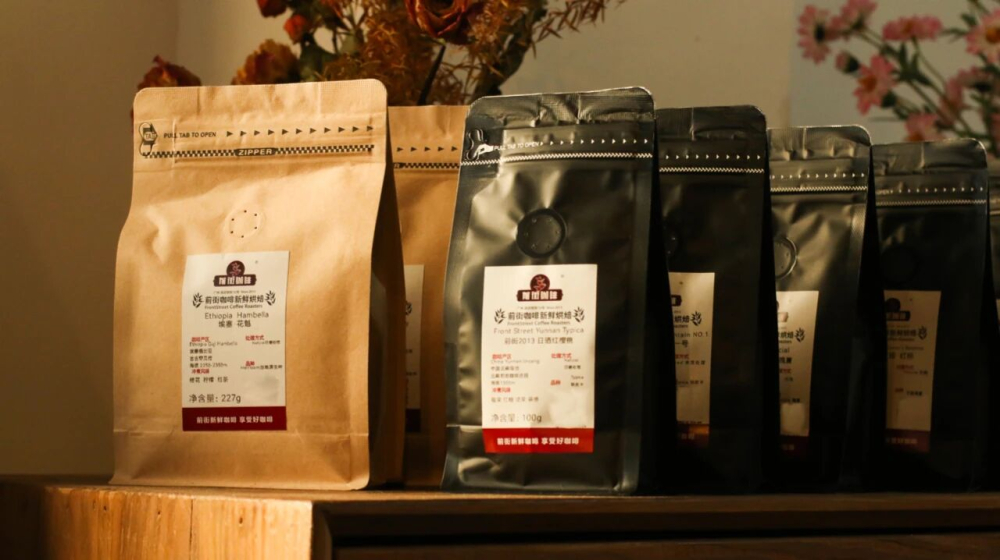
In the traditional realm of espresso, roasters often opt for medium to dark roasted blends. These beans, subjected to high-temperature and long-duration roasting, tend to develop caramelized, bold flavors with a base note of chocolate or nuts, along with high extraction stability—making them ideal for daily beverages such as lattes, cappuccinos, or Americanos.
For beginner coffee enthusiasts, it’s recommended to choose common, cost-effective commercial blends, such as those with a darker roast degree. These beans usually offer a full body, pronounced roasted aroma, and stable crema, suitable not only for use in moka pots or semi-automatic espresso machines but also capable of easily extracting aromatic coffee liquid—perfect for everyday home use.
In contrast, pour over coffee mostly favors single-origin beans. Single-origin beans refer to those sourced from a single region, estate, or even processing method, preserving the unique terroir characteristics of that area. For example, African beans often exhibit bright citrus acidity and floral notes; beans from Central and South America may carry a wine-like sweetness and berry flavors; while Southeast Asian beans, such as Indonesia’s Mandheling, often showcase low acidity, a rich body, and notes of spices or earthiness.
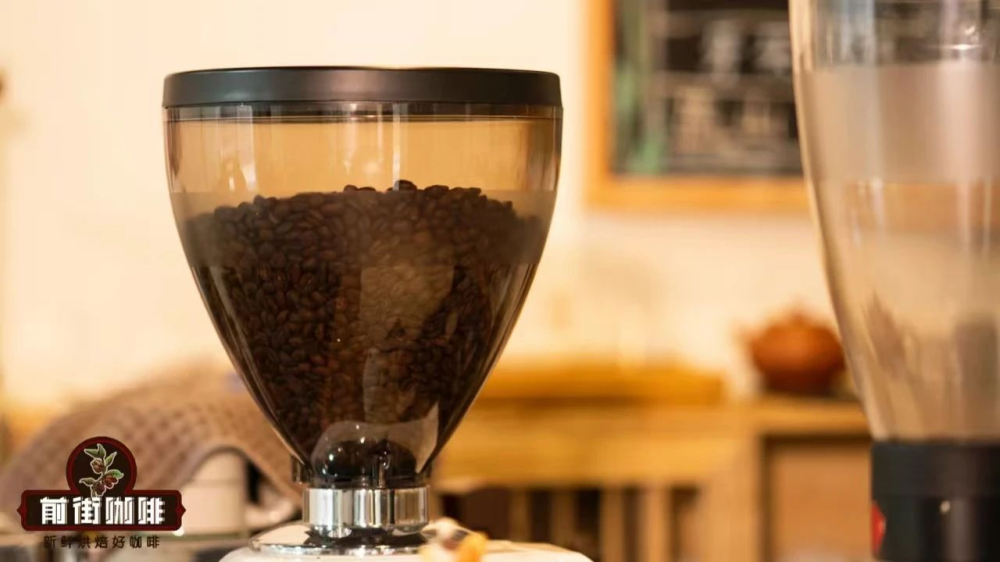 As the name suggests, SOE (Single Origin Espresso) refers to espresso made using single-origin beans. These beans retain the flavor characteristics of single-origin coffee while delivering a concentrated and intense taste through espresso extraction. The charm of SOE lies in the fact that, unlike typical blends that pursue balanced flavors, or traditional single-origin pour over that tends to be more subtle, SOE retains clear regional characteristics—such as pronounced fruitiness, caramel sweetness, or nutty tones—even under high-pressure and high-temperature extraction conditions.
However, when using SOE to brew espresso, extra attention should be paid to roast level and extraction parameters. Being a single-origin bean, if roasted too dark, it can release excessive bitterness during espresso extraction; if roasted too light, it may become overly acidic or astringent due to intolerance to high-pressure extraction. Therefore, selecting an appropriate roast level (commonly medium to dark), along with precise grind size, water temperature, and pressure, are all key factors influencing the final flavor profile.
If you prefer coffee with nutty and creamy aromas, you can try the Queen Estate SOE from Brazil. This bean uses the Yellow Bourbon variety and undergoes natural processing, showcasing rich flavors of cream, peanuts, and caramel, with noticeable sweetness and a long-lasting aftertaste. It is particularly suitable for making SOE espresso, offering a smooth mouthfeel and complex layers.
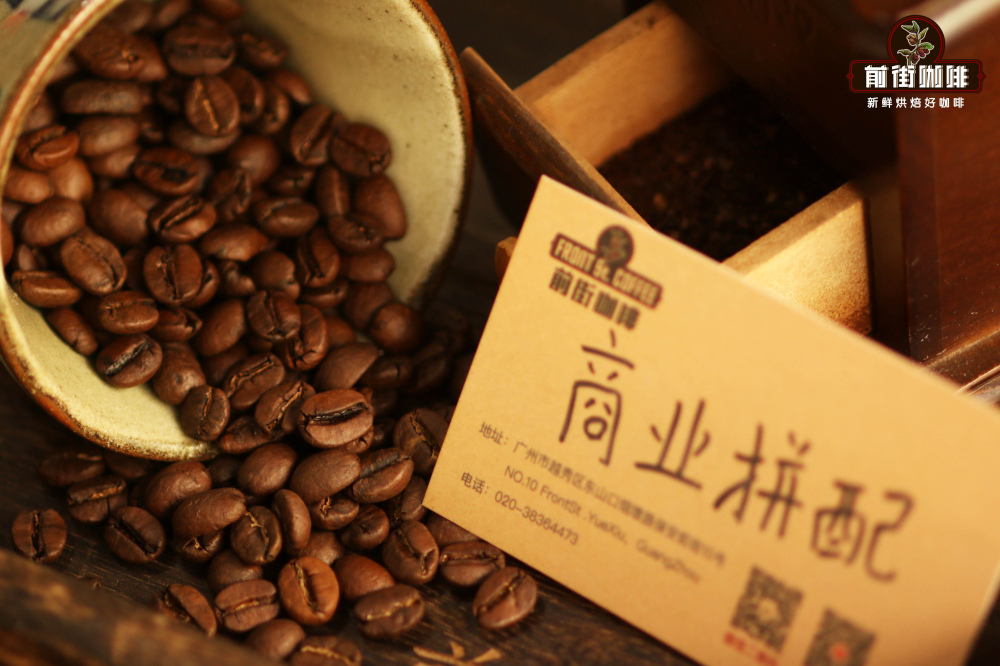
If you enjoy coffee with spicy and dark chocolate undertones, the PWN Golden Mandheling SOE from Indonesia is a great choice. Sourced from Sumatra, Indonesia, this bean is a high-quality Mandheling selected through multiple rigorous hand-picking processes and classified as G1 grade. Its flavor profile includes dark chocolate, pine, herbs, and a hint of caramel sweetness, with a rich body and unique spicy layers—it's a classic option beloved by many espresso enthusiasts.
Lastly, for those who enjoy vibrant fruity aromas and bright acidity, consider the Sidamo SOE from Colombia. Produced at the Boundary Line Estate in the Huila region, this bean undergoes double anaerobic natural processing, offering tropical fruit flavors such as passionfruit, grape, berries, and apricot. The medium roast setting achieves a well-balanced acidity and sweetness, making it not only suitable for pour over but also showcasing the rare fruity burst often hard to find in espresso.
The above content is compiled by CoffeeHunters, a coffee news website.


