







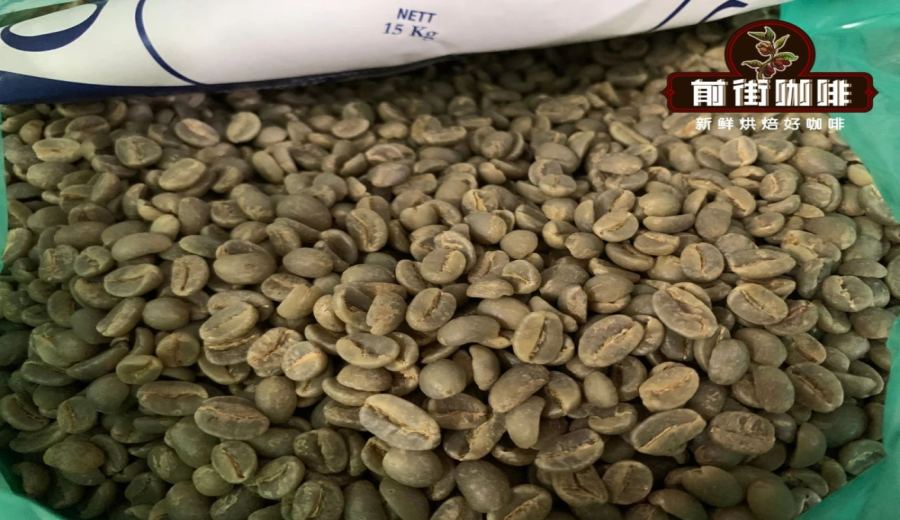
Introduction:Jamaica Blue Mountain coffee is hailed as the "King of Coffee," with its No. 1 grade representing the pinnacle of specialty coffee. But what makes Blue Mountain beans stand out? This article delves into the delineation of the core Blue Mountain production regions, the four grading standards, and the secrets behind traditional wooden barrel packaging. It also takes you inside the historic Clifton Estate and its BMCP processing facility. Additionally, it provides professional pour-over brewing recommendations and a comprehensive flavor analysis to help you truly appreciate the allure of this legendary coffee.
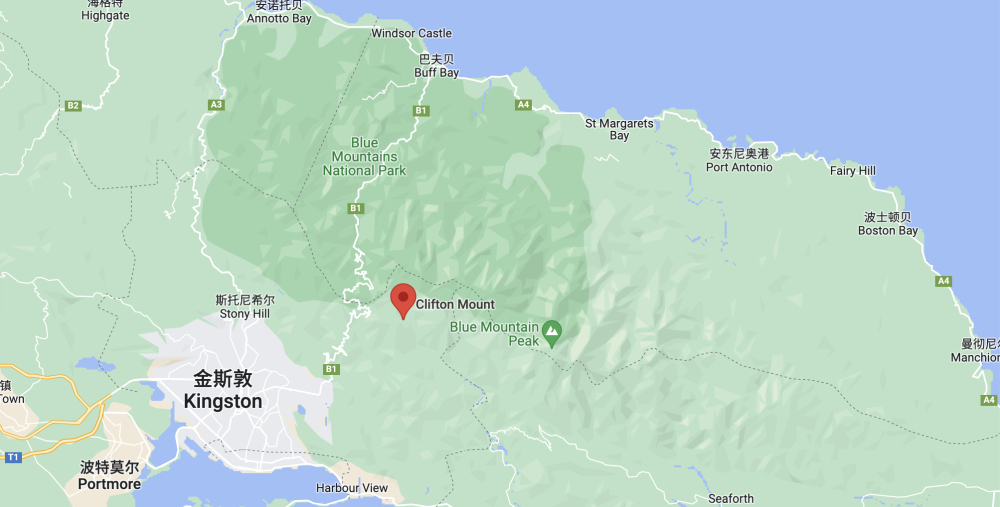
Jamaica Blue Mountain coffee has long been renowned as the "King of Coffee." Even in recent years as Geisha beans have surged in popularity, Blue Mountain has maintained its irreplaceable flavor profile and remained unshaken in the global specialty coffee market. However, not all coffee beans grown in the Blue Mountain range qualify as "Blue Mountain coffee." In fact, only coffee produced in the core area of the Jamaica Blue Mountains, at elevations between 910 and 1,700 meters, can bear this prestigious label.
According to the strict regulations of the Jamaica Coffee Industry Board (CIB), true Blue Mountain coffee is limited to production from about 6,000 hectares within the core zone of the Blue Mountain range. This area has been scientifically designated and is closely tied to altitude. As the altitude increases, the climate becomes cooler, slowing the ripening process of the coffee cherries and allowing for the accumulation of richer flavor compounds. Notably, altitudes above 1,700 meters are designated as nature reserves and are strictly prohibited from cultivation. Therefore, the eligible planting areas have a minimum elevation of 910 meters and a maximum of 1,700 meters.
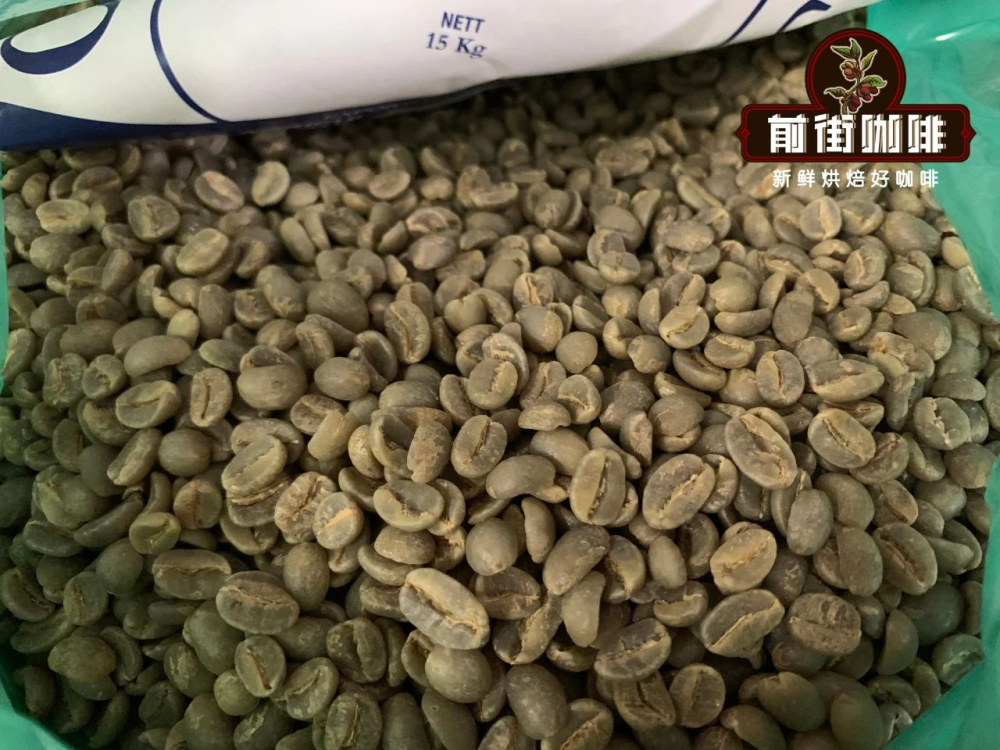
Jamaica Blue Mountain coffee is divided into four grades based on quality and processing refinement: No. 1, No. 2, No. 3, and PB (peaberry). Among these, No. 1 is the highest grade, requiring each coffee bean to be 17 mesh or larger, with a defect rate strictly controlled below 3% and moisture content maintained at around the ideal value of 13%. These standards ensure that Blue Mountain No. 1 beans are plump, uniformly sized, and offer superior flavor performance. It’s worth noting that in the Chinese market, the so-called "Blue Mountain coffee" usually refers to this top-tier No. 1 grade, with other grades being far less common.
Another hallmark of Blue Mountain coffee is its traditional packaging method—wooden barrels. Unlike the more common burlap sacks or high-barrier aluminum foil bags, Blue Mountain coffee still insists on using specially treated wooden barrels for storing and transporting green beans. These barrels not only effectively regulate humidity, striking a balance between moisture resistance and breathability, but also prevent the beans from being crushed or affected by odors during transport. Each barrel is stamped with an official certification seal, ensuring that every step from origin to consumer is rigorously controlled. The barrels come in three capacities: small 15 kg, medium 30 kg, and large 70 kg. These not only symbolize the noble status of Blue Mountain coffee but also provide coffee enthusiasts who receive them with a sense of ceremony.
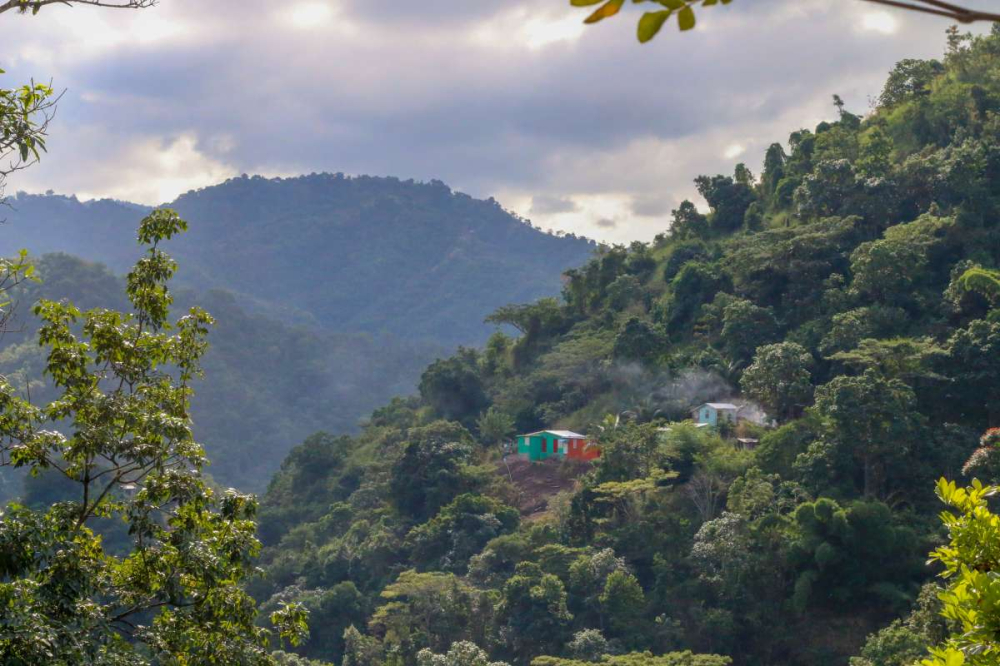
When talking about Blue Mountain coffee, one cannot fail to mention the Clifton Estate—this historic coffee plantation was established in the mid-18th century and was already the largest coffee-growing area in Jamaica by 1900. Starting in 1978, it came under the management of the Sharp family, who significantly improved the estate's growing conditions, introduced advanced processing equipment, and established the BMCP (Blue Mountain Coffee Processing) facility, which is currently the largest coffee processing plant in Jamaica.
The Clifton Estate has long adhered to environmental protection and sustainable operations. The estate is equipped with a solar power system and self-built sewage treatment facilities, while fruit peel waste is fermented and converted into organic fertilizer. In terms of coffee processing, the Clifton farm mainly uses the washed method, which fully highlights the clean characteristics and delicate flavors of Blue Mountain coffee. The specific process includes: after harvesting, the coffee cherries are first rinsed and screened to remove impurities, then the pulp and flesh are removed, followed by 12 to 8 hours of fermentation. After fermentation, the beans are repeatedly washed in water tanks using the friction between the water flow and the beans until the surfaces are smooth with no residue. Subsequently, the coffee beans are evenly spread out to dry, with moisture content controlled between 12% and 14%. Finally, they undergo secondary screening and proper packaging before entering the storage phase.
The washed processing method gives Blue Mountain coffee a bright, clean fruitiness, soft acidity, pronounced sweetness, along with a rich body, resulting in an overall very balanced profile. Many coffee professionals believe that washed Blue Mountain best showcases the exquisite craftsmanship and regional characteristics of Jamaican specialty coffee.
The coffee variety used for Blue Mountain No. 1 is Typica, one of the earliest classic Arabica varieties spread from Ethiopia to the rest of the world, renowned for its elegant flavor and good adaptability. Due to the washed processing, the green beans are usually light green in color, with full beans, large mesh size, and low defect rates—typical of high-quality green bean appearance.
When it comes to the flavor of Blue Mountain coffee, the most frequently mentioned aspect is its excellent balance of acidity, sweetness, and bitterness. Upon tasting, the first impression is soft fruity acidity and bright sweetness, followed by a rich profile of nuts and dark chocolate, with a long and layered finish. This comfortable drinking experience allows Blue Mountain coffee to exhibit a high level of enjoyment even without sugar or milk.
If you’d like to experience the pour-over flavor of Blue Mountain No. 1 at home, the following professional parameters are recommended: use freshly roasted coffee beans (ideally within 5 days of roasting) to ensure the flavors are at their peak. Use a KONO dripper, 15 grams of coffee, medium-coarse grind (approximately 75% passing through a #20 sieve), a water-to-coffee ratio of 1:15, and a water temperature of around 88°C. For brewing, use the three-pour method: the first pour involves adding 30 ml of hot water for a 30-second bloom, the second pour circles 100 ml, then add another 95 ml once the liquid level drops close to the bed of grounds, and finally let the dripper drain completely. The total extraction time is about 2 minutes. This brewing approach fully brings out the layers and details of Blue Mountain coffee, delivering a smooth and expressive mouthfeel.
In summary, Jamaica Blue Mountain No. 1 grade coffee is not only about strict limitations on origin and grade, but also represents the pursuit of excellence in every step from planting, harvesting, processing, to packaging. Whether it’s the traditional craftsmanship of wooden barrel packaging, or the deep heritage of the Clifton Estate and BMCP processing facility, all contribute to making this coffee a legend in the hearts of coffee lovers worldwide. If you have the chance to taste it, try following the pour-over suggestions above and savor the unique interplay of chocolate, nuts, and fruit flavors.
The above content is compiled by CoffeeHunters, a coffee news website.


