







Introduction:Understand the fundamentals of espresso — from single and double shot coffee doses, grind size to extraction ratios — and master the key to consistent brewing. This article delves into how much espresso can be extracted from 10 grams of coffee grounds, the real differences between single and double shots, and shares visual, olfactory, and taste evaluation standards to help coffee enthusiasts adjust to their ideal flavor profile, whether at home or in a café setting.
Espresso is the soul of many classic coffee beverages, whether it’s a latte, cappuccino, or Americano — none of them would be the same without this rich shot of coffee. But in practice, single and double espressos differ significantly in parameters such as coffee dose, grind fineness, and extraction time. So, how much espresso can actually be extracted from 10 grams of coffee? What are the actual differences between single and double shots? Below, we’ll take an in-depth look at these practical parameters and guide you on how to assess the quality of an espresso through visual, olfactory, and taste cues.
Espresso refers to a brewing method where near-boiling water is forced through finely-ground coffee under high pressure (typically 9 bar), extracting a concentrated coffee liquid. The resulting coffee is not only highly concentrated but also contains a wealth of suspended solids and oils. The golden-brown to dark brown foam on top is known as “crema,” an important indicator of successful extraction.
Single vs. Double Shot: Dose and Ratio
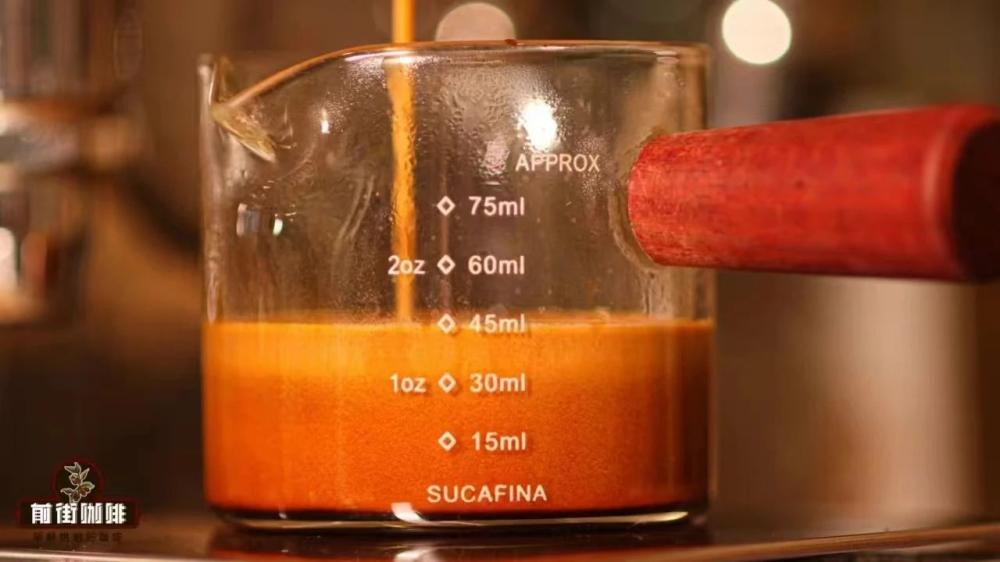
A single shot typically uses around 10 grams of coffee and extracts about 20 grams of liquid, with a coffee-to-water ratio of approximately 1:2; a double shot uses about 20 grams of coffee and extracts 40 grams of espresso, also maintaining a 1:2 ratio. Double shots often use a bottomless portafilter or a specialized double-shot basket to extract a double portion in one go. It’s worth noting that even if the coffee dose is doubled, uneven grinding or tamping can lead to channeling and uneven extraction, negatively impacting the overall flavor.
Additionally, factors like machine pressure, water temperature, and extraction time also affect the final outcome. A general recommendation is an extraction time of 25 to 30 seconds — too short may result in under-extraction, while too long can lead to over-extraction, producing bitter and astringent off-flavors.
Grind Adjustment and Daily Maintenance
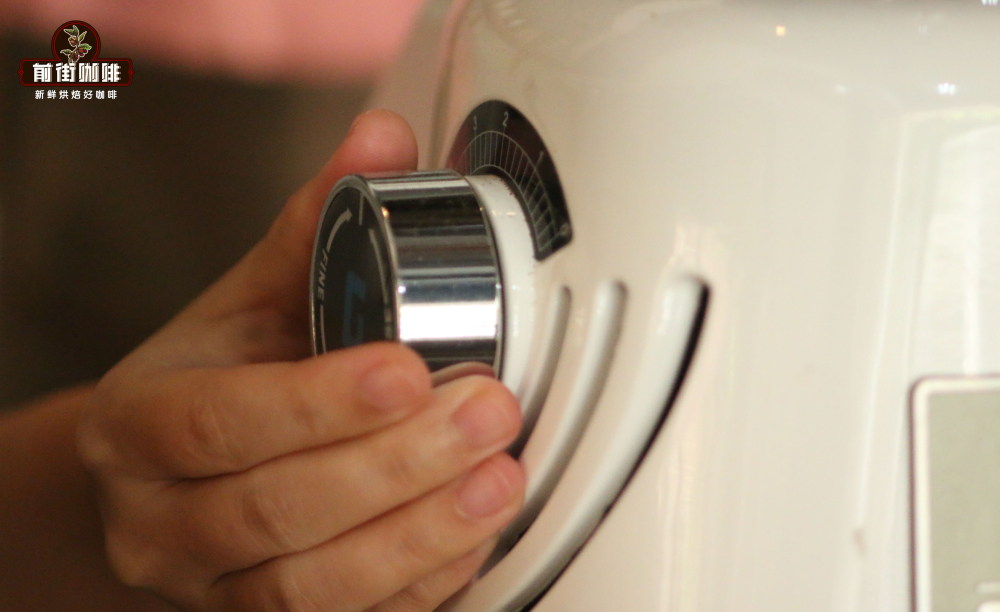
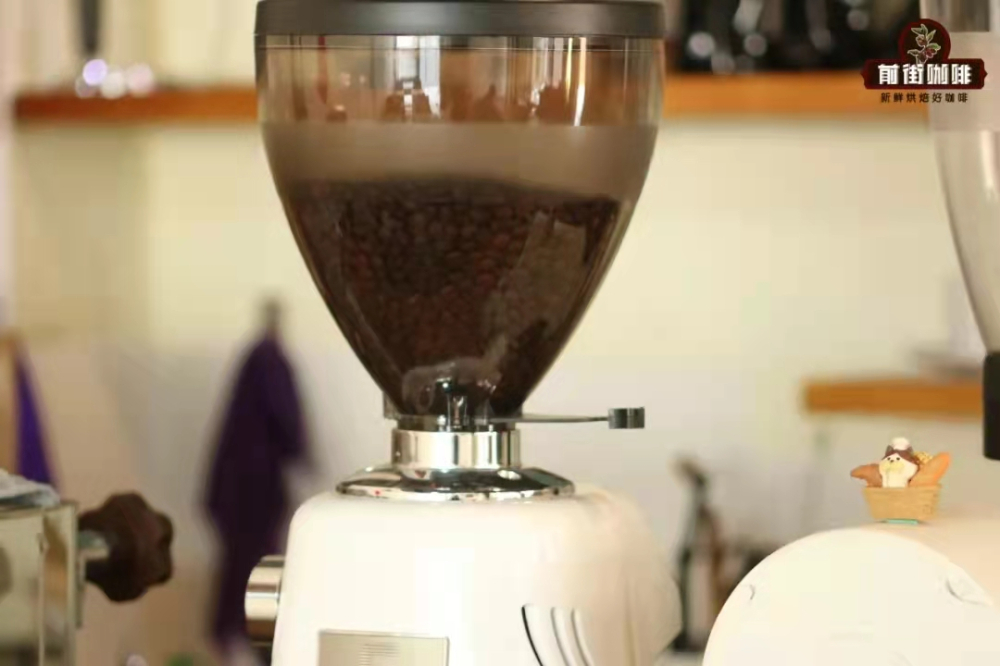
Espresso requires an extremely fine grind, but “extremely fine” isn’t a one-size-fits-all standard. It needs to be fine-tuned based on grinder model, coffee bean roast level, and freshness. For example, using the same grinder, as beans age or environmental humidity changes, grind consistency may be affected. Therefore, it’s recommended to recalibrate your grind setting at the start of each day or when switching coffee beans.
When adjusting the grind, it’s best to start fine and observe the extraction time and crema performance, then make incremental adjustments to reach the ideal state. Ideally, the extracted espresso should have a deep brown color, flow at an even rate, and feature a thick crema that adheres well to the liquid surface.
How to Evaluate the Quality of an Espresso?
The quality of an espresso can be assessed from three aspects: visual, olfactory, and taste.
Visual: Observe the Color and Texture of the Crema
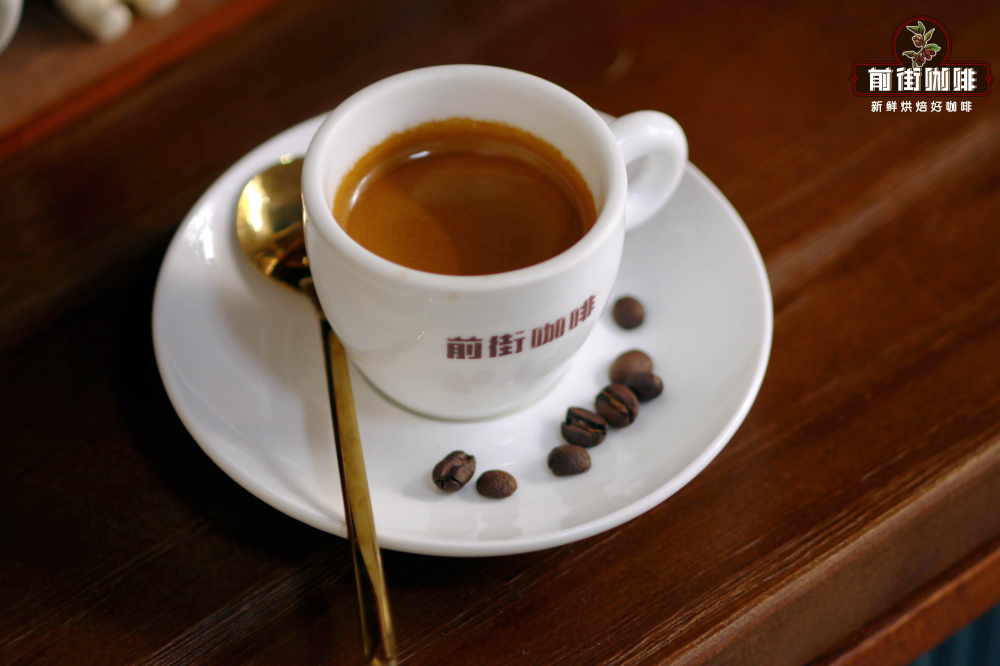
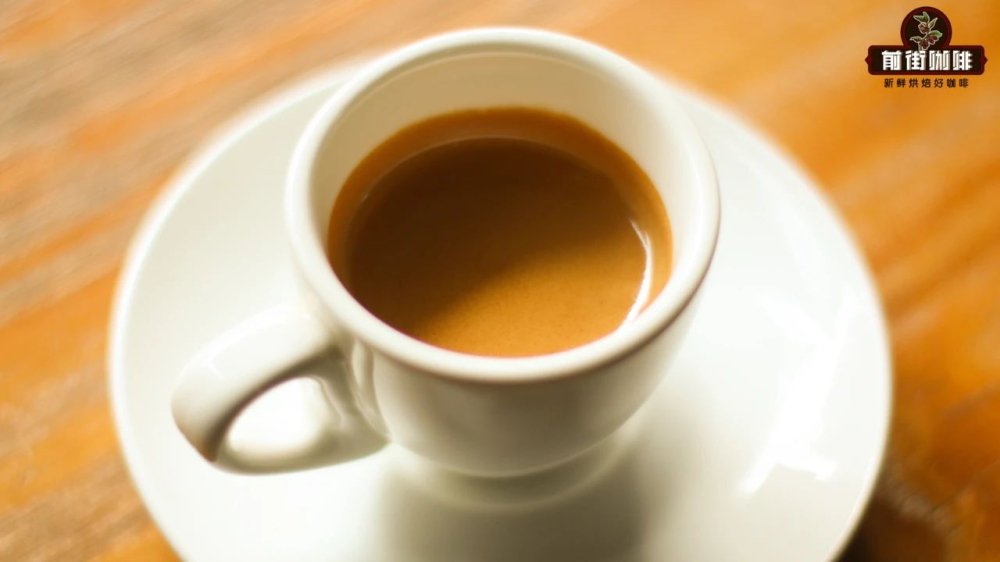
Crema is the layer of oils and foam on top of the espresso. Ideal crema should be dark brown to reddish-brown, fine-textured, persistent, and display tiny tiger-striping (formed by coffee particles), indicating uniform extraction and stable pressure. Clear tiger stripes usually suggest good extraction, aiding in flavor release and aroma retention.
Olfactory: Smell to Identify Flavors
Gently stir the crema to release the aromas hidden beneath the foam. A quality espresso should exhibit rich notes of caramel, toasted bread, nuts, or chocolate, occasionally accompanied by subtle fruit or floral notes. If you detect rancidity, mold, woody, or plastic-like scents, it may indicate expired beans, improper roasting, or extraction issues.
Taste: Balance of Acidity, Sweetness, and Bitterness
An ideal espresso should offer balanced acidity, noticeable sweetness, and moderate bitterness, achieving harmony in a rich, smooth mouthfeel with a sweet aftertaste. Upon tasting, it should present a distinct body and layered complexity, with a clean and lingering finish that’s not astringent.
Recommended Coffee Beans for Espresso
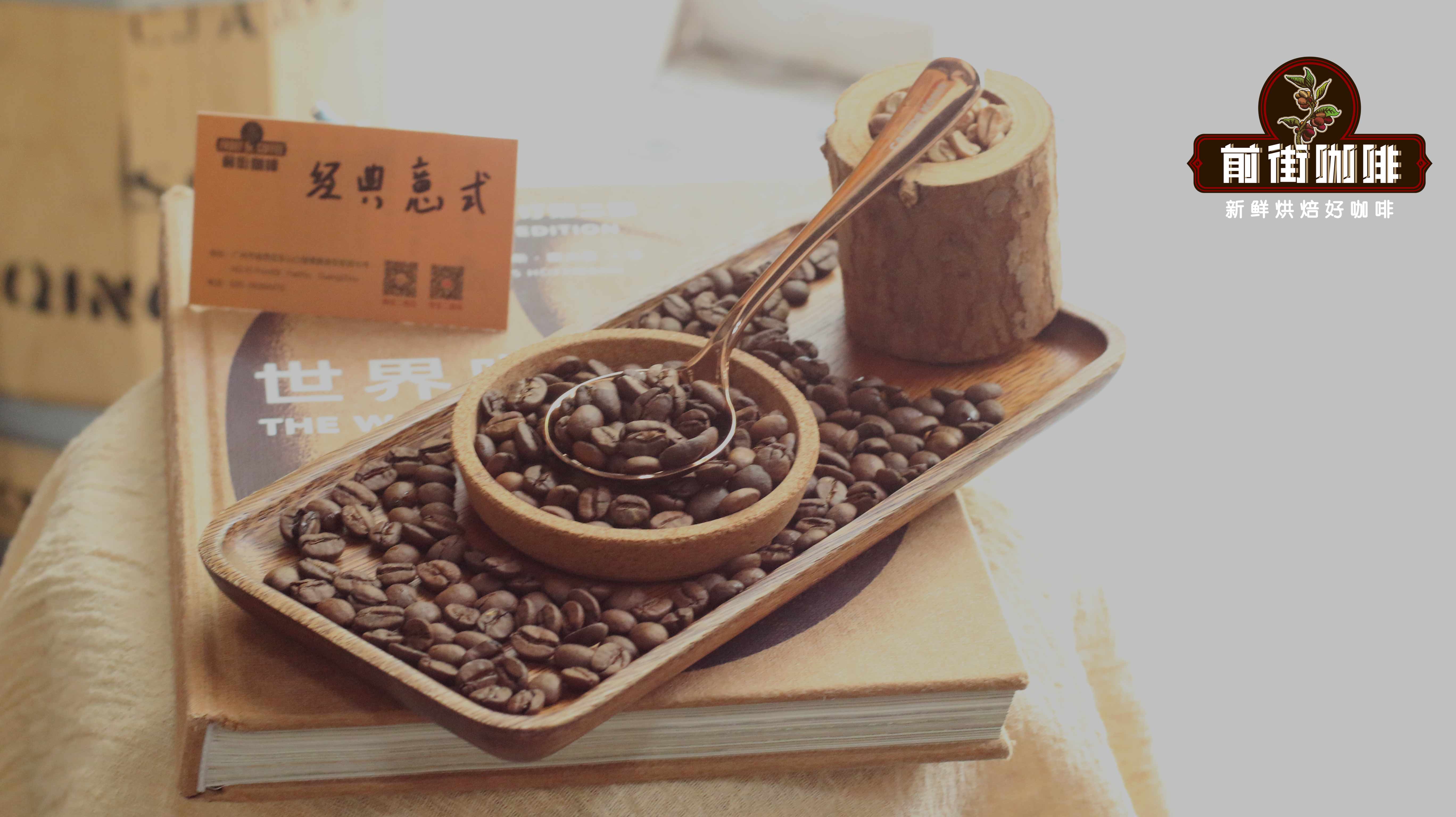
Due to the high pressure and temperature of espresso machines, which amplify the intrinsic characteristics of coffee beans, most cafés opt for blends — combining beans from different regions and flavor profiles in specific proportions to ensure stable output. However, if you wish to try single-origin beans for espresso (known as SOE, Single Origin Espresso), adjustments to grind size and extraction parameters will be necessary. While more complex, this approach can also highlight unique characteristics.
The advantage of blends lies in their ability to balance the strengths of different beans — such as harmonizing acidity and sweetness, increasing crema, or enhancing body. Roast level also greatly impacts the final extraction, and generally, medium-dark roasts are better suited for espresso, bringing out rich caramel and nutty tones.
Are Espresso Blends Suitable for Pour Over?
While it’s commonly believed that espresso blends are only for espresso machines, they can actually be used for pour over — though grind size and brewing parameters need to be adjusted. It’s generally advised to grind slightly coarser, to a medium-fine level (e.g., similar to 80% extraction on a V60 using a #20 filter), and use a slightly lower water temperature (around 90°C) to avoid over-extraction.
Suggested pour over parameters are as follows: Use a V60 dripper, 15 grams of coffee, 90°C water, 1:15 coffee-to-water ratio, total brew time around 2 minutes, employing a pulse pouring technique — begin with a 30-second bloom, then pour in stages until reaching 225 grams total.
The above content is compiled by CoffeeHunters, a coffee news website.


