







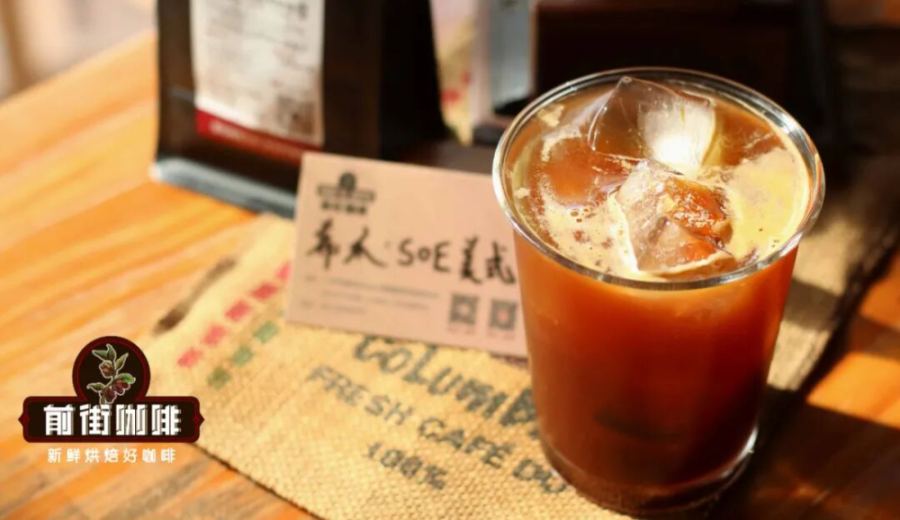
Introduction:When ordering coffee, you may often notice that 'SOE single-origin espresso' is more expensive than blended beans—what’s the difference? This article starts with the definition and historical background of SOE, analyzes the reasons behind its pricing, and provides practical extraction parameter adjustments for single-origin beans roasted at different levels (light to medium, medium to dark), including dose, grind size, brew time, and milk ratio, helping you master the key brewing elements and craft a cup of SOE Americano or milk coffee with distinct flavors.
When ordering at a café, have you ever faced two choices: the default espresso blend, or an additional-cost SOE single-origin espresso? Many customers wonder why choosing SOE means paying more. What does this price difference represent?
SOE (Single Origin Espresso) refers to espresso made from a single-origin coffee bean, in contrast to 'blended beans' which combine beans from multiple regions. From the rise of specialty coffee in the 1980s to James Hoffmann winning the World Barista Championship in 2007 with a single-origin bean, SOE has gradually moved beyond niche appeal and become sought-after by many coffee enthusiasts.
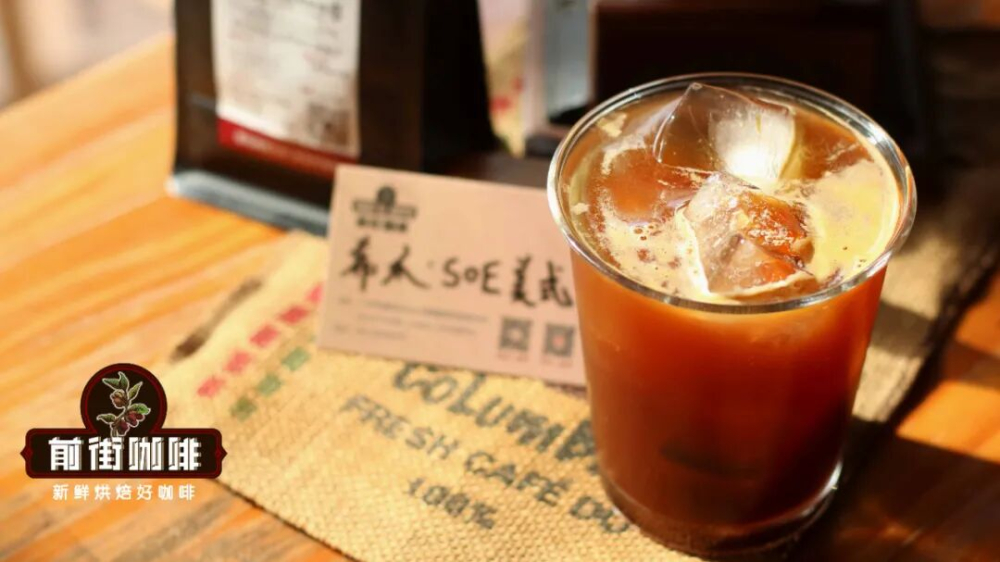
In the past, most cafés used espresso blends sourced from various regions without specifically labeling the origin or blend ratios. To cater to general taste preferences, these beans were typically roasted darker, ensuring a stable extraction of rich body and thick crema, resulting in a smooth and mellow coffee flavor—for example, the common classic espresso blends.
However, as the concept of specialty coffee became more widespread, consumers began to value the origin and unique flavor profiles of coffee, leading to a growing preference for single-origin beans. Initially, single-origin coffee was mostly brewed using methods such as pour over, French press, or siphon, until the 2007 World Barista Championship, when a competitor used single-origin beans to make espresso and won—an event that officially brought SOE into the mainstream market.
Nowadays, more and more cafés list SOE on their menus, and online shopping platforms often feature coffee beans labeled 'SOE.' These products usually come with detailed origin information and are marketed for their delicate flavors such as floral, fruity, tea-like, or fermented wine notes, appealing greatly to consumers who pursue layered flavor experiences.
Why does SOE come with an additional cost? What’s its value?
The 'E' in SOE stands for Espresso, but the definition of 'Single Origin' actually allows some flexibility. In theory, any coffee beans from the same country, region, cooperative, farm, or even a single batch can be called single-origin. Many cafés display blackboards listing dozens of single-origin beans from different origins, all of which can serve as the base for SOE.
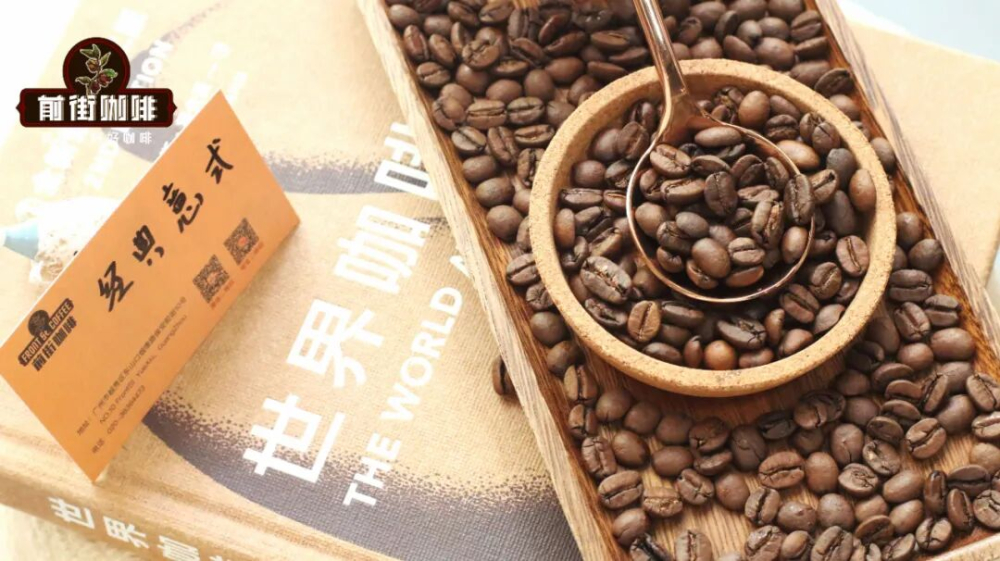
However, to highlight the distinctive flavor profile of SOE, shops usually select single-origin beans from renowned regions with unique flavor characteristics—especially those roasted to a light-to-medium degree—to showcase subtle acidity, fruity and floral notes, or sweetness through espresso. Examples include the citrus notes of Ethiopian beans, the berry acidity of Kenyan beans, or the honey-like sweetness of Central American beans.
Precisely because of these highly recognizable flavors, combined with the fact that sourcing and roasting single-origin beans typically cost more than standard blends, SOE is often slightly more expensive—but it also offers consumers a more nuanced coffee experience.
How to brew a great-tasting SOE espresso?
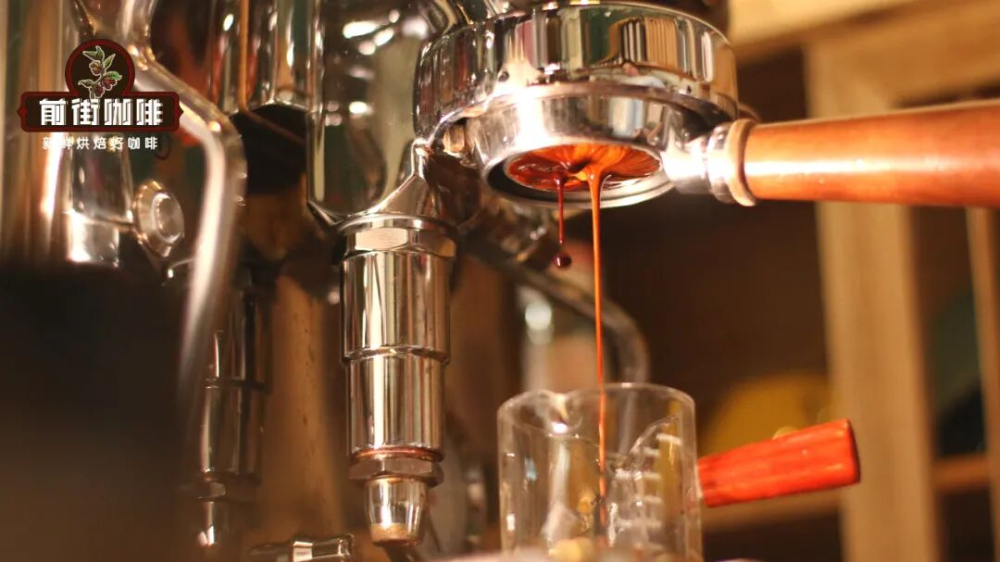
Brewing a delicious SOE is actually quite similar to adjusting a regular espresso. It’s recommended to start with a '1:2 coffee-to-water ratio' as the base, keeping the extraction time between 25–35 seconds, and adjust the grind size based on flow rate to ensure stable extraction.
For example, if using 20 grams of SOE coffee grounds, aim to extract 40 grams of coffee liquid. If the extraction time is too short (below 25 seconds), it may indicate the grind is too coarse and should be adjusted finer. If the extraction completes around 30 seconds, it means the grind size is within the optimal range.
Since SOE is commonly used to make Americanos, lattes, flat whites, and other milk coffees, in addition to the basic extraction parameters, the recipe may also need fine-tuning based on the flavor profile of the beans.
For light-to-medium roasted Ethiopian single-origin beans—such as those with bright acidity and floral notes—the espresso often results in less crema. In this case, increasing the dose by 0.3–0.5 grams (e.g., adjusting from 20 grams to 20.5 grams) can help enhance aroma expression. As a result, the resulting Americano will present a crisper balance of acidity and sweetness, while the latte will highlight the integrated aroma of the espresso and milk.
If using a single-origin bean with pronounced fruitiness and fermentation characteristics, where the espresso itself is intense in flavor, it’s advisable to increase the extraction yield by 3–5 grams to make the sweetness more prominent and the aftertaste longer-lasting. For use in a latte, you might consider reducing the milk proportion slightly—for example, lowering 200 grams of fresh milk to 160–180 grams—to allow the aroma of the single-origin coffee to stand out more.
Conversely, if you’re using a medium-to-dark roasted single-origin bean and the espresso shows tire-like, charred, or smoky notes, it often indicates over-extraction. In this case, reducing the extraction yield by 3–5 grams can help eliminate undesirable aftertastes. If the coffee aroma is weak, the acidity is pronounced, and the aftertaste is short, it may signal under-extraction. In such instances, try adjusting the grind finer and extending the extraction time by 2–3 seconds to achieve an ideal concentration and balanced flavor.
The above content is compiled by CoffeeHunters, a coffee news website.


