







Introduction:The flavor of coffee beans is largely determined during the processing stage, when the fruit transforms into green beans. This article delves into the steps and characteristics of common processing methods such as natural, washed, honey, wet-hulled, and anaerobic fermentation. By exploring the flavor profiles of actual coffee lots, we take a professional look at how different processing methods influence acidity, sweetness, and regional characteristics—helping you choose coffee that better suits your palate.
Turning coffee cherries into green beans, the “processing” step is the most crucial. By employing different methods to remove the skin, pulp, mucilage, and parchment, the final flavor of the coffee can vary greatly. This article will comprehensively analyze the workflows and flavor characteristics of common processing methods such as natural, washed, semi-washed (commonly known as honey process), wet-hulled, and anaerobic fermentation. Combined with specific coffee lots, it explains how each method shapes acidity, sweetness, and regional flavors—helping coffee enthusiasts gain a deeper understanding of the craftsmanship behind each cup.
Coffee beans are essentially the seeds of coffee cherries. To obtain them, it’s necessary to sequentially remove the skin, pulp, mucilage layer, and parchment. These steps are collectively referred to as “processing,” and the method used directly impacts the final flavor direction of the coffee. Common processing methods on the market can be broadly divided into traditional and innovative types. Traditional types include natural, washed, and semi-washed (honey process), while innovative types encompass anaerobic fermentation, wine barrel fermentation, and enzyme treatment. Countless methods exist, all aimed at highlighting richer layers and unique characteristics.
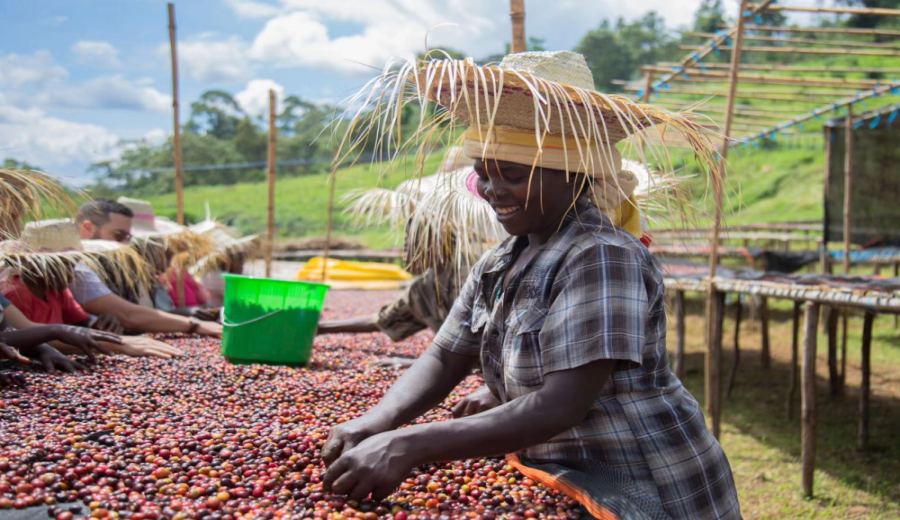
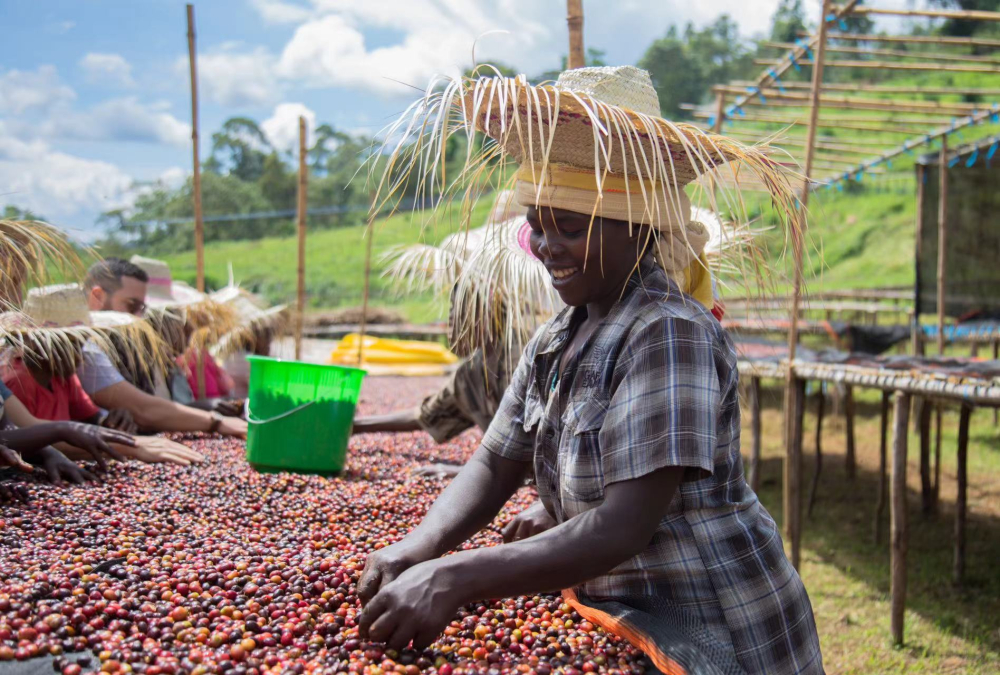
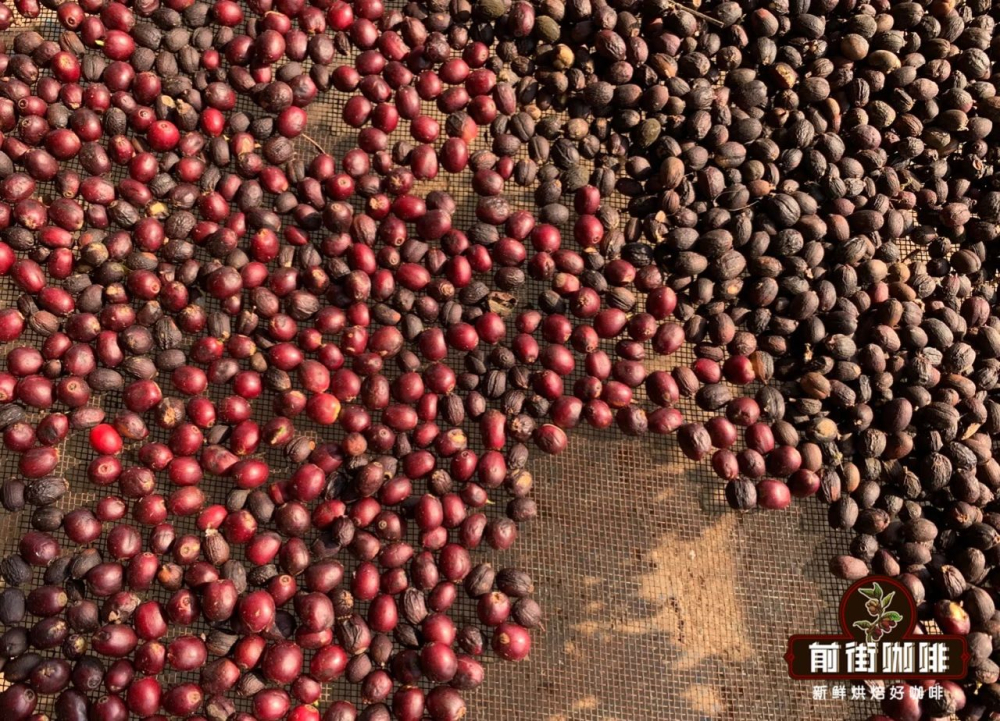
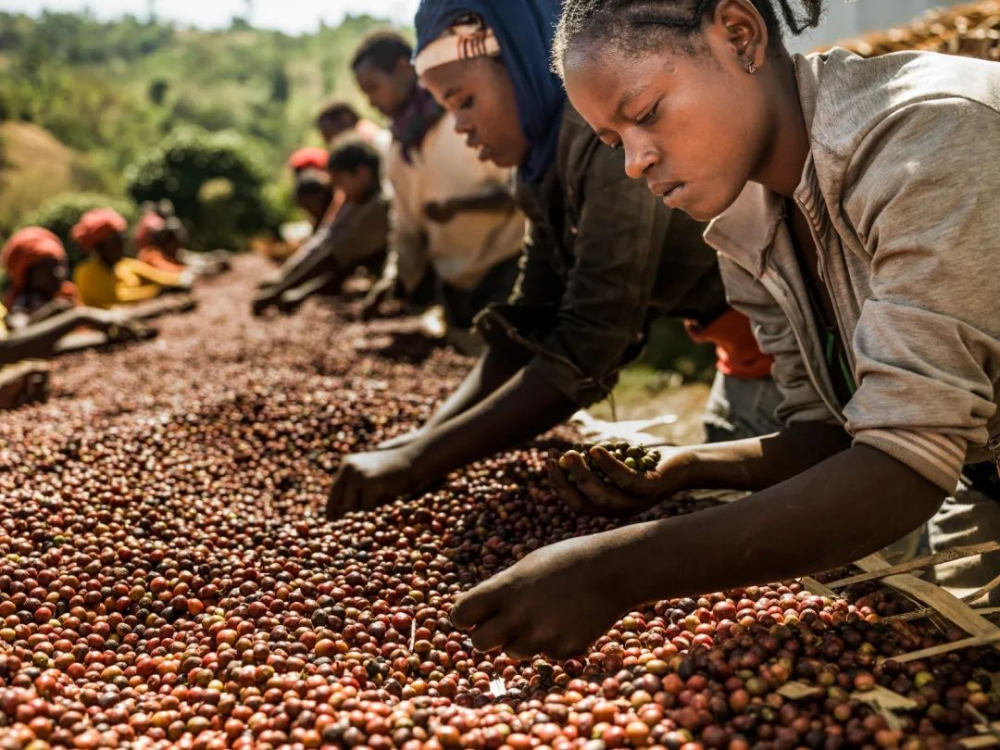
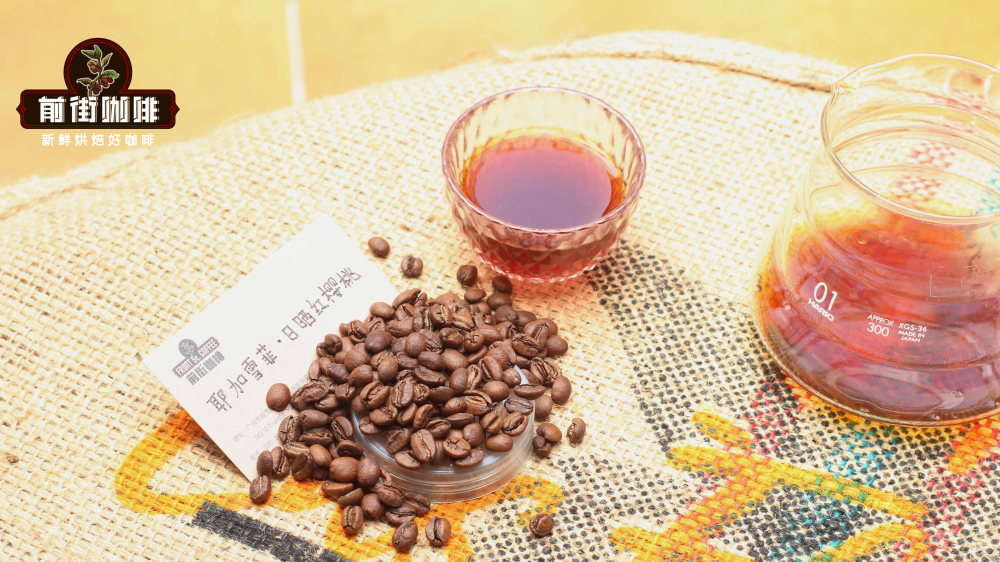
As the name suggests, the natural processing method involves placing red coffee cherries directly under the sun to dry, typically for about a week, with adjustments made according to weather conditions. Once the skin and pulp have dried to a dark, shriveled state, they are removed using a hulling machine, and any defective beans are sorted out to complete the process. The biggest advantage of this method is its low cost and lack of need for additional equipment, making it a very old and traditional approach. However, it requires a large drying area, making it difficult to implement in rainy regions, and improper drying control can easily lead to high defect rates. In terms of flavor, since the pulp naturally ferments during sun-drying, natural-processed coffees often exhibit pronounced fruity and wine-like aromas, relatively mild acidity, and more prominent sweetness. For example, our Red Cherry coffee beans are refined using a sophisticated natural process. Premium Yirgacheffe red fruits are hand-selected and dried on African raised beds for 27 to 30 days until the moisture content drops to 11%. The result is intense wine notes, rich layers, and high sweetness.
It is often said that washed coffee has brighter acidity and a cleaner mouthfeel, which is closely related to its processing logic. The washed method was originally developed to overcome the limitations of natural processing in regions with insufficient sunlight. Its steps include placing coffee cherries into a water tank to remove impurities, then using a pulper to strip away the skin and pulp but retain the mucilage layer and parchment. The beans are then transferred to a fermentation tank where microbes break down the mucilage. After fermentation, the beans are washed again, followed by drying, and finally the parchment is removed with a hulling machine and defective beans are sorted out. This method involves multiple washing and fermentation steps, requiring substantial water usage—hence the name “washed.” Its advantages lie in a high degree of industrialization, precise control, stable quality, and clear, distinct acidity—particularly bright notes of malic and citric acids—as well as often more pronounced floral characteristics. Additionally, the washed method effectively removes defective beans, resulting in low defect rates and highlighting the terroir of single origins. For those wanting to experience a region’s “terroir flavors,” washed beans are the ideal entry point. The recommended Yirgacheffe Guddina coffee beans, processed via the washed method, display a fresh citrus tone and elegant white floral notes with medium-light roasting, offering a bright and delicate flavor.
So, what happens if you combine natural and washed processing? That’s what’s called semi-washed—or honey processing. The semi-washed process involves first removing impurities, skin, and pulp using the washed method, but instead of soaking to remove the mucilage, a mucilage remover is used. Then the beans are sun-dried, and finally the parchment and residues are removed. If the mucilage remover is skipped and the mucilage is left on for direct sun-drying, you get the honey process. This sticky, honey-like mucilage is the origin of the honey process name—not because actual honey is added. Depending on how much mucilage is retained, honey processing can be further divided into white honey (about 10% retention, clean flavor, close to washed), yellow honey (around 25%, beans tend to be yellowish), red honey (about 50%), and black honey (100% mucilage retained). The more mucilage retained, the higher the processing difficulty, longer drying time required, and the more complex and intense the resulting flavors. Honey-processed coffees generally offer a richer and more varied flavor profile than washed, making them an excellent choice for coffee lovers looking to explore layers of taste.
Does semi-washed equate to the wet-hulled process? The answer is no. Wet-hulling is a unique processing method from Indonesia’s Sumatra region, mainly developed to suit the area’s long rainy seasons and humid climate. The process involves first removing the pulp, fermenting in water for about three hours, washing off the mucilage, and then partially drying the parchment-covered green beans for two to three days until the moisture content drops to 20–24%. At this semi-soft, semi-hard stage, the parchment is removed using a hulling machine, and drying continues until the moisture content reaches 13%. During this process, the friction from the hulling machine can damage the beans, leading to what are known as “elephant ear beans,” and the early removal of the parchment makes the beans more susceptible to moisture and microbial growth—imparting Indonesian coffee with its distinctive woody, spicy, and herbal notes. This is what we often refer to as “terroir flavor.” For coffee lovers wanting to experience Southeast Asian flavors, we recommend starting with a everyday drinker like Lintong Mandheling, which is wet-hulled processed and fully showcases the classic Mandheling characteristics.
Finally, let’s discuss the much-talked-about anaerobic processing and wine barrel fermentation methods of recent years. These innovative approaches primarily shape unique flavors by controlling the fermentation environment of the pulp—especially the mucilage layer. The anaerobic process involves removing the skin and pulp, then placing the beans, still covered with mucilage, into stainless steel tanks. Oxygen is extracted and replaced with carbon dioxide, allowing anaerobic bacteria to ferment under specific conditions for about 18 to 24 hours. This process requires strict monitoring of mucilage content, temperature, pressure, pH, and fermentation duration; slight errors can affect the flavor. Anaerobic processing can bring out extremely complex and diverse flavors. For instance, anaerobic natural processing builds upon the traditional natural method by layering fermentation-driven aromas. Our Geisha and Dabuli coffee beans are processed using anaerobic natural methods, showcasing mature fruity acidity and sweet sensations along with rich fermentation aromas through controlled-temperature prolonged fermentation. The Geisha offers high sweetness with notes of grape, passionfruit, and preserved fruits, while the Dabuli presents a unique blend of blackcurrant juice and spice.
The above content is compiled by CoffeeHunters, a coffee news website.


