







Introduction:Understanding coffee processing methods is a key step in deeply appreciating coffee. From traditional sun-drying and washed processes to innovative anaerobic fermentation, each method imparts unique aromas, acidity, sweetness, and body. This article delves into five mainstream processing methods, explaining their procedural differences, flavor characteristics, and potential impacts on extraction parameters—helping you predict cup performance based on green bean processing choices.
The journey from coffee cherry to the familiar green bean involves a series of precise steps to remove the fruit’s skin, pulp, mucilage, and parchment. This process, known as "processing," is a crucial factor in determining the flavor direction during brewing. Different methods, varying in fermentation levels, drying techniques, and duration, yield distinctly different aroma profiles and taste layers. This article will comprehensively break down five common processing techniques—natural (sun-dried), washed, honey (also called semi-washed), wet-hulled, and anaerobic fermentation—explaining their steps, pros and cons, and flavor traits to help you better understand the origins of your cup.
At its core, a coffee bean is simply the seed of a coffee cherry. After harvesting, it must undergo a series of processing steps to remove the outer skin, pulp, sticky mucilage layer, and hard parchment before we arrive at the familiar green bean. These beans are typically white, light green, or yellow, only turning the deep brown or black we know after roasting. The above processing steps are the foremost factors influencing the final coffee flavor.
What are the common coffee bean processing methods?
Generally, the more commonly seen processing methods on the market can be divided into natural (sun-dried), washed, semi-washed (honey), and the traditional wet-hulled method. In recent years, more innovative techniques have emerged, such as anaerobic fermentation, barrel fermentation, and enzyme intervention—methods that expand coffee’s flavor possibilities by controlling the fermentation environment, offering coffee enthusiasts more diverse choices.
Natural (Sun-Dried) Process: Intense Fruit Aromas Under the Sun
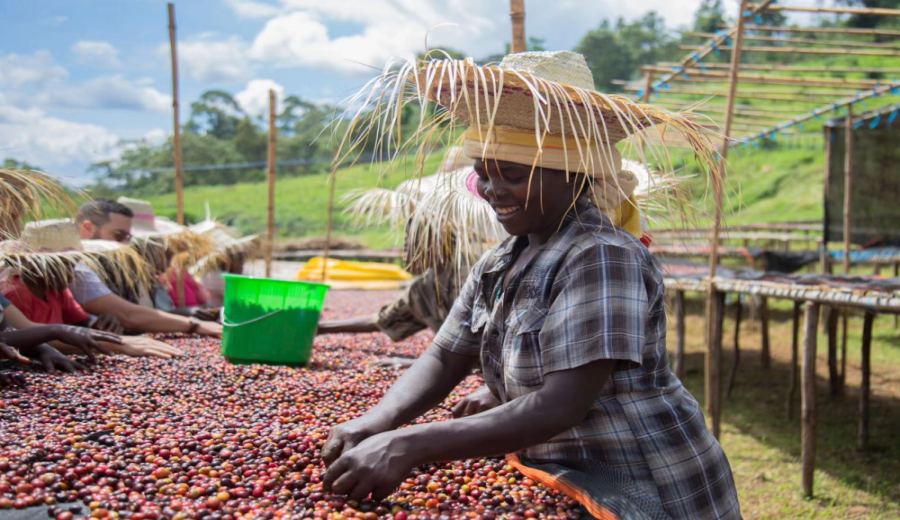
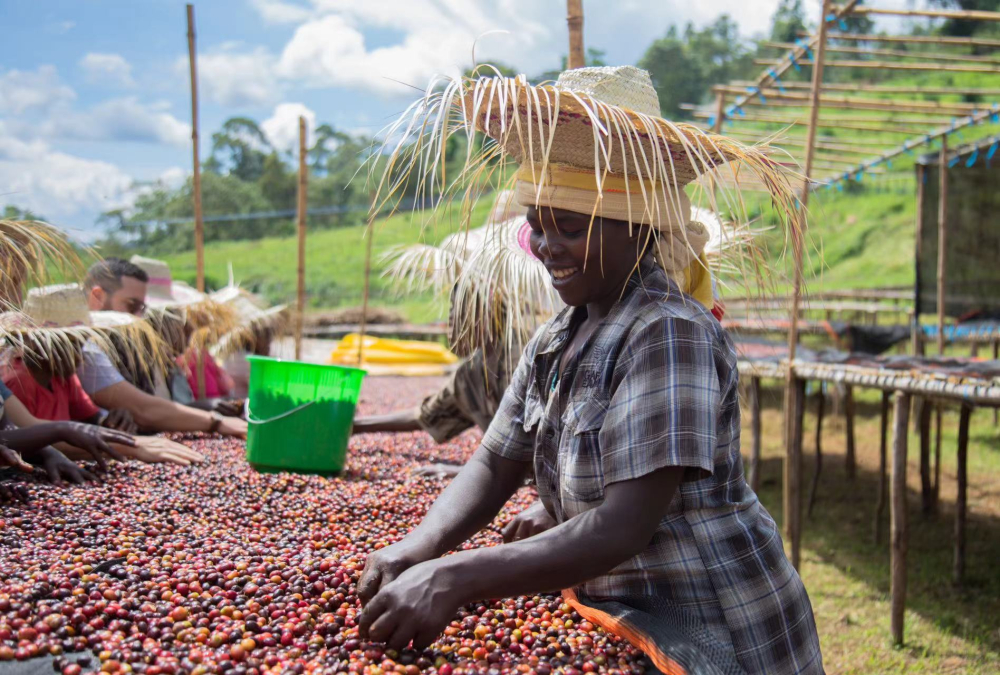
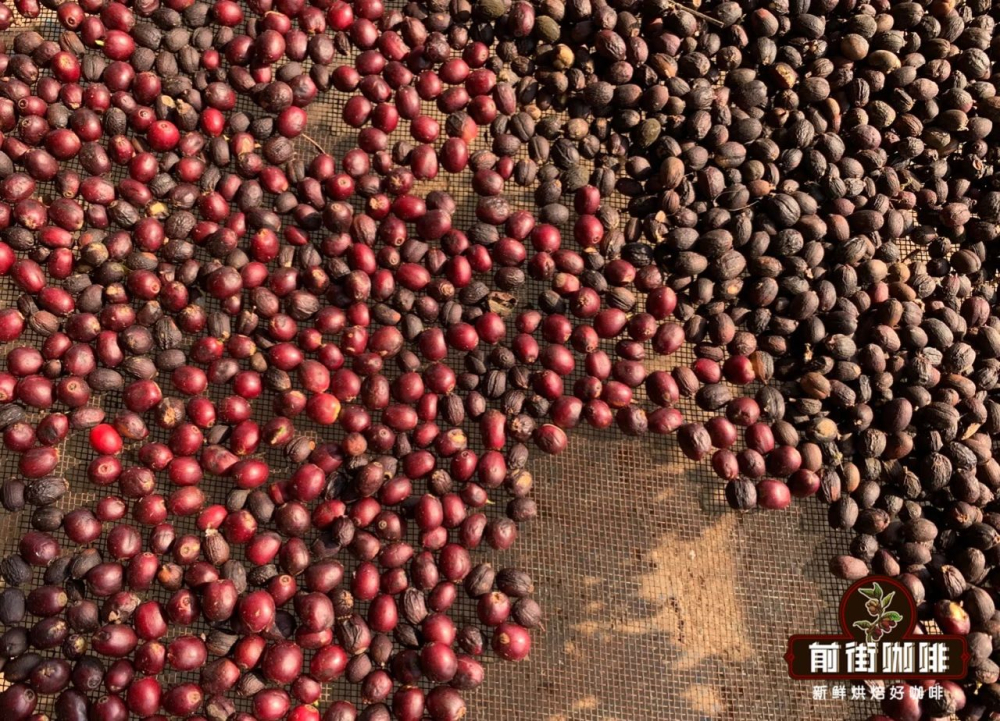
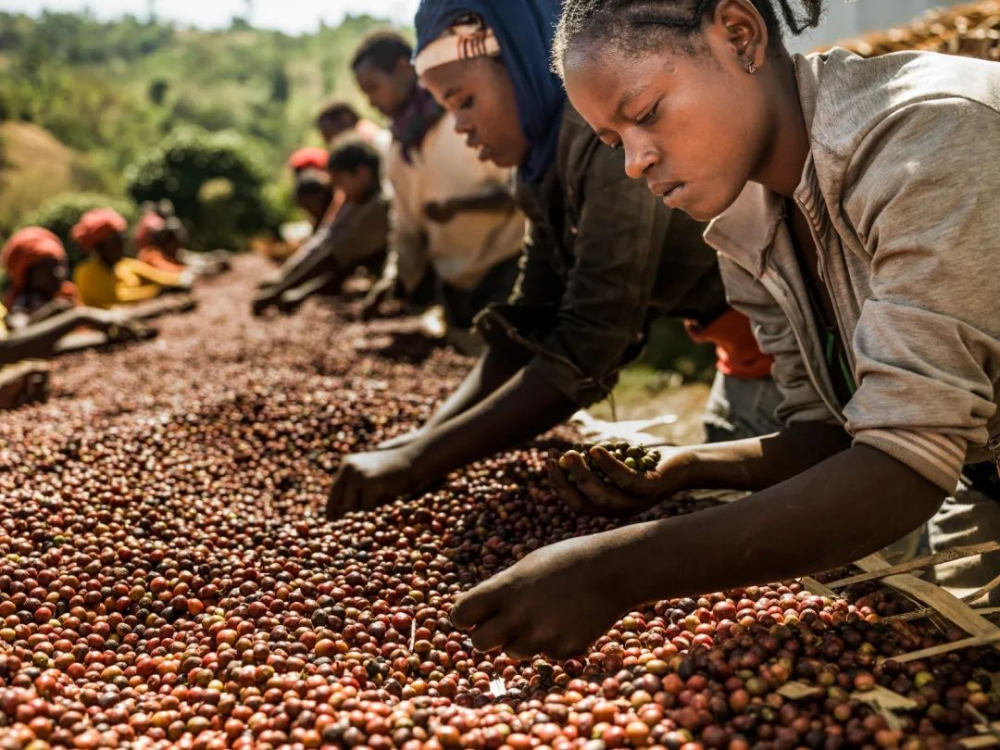
The natural process is the most traditional and lowest-cost method. Its principle is to simply spread harvested ripe red cherries out in the sun to dry naturally, typically for about a week, though actual drying days vary with local weather and humidity. During drying, the skin, pulp, and mucilage gradually dry and harden, after which a hulling machine removes these outer layers, followed by sorting out defective beans to complete the process. The biggest advantage of this method is its simple equipment and minimal water usage, but it requires large, dry spaces, and poor control during drying can lead to uneven fermentation or mold, resulting in a higher proportion of defective beans. However, precisely because the pulp and mucilage ferment in the sun for an extended period, natural beans often exhibit intense tropical fruit and berry aromas, pronounced sweetness, and relatively soft acidity.
Washed Process: The Benchmark for Clean Acidity
The washed method originated in regions with insufficient sunlight, aiming to stabilize coffee processing without relying on the sun. The process begins by placing coffee cherries in water tanks to remove floaters and impurities, then using a depulper to remove the outer skin and pulp, while the mucilage layer remains attached to the seed. The mucilage-covered beans are then placed in fermentation tanks, where natural microbes break down this sticky substance, followed by thorough rinsing, drying, and finally removal of the parchment. This method consumes a lot of water but results in extremely high cleanliness and stable acidity. Washed beans typically feature bright lemon and apple-like acidity, clear floral notes, and an overall clean, refreshing profile, making it a preferred processing method for many single-origin specialty beans.
Honey (Semi-Washed) Process: The Key to Mucilage Retention
Honey processing, or semi-washed, is actually a method that lies between natural and washed. Its first step is the same as washed—removing the skin and pulp—but instead of washing away the mucilage, some or all of it is retained and removed mechanically, after which the beans (with varying degrees of mucilage left) are sun-dried. The amount of mucilage retained determines the type of honey process: for example, retaining only 10% mucilage is called white honey, yielding a lighter appearance and flavors closer to washed; 25% is yellow honey, appearing pale yellow; 50% is red honey; and 100% mucilage retention is black honey, delivering the most intense flavors and darkest color. The essence of honey processing lies in the fermentation effect of the mucilage, which imparts richer caramel, honey, and tropical fruit notes to the coffee, but also demands stricter drying conditions and techniques.
Wet-Hulled Process: Sumatra’s Unique Terroir
The wet-hulled process is a traditional method commonly used in Indonesia, especially in Sumatra, developed primarily to adapt to the region’s persistently rainy climate. Its process is similar to the early stages of the washed method, but the key difference is that after fermentation and mucilage removal, the beans undergo only brief initial drying, maintaining a moisture content of around 20%–24% in a semi-dry state. At this point, the outer parchment still covers the green bean, but has become more brittle. A specialized machine is then used to remove this parchment layer, followed by completing the remaining drying process. Because the parchment is removed before it is fully dry, the green beans are more prone to moisture absorption or damage, leading to unique "elephant foot" defects. However, this also gives the coffee rich herbal, woody, and spicy notes, which are key to what distinguishes Sumatra Mandheling from other origins.
Anaerobic Fermentation: The Fusion of Technology and Flavor
Anaerobic processing is an innovative technique that has gained popularity in recent years, with its core focus being control over oxygen levels in the fermentation environment. In this method, coffee beans—deprived of their skin and pulp but still retaining the mucilage layer—are placed in sealed stainless steel fermentation tanks, where oxygen is extracted and high concentrations of carbon dioxide are retained, allowing anaerobic microbes to ferment under specific temperatures and pressures. Fermentation times typically range from 18 to 24 hours, though this varies depending on the estate or processing facility’s formula. This approach enhances the coffee’s sweetness and fermented aromas, producing complex layers reminiscent of berries, wine, and even cream. Anaerobic natural processing takes this further by combining it with sun-drying, adding even more dimension to the flavors. Coffees processed this way often exhibit intense aromas of ripe fruit, grapes, passionfruit, and even blackcurrant. They are also relatively sensitive to grind size and water temperature during brewing, so a medium-fine grind and slightly lower water temperature are recommended to stabilize extraction.

The above content is compiled by CoffeeHunters, a coffee news website.


