







Category: Coffee Knowledge

In-depth Analysis of Ethiopia's Four Major Coffee Regions: How to Choose Between Natural and Washed? Pour Over Parameters at a Glance
As the birthplace of coffee, Ethiopia is home to renowned regions such as Yirgacheffe and Sidamo, celebrated for their distinctive floral aromas and diverse processing methods. This article provides a detailed exploration of the terroir characteristics of four core regions, compares the flavor impacts of natural and washed processing, and offers practical pour over parameter recommendations to help coffee enthusiasts understand the differences in specialty coffee right from the source. [more…]
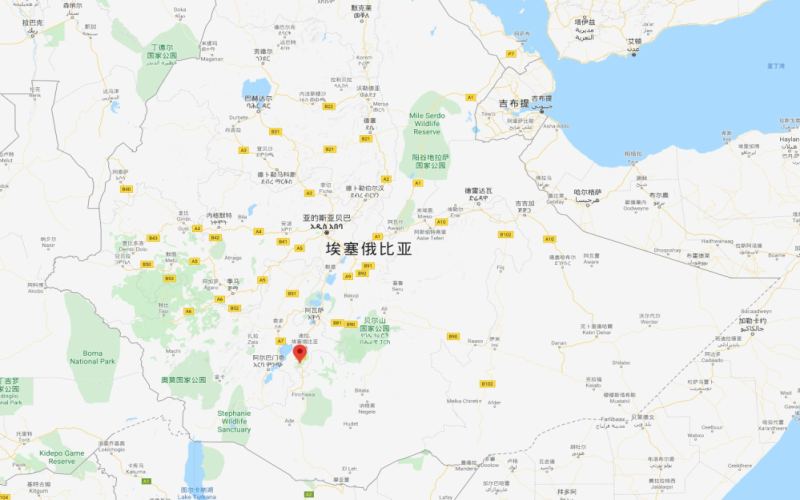
Yirgacheffe Flavor Characteristics and Brewing Tips: Suitable for Pour Over? Will Adding Milk Ruin the Flavor?
Yirgacheffe is a classic washed Ethiopian Arabica coffee, renowned for its bright acidity and floral notes, and is often the first specialty coffee many beginners encounter. This article delves into its regional characteristics, price range, flavor profile, and provides practical pour over parameters and techniques. It also explores whether it's suitable for milk addition, helping you better understand this highly representative African coffee. [more…]
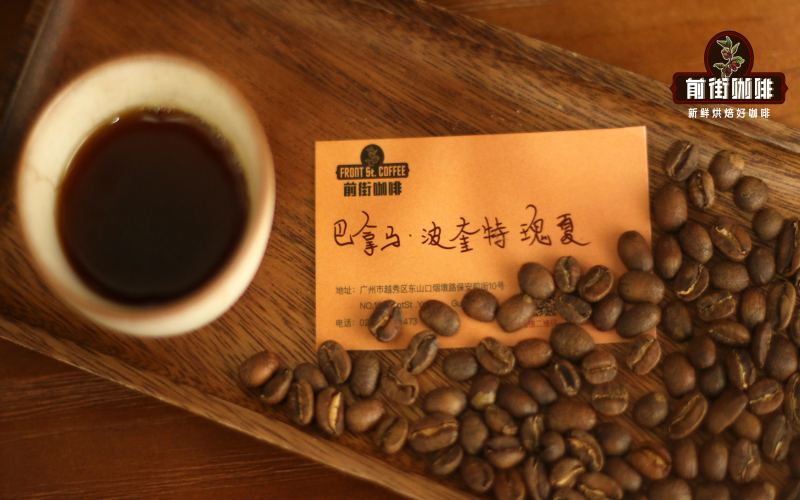
The Ultimate Guide to Panamanian Geisha Coffee: Flavor Characteristics of the Boquete Region and Home Pour Over Techniques
Panamanian Geisha coffee is renowned for its bright acidity and delicate floral notes, but how can you distinguish the differences in flavor profiles across various regions and processing methods? This article delves into how the unique microclimate of the Boquete region nurtures top-tier Geisha beans, and explains the selection criteria behind Emerald Estate’s Red Label and Green Label. It also provides expert-level pour over recommendations and specific parameters, helping you easily brew layered and nuanced Geisha coffee at home. [more…]

A Comprehensive Guide to Ethiopian Heirloom and Landrace Coffee Varieties: From Wild Types to Naming Evolution
Have you ever seen the variety name "Heirloom" on an Ethiopian coffee package and wondered what it actually means? This article provides an in-depth analysis of the differences between the commonly seen Heirloom and Landrace varieties in Ethiopian coffee, exploring their wild origins, classification logic, flavor characteristics, and trends in naming conventions. It also introduces the numbering system of JARC research varieties and explains why Ethiopian coffees can vary so much in flavor from year to year. [more…]
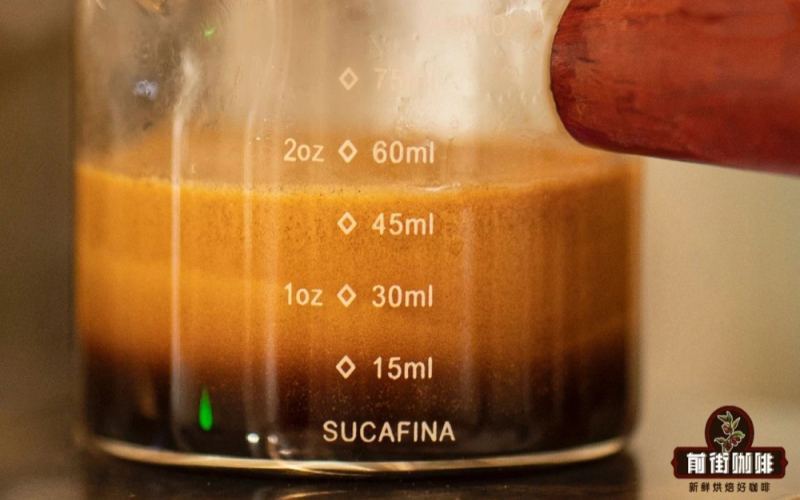
Can you continue extracting after an espresso shot is interrupted? Real-world test reveals the truth about flavor and flow rate in segmented extraction
When making espresso, if the extraction is accidentally interrupted prematurely, many wonder whether it’s possible to restart the extraction like in pour over. A lab conducted three comparative experiments on the Warm Sun blend: normal extraction, mid-shot interruption and continuation, and end-of-shot interruption and continuation, analyzing changes in flow rate and flavor performance at different stages. This article delves into the principles of pressurized extraction in espresso machines and offers practical advice to help you properly handle interrupted shots. [more…]
Flavor Profile and Pour Over Brewing Guide for Salvador Olive Tree Estate SL28 Washed Beans
These washed Kenya SL28 beans from Salvador Olive Tree Estate boast unique flavors nurtured by high-altitude volcanic soils, highlighted by citrus, berry, and dark plum notes. This article delves into the variety’s background, the estate environment, details of the washed processing method, and offers expert roasting profiles along with recommended pour over parameters to help you fully experience the layered complexity and clarity of this high-quality coffee. [more…]

What’s the difference between Flat White, Latte, and Dirty? A complete guide to ratios, extraction, and preparation
Flat White, Latte, and Dirty — common milk-based coffees in specialty cafes — all share espresso and milk as their base, yet subtle differences in details greatly affect overall flavor. From milk ratios and coffee concentration to foam thickness, these three classic milk coffees each have their unique charm. This article will delve into their definitional distinctions, rank their intensity from strong to mild, and walk you through key preparation steps — including espresso extraction parameters, milk steaming techniques, blending methods, as well as the layering trick for Dirty’s hot-and-cold contrast — to help you choose based on your taste [more…]
The Ultimate Guide to Brewing Jamaican Blue Mountain Coffee at Home: Water Temperature, Grind Size, and Coffee-to-Water Ratio
Renowned for its balanced and rich flavor with almost no noticeable bitterness, Jamaican Blue Mountain coffee is the dream bean for many coffee enthusiasts. This article delves into practical tips for brewing Blue Mountain coffee at home—from ideal water temperature, grind size, and coffee-to-water ratio, to key pointers for using different brewing devices—helping you extract the captivating flavors of Blue Mountain with just simple tools. It also explores whether to add milk or sugar, so you can find your optimal way to enjoy it based on personal taste. [more…]
A Complete Guide to Kenya Coffee’s Washed Process: How K72 and Double Fermentation Create Bright Acidity
Kenya coffee is renowned for its clean, bright acidity and complex fruitiness, which are inseparable from its unique double-washed and K72 washed processing methods. This article delves into the fermentation workflows and technical differences of these two methods, as well as how they shape the distinct flavor profiles of the coffee. It also explains how fermentation time, number of cycles, and washed steps influence the final cupping performance. [more…]

Why is Jamaican Blue Mountain coffee so expensive? An article analyzing the Blue Mountain No. 1 grade and flavor profile
Jamaican Blue Mountain coffee is renowned as one of the most famous single-origin coffees in the world. Its high price and limited supply make it highly sought after, with Blue Mountain No. 1 being the pinnacle among them. This article will delve into the terroir conditions, strict grading system, scarce production volume, as well as the unique flavor characteristics and brewing recommendations of Blue Mountain No. 1, helping readers identify truly high-quality Blue Mountain coffee and understand its status in the specialty coffee industry. [more…]
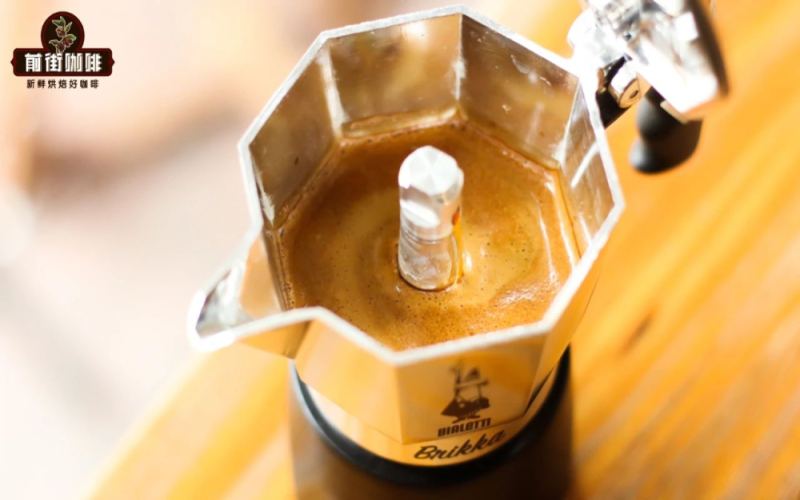
Moka Pot Beginners Must Read: A Complete Guide to Grind Size and Coffee Bean Selection
Want to brew rich, crema-covered coffee with a moka pot? The key lies in choosing the right coffee beans and grind size. This article dives deep into how medium-dark roasted beans can enhance crema performance, recommends practical bean options, explains in detail why freshness within 50 days matters, and clarifies the ideal grind size that sits between pour over and espresso—helping you quickly master the essentials of moka pot extraction. [more…]
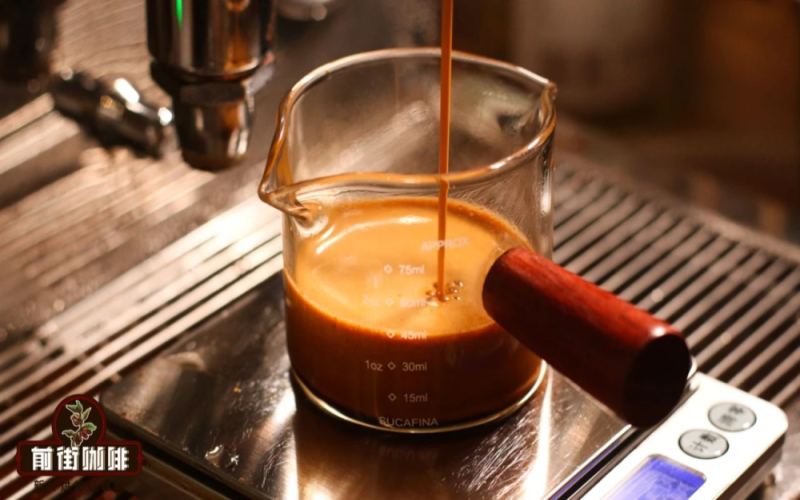
How to Grind Coffee Beans for Espresso? Find the Optimal Grind Size by Extraction Time and Flavor
Grind size is a key factor that influences the flavor and extraction efficiency of espresso. Since the grind of an espresso grinder is extremely fine and hard to discern with the naked eye, many beginners often struggle with adjustments. This article will teach you how to adjust to the appropriate grind coarseness by observing extraction time (20–30 seconds is the optimal range), coffee-to-water ratio, and flow rate. We’ll also provide real-life examples to illustrate how to adjust from an overly bitter extraction to a more balanced and aromatic one, while reminding you that the final judgment should still be based on [more…]

How to adjust espresso made with light roast beans? A complete guide to grind size, dose, extraction time, and milk-to-espresso ratio
Espresso is commonly made with medium-dark or dark roast beans, but if you want to try light roast beans with prominent fruity and floral notes—such as berries and cocoa flavors—you often encounter issues like overly sour or flat-tasting shots due to improper extraction. This article provides a detailed breakdown of the five key parameters that must be adjusted when switching from dark roast to light roast: grind size, dose, extraction time, coffee-to-water ratio, and milk proportion. It will help you master the right technique to extract a balanced and layered espresso shot. [more…]

The Ultimate Guide to Spanish Coffee Drinks: Brewing Secrets for 9 Classics & Sweetened Condensed Milk Coffee
Spanish coffee culture blends rich history with local flair, showcasing a unique drinking artistry from black coffee to creative pairings with sweetened condensed milk. This article delves into nine classic Spanish coffee drinks—including Café solo, Café con leche, and Café Bombón—and shares brewing details and practical tips for Spanish-style latte, guiding you through the coffee soul of the Iberian Peninsula. [more…]
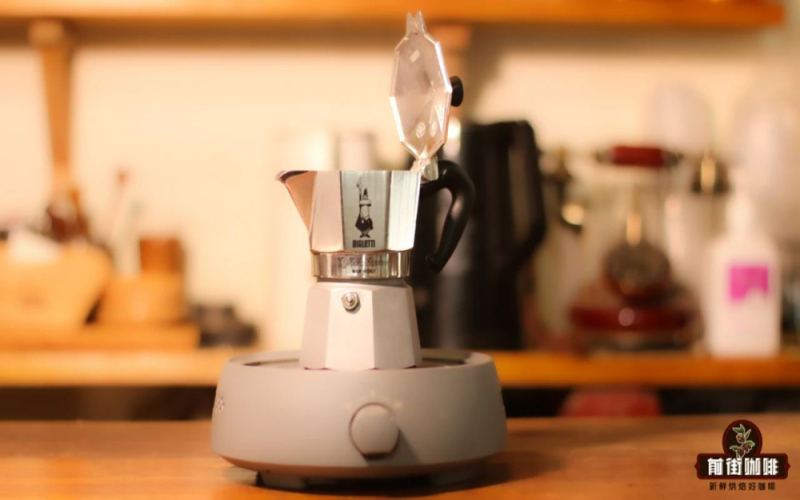
Moka Pot Beginner's Guide: Bean Selection Tips & Proper Usage to Brew Rich Espresso
The moka pot is a classic Italian coffee brewing device that uses steam pressure to extract coffee, allowing you to easily make rich, crema-covered espresso at home. This guide details the best bean types for the moka pot, step-by-step operation instructions, as well as common usage mistakes, teaching you how to achieve near-professional level espresso through proper grind size, water temperature, and heat control. [more…]
Complete Guide to Choosing Moka Pot Coffee Beans: Roast Level, Flavor, and Freshness Explained in One Go
Brewing rich coffee at home with a moka pot starts with choosing the right coffee beans. This article provides an in-depth analysis of how to select the most suitable coffee beans for a moka pot, covering roast levels, flavor profiles, and freshness assessment. It also recommends several practical bean options to help you achieve a fragrant and layered coffee experience. [more…]
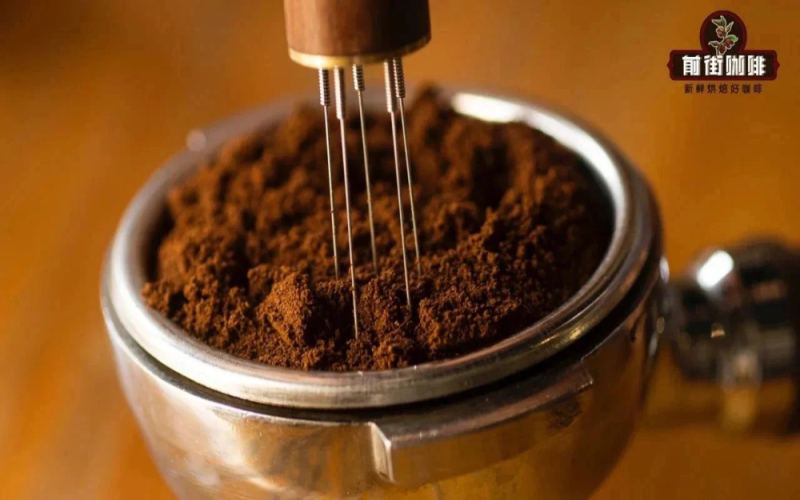
Baristas’ untold secrets to tamping espresso: cracking channeling and uneven extraction
Whether your espresso tastes balanced hinges on how evenly the coffee puck is distributed. This article dives deep into the principles and practical techniques of tamping, helping you master methods to avoid channeling, stabilize extraction time, and achieve consistent flavor — even beginners can quickly get the hang of it and brew better-tasting espresso. [more…]
A Complete Guide to Panama Deborah Gesha: Anaerobic Natural Processing & High-Altitude Flavor Secrets
Want to deeply understand the flavor charm and growing background of Panama Gesha coffee? This article will take you from the origin of the Gesha variety, analyze how high-altitude cultivation influences flavor, highlight the unique processing method of the Savitch Series Gesha from Deborah Estate, and compare it with the well-known Green Label Gesha. After reading this, you’ll better understand how to select and brew high-quality Gesha coffee. [more…]
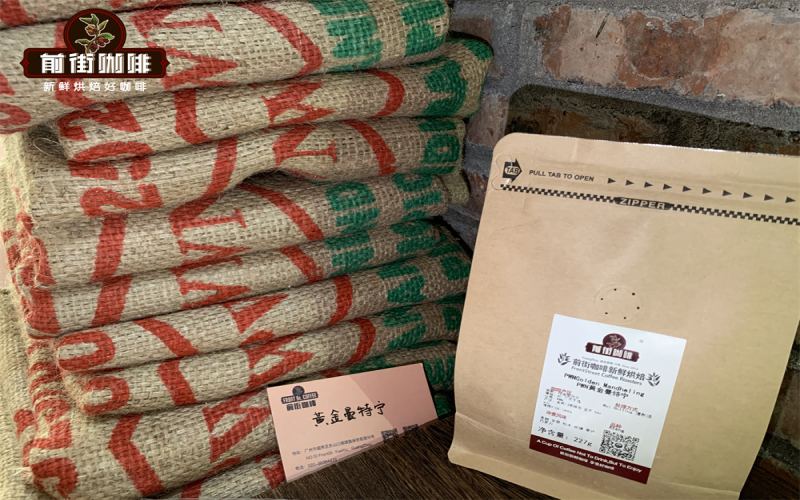
Complete Guide to Indonesian Mandheling: From Planting Terroir to Pour Over Parameters and Flavor Analysis
Want to understand the unique charm of Indonesian Mandheling coffee? This article delves into the terroir characteristics of Sumatra’s two major producing regions—Lake Toba and Lake Tawar—analyzes how Typica, Tim Tim, and Catimor varieties adapt locally, uncovers how the wet hulling process shapes its low-acid, full-bodied flavor profile, and provides practical pour over brewing tips to help you consistently produce layered Mandheling coffee. [more…]

How to Make Cold Drip Coffee? Rich, Non-Acidic Flavor Tuning & Complete Brewing Tutorial
Cold drip coffee is beloved by many coffee enthusiasts for its low acidity, rich body, and layered flavors. However, brewing a cup of truly impressive cold drip coffee depends on every detail—from equipment selection, grind size, drip rate, to coffee-to-water ratio. This article breaks down the key elements of cold drip brewing, sharing how to bring out the most captivating aroma and taste through proper parameters and cold fermentation. Whether you’re a beginner or an advanced brewer, you’ll find practical guidance here. [more…]