







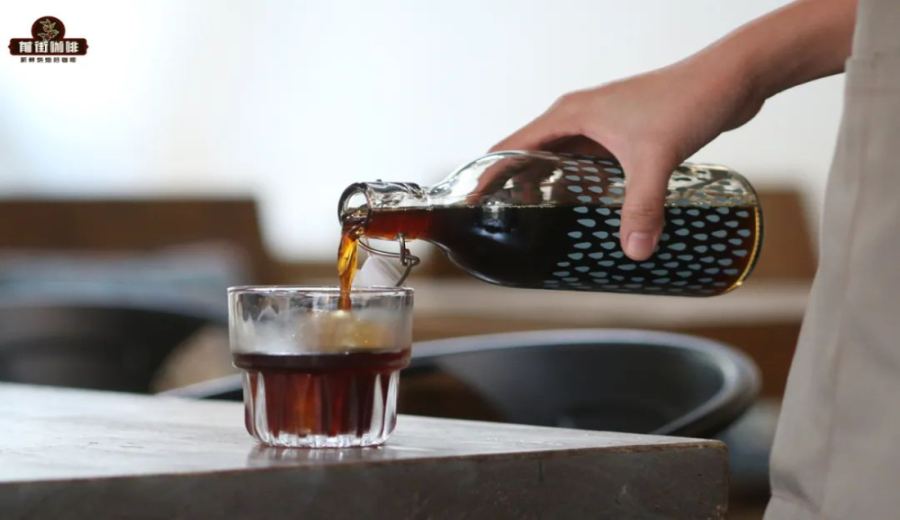
Introduction:Cold drip coffee is beloved by many coffee enthusiasts for its low acidity, rich body, and complex flavor profile. However, crafting a truly impressive cold drip involves careful attention to every detail—from equipment selection, grind size, drip rate, to the coffee-to-water ratio. This article delves into the key elements of making cold drip coffee, sharing how to achieve the most captivating aromas and tastes through proper parameters and cold fermentation. Whether you're a beginner or an advanced enthusiast, you'll find practical guidance here.
The reason cold drip coffee is so widely loved lies in its smooth mouthfeel, full-bodied richness, and the perfect balance between acidity and sweetness, with almost no bitterness. When using coffee beans with fermentative characteristics, it can even bring out enchanting aromas reminiscent of chilled fruit wine. This article will comprehensively analyze the entire cold drip coffee-making process—from equipment setup, grind size settings, drip rate control, to the coffee-to-water ratio—guiding you step-by-step through the essential techniques. It also explores how cold fermentation enhances flavor, and provides recommendations on optimal enjoyment periods and bean varieties, ensuring you can master the craft from beginner to advanced levels.
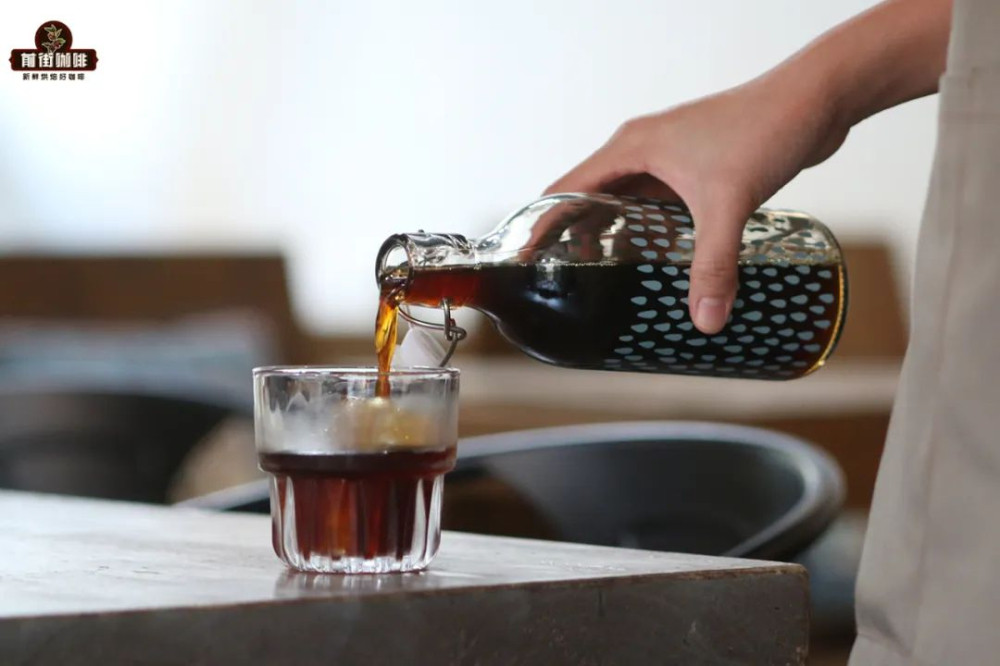
The most captivating aspect of cold drip coffee is its thick, smooth mouthfeel and well-balanced sweet-and-acid profile, offering neither sharpness nor pronounced bitterness. When using beans with strong fermentative notes, you can even enjoy wine-like aromas akin to chilled fruit wine, delivering remarkable layers and a lingering finish.
Many people, after their first taste of cold drip coffee, are eager to purchase a cold drip brewer and try it themselves, yet often encounter bottlenecks during the process. The following will walk you through the detailed steps of making cold drip coffee based on practical brewing procedures.
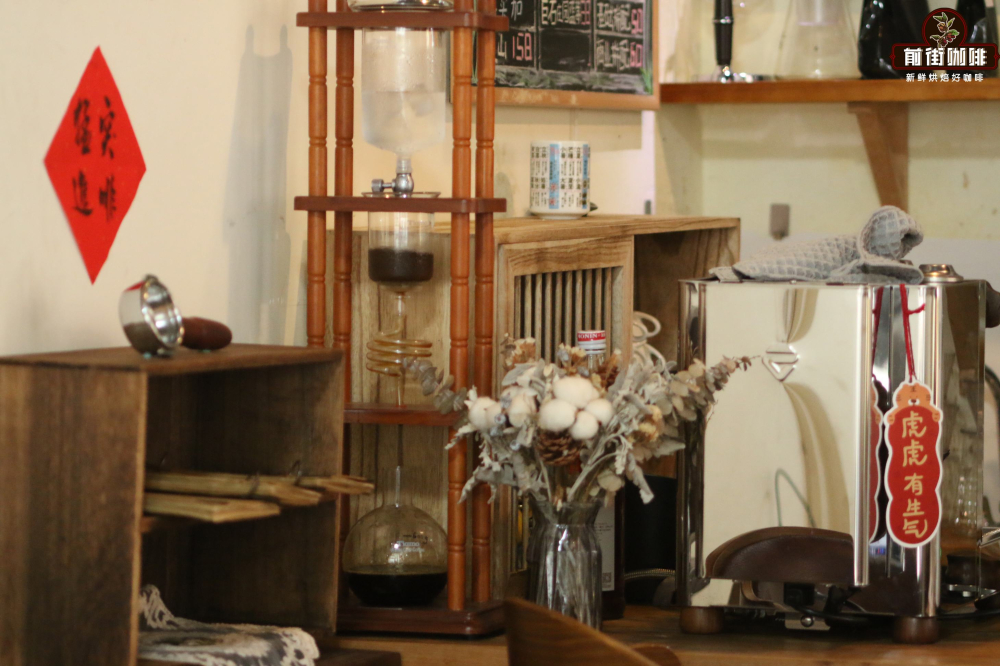
Currently, there is a wide variety of cold drip brewers on the market, but their basic structures are largely similar, primarily consisting of three core components: the top chamber for holding the ice-water mixture (often equipped with an adjustable valve for controlling drip rate), the middle filter basket that holds the coffee grounds, and the bottom collection chamber that catches the brewed coffee. A common model, such as the Tiamo HG2713, also includes an additional ring-shaped glass drainage tube. Consumers can choose the most suitable model based on their needs and budget.
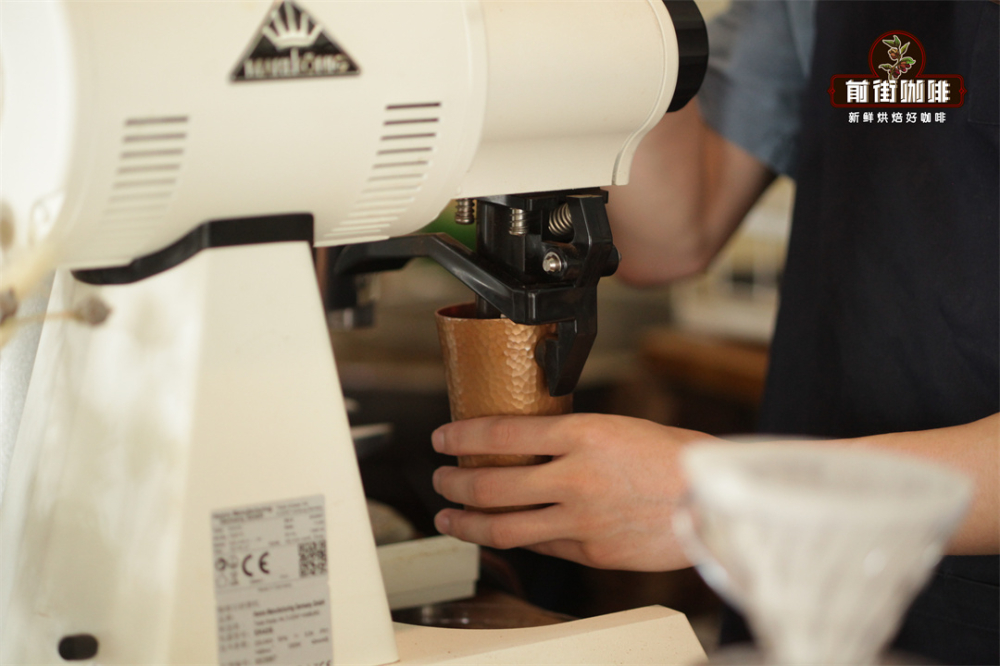
In actual practice, the standard grind size used in shops is 80% to 85% passing through a Chinese No. 20 sieve, equivalent to a setting of 10 on the EK43s grinder. It’s important to note that if the coffee grounds are too coarse, it may lead to under-extraction and a weak flavor; but if they’re too fine, it could clog the coffee bed, causing poor water drainage and resulting in a bitter cup. Therefore,grind size selection is one of the key factors influencing flavor expression.
This demonstration uses a bright-flavored Kenyan Assaria coffee bean. Since extraction speed is inherently slower in low-temperature environments, it’s recommended to adjust the grind size slightly finer than what is typical for pour over. The actual sieve passing rate used was 85%.
The drip rate of cold drip is equally crucial, but unlike pour over, it is measured in “drops per 10 seconds.” Generally speaking,a drip rate of 7 drops per 10 seconds achieves a better extraction balance; going too slow may lead to over-extraction and negatively affect the flavor. Of course, users can also make fine adjustments according to personal taste preferences. The recommended coffee-to-water ratio is 1:10, which produces a relatively strong cold drip concentrate, ideal for later dilution with ice. For home brewing, a range of 1:10 to 1:12 is also acceptable.
In practice, you can take 60 grams of coffee beans and grind them into powder. First, place a round filter paper at the bottom of the filter basket, then add the coffee grounds, and finally cover with another filter paper. Next, gently moisten the coffee layer, which helps promote even extraction and shortens the dripping time. Then, pour ice-water mixture into the top chamber (an ice-to-water ratio of 1:1 is recommended), aiming for a total yield of 600 grams of coffee liquid. After the dripping is complete, transfer the coffee liquid to a sealed container and refrigerate for at least 12 hours to allow the flavors to mature before drinking. It’s generally recommended to perform the dripping during the day and place it in the fridge in the evening, so it’s ready to enjoy over ice the next day.
Freshly dripped cold drip coffee often has more restrained aromas and a slightly thin mouthfeel, thus requiring a period of low-temperature sealed fermentation. This step helps the flavor compounds become richer and more full-bodied, while enhancing aroma layers, aftertaste sweetness, and subtle wine-like notes. However, over time, excessive fermentation may lead to undesirable flavor shifts,so it is recommended to consume within 5 days for the best drinking experience. In addition, once opened, avoid exposure to air to prevent bacterial contamination affecting quality and hygiene—it’s best to consume it immediately after opening.
When it comes to coffee bean selection, users can choose different processing methods or roast levels based on personal preference, as long as the beans are within their optimal flavor window (approximately 2 months). Cold drip extraction can highlight the fruity, wine-like, and fermentative notes in coffee. For example, using a washed-process Huaxu TOH bean can present a refreshing sweetness akin to pomelo tea; a Honduras bean aged in sherry wine barrels offers intense wine aromas and honeyed sweetness; a natural-process Huakui displays vibrant berry and passionfruit acidity, with a lingering hint of black tea aroma, offering a rich and unforgettable layered experience.
The above content is compiled by CoffeeHunters, a coffee news website.


