







Introduction:Want to dive deeper into the flavor charm and growing background of Panamanian Geisha coffee? This article will take you from the origin of the Geisha variety, explore how high-altitude cultivation influences its flavor, focus on the unique processing method of the Savia Series Geisha from Finca Deborah, and compare it with the well-known Green Label Geisha. By the end of this piece, you’ll have a better understanding of how to choose and brew high-quality Geisha coffee.
Panama is renowned for producing some of the world’s finest Geisha coffee, and in recent years, one renowned estate has emerged as a standout in the specialty coffee market, capturing the attention of high-end Geisha enthusiasts. This article starts with the historical development of the Geisha variety, exploring how it traveled from Ethiopia to Panama and became a legend in the specialty coffee world. We will also take an in-depth look at how high-altitude environments affect Geisha’s flavor profile, focusing specifically on a new Savia Series Geisha from this estate by a certain brand, and explaining the craftsmanship and advantages of its anaerobic natural sun-dried processing method.
Interestingly, Geisha is not native to Panama. Historical records indicate that Geisha was first discovered in the wild coffee forests of Ethiopia in the 1830s, before being sent to a research station in Tanzania. In 1953, it was introduced to the Tropical Agricultural Research and Higher Education Center (CATIE) in Central America, where it was cataloged as T2722. It wasn’t until 1960 that these seeds were distributed for planting across Panama. Although Geisha is naturally resistant to coffee leaf rust to some extent, its relatively fragile branches meant it was long used only as a windbreak rather than as a primary cash crop. The turning point came in 2004, when the Peterson family from the Boquete region of Panama entered Geisha in a competition. Its astonishing flavor performance not only won the BOP competition but also set a new record for the highest green bean auction price at the time, thereby establishing Geisha’s premium status.
It’s important to note that there is considerable confusion around the name “Geisha” in the market. Various genetically distinct coffee varieties have been labeled as “Geisha,” many of which actually originate from nearby regions in Ethiopia. According to genetic research by World Coffee Research, the T2722 Geisha from Panama has shown significant genetic differences from its Ethiopian ancestors. Additionally, the spelling of the name—Geisha vs. Gesha—often confuses consumers. Early coffee literature mostly used “Geisha,” making this spelling more common in the industry; however, the variety was originally discovered near the Gesha mountain region in Ethiopia, so many people prefer the spelling “Gesha.”
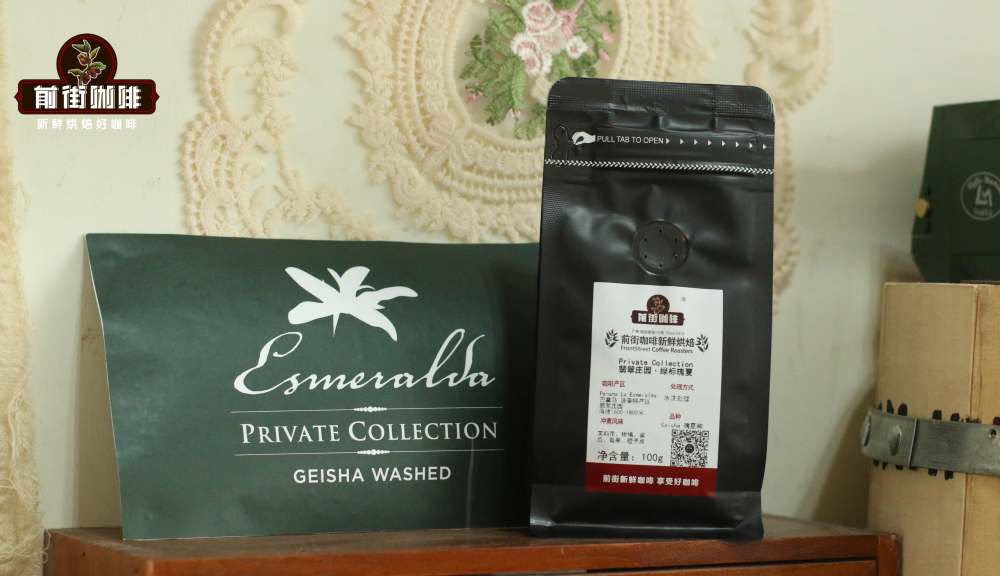
When it comes to Geisha (Geisha/Gesha), it’s worth mentioning that it is one of the most expensive varieties in today’s specialty coffee market. Panama has gained global recognition for successfully cultivating this variety, not only for its unique flavor but also for representing the pinnacle of cultivation and processing techniques. In a certain brand’s product line, in addition to the classic Emerald Estate Red Label and Green Label Geishas, there are also Geishas from the Boquete region and the Flower Butterfly blend. These coffees all exhibit the typical citrus, jasmine floral notes, and tea-like base of Geisha, but due to differences in estate altitude, microclimate, and processing methods, their flavor profiles vary widely.
This Finca Deborah Savia Geisha employs an anaerobic natural sun-dried processing method—a refined technique that has been gaining increasing attention in the specialty coffee field. Anaerobic fermentation refers to processing green coffee beans in a completely sealed, oxygen-free fermentation tank. Typically, carbon dioxide is injected to displace oxygen, allowing the beans to ferment in an oxygen-free environment for about 18 to 24 hours. During this stage, flavor compounds from the mucilage penetrate more deeply into the parchment. Some processes even extend fermentation to 120 to 240 hours to achieve even more complex flavors. Anaerobic natural sun-drying then follows, where the beans are moved to dry in the sun, usually after three days of fermentation, using raised beds to further concentrate sweetness and layered flavors.
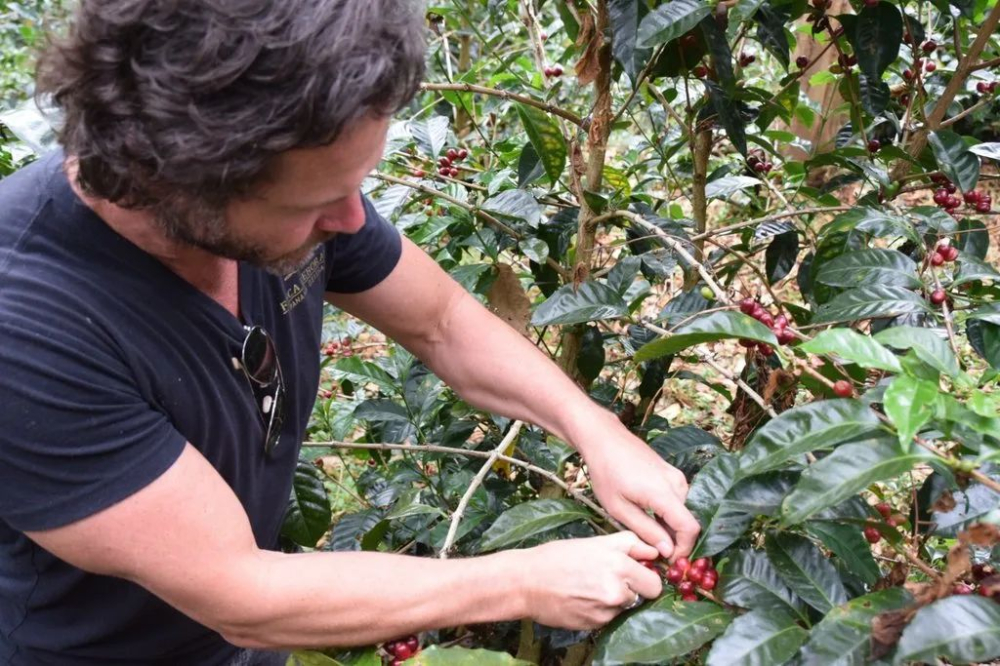
Regarding pricing, many coffee enthusiasts may wonder why the Finca Deborah Savia Geisha is priced at 198 RMB per 100 grams, higher than the Emerald Estate Green Label’s 168 RMB per 100 grams. The answer lies in the pursuit of excellence in both growing environment and processing techniques. Finca Deborah is located in the high-altitude volcanic region of Chiriquí Province, Panama, at an elevation of over 1900 meters, making it one of the country’s most remote and ecologically preserved coffee farms. The volcanic soil, significant day-night temperature variation, and abundant sunlight provide ideal growing conditions for Geisha. More importantly, the estate is fully powered by solar energy, strictly avoids the use of pesticides, and is committed to maintaining a natural ecosystem, cultivating each coffee bean in a sustainable manner. Estate owner Jamison Savage personally oversees harvesting and processing, selecting only the ripest and highest-quality coffee cherries to ensure that every batch of Geisha meets top-tier standards.
In terms of roasting recommendations, a certain brand opts for a medium-light roast, typically dropping the coffee just after the first crack begins, around 1 minute and 20 seconds in, to fully showcase this Geisha’s sweetness, acidity, and floral-fruity aromas. For brewing, a medium-fine grind is recommended, with water temperature controlled at 90–93°C. Using a steady stream and consistent extraction rhythm helps highlight its bright acidity and delicate tropical fruit notes.

Finally, in terms of cupping performance, this Finca Deborah Savia Geisha exhibits an incredibly impressive acidity, with a creamy texture reminiscent of yogurt, accompanied by sweet notes of pineapple and other tropical fruits. The finish is long-lasting and layered. Whether you’re new to specialty coffee or a seasoned connoisseur, this is a high-altitude Geisha masterpiece worthy of careful savoring.
The above content is compiled by CoffeeHunters, a coffee news website.


