







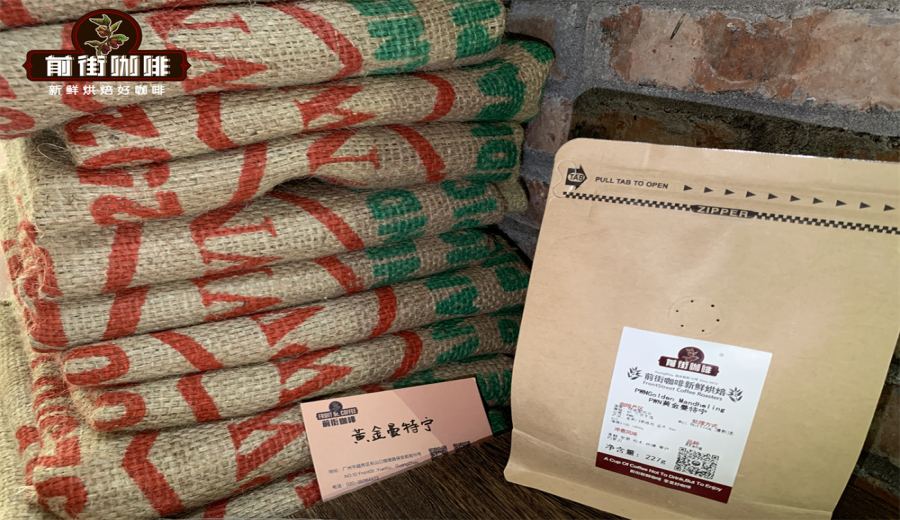
Introduction:Want to explore the unique charm of Indonesian Mandheling coffee? This article delves into the terroir characteristics of Sumatra’s two major regions—Lake Toba and Lake Tawar—and analyzes how Typica, Tim Tim, and Catimor varieties adapt locally. It also unveils how the wet hulling process shapes its low-acid, full-bodied flavor, and provides practical pour over brewing tips to help you consistently produce a layered and nuanced Mandheling cup.
As one of the world’s major coffee-producing countries, Indonesia’s Sumatra Island is renowned for its Mandheling coffee, known for its bold and rich profile, making it a classic choice among dark roast enthusiasts. This article will take you through its historical background, regional differences, varietal evolution, the wet hulling process, and practical pour over applications to help you fully grasp the essence of Mandheling.
The Historical Roots of Indonesian Coffee
Coffee cultivation in Indonesia dates back to 1696, when Dutch colonists introduced coffee to Java, which was later gradually expanded to Sumatra. However, a leaf rust epidemic in the mid-19th century nearly wiped out local Arabica plantations. To revive the industry, the government introduced more disease-resistant varieties, including Robusta and other hybrids. Today, Indonesian coffee is dominated by Robusta, with Arabica accounting for only one-tenth of total production. Mandheling, as a representative of Indonesia’s specialty coffee, boasts an unforgettable and distinctive flavor.
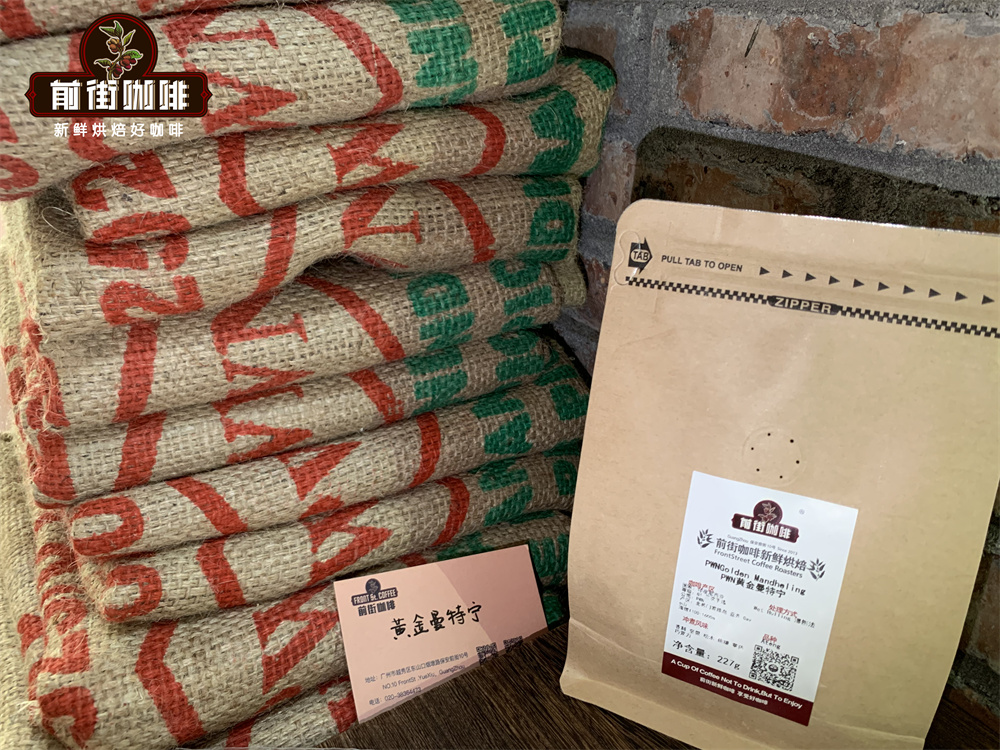
Sumatra’s Two Core Regions: Lake Toba and Lake Tawar
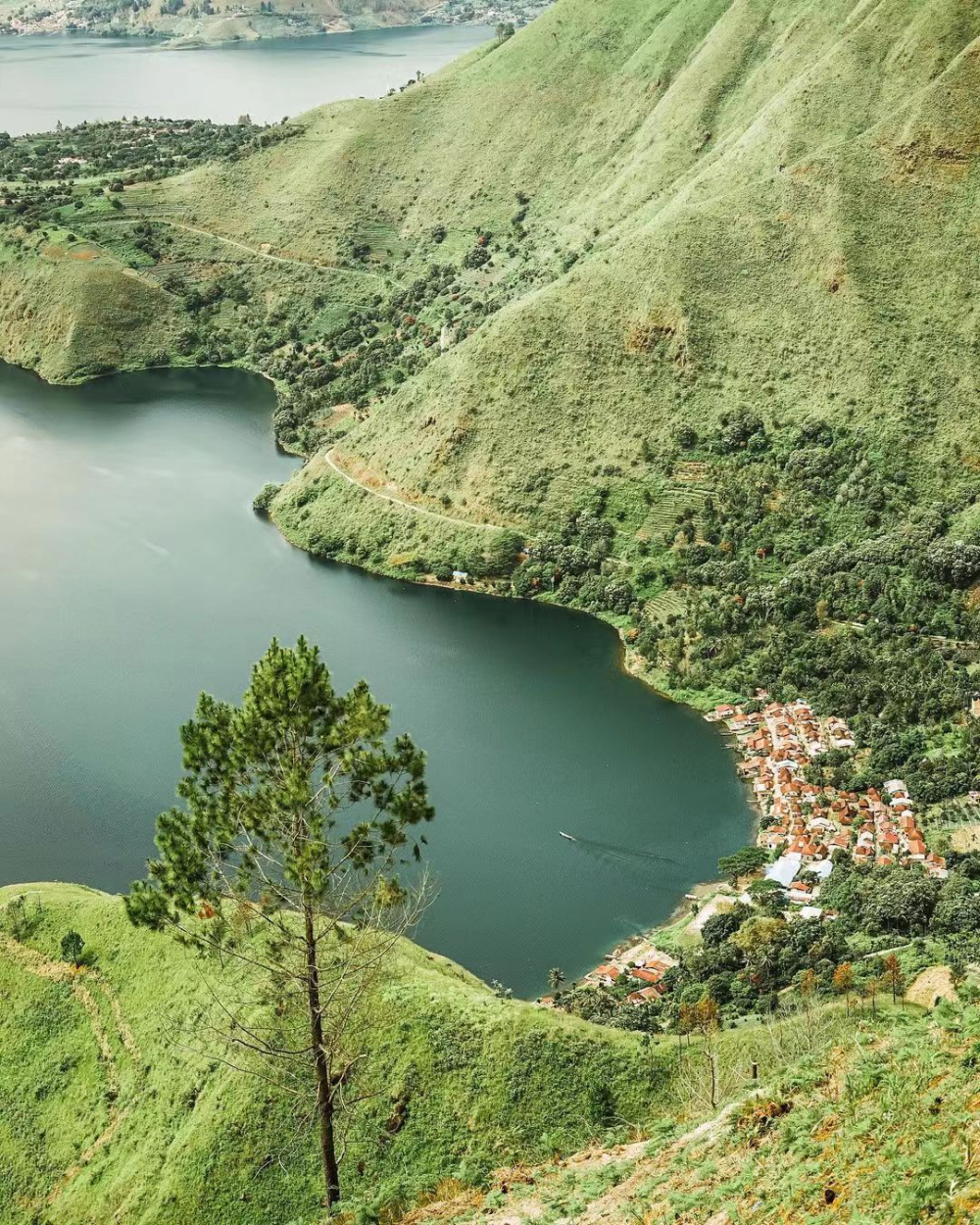
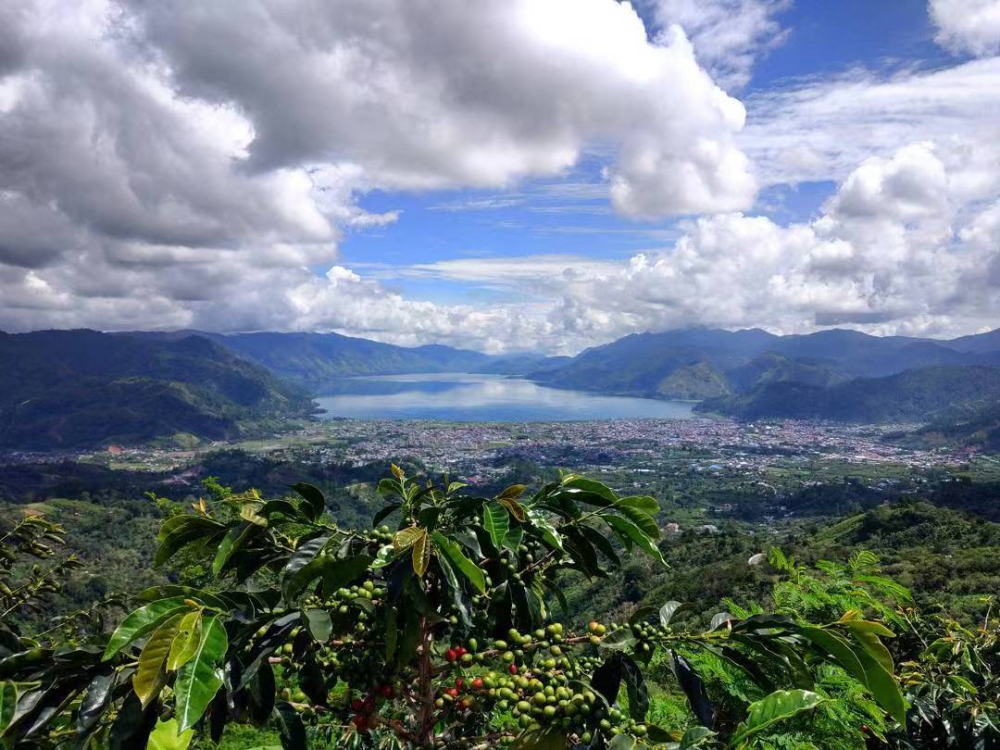
The Aceh and North Sumatra provinces in northern Sumatra are the main producers of Mandheling coffee, each surrounding Lake Tawar and Lake Toba respectively, creating distinctly different microclimates and terroir conditions.
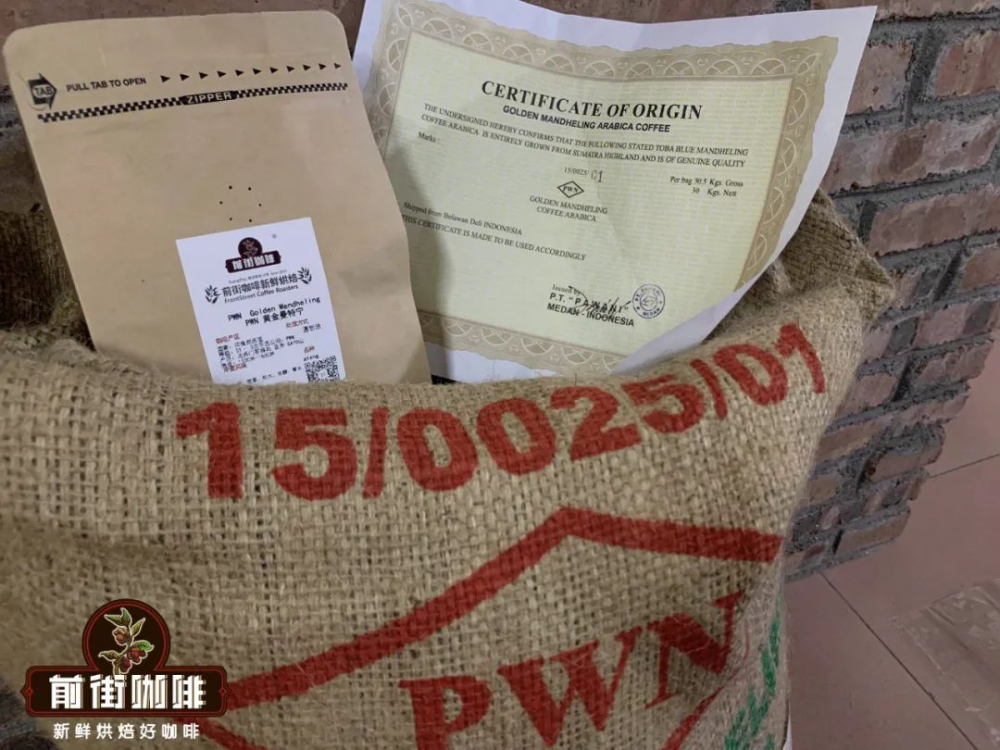
Lake Toba, the world’s largest volcanic lake, sits at an elevation of about 1,400 meters and enjoys a tropical rainforest climate that is humid, rainy, and temperature-stable, providing an ideal environment for coffee growth. The Lintong growing region, located south of the lake, is a well-known and historically significant coffee cultivation area in Indonesia. The everyday-grade Mandheling produced here originates from this region.
Lake Tawar, situated near the Gayo Mountains at elevations above 1,500 meters, has faced challenges in coffee exports due to prolonged political instability in Aceh. However, after gradually recovering following the 2005 tsunami, the region now remains committed to cultivating high-quality Typica. Some large-scale exporters have also concentrated resources here to nurture premium beans.
The Varietal Evolution and Adaptation of Mandheling
The leaf rust outbreak of 1877 nearly decimated the previously dominant Typica variety. In response, Indonesia introduced several disease-resistant varieties, including Tim Tim (a natural cross between Typica and Robusta) and Catimor (a descendant of a Bourbon variant and Tim Tim). These varieties, known for their strong adaptability and stable yields, became mainstream.
Over time, Typica adapted to Sumatra’s environment, developing a low-acid, full-bodied profile with herbal and spicy notes—most notably around Lake Toba. Although Tim Tim and Catimor are often criticized for lacking refined flavors, they exhibit rich woody tones and a solid body in Sumatra’s unique conditions. Particularly in the Lake Tawar region, the commitment to growing Typica helps preserve a more elegant and layered cup profile.
Wet Hulling: The Key Process Behind Low-Acid, Full-Bodied Flavor
Indonesia’s hot and humid climate is not conducive to traditional sun-drying or washed processing methods. As a result, the unique “wet hulling” (also known as Giling Basah) process was developed locally. In this method, the parchment layer is removed before the beans are fully dried, significantly shortening the drying period.
The process begins with the removal of the fruit skin, followed by an overnight fermentation and washing with water to remove the mucilage. The parchment-covered beans are then sun-dried until their moisture content drops to 30–50%. At this stage, specialized machinery is used to remove the still slightly hard parchment layer. During this process, the bean surface is prone to deformation under pressure, resulting in the so-called “elephant ear” or “horse hoof” bean phenomenon. Finally, the moisture content is controlled to around 12% before storage and export.
This method not only adapts to Indonesia’s humid weather but also results in the coffee’s signature low-acid, bold, and heavy body—a defining characteristic of Mandheling’s flavor.
Pour Over Mandheling: From Bean Selection to Parameter Settings
Mandheling’s bold characteristics are best highlighted through pour over brewing, which reveals its intricate layers. It is recommended to use freshly roasted beans, ideally within five days post-roast. Dark roasts are commonly used; these beans are more porous and absorb water faster, so a coarser grind and lower water temperature are advised to avoid over-extraction and excessive bitterness.
The KONO filter cone is recommended for its tightly curved upper section, which reduces vapor loss, and its lower section’s flow-guiding ribs, which accelerate water flow and extend extraction time—helping enhance body and overall richness. This filter cone is also suitable for other medium-to-dark roasts, such as Blue Mountain or Brazilian Queen Estate beans.
Practical Pour Over Parameter Suggestions
Filter cone: KONO filter cone
Water temperature: 87°C
Coffee dose: 15 grams
Coffee-to-water ratio: 1:15
Grind size: Medium-coarse (approximately 70% passing through a Chinese standard No. 20 sieve)
Steps: Wet the filter paper and add 15 grams of coffee grounds. Bloom with 30 grams of water for 30 seconds. Then, pour in a small circular motion from the center outward to 125 grams, and after the bed settles, continue pouring to 225 grams. Allow the drip to finish. Pay attention to the spice and nut aromas in the mid-range, with low acidity but distinct layers.
Flavor Adjustment and Brewing Tips
For beginners adjusting pour over parameters, it is recommended to change only one variable at a time—such as water temperature, grind size, or pouring speed—and record each result to find the combination that best suits your taste. If the flavor is too acidic or under-extracted, try a finer grind, higher water temperature, or longer pouring time. Conversely, if it’s overly bitter or astringent, adjust to a coarser grind or lower water temperature.
Through continuous experimentation and record-keeping, you’ll be able to better harness the potential of this classic Indonesian Mandheling and brew a balanced, richly satisfying black coffee.
The above content is compiled by CoffeeHunters, a coffee news website.


