







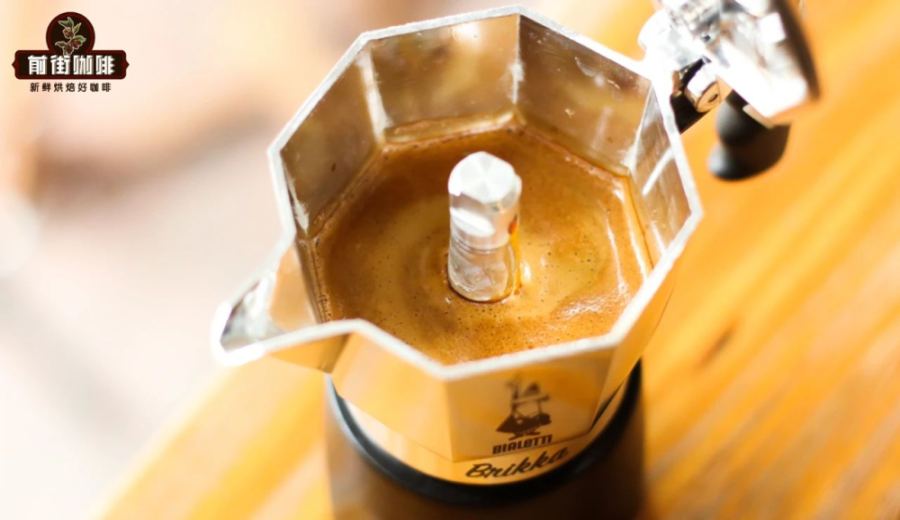
Introduction:Want to brew rich, crema-covered coffee with a moka pot? The key lies in choosing the right coffee beans and grind size. This article dives deep into how medium-dark roasted beans can enhance crema performance, recommends practical bean options, and explains in detail why freshness within 50 days matters, as well as the ideal grind size that sits between pour over and espresso—helping you quickly master moka pot extraction techniques.
A moka pot uses pressure to extract coffee, producing a brew similar in intensity to espresso. The crema that forms on top not only adds texture but also serves as the foundation for latte art. If you want your moka pot coffee to be rich in crema or plan to use it with milk for milk-based drinks, selecting the right coffee beans is crucial. This article will explore three key factors—roast level, freshness, and grind size—to help you improve the quality of your moka pot brews.
First,medium-dark roastis the ideal choice for a moka pot. Since the moka pot operates on a pressurized extraction method, the resulting coffee is highly concentrated, making it well-suited for expressing bold and rich flavors—and medium-dark roasted beans are perfect for this. As the roasting time extends, the internal structure of the beans becomes more porous and accumulates a large amount of carbon dioxide. When hot water meets the coffee grounds, these gases are rapidly released, forming a fine foam—that’s the crema we see. Additionally, the caramelization and Maillard reactions that occur during dark roasting impart rich aromas of cocoa, chocolate, malt, and nuts, giving the coffee a deeper and more captivating flavor profile.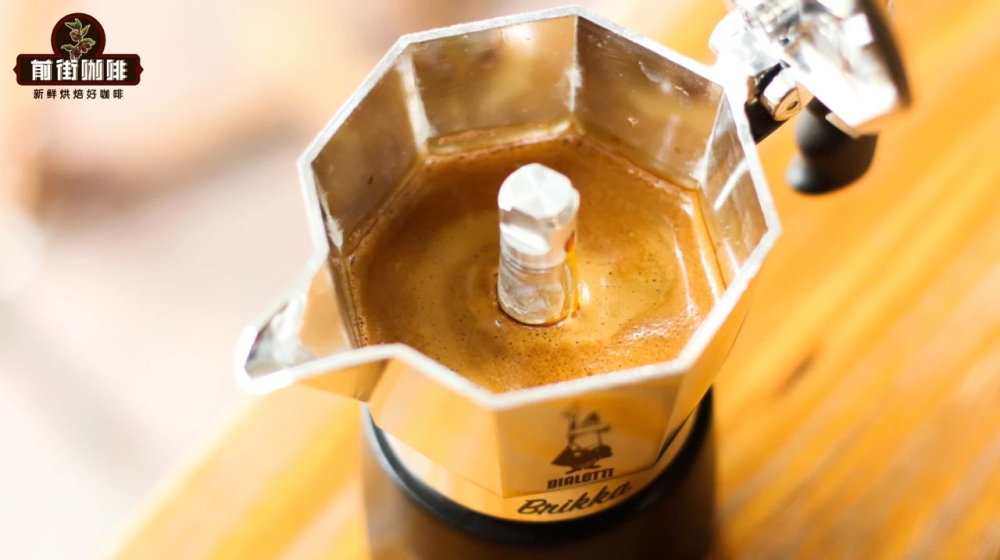
Among the many moka pot-friendly bean options, here are some commonly recommended ones:
First is a classic dark roast blend, known for its rich crema and nutty-chocolate notes, suitable for both home and café use; another is the well-received Dark Cocoa Blend, which offers balanced flavor and stable aroma, also great for moka pots and home espresso machines. Furthermore, a specialty blend stands out with its pronounced caramel and dark chocolate aromas, along with a clean aftertaste and delicate crema. Lastly, the Strawberry Candy Blend delivers soft floral and fruity notes—like strawberry taffy and dried blueberries—paired with almond undertones. It brews without bitterness or sourness, offering a balanced and enjoyable flavor.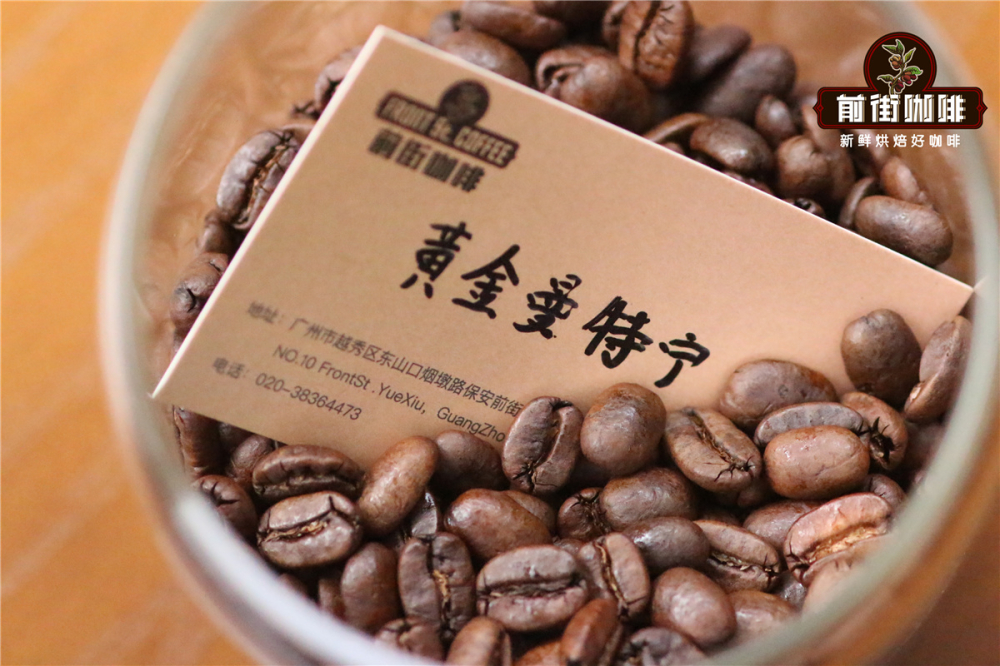
Beyond roast type,the freshness of the coffee beansis also a critical factor affecting extraction performance. Freshly roasted beans contain abundant carbon dioxide, which aids in crema formation and flavor release. However, after roasting, beans go through a degassing period. Typically, after the peak, aroma gradually diminishes, and beans older than 50 days may retain only minimal CO₂, leading to thin crema and flat flavors during extraction. Therefore, it’s recommended to choose beans roasted within50 daysto ensure optimal extraction results.
Next isgrind sizecontrol. The grind needed for a moka pot falls between pour over and espresso—finer than pour over but slightly coarser than espresso. You can refer to the comparison of the three grind sizes in the image below: the left is pour over grind, the middle is for moka pot, and the right is espresso grind.
In practice, if your grind is on the coarser side, it’s advisable to gently press down the coffee bed with your fingers after leveling it, to help increase water resistance and promote crema release. Conversely, if the grind is too fine, no additional tamping is needed, as the fine particles alone provide enough resistance—over-tamping may cause channeling and affect extraction evenness. Proper tamping and grind control are small but essential tricks to get the best out of your moka pot, and they’re often overlooked by beginners.
The above content is compiled by CoffeeHunters, a coffee news website.


