








Introduction:Kenyan coffee is renowned for its bright, clean acidity and complex fruity aromas, which are inseparable from its unique double washed and K72 washed processing methods. This article delves into the fermentation processes and technical differences of these two methods, explores how they shape the distinct flavor profiles of the coffee, and explains how factors such as fermentation time, number of cycles, and washing steps influence the final cupping performance.
Kenyan coffee has long been celebrated for its clean, bright, and layered fruity acidity — a quality that stems not only from the region’s high-altitude growing environment and premium coffee varieties but also from its refined washed processing techniques. Among the various washed methods, “double washed” and “K72 washed process” are the most iconic in Kenya, enhancing both the stability of the coffee and its unique acidity and aroma characteristics.
Traditional washed processing, also known as the wet process, involves removing the outer skin and pulp of the coffee cherry, then further eliminating the sticky mucilage layer before drying the clean coffee seeds. Originating in the 19th century in the West Indies — particularly developed in Jamaica — this method is well-suited to humid, rainy regions and effectively reduces off-flavors while highlighting fruity notes. Compared to natural (sun-dried) processing, the washed method yields a purer and more balanced coffee flavor.

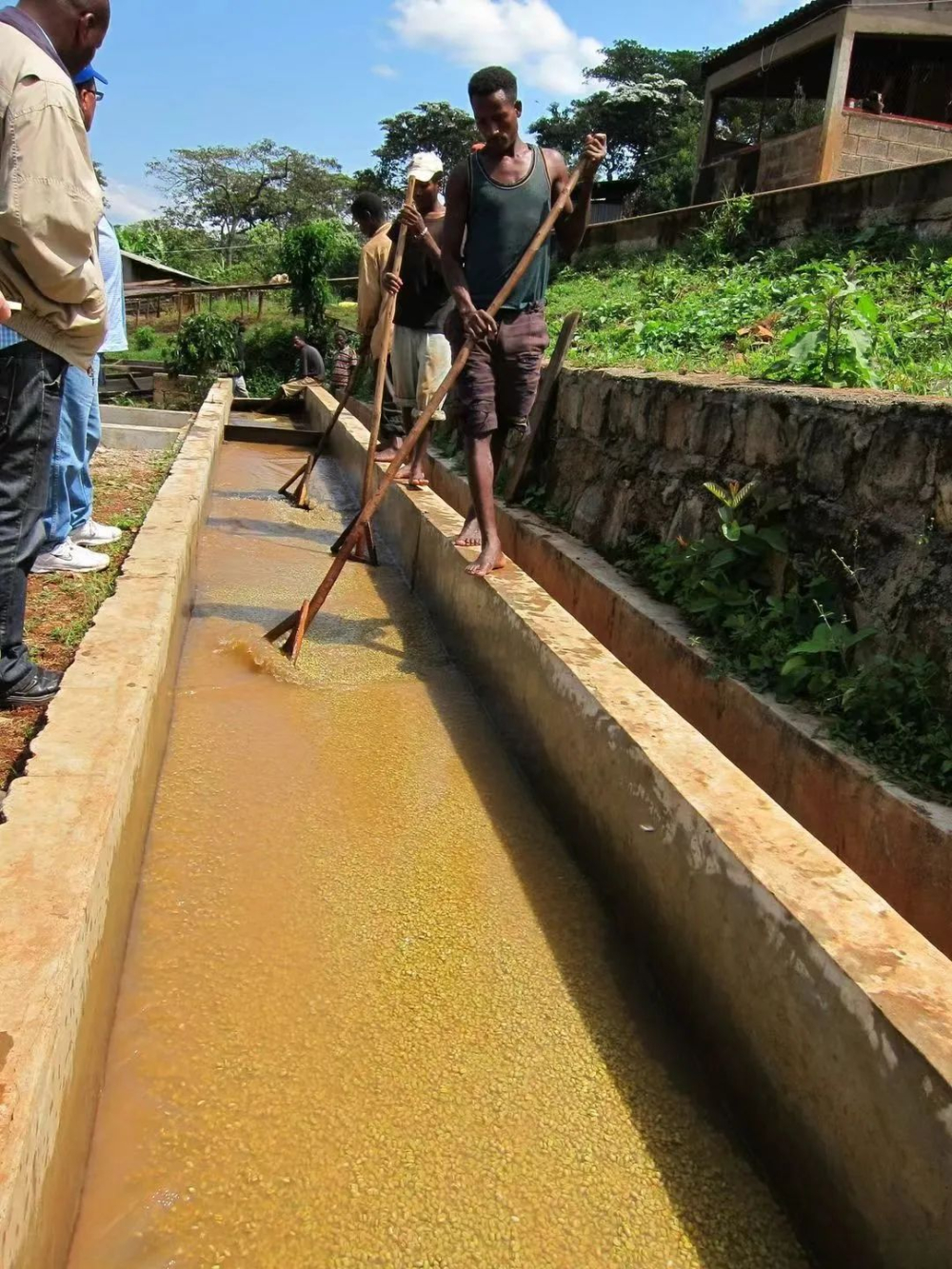
The so-called “double washed method” essentially adds an extra washing and soaking step to the conventional washed process. In a typical wet process, after fermenting to remove the mucilage, the coffee beans are washed once and then dried. However, in Kenya, where drying space is often limited, processing facilities frequently face challenges in drying the fermented beans promptly. As a result, producers will re-soak the once-washed beans in clean water for another round of cleaning before drying. This “second soaking” approach was initially adopted out of practical necessity rather than for flavor purposes, but it was later discovered to unexpectedly enhance the coffee’s complexity and bright acidity. For example, Kenya’s “little tomato” profile — reminiscent of cherry tomatoes and sour plum — is achieved using this method.
The “K72 washed process,” on the other hand, exercises finer control over fermentation time and stands as one of the classic processing methods for Kenyan coffee today. This technique divides the entire fermentation process into three stages, each lasting 24 hours, totaling 72 hours. First, the mucilage-free coffee beans are placed in a water tank for the initial 24-hour fermentation, followed by washing and removal of any loosened residues. Then comes the second 24-hour fermentation, and finally a third 24-hour session. This ensures the complete removal of mucilage and impurities, while allowing the beans to develop an exceptionally clean and bright acidity. For instance, the popular Ahsia variety is processed using this method, resulting in a distinctive sourness and aroma reminiscent of cherry tomatoes and dark plums.
In addition to the two common methods above, Kenya has gradually adopted the more water-efficient “dry fermentation washed process.” This approach skips the water-intensive washing and soaking stages, instead placing the depulped parchment beans directly into a fermentation tank for about 6 to 8 hours. Through an environment with little or no added water, the mucilage decomposes naturally. This method is not only more environmentally friendly but can also produce a softer, rounder sweetness akin to honey-processed flavors. However, compared to traditional washed coffee, the overall taste tends to be slightly less bright. Nonetheless, after fermentation, the beans still require rinsing with clean water to ensure all sticky residues are thoroughly removed.
The fermentation step is arguably the core of washed processing. Whether using traditional, double, K72, or dry fermentation methods, the differences mainly lie in the duration and number of fermentation cycles, temperature control, aerobic or anaerobic conditions, and whether additional substances are introduced. Fermentation not only affects the cleanliness and acidity of the coffee but also directly influences the clarity and layering of the final flavor. Therefore, understanding the details of these processes helps coffee enthusiasts better anticipate the flavor profiles when selecting beans.
In summary, the reason Kenyan coffee stands out in the global specialty market lies not only in its exceptional geographical conditions and cultivated varieties but also in its diverse and refined washed processing techniques. From the double soaking in the double washed method to the precise 72-hour fermentation of the K72 process, each step adds a unique note to the coffee’s flavor, ensuring that every sip of Kenyan coffee delivers an outstanding balance of bright acidity and complex fruitiness.
The above content is compiled by CoffeeHunters, a coffee news website.


