








Introduction:As the birthplace of coffee, Ethiopia is home to renowned regions such as Yirgacheffe and Sidamo, celebrated for their distinctive floral notes and diverse processing methods. This article delves into the terroir characteristics of four core regions, compares the flavor impacts of natural and washed processing, and provides practical pour over parameters to help coffee enthusiasts understand the differences in specialty coffee from the source.
Ethiopia is not only a genetic treasure trove of coffee but also the soulful supplier of the global specialty coffee market. This highland region on the Horn of Africa, blessed with a unique climate and diverse cultivation traditions, produces a rich spectrum of flavors ranging from bright citrus notes to deep berry tones. Whether you're a beginner exploring pour over or a roaster chasing ultimate flavor profiles, you'll find the most representative regional samples here.
From the Shepherd’s Legend to the Coffee Ceremony
Though the shepherd’s story of coffee’s origin is difficult to verify, the Ethiopian people’s reverence for coffee is very real. A traditional coffee ceremony typically lasts two hours and is divided into three stages of drinking: the first round, Abol, carries strong smoky and earthy notes, ideal for quiet contemplation; the second round, Tona, features more balanced flavors, making it the golden moment for social conversation; the final round, Beraka, showcases the purest sweetness and body. This centuries-old ceremonial culture remains an important daily ritual in rural communities.

The Coffee Ecosystem in the Fields
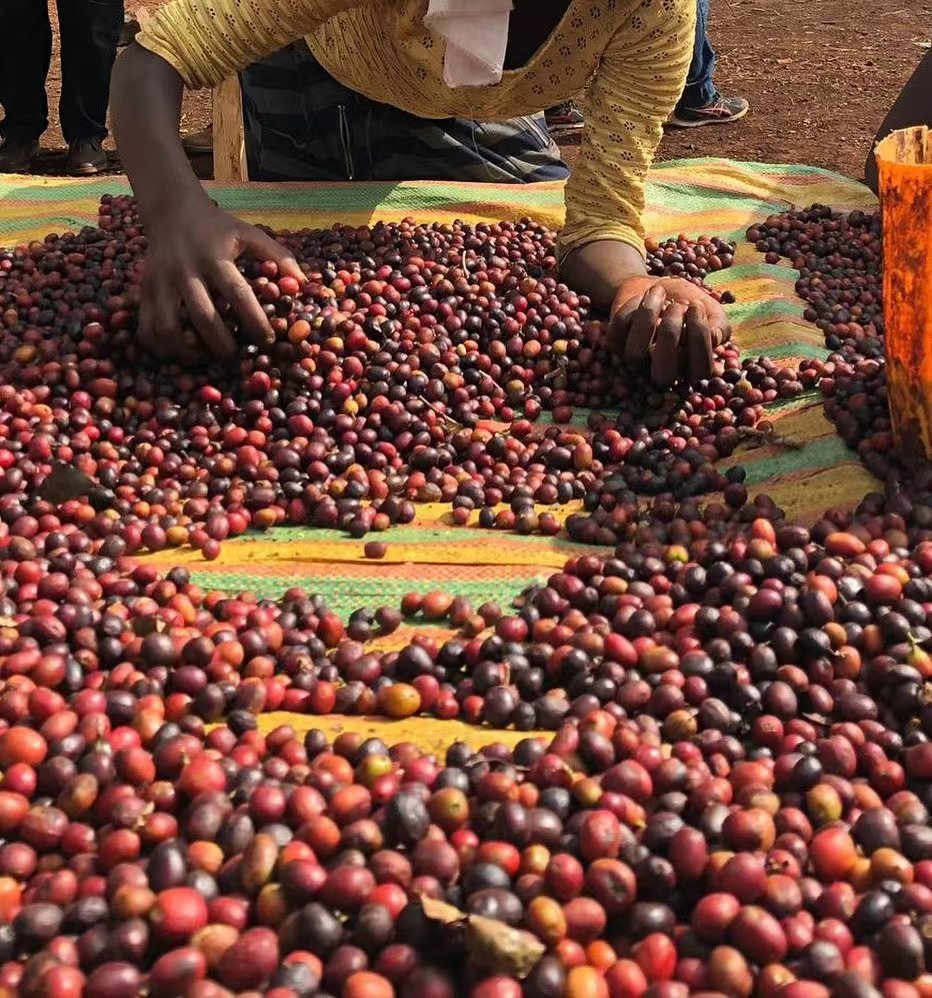
With over 1.2 million coffee farmers nationwide using mixed cultivation methods, it’s common to see coffee trees growing alongside bananas and leguminous plants. This “garden coffee” system not only maintains biodiversity but also slows fruit ripening through shading effects, accumulating richer flavor compounds. Smallholders send their fresh cherries to nearby cooperatives in water-rich areas, where they are processed uniformly and exported under collective brands. The micro-processing facilities around Yirgacheffe town alone contribute over 5,000 tons of premium green beans to the global market each year.
Flavor Profiles of Four Core Regions
As the birthplace of modern washed processing, Yirgacheffe’s coffee grown at altitudes of 2000–2200 meters is known for its signature blueberry acidity and jasmine floral notes.The dried beans often retain silver skin residues on the surface, a key feature for identifying authentic beans. The neighboring Kochere region is famed for its stronger bergamot-like character, appealing to those who prefer bright acidity.
Sidamo’s natural-processed beans exhibit a unique blueberry preserve flavor,with furan compounds produced during fermentationcontributing to its tropical fruit aftertaste. The Guji zone’s Hambela region (also known as the Huakui area), situated in volcanic soil, produces native variety beans with intense wine-like acidity and dark chocolate undertones, typically grown at elevations above 2300 meters.

How Processing Methods Alter Flavor
Washed Yirgacheffe, fermented after pulp removal, results in a clean and crisp acidity structure.The ideal extraction temperature is recommended at 90–92°Cto avoid over-extraction. In contrast, Sidamo’s natural beans require 12–15 days of drying on raised beds, allowing for fuller conversion of fruit sugars. When brewing, it’s suggested to extend the blooming time to 45 seconds and use a medium-coarse grind to balance the rich body.
For beginners, assessing processing quality can be done by observing bean appearance: high-quality washed beans display a bluish-green to teal hue, while natural beans have an amber sheen. For brewing parameters, a V60 filter with 20-number sieve and a 1:15 powder-to-water ratio best highlights the layered flavors of Ethiopian beans. Notably, high-altitude region beans generally contain lower caffeine levels, making them suitable for frequent consumption.
Practical Pour Over Reference
For Yirgacheffe-style natural beans, a three-stage pouring method is recommended: the first 30g bloom activates enzymatic reactions, the middle 95g at 93°C extracts acidic compounds, and the final 100g slow pour brings out sweetness. If using a French press for Sidamo natural beans, extend the steeping time to 4 minutes and opt for a coarse grind to prevent over-extraction.
Understanding these regional characteristics and processing differences will help coffee lovers make more precise bean selections, allowing them to savor Ethiopia’s geographical imprint from the very first sip.
The above content is compiled by CoffeeHunters, a coffee news website.


