








Introduction:Have you ever seen the variety name “Heirloom” on Ethiopian coffee packaging and wondered what it really means? This article takes an in-depth look at the differences between the commonly seen Heirloom and Landrace varieties in Ethiopian coffee, exploring their native backgrounds, classification logic, flavor characteristics, and the evolving naming trends. It also introduces the numbering system of JARC research varieties and explains why Ethiopian beans can vary greatly in flavor and bean size from year to year—helping you better understand the varietal mysteries of this birthplace of coffee.
When browsing a bag of Ethiopian coffee beans, you’ll often see “Heirloom” listed under the variety section—but what does this term actually mean? Simply put, it’s a collective term for the many ancient Arabica varieties in the country that have not yet been officially classified. It is currently estimated that Ethiopia may be home to between ten thousand and fifteen thousand native coffee varieties, most of which have not undergone complete genetic identification.
In coffee terminology, “Heirloom” originates from the English word for “family heirloom,” typically used to describe old varieties that have been passed down through generations. However, in Ethiopia, the term is more commonly used to refer broadly to native Arabica varieties that have long grown in the wild or on smallholder farms, many of which can still be found growing naturally in the environment.

So, what defines an “Ethiopian Heirloom (native variety)”? Generally speaking, it refers to an old cultivated plant variety, but there is no consensus on what qualifies as “old.” Some argue it must be over a century old, while others suggest fifty years is sufficient. There are also those who use 1945 or 1951 as cutoff points, considering only those unaffected by hybridization prior to those dates as true Heirlooms. These native varieties can be roughly divided into two main categories: those developed by the Jimma Agricultural Research Center (JARC), and those that are entirely local landraces that have naturally evolved in the wild.
The varieties cultivated by JARC usually possess stronger disease resistance or higher yield potential, and have undergone some degree of scientific selection; whereas local landrace varieties are those that have naturally evolved over time in specific regions, adapting to local climates and soil conditions. It’s also worth noting that Ethiopia has what is known as a “semi-forest coffee cultivation system,” where coffee is typically grown in forest areas managed by private individuals or communities—existing somewhere between fully wild and fully cultivated farms.
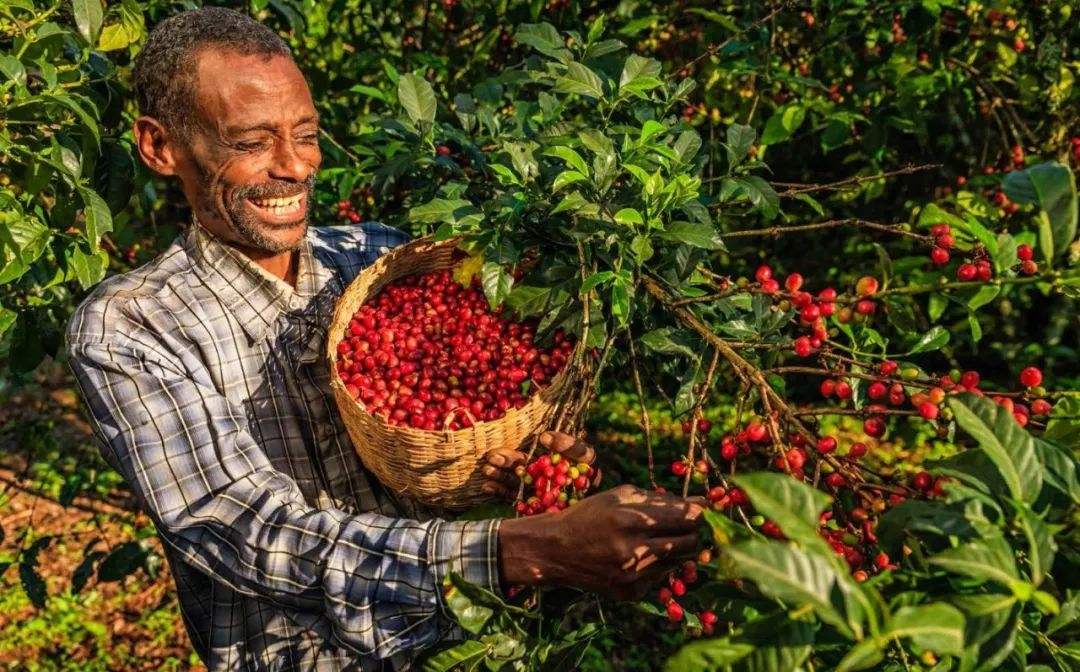
Since most Heirloom varieties remain wild or semi-wild, farmers often find it difficult to accurately distinguish each variety during planting and harvesting. This is one of the reasons why Ethiopian beans often vary in size, appearance, and overall bean morphology. In fact, inconsistent bean size doesn’t necessarily indicate poor quality—in fact, it may suggest that the batch contains multiple different varieties, which is one of the sources of Ethiopian coffee’s diverse and unique flavors. To better appreciate this diversity, try tasting Ethiopian beans from some well-known growing regions and observe the differences.
In addition, the flavor profiles of Ethiopian coffee can fluctuate significantly from year to year, much more noticeably than in other producing regions. For example, a brand’s Yirgacheffe Natural Huikaui coffee beans from a certain year were famously known for their pronounced strawberry notes in the 2017 version, but in subsequent years, the same or similar regional beans saw those strawberry flavors gradually diminish. By 2021, with the Huikaui 5.0, the overall flavor profile had changed considerably compared to 2017—a typical example of how native varieties’ flavor expressions can shift annually due to changes in climate, microclimate, and processing methods.

Given that using the vague term “Heirloom” indefinitely is not ideal, the Ethiopian government and exporters also face practical challenges—it’s unrealistic to separate and identify the vast number of native varieties one by one. As a result, in recent years, more and more exporters and roasters have begun using the term “Landrace” to describe these varieties with local adaptability and historical background.
Landrace, which can be translated into Chinese as “地方品種” (local variety), refers to crop varieties that have long grown in specific regions, are highly adapted to the local environment, possess rich genetic diversity, and are closely tied to the farming practices of local farmers. Taking Yirgacheffe as an example, although it is also difficult to subdivide each individual variety, the coffee in this region has naturally developed representative flavor characteristics due to its long adaptation to high altitudes and unique microclimates. Locals often use the term “Kurume” to generally refer to the coffee varieties in the Yirgacheffe area, while regions like Sidama have their own localized terms such as Dega and Walisho.
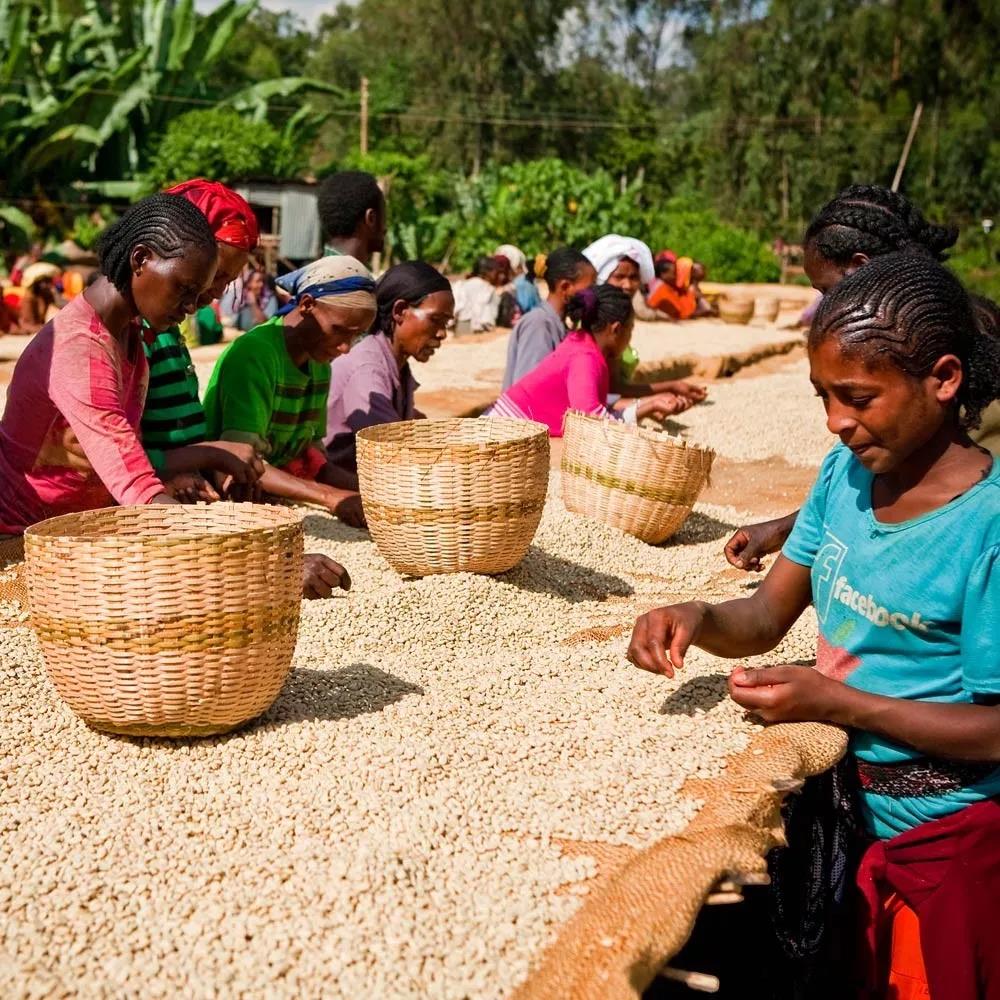
Beyond these regionally generalized varieties, Ethiopia has also carried out scientific breeding efforts, the most notable of which are the JARC series varieties developed by the Jimma Agricultural Research Center. If you’ve noticed variety numbers on competition or specialty coffee packaging—such as 74110, 74112, 74158—you’re looking at the results of JARC research. These numbers actually follow a logical system: the first two digits represent the year the variety was collected and initially classified, while the last three digits are the variety’s serial number. For example, 74110 indicates that this variety was selected in 1974 and assigned the number 110.
In summary, in the future we will likely see the general term “Heirloom” used less and less frequently on Ethiopian coffee variety labels, replaced instead by more regionally representative and scientifically grounded terms like “Landrace,” or even explicitly named JARC variety numbers. Understanding the meaning behind these names will help you better grasp the varietal diversity and flavor potential of Ethiopian coffee when tasting or purchasing.
The above content is compiled by CoffeeHunters, a coffee news website.


