







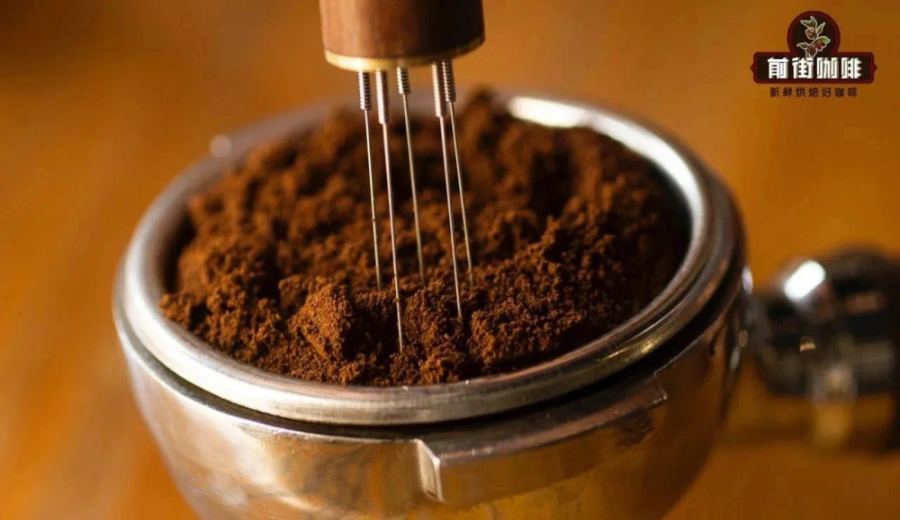
Introduction:Whether an espresso shot has balanced flavors hinges on the evenness of the coffee puck. This article delves into the principles and practical techniques of coffee distribution, helping you master methods to avoid channeling—ensuring consistent extraction time and flavor balance. Even beginners can quickly get the hang of it and brew better-tasting espresso.
When making a high-quality espresso, the distribution step is often overlooked, but it actually has a significant impact on the final extraction result. Distribution isn’t just about “smoothing out” the coffee grounds—it’s about ensuring the density and structure of the entire puck are uniform, so that hot water can penetrate evenly, avoiding over-extraction or under-extraction in certain areas.
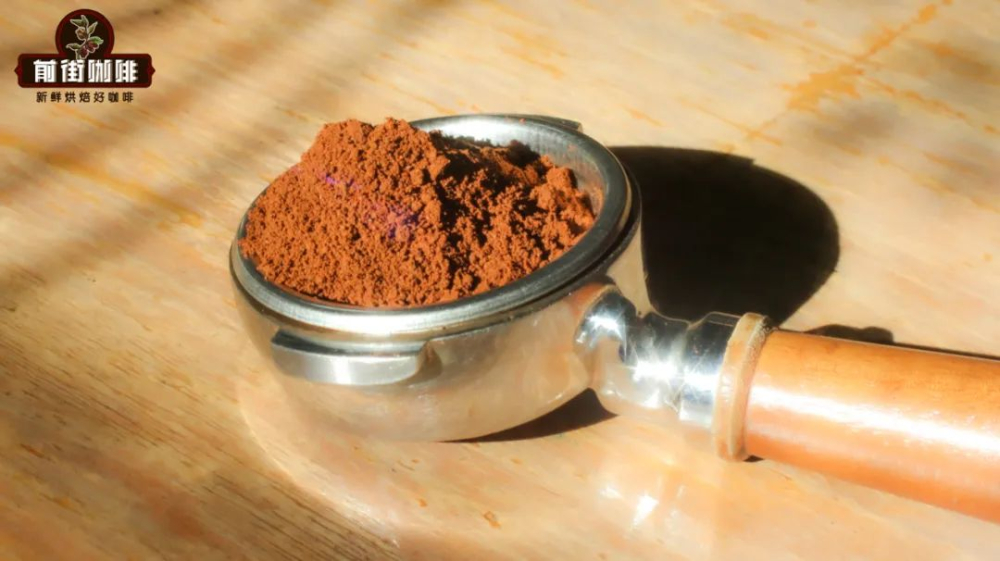
Many coffee enthusiasts tend to overlook the issue of how the coffee pile is initially distributed. When you directly transfer ground coffee from the grinder into the portafilter basket, the coffee often piles up in a small mound in the center or is unevenly distributed left and right. If you hastily use a distributor at this point, it may actually worsen the problem. Because most distributors are designed to push the coffee grounds outward evenly by applying downward pressure. But if the center is already piled higher, pressing it down will only make the central area more compact while leaving the surrounding grounds looser.
Key issue: Water always takes the path of least resistance
During extraction, hot water is naturally inert—it will preferentially flow through the path with the least resistance. When the coffee grounds are unevenly distributed, the water will concentrate through the looser areas, creating what’s known as “channeling.” This phenomenon causes some coffee particles to be over-extracted, releasing excessive bitter compounds, while others are barely extracted at all, leading to sour and unbalanced flavors.
Therefore, proper distribution isn’t just about making the surface look flat—it’s also about preventing these uncontrollable channels, thereby stabilizing the espresso’s extraction performance. The ideal scenario is for the coffee layer to be uniformly even, with consistent compaction, so that under 9 bars of pressure, the water can evenly penetrate the entire puck, extracting a full and balanced flavor.
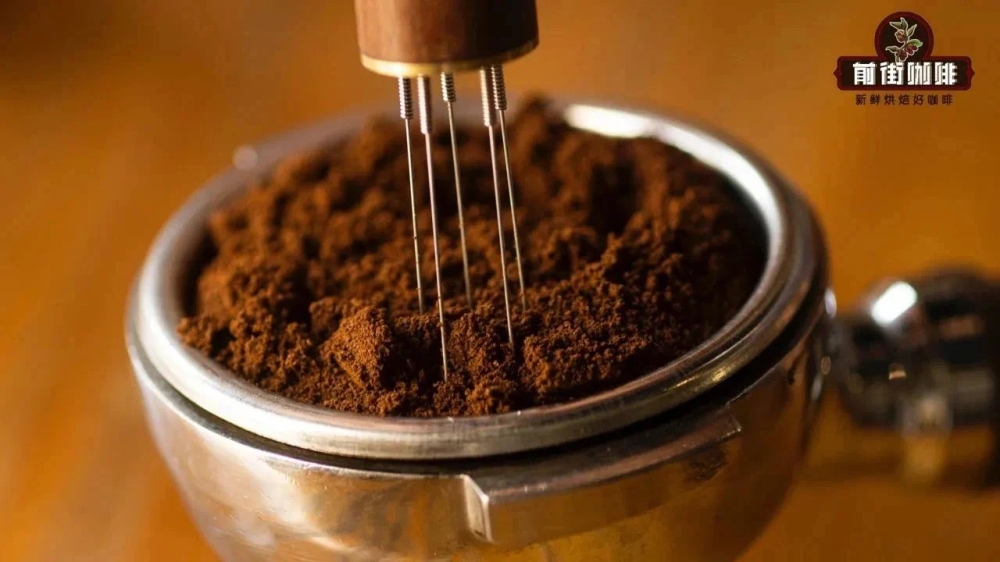
When you’ve just transferred the coffee grounds into the basket and notice the pile is clearly higher in the center or uneven left to right, it’s recommended not to immediately use a distributor. Instead, you can gently sweep excess coffee toward areas with less grounds using your fingertips or the back of a spoon to make a preliminary adjustment for evenness. This simple step can effectively improve the original distribution of the coffee pile and lay a solid foundation for subsequent distribution.
Next, you can gently tap the sides of the portafilter to allow the coffee grounds to naturally settle and redistribute, further filling in gaps and making the overall puck conform more closely to the shape of the basket. Doing so helps reduce unnecessary effects caused by the distributor’s pressure and results in a more stable puck during final tamping.
Pay attention to the subtle contact between the basket and the puck
Even after you’ve seemingly achieved even distribution and tamping, there’s one commonly overlooked detail: the contact surface between the puck and the basket. While the inner wall of the basket may appear smooth, under high-pressure extraction, there might actually be tiny gaps between the puck and the metal wall. These gaps can become preferential paths for water flow, causing the extraction to concentrate along the edges rather than evenly penetrating the entire coffee layer.
This is also why many people observe coffee flowing out from the edges of the basket first, rather than spreading from the center. This is often due to edge channels forming too early, resulting in uneven extraction.

To minimize this, make sure the tamper is perfectly vertical to the bottom of the basket when tamping, and apply even and moderate pressure (typically around 30–40 pounds, or about 13–18 kilograms). This helps the puck adhere more tightly to the basket walls, reducing the likelihood of edge channel formation.
Additionally, for some high-quality commercial distributors, you might consider choosing models with central guidance or rotational distribution designs. These tools can more effectively reduce excessive central concentration and minimize structural damage to the coffee layer during the pressing process.
Conclusion: Stable distribution = stable extraction = stable flavor
In summary, although distribution may seem like just a small step in making espresso, its impact on flavor performance is profound. By using the correct distribution technique, understanding how water moves through the coffee puck, and avoiding common mistakes, you can significantly enhance extraction stability, reduce the interference of channeling, and ultimately brew an espresso with balanced flavors and a smooth mouthfeel.
Whether you’re a professional barista or a beginner coffee enthusiast, mastering these distribution techniques will give you more confidence in every extraction, helping you achieve espresso that’s closer to the ideal state.
The above content is compiled by CoffeeHunters, a coffee news website.


