







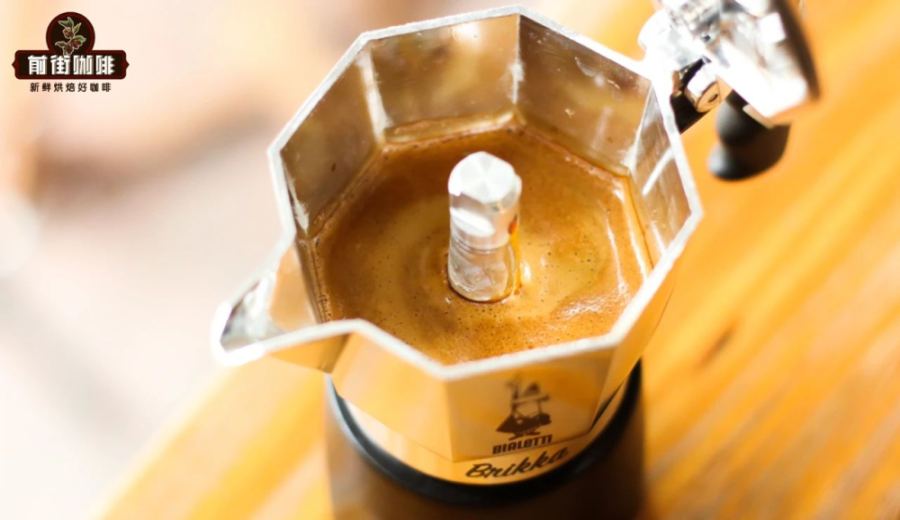
Introduction:Brewing rich coffee at home with a moka pot? Choosing the right coffee beans is key. This article dives deep into selecting the best beans for a moka pot, covering roast levels, flavor profiles, freshness, and more. We also recommend several practical beans to help you brew aromatic, layered coffee experiences.
Although a moka pot can’t fully replicate the intensity of an espresso machine, it’s a great choice for many to enjoy freshly ground coffee at home. It extracts a pressurized, rich coffee base in a relatively simple way, which you can then customize into Americano or latte as you prefer. However, to truly unlock the potential of a moka pot, selecting the right coffee beans is absolutely essential.
Because the moka pot applies pressure during extraction, it amplifies the inherent characteristics of the coffee beans—especially their flavor strengths and weaknesses. If you choose a light roast, you may end up with insufficient crema and overly pronounced acidity. Even when diluted with water or milk, the flavor might still seem unbalanced. Therefore, it’s recommended to use medium-dark roasted beans, which deliver a richer and more balanced taste.
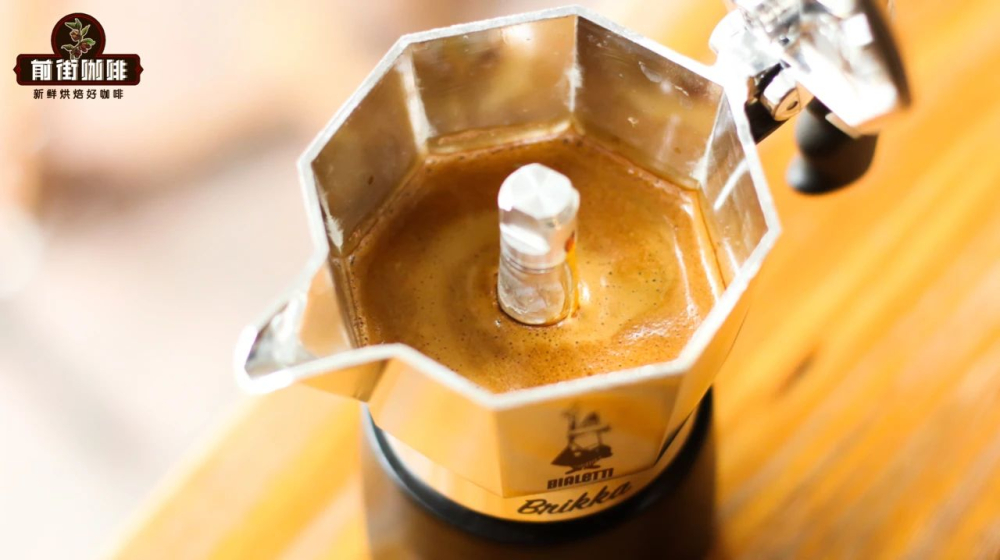
If you prefer a milder flavor with nutty and cocoa notes, consider a medium-roasted single-origin bean. For example, the Queen Estate coffee beans from Brazil have a solid nutty character and natural sweetness, perfect for those who enjoy balanced flavors. Another good option is the PNG Paradise Bird, a medium-roast bean that offers the aroma of toasted bread, even body, and a sweet finish reminiscent of cane sugar, making for a very harmonious cup overall.
If you’re after a bolder, heavier coffee experience, go for dark-roasted beans. Take PWN Golden Mandheling, for instance. This bean is known for its spicy and woody aromas with a hint of herbal notes, pairing exceptionally well with the pressurized extraction of a moka pot, resulting in a rich and deep coffee flavor.
If you’d like to explore more complex and varied flavor profiles, you might also consider fruit and floral blend beans. Strawberry Candy espresso beans are a popular choice. This blend combines Costa Rican honey-processed beans, Ethiopian beans, and Colombian beans, carefully proportioned to deliver a sweet-sour taste similar to strawberry taffy, while maintaining moderate brightness and smooth mouthfeel.
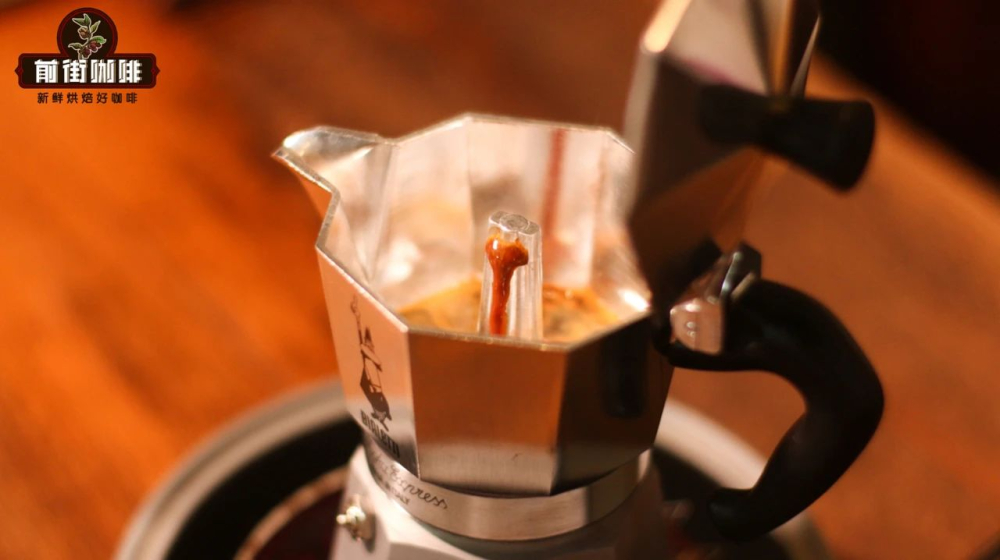
No matter which type of beans you choose, freshness is a crucial factor that affects flavor. When buying, make sure the packaging clearly shows the roast date—not just the expiration or best-before date. Generally, coffee beans are at their peak flavor within five days of roasting, but after fifty days, their aroma significantly deteriorates. Even expensive beans may fail to perform well.
To judge whether coffee beans are fresh, start by smelling them. Once you open the package, take a close sniff of the beans or freshly ground coffee. If they emit a strong and pleasant aroma, they’re likely still fresh. On the contrary, if the aroma is weak or if there are greasy or smoky odors, they’ve probably gone stale. Note that “greasy” here refers to smell, not visible oiliness on the beans—stale coffee powder often carries an unpleasant smell akin to kitchen fumes.
In summary, when brewing coffee with a moka pot, choosing medium-dark roasted, balanced-flavor, and fresh beans will help you extract a richer, more layered coffee experience. Whether you're a beginner or already familiar with using a moka pot, understanding these key elements will allow you to enjoy café-quality coffee at home.
The above content is compiled by CoffeeHunters, a coffee news website.


